Persistent Fatigue May Signal Low Iron, Health Experts Advise Testing

Why It Matters
Iron deficiency remains a pervasive public‑health concern because it directly impacts energy, cognitive function, and immune health. By linking a common symptom—persistent fatigue—to a specific nutrient shortfall, the article equips readers with actionable knowledge that can reduce unnecessary doctor visits and improve quality of life. In the broader nutrition landscape, heightened awareness of iron status encourages food manufacturers and policy makers to consider fortification strategies and clearer labeling, especially for populations at higher risk. Moreover, the guidance aligns with preventive health trends that prioritize early detection of micronutrient gaps before they evolve into clinical disease. As more consumers adopt plant‑based diets, understanding how to maintain adequate iron intake becomes increasingly relevant, reinforcing the need for education on food combinations and supplement use.
Key Takeaways
- •Persistent fatigue can indicate low iron levels, according to The Globe and Mail.
- •Doctors recommend a ferritin blood test to confirm iron deficiency.
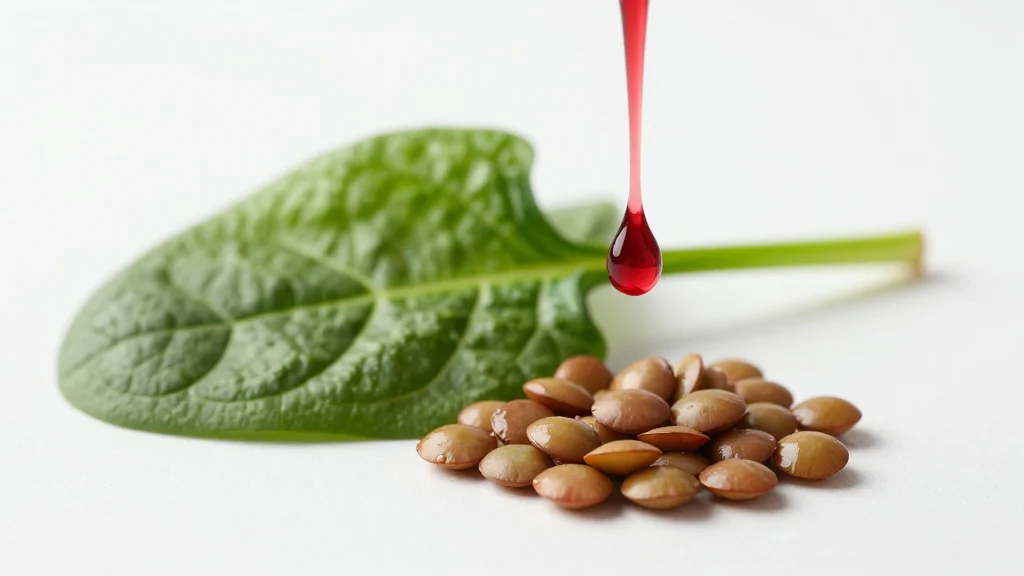
- •Iron‑rich foods include red meat, legumes, tofu, fortified cereals, and leafy greens.
- •Vitamin C enhances non‑heme iron absorption; coffee, tea, and calcium can inhibit it.
- •Early detection prevents progression to anemia and improves overall energy.
Pulse Analysis
The renewed focus on iron deficiency reflects a broader shift in nutrition journalism toward symptom‑driven guidance. Rather than presenting abstract dietary recommendations, the article ties a specific, everyday complaint—fatigue—to a measurable biomarker. This approach resonates with readers who seek concrete explanations for their health experiences and aligns with the growing consumer demand for personalized nutrition.
Historically, iron deficiency has been associated with women of reproductive age, but the article’s inclusive framing acknowledges that men, post‑menopausal women, and vegans also face risk. This broader lens may stimulate market opportunities for fortified plant‑based products and iron‑enhancing supplements that cater to diverse dietary patterns. Companies that can demonstrate bioavailable iron sources without compromising taste or digestibility could capture a segment of health‑conscious consumers.
Looking ahead, the emphasis on simple testing and dietary tweaks could influence primary‑care protocols, encouraging routine iron screening for patients presenting with unexplained fatigue. If clinicians adopt this practice more widely, we may see a rise in early‑stage interventions, reducing the burden of anemia on the healthcare system. For the nutrition industry, the key takeaway is clear: education on iron absorption, strategic product formulation, and transparent labeling will be essential to meet the anticipated increase in consumer awareness and demand.
Persistent Fatigue May Signal Low Iron, Health Experts Advise Testing
Comments
Want to join the conversation?
Loading comments...