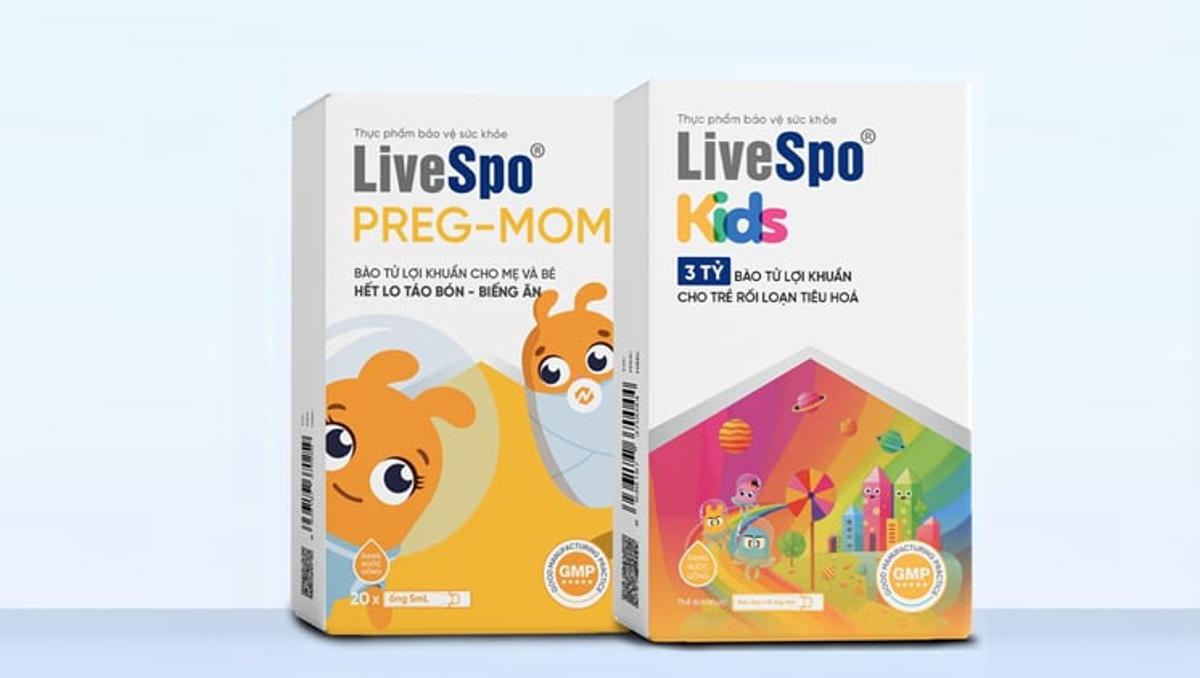
Probiotics Shown to Relieve Constipation in Kids: Vietnam RCT
Why It Matters
The findings offer a non‑pharmacologic option that quickly relieves constipation and supports growth, addressing a condition that affects up to 14 % of children worldwide and often resists conventional treatments.
Key Takeaways
- •LiveSpo Preg‑Mom cut constipation prevalence 4‑fold after 28 days
- •Both probiotics increased weight gain by ~0.3 kg versus none in placebo
- •IL‑6 and IL‑23 levels fell significantly, indicating reduced inflammation
- •Fecal IgA rose early, suggesting enhanced mucosal protection
- •No adverse events reported, supporting safety for preschool children
Pulse Analysis
Functional constipation touches roughly one in seven children, leading to discomfort, poor nutrient absorption, and stunted growth. Traditional management relies on dietary tweaks, behavioral strategies, and laxatives, which can be inconsistent and sometimes unsuitable for young patients. In this context, the emergence of Bacillus‑based spore probiotics offers a biologically plausible alternative, leveraging resilient bacterial strains that survive gastric passage and modulate gut ecology. The Vietnamese RCT adds robust clinical evidence to a growing body of research, positioning probiotics as a credible therapeutic avenue.
The four‑week trial demonstrated that twice‑daily dosing of LiveSpo Kids or LiveSpo Preg‑Mom dramatically reduced constipation rates, with the latter achieving a four‑fold improvement. Beyond bowel regularity, children gained approximately 0.3 kg and reported better appetite, suggesting a holistic benefit to nutrition and development. Immunologically, the probiotics lowered pro‑inflammatory cytokines IL‑6 and IL‑23 while boosting anti‑inflammatory IL‑10 and fecal IgA, hinting at strengthened mucosal barriers and reduced gut inflammation. Importantly, the study recorded no side effects, underscoring the safety profile essential for pediatric interventions.
For primary‑care physicians and pediatric gastroenterologists, these results could shift treatment algorithms toward integrating probiotic supplementation as a first‑line or adjunct option, especially where laxative tolerance is low. The market implication is significant: manufacturers may see heightened demand for spore‑based probiotic formulations, prompting investment in larger, longer‑term trials to confirm durability of benefits. As regulatory bodies evaluate evidence, the broader healthcare ecosystem stands to gain a cost‑effective, low‑risk tool to improve child health outcomes worldwide.
Probiotics shown to relieve constipation in kids: Vietnam RCT
Comments
Want to join the conversation?
Loading comments...