Ronaldo’s Zero‑Refined‑Carb, High‑Protein Diet Gains Spotlight as Evidence‑Based Blueprint

Why It Matters
Ronaldo’s high‑profile endorsement of a refined‑carb‑free, protein‑dense diet amplifies clean‑eating narratives across social media, retail shelves and fitness communities. When a global icon adopts a rigorously scientific regimen, it validates the role of metabolic precision in mainstream nutrition, prompting both increased consumer demand for similar products and heightened scrutiny from dietitians concerned about one‑size‑fits‑all messaging. The story also illustrates a broader industry pivot: sports‑nutrition companies are leveraging athlete data to develop targeted supplements and meal kits, while public health advocates grapple with ensuring that such trends do not eclipse balanced dietary guidance. The tension between elite performance optimization and everyday nutritional adequacy could shape policy discussions around labeling, fortification and consumer education in the coming years.
Key Takeaways
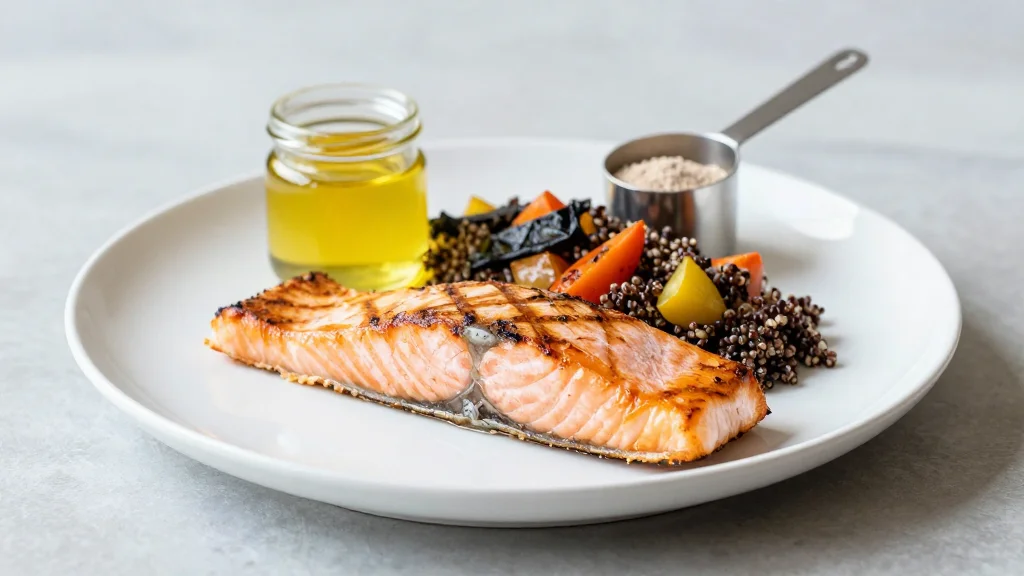
- •Ronaldo’s diet eliminates refined sugars and flour, focusing on whole‑food sources
- •Protein intake set at 2.2‑2.5 g per kg body weight daily
- •Low‑glycemic carbs like sweet potatoes and quinoa replace high‑glycemic options
- •Daily consumption of omega‑3‑rich fish provides ~2 g EPA/DHA
- •A 2023 meta‑analysis links low‑sugar diets to 18 % faster glycogen recovery
Pulse Analysis
Ronaldo’s public nutrition blueprint arrives at a moment when the sports‑nutrition market is projected to surpass $30 billion by 2028, driven by consumer appetite for data‑backed performance foods. By anchoring his regimen in peer‑reviewed studies, Ronaldo not only reinforces the credibility of evidence‑based nutrition but also creates a commercial catalyst: brands can now market “Ronaldo‑inspired” products with a veneer of scientific legitimacy, potentially accelerating product innovation and premium pricing.
Historically, athlete diets have oscillated between high‑carb, high‑fat and low‑carb paradigms, each championed by different performance philosophies. Ronaldo’s approach synthesizes the low‑glycemic, high‑protein model that gained traction in the early 2020s, yet his explicit exclusion of refined carbs pushes the narrative further toward metabolic control. This could spur a new wave of personalized nutrition platforms that integrate genetic, microbiome and training data to replicate elite protocols without the trial‑and‑error that most amateurs face.
However, the diffusion of such a regimented plan into the mass market carries risk. Without professional oversight, consumers may inadvertently create nutrient deficiencies or unsustainable eating patterns. The industry’s response—whether through robust educational campaigns or the proliferation of “quick‑fix” diet apps—will determine whether Ronaldo’s influence translates into lasting health benefits or merely fuels another cycle of celebrity‑driven diet fads. Stakeholders that prioritize transparent, evidence‑based messaging are likely to gain consumer trust, while those that overpromise performance gains without scientific backing may face backlash.
Ronaldo’s Zero‑Refined‑Carb, High‑Protein Diet Gains Spotlight as Evidence‑Based Blueprint
Comments
Want to join the conversation?
Loading comments...