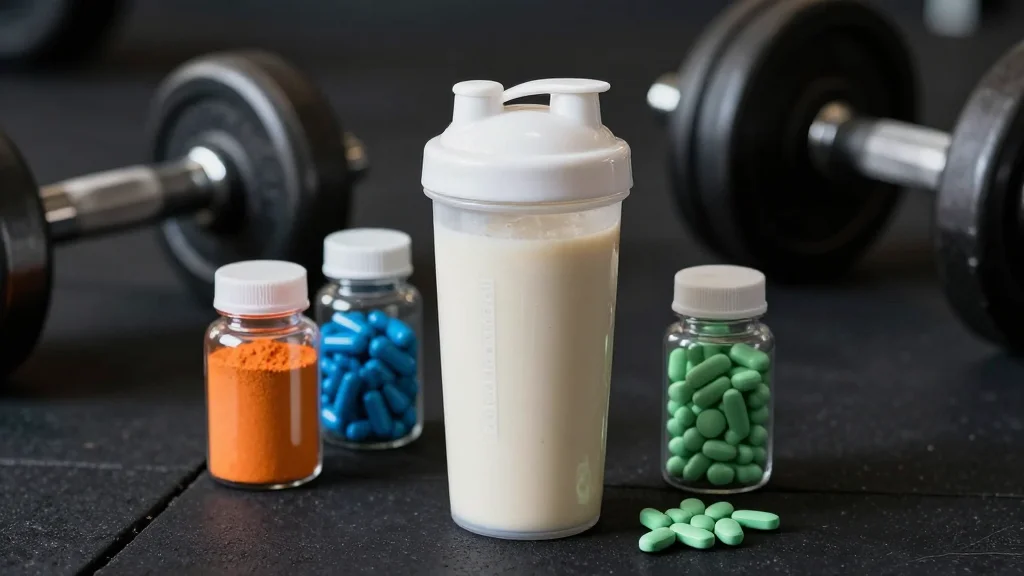
Seven Science-Backed Supplements to Speed Muscle Recovery and Growth

Why It Matters
The synthesis of large‑scale trial data into a concise supplement list provides athletes, coaches, and clinicians with a clear, science‑driven roadmap for nutrition‑based performance enhancement. By linking specific nutrients to molecular pathways such as mTORC1 activation and inflammatory modulation, the guide bridges the gap between academic research and everyday training practices. For the broader nutrition field, the article signals a shift toward precision supplementation—targeting individual metabolic states rather than blanket macronutrient prescriptions. This approach could reshape dietary guidelines for both elite sport and age‑related muscle loss, encouraging a more nuanced integration of micronutrients into standard nutrition counseling.
Key Takeaways
- •Leucine‑rich BCAA powders rank highest for activating muscle‑building mTORC1 signaling.
- •Omega‑3 concentrates from krill oil reduce post‑exercise inflammation and support satellite‑cell activity.
- •Creatine monohydrate improves phosphocreatine stores, enabling higher training intensity.
- •A 2024 systematic review of 27 trials links these supplements to better lean‑mass preservation in adults over 50.
- •Timing recommendations: BCAAs within 30 minutes post‑workout, omega‑3s with fat‑containing meals, creatine loading phase of five days.
Pulse Analysis
The emergence of a data‑driven supplement checklist reflects a maturation of sports nutrition research that has moved beyond anecdote to robust meta‑analysis. Historically, the supplement market has been dominated by marketing hype, with products often promoted on the basis of isolated studies or animal models. By aggregating findings from over three thousand participants across multiple randomized trials, the World Today News guide offers a rare, evidence‑based consolidation that can serve as a benchmark for future product development.
From a market perspective, manufacturers that can certify their formulations against the specific criteria outlined—high leucine content, bioavailable omega‑3s, pharmaceutical‑grade creatine—are likely to capture premium segments of the performance‑nutrition space. This could accelerate a wave of third‑party testing and labeling standards, similar to the recent surge in third‑party certifications for probiotic potency. Companies that fail to align with these standards may see declining shelf space as trainers and clinicians gravitate toward scientifically vetted options.
Looking ahead, the integration of precision supplementation into personalized nutrition platforms could amplify the impact of these findings. Wearable devices that track training load, recovery metrics, and metabolic markers could trigger automated supplement recommendations, ensuring that athletes receive the right nutrient at the right time. The current guide lays the groundwork for such closed‑loop systems, but widespread adoption will depend on continued research that validates real‑world outcomes and on regulatory frameworks that ensure product safety and efficacy.
Seven Science-Backed Supplements to Speed Muscle Recovery and Growth
Comments
Want to join the conversation?
Loading comments...