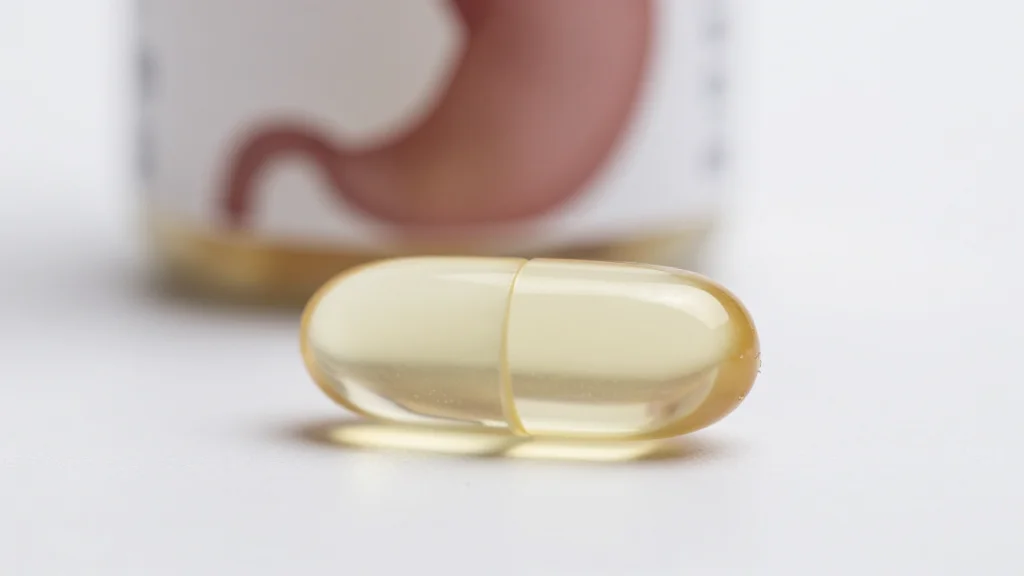
Sirona Pill Cuts 400 Calories Daily, Shows 4% Weight Loss in Early Trial

Why It Matters
Obesity remains a leading driver of chronic disease, and current pharmacologic options are limited to patients with high BMI thresholds. Sirona’s oral, stomach‑expanding technology could broaden access to medical weight‑loss interventions, potentially reducing the incidence of obesity‑related conditions such as type 2 diabetes, cardiovascular disease, and certain cancers. By offering a non‑injectable, mechanically based appetite suppressant, the pill may also lower barriers to adherence, a key factor in long‑term weight management. Beyond individual health outcomes, the introduction of an effective oral obesity drug could reshape payer strategies and public‑health policies. If Sirina demonstrates comparable efficacy to injectable GLP‑1 drugs at a lower cost, health systems may re‑evaluate treatment algorithms, potentially expanding coverage to a larger segment of the overweight population and alleviating pressure on specialist weight‑management services.
Key Takeaways
- •Sirona capsule reduced daily calorie intake by ~400 kcal in trial participants
- •Average weight loss of 4.4% (7.9 lb/3.6 kg) over 24 weeks, with up to 10% loss in some subjects
- •Hydrogel pill expands in the stomach, acting like a temporary gastric balloon
- •Targeted at overweight adults not meeting BMI criteria for injectable obesity drugs
- •Awaiting European regulatory approval; Phase III trials planned for later 2026
Pulse Analysis
The Sirona pill represents a strategic pivot from the hormone‑centric paradigm that has dominated obesity treatment since the rise of GLP‑1 agonists. By leveraging a physical satiety mechanism, Oxford Medical Products sidesteps the metabolic pathways that have raised safety concerns for some patients, potentially opening a new therapeutic class. Historically, oral weight‑loss agents have struggled with efficacy, but Sirona’s early data suggest that mechanical fullness can achieve clinically meaningful reductions in intake and weight.
Market dynamics further underscore the pill’s relevance. Injectable drugs like Wegovy and Mounjaro command premium pricing and require specialist administration, limiting their reach. An effective oral alternative could erode market share, prompting incumbents to explore similar delivery methods or to adjust pricing structures. Moreover, the pill’s suitability for patients with lower BMI expands the addressable market, which could translate into substantial revenue streams if regulatory hurdles are cleared.
Looking ahead, the critical test will be durability of weight loss and safety over longer periods. If Phase III trials confirm sustained efficacy without adverse gastrointestinal effects, Sirona could catalyze a broader shift toward diversified, patient‑centric obesity solutions. Investors and healthcare providers will likely monitor the European approval process closely, as a green light could accelerate global rollout and intensify competition in a rapidly growing segment of the nutrition and health market.
Sirona Pill Cuts 400 Calories Daily, Shows 4% Weight Loss in Early Trial
Comments
Want to join the conversation?
Loading comments...