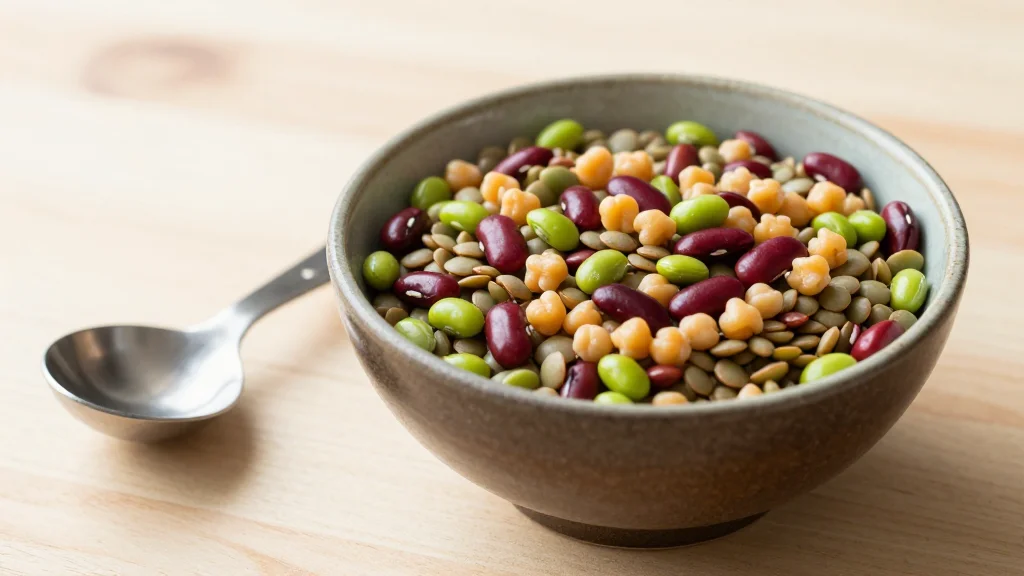
Study Finds 170 G Daily Legumes Cuts Hypertension Risk

Companies Mentioned
Why It Matters
Hypertension drives a substantial share of heart attacks, strokes and heart failure worldwide. By pinpointing a modest, affordable dietary change that can cut risk, the study offers a scalable public‑health intervention that could reduce disease burden and health‑care costs. Moreover, the emphasis on legumes and soy dovetails with climate‑friendly nutrition strategies, supporting broader sustainability objectives. For consumers, the message is actionable: a daily half‑cup of cooked beans or a palm‑size serving of tofu can become a routine part of meals without requiring expensive supplements or drastic lifestyle overhauls. If adopted widely, this habit could shift population‑level blood‑pressure trends and improve outcomes for millions.
Key Takeaways
- •170 g of legumes daily linked to a significant reduction in hypertension risk
- •70 g of soy foods daily shows a similar protective effect
- •One‑third of UK adults have high blood pressure; five million are undiagnosed
- •Legumes and soy provide potassium, magnesium, fibre and plant protein
- •Study published in BMJ Nutrition (May 4, 2026) and may inform upcoming UK dietary guidelines
Pulse Analysis
The study’s focus on a single, quantifiable food portion marks a departure from broader dietary pattern research that often yields ambiguous guidance. By isolating legumes and soy, the authors provide clinicians with a clear prescription that can be easily tracked, akin to the "one‑serve‑a‑day" model used for fruits and vegetables. Historically, nutrition advice has struggled with adherence; a concrete gram‑based target may improve compliance, especially when paired with culturally adaptable recipes.
From a market perspective, the findings could stimulate demand for legume‑based products, from canned beans to plant‑based meat analogues, as manufacturers position their offerings as heart‑healthy. Retailers may respond by expanding shelf space for dried pulses and soy items, while food‑service operators could redesign menus to feature legume‑rich dishes. This commercial ripple effect would reinforce the public‑health message, creating a feedback loop that normalizes plant‑protein consumption.
Looking ahead, the study sets the stage for randomized controlled trials that test the dose‑response relationship and examine long‑term outcomes such as cardiovascular events and mortality. If subsequent research confirms the magnitude of risk reduction, policymakers could embed the 170‑gram recommendation into national nutrition standards, school meals, and even fiscal measures like tax incentives for pulse production. The convergence of clinical evidence, consumer behavior, and policy potential makes this a pivotal moment for nutrition strategy in the fight against hypertension.
Study Finds 170 g Daily Legumes Cuts Hypertension Risk
Comments
Want to join the conversation?
Loading comments...