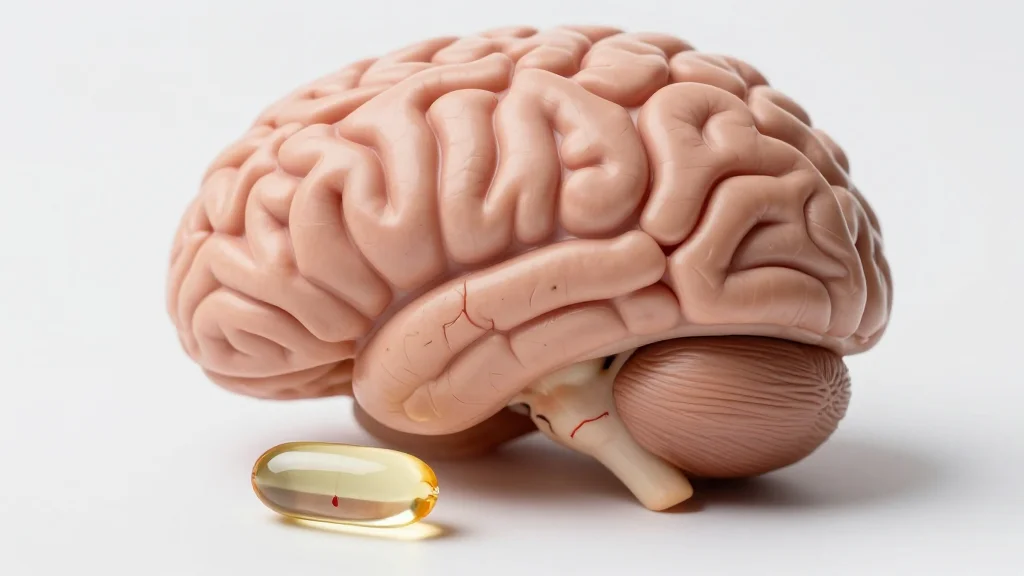
Study Finds EPA Omega‑3 May Slow Recovery After Repeated Mild Brain Injuries

Why It Matters
The research challenges the prevailing narrative that omega‑3 supplements are universally safe for brain health, prompting a reevaluation of dietary recommendations for athletes, veterans, and anyone at risk of repeated head trauma. It also bridges modern biomedical findings with traditional Korean medicine, highlighting the importance of personalized approaches in nutrition. If subsequent human studies corroborate the animal data, regulatory bodies may need to update labeling standards, and clinicians could incorporate metabolic profiling into concussion‑recovery protocols. The potential market impact includes a shift toward DHA‑dominant formulations and increased consumer demand for evidence‑based, condition‑specific supplements.
Key Takeaways
- •Medical University of South Carolina study links EPA to weakened cerebrovascular stability after repeated mild brain injuries.
- •EPA suppresses tissue‑regeneration signals, while DHA continues to support neuronal membrane health.
- •Korean medicine director Lee Je‑gyun cites the findings as validation of individualized supplement use.
- •Yukgongdan, a ten‑herb Korean formula, shown to suppress tau‑protein deformation in separate research.
- •Potential market shift toward DHA‑focused products and stricter labeling of EPA content.
Pulse Analysis
The South Carolina study arrives at a moment when the global omega‑3 market, valued at over $10 billion, is expanding into niche segments such as sports recovery and cognitive enhancement. Historically, the industry has marketed EPA and DHA as interchangeable benefits, a strategy that has simplified branding but obscured nuanced biology. This new evidence forces a split in the narrative: manufacturers may need to differentiate products by EPA/DHA ratios, and marketers will have to educate consumers about context‑dependent effects.
From a competitive standpoint, companies that already offer DHA‑only or high‑DHA formulations—such as Nordic Naturals and DSM—could gain a first‑mover advantage in the concussion‑recovery niche. Conversely, firms heavily invested in EPA‑rich fish oil may face pressure to fund additional safety studies or to diversify their portfolios with herbal blends like Yukgongdan, which align with the holistic approach praised by Korean medicine practitioners.
Looking ahead, the convergence of precision nutrition and neuro‑rehabilitation is likely to accelerate. Wearable devices that monitor head impacts could trigger personalized supplement recommendations based on real‑time injury data. If human trials confirm the animal findings, we may see clinical guidelines that prescribe DHA for post‑concussion care while advising against EPA until metabolic status is clarified. The episode underscores the broader trend: nutrition science is moving from one‑size‑fits‑all to condition‑specific interventions, a shift that will reshape product development, regulatory oversight, and consumer education in the years to come.
Study Finds EPA Omega‑3 May Slow Recovery After Repeated Mild Brain Injuries
Comments
Want to join the conversation?
Loading comments...