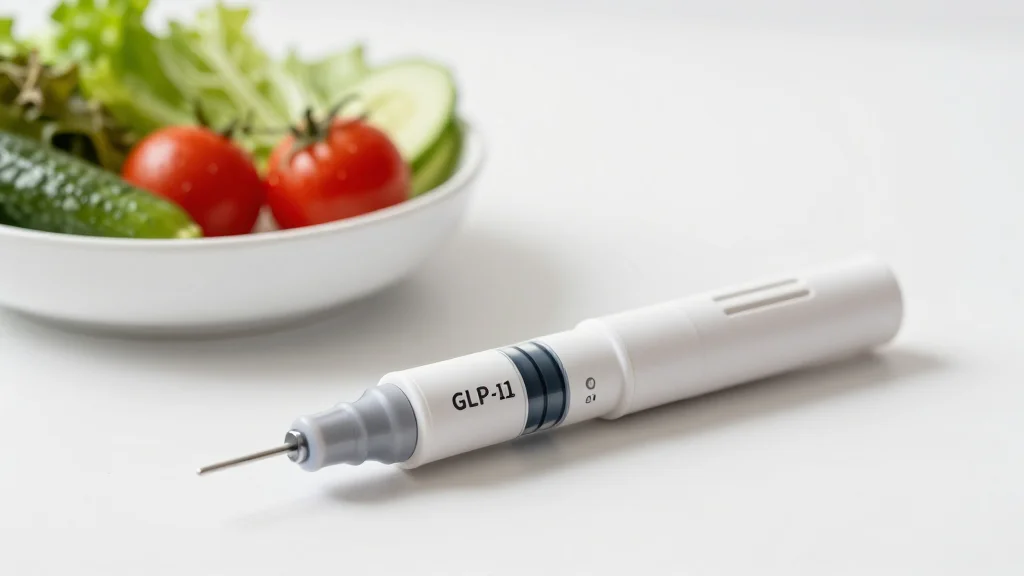
Study Finds GLP‑1 Drugs Cut ‘Food Noise,’ Boosting Weight‑Loss Success

Companies Mentioned

Why It Matters
The study highlights a previously under‑explored psychological benefit of GLP‑1 drugs, suggesting they may help patients overcome the mental barriers that drive overeating. By reducing intrusive cravings, these medications could improve adherence to lifestyle interventions, potentially amplifying weight‑loss outcomes and reducing the burden of obesity‑related diseases such as type 2 diabetes and cardiovascular disease. Moreover, the findings may influence payer decisions, as insurers weigh the broader health benefits of covering GLP‑1 therapies beyond glycemic control. If future peer‑reviewed research confirms these early results, the concept of “food noise” could become a standard metric in obesity treatment trials, prompting pharmaceutical developers to design next‑generation agents that target both metabolic pathways and reward‑center signaling. This dual‑action approach could accelerate the shift toward more holistic, patient‑centered weight‑management strategies.
Key Takeaways
- •Study presented at European Congress on Obesity (May 12‑15, 2026) examined 417 adults in a digital weight‑management program.
- •Participants on GLP‑1 drugs (Ozempic, Wegovy, Mounjaro) showed a significantly larger drop in Food Noise Questionnaire scores after one month.
- •Experts quote that reduced food noise may be as impactful as weight loss and blood‑sugar improvements.
- •Potential to improve diet adherence and lower long‑term obesity‑related healthcare costs.
- •Results pending peer‑review; longer‑term data and cost‑access issues remain under discussion.
Pulse Analysis
The emergence of “food noise” as a quantifiable outcome signals a shift in obesity research from purely physiological metrics to cognitive‑behavioral ones. GLP‑1 drugs have already disrupted the weight‑loss market with dramatic pound‑loss numbers, but their high price tags and limited insurance coverage have sparked debate about equitable access. By demonstrating a measurable reduction in intrusive cravings, the Istanbul study provides a narrative that could justify broader reimbursement—if insurers accept that dampening food‑related thought patterns translates into downstream health savings.
Historically, appetite‑suppressant drugs have struggled with safety concerns, leading to market withdrawals. GLP‑1 agents, originally approved for diabetes, have sidestepped many of those pitfalls, gaining a reputation for safety and efficacy. The new data adds a behavioral layer to their appeal, positioning them as a hybrid solution that tackles both the physiological drive to eat and the psychological pull of ultra‑processed foods. This dual mechanism may force competitors to innovate beyond simple GLP‑1 analogues, potentially spurring a wave of next‑generation compounds that target reward pathways more directly.
Looking ahead, the key will be rigorous, long‑term trials that link food‑noise reduction to sustained weight loss and reduced comorbidities. If such evidence materializes, clinicians could adopt a more nuanced prescribing algorithm—matching patients with high food‑noise scores to GLP‑1 therapy, while reserving behavioral programs for others. This stratified approach could improve outcomes while managing costs, a balance that will shape the next decade of obesity treatment.
Study Finds GLP‑1 Drugs Cut ‘Food Noise,’ Boosting Weight‑Loss Success
Comments
Want to join the conversation?
Loading comments...