Study Finds Only 1 in 5 Meet Flavanol Target; Specific Produce Boost Heart Health

Companies Mentioned
Why It Matters
The study challenges the assumption that meeting generic fruit‑and‑vegetable targets automatically delivers cardioprotective compounds. By pinpointing specific flavanol‑rich foods, it gives clinicians and policymakers a concrete tool to enhance dietary advice, potentially reducing heart disease incidence on a population scale. Moreover, the findings could influence food manufacturers to highlight flavanol content on labels, creating market incentives for growers and producers to prioritize high‑flavanol varieties. For consumers, the message is actionable: swapping a banana for a handful of blackberries or adding a cup of green tea can meaningfully boost flavanol intake without overhauling the entire diet. As cardiovascular disease remains the leading cause of death globally, even modest improvements in nutrient intake could translate into millions of prevented events.
Key Takeaways
- •Only ~20% of 30,000 U.S. and U.K. adults meet the 500 mg daily flavanol level linked to lower heart disease risk
- •Study used urinary biomarkers rather than self‑reported food diaries for accurate intake measurement
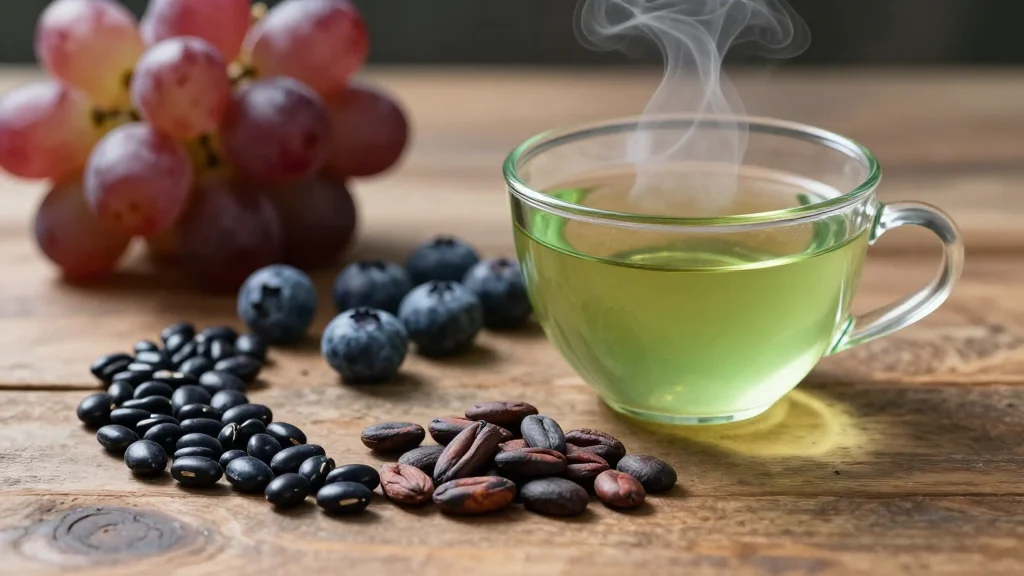
- •Plums, blackberries, green tea and apples provide the highest flavanol doses per typical serving
- •Researchers call for refined five‑a‑day guidance that emphasizes flavanol‑rich choices
- •Further trials are needed before flavanol‑focused recommendations become official public‑health policy
Pulse Analysis
The flavanol study arrives at a moment when nutrition science is increasingly data‑driven and biomarker‑focused. Traditional dietary guidelines have relied on broad food groups to simplify public messaging, but the granularity offered by metabolomic profiling reveals hidden gaps in nutrient delivery. By quantifying flavanol exposure directly, the researchers expose a mismatch between perceived and actual intake, a pattern likely to repeat for other bioactive compounds as analytical tools improve.
From a market perspective, the findings could reshape product development. Companies like Mars, already involved in flavanol research, may accelerate the launch of fortified foods or supplements that guarantee a 500 mg dose. Simultaneously, retailers might promote "heart‑healthy" produce sections, leveraging the new evidence to differentiate offerings. However, the caution expressed by Professor Sattar underscores a regulatory risk: premature health claims could invite scrutiny if long‑term outcome data remain limited.
Looking ahead, the study sets a precedent for integrating biomarker validation into dietary surveillance. If health agencies adopt flavanol‑specific targets, we could see a cascade of similar initiatives for other phytochemicals, driving a more nuanced, precision‑nutrition paradigm. The challenge will be balancing scientific rigor with clear, actionable guidance for the public, ensuring that the next generation of dietary recommendations translates into measurable health gains.
Study Finds Only 1 in 5 Meet Flavanol Target; Specific Produce Boost Heart Health
Comments
Want to join the conversation?
Loading comments...