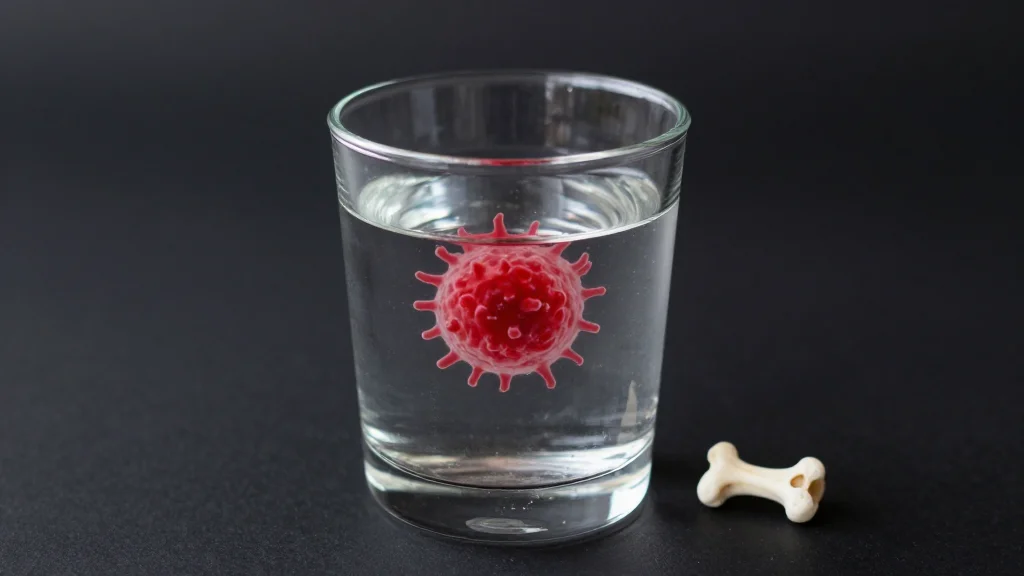
Study Links Energy‑Drink Ingredient Taurine to Faster Leukemia Progression

Why It Matters
The discovery that a ubiquitous supplement ingredient can act as a metabolic fuel for leukemia stem cells challenges the assumption that all over‑the‑counter additives are universally safe. For patients undergoing treatment for AML, unchecked taurine consumption could undermine therapeutic efficacy, making dietary counseling a critical component of care. Moreover, the findings may trigger broader investigations into how other common nutraceuticals interact with tumor microenvironments, potentially reshaping dietary guidelines for cancer patients. Beyond clinical practice, the research could influence regulatory policy. If subsequent trials confirm that TAUT inhibition is effective in humans, agencies like the FDA may consider issuing advisories or revising labeling requirements for products containing high levels of taurine, especially those marketed to athletes and young adults.
Key Takeaways
- •Nature study links bone‑derived taurine to accelerated AML progression.
- •Blocking the taurine transporter (TAUT) slowed leukemia in mouse and patient‑derived models.
- •TAUT inhibition combined with venetoclax showed synergistic anti‑cancer effects.
- •Taurine is a common ingredient in energy drinks, protein powders, and pre‑workout supplements.
- •Researchers advise caution for taurine supplementation in leukemia patients pending clinical trials.
Pulse Analysis
The taurine‑AML connection arrives at a moment when the nutrition industry is under heightened scrutiny for its role in chronic disease. Historically, supplements have been marketed on the premise of universal benefit, but emerging oncology research is revealing a more complex picture where context matters. This study exemplifies a shift toward precision nutrition—recognizing that a molecule beneficial for muscle performance may be detrimental in a malignant setting.
From a market perspective, the findings could pressure major beverage and supplement manufacturers to diversify formulations or invest in research that clarifies safe consumption thresholds. Companies that proactively fund clinical studies or develop taurine‑free product lines may gain a competitive edge, especially as oncologists begin to incorporate dietary counseling into standard AML protocols.
Looking ahead, the key question is whether TAUT inhibitors can be translated into safe, effective drugs for humans. If early‑phase trials succeed, we could see a new class of metabolism‑targeted therapies that complement existing targeted agents like venetoclax. Simultaneously, the study may catalyze a broader reevaluation of other widely used additives—such as caffeine, B‑vitamins, and electrolytes—for their potential unintended interactions with cancer biology. The nutrition field stands at a crossroads where scientific rigor must guide product development and public health messaging.
Study Links Energy‑Drink Ingredient Taurine to Faster Leukemia Progression
Comments
Want to join the conversation?
Loading comments...