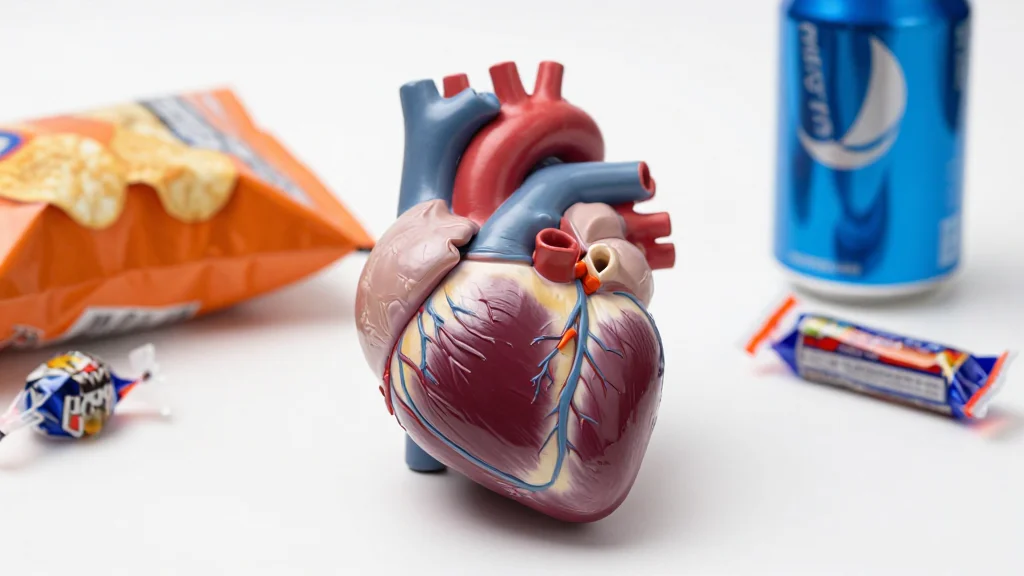
Study Links Ultra‑Processed Foods to 65% Higher Risk of Cardiovascular Death

Why It Matters
The ESC consensus translates a growing body of epidemiological research into actionable clinical guidance, potentially shifting how doctors counsel patients about diet. By framing ultra‑processed foods as a modifiable risk factor, the report could drive policy changes, from front‑of‑package warnings to taxation schemes aimed at reducing consumption. For the nutrition industry, the findings threaten the marketing of many convenience products that dominate modern grocery shelves, prompting a possible wave of reformulation or rebranding. Beyond individual health, the broader public health system could see cost savings if reduced UPF intake translates into fewer heart attacks, strokes, and related hospitalizations. The consensus also underscores the need for more transparent ingredient labeling, giving consumers clearer information about the industrial additives that drive the observed risks.
Key Takeaways
- •ESC consensus links highest ultra‑processed food consumption to a 65% higher risk of cardiovascular death.
- •Risk increases include 19% for heart disease and 13% for atrial fibrillation.
- •Commonly perceived "healthy" items—flavored Greek yogurt, protein cookies, fortified crackers—are among the foods studied.
- •Ultra‑processed foods now provide 61% of daily calories in the Netherlands and 54% in the UK.
- •The report urges doctors to treat UPF intake as a clinical risk factor, similar to smoking or hypertension.
Pulse Analysis
The ESC consensus marks a turning point in how the medical community quantifies dietary risk. Historically, nutrition advice has focused on macronutrient ratios and specific nutrients like saturated fat or sodium. By aggregating a decade of cohort data, the panel shifts the conversation to the processing level of foods, a factor that cuts across traditional nutrient categories. This reframing aligns with emerging research on food matrices and the role of additives in metabolic health.
From a market perspective, the statement could accelerate a trend already visible in the rise of “clean label” and minimally processed product lines. Brands that have invested in transparent sourcing and reduced additive use may gain a competitive edge as clinicians begin to reference UPF intake in risk assessments. Conversely, manufacturers of highly processed snack foods and meal kits may face heightened scrutiny, potentially prompting reformulation or the introduction of lower‑processing alternatives.
Looking ahead, the real test will be whether the consensus spurs policy action. In jurisdictions where front‑of‑package warning labels have been introduced for sugar or sodium, similar mandates for ultra‑processed foods could emerge. Moreover, insurance providers might incorporate UPF consumption into premium calculations, creating financial incentives for healthier eating patterns. The ESC’s call for randomized trials also signals a research agenda that could solidify causality, moving the field from correlation to intervention. If such trials confirm that reducing ultra‑processed foods lowers cardiovascular events, the nutrition landscape could undergo a rapid, evidence‑driven transformation.
Study Links Ultra‑Processed Foods to 65% Higher Risk of Cardiovascular Death
Comments
Want to join the conversation?
Loading comments...