Study Links Ultra‑Processed Snacks to Lower Attention Scores in Adults

Why It Matters
The link between ultra‑processed snacks and attention deficits highlights a previously under‑explored pathway through which diet influences daily cognitive function. As workplaces shift toward knowledge‑intensive tasks, even modest declines in focus can affect output, safety and innovation. Public‑health campaigns that traditionally target obesity and cardiovascular disease may need to broaden their messaging to include mental performance, especially for middle‑aged adults who are most represented in the study. Moreover, the research challenges the assumption that a Mediterranean dietary pattern alone can offset the harms of processed foods. Policymakers and food manufacturers may face pressure to reformulate snack products, reduce additives, and improve labeling so consumers can make choices that protect both physical and cognitive health.
Key Takeaways
- •Study of 2,192 Australian adults (ages 40‑70) links ultra‑processed snack intake to lower attention scores.
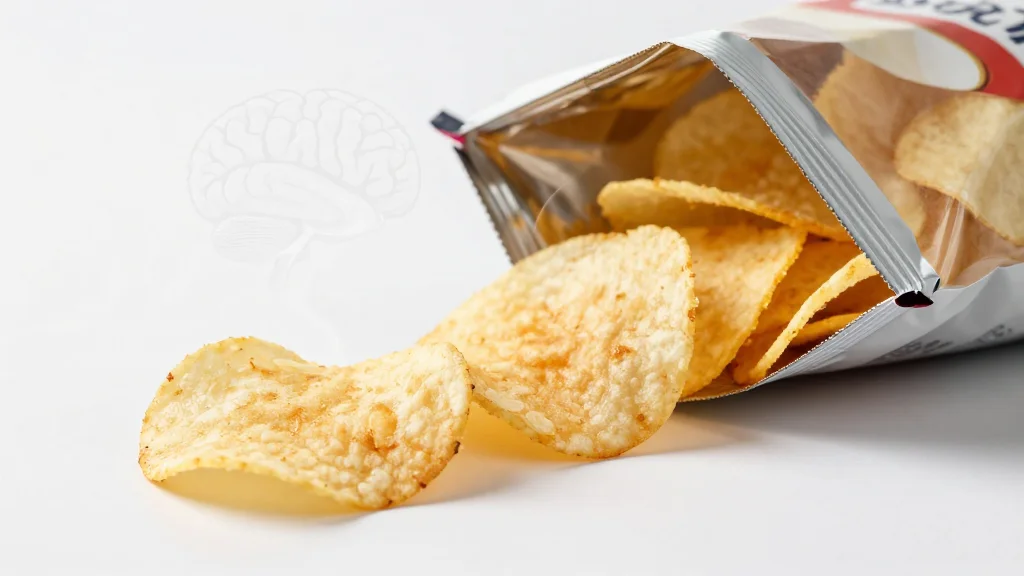
- •Each 10% increase in ultra‑processed foods—about one bag of chips—drops attention by 0.05 points.
- •Mediterranean diet adherence did not neutralize the attention penalty.
- •Experts cite nutrient gaps, additives, and inflammation as mechanisms.
- •Implications span workplace productivity, public‑health guidelines, and food‑industry reform.
Pulse Analysis
The new Australian data arrives at a moment when the nutrition field is re‑evaluating the cognitive costs of the modern food environment. Historically, research on ultra‑processed foods has focused on metabolic outcomes—obesity, diabetes, cardiovascular disease. This study pivots the conversation toward real‑time brain performance, a metric that directly impacts economic productivity and quality of life.
From a market perspective, the findings could accelerate demand for snack alternatives that combine convenience with nutrient density. Companies that already market “brain‑boosting” bars or fortified chips may see an opportunity to differentiate with clinically backed claims. Conversely, traditional snack giants could face regulatory scrutiny if future trials confirm causality, potentially prompting reformulation or clearer front‑of‑pack warnings.
Looking ahead, the key question is whether the observed attention dip translates into long‑term cognitive decline or dementia risk. If subsequent longitudinal studies confirm a cumulative effect, we may witness a shift in dietary guidelines to explicitly address mental acuity, not just physical health. For now, the evidence suggests that even modest changes—replacing a daily bag of chips with a handful of nuts—could preserve attention capacity, offering a low‑cost, high‑impact strategy for individuals and employers alike.
Study Links Ultra‑Processed Snacks to Lower Attention Scores in Adults
Comments
Want to join the conversation?
Loading comments...