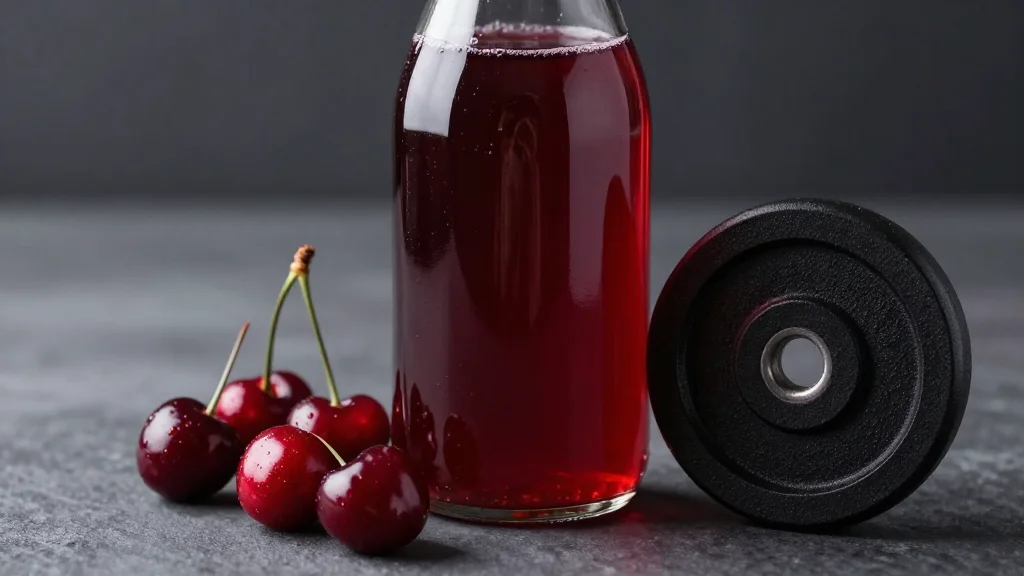
The Effect of Montmorency Tart Cherry Consumption on Athletic Performance and Post-Exercise Recovery in Healthy Adults: A Scoping Review
Why It Matters
Montmorency cherries are the predominant U.S. tart‑cherry variety, and confirming their ergogenic value could shape athlete nutrition strategies and a multi‑billion‑dollar functional‑food market.
Key Takeaways
- •28 RCTs examined Montmorency cherry effects on performance, strength, DOMS.
- •4 of 10 performance trials showed significant improvements.
- •7 of 14 strength studies reported faster muscle recovery.
- •Only 6 of 22 DOMS trials found reduced soreness.
- •Trials were small, short‑term, and often industry‑funded.
Pulse Analysis
Montmorency tart cherries dominate U.S. production, accounting for roughly 98% of the crop, and are prized for their high polyphenol content, especially anthocyanins and melatonin. These phytochemicals have antioxidant and anti‑inflammatory properties that theoretically could mitigate exercise‑induced oxidative stress, enhance nitric‑oxide availability, and accelerate tissue repair. As athletes and fitness enthusiasts increasingly turn to natural recovery aids, understanding whether Montmorency cherries deliver measurable performance gains is critical for both sports nutrition guidance and the broader functional‑food industry.
The scoping review synthesized 28 randomized controlled trials, revealing a fragmented evidence base. While a minority of performance studies demonstrated modest improvements in time‑trial speed or endurance, the majority reported no effect, suggesting that any ergogenic benefit may be context‑specific—perhaps limited to certain dosing regimens, exercise modalities, or athlete populations. In contrast, half of the strength‑recovery trials observed faster restoration of maximal voluntary contraction, indicating that cherry‑derived polyphenols may more reliably support muscle repair mechanisms. The DOMS findings were the most equivocal, with only a small subset showing reduced soreness, underscoring the variability in study designs, outcome measures, and participant characteristics.
For practitioners, the current data suggest that Montmorency cherry supplementation could be a low‑risk adjunct for enhancing post‑exercise muscle recovery, especially when incorporated into short‑term protocols surrounding intense training sessions. However, the inconsistent performance and soreness outcomes, coupled with prevalent industry funding and limited sample sizes, caution against broad recommendations. Future research should prioritize large, double‑blind, pre‑registered trials with standardized dosing, diverse athlete cohorts, and robust biomarkers to clarify optimal timing, dosage, and long‑term effects. Such evidence will enable nutritionists to make evidence‑based recommendations and help manufacturers substantiate health claims with credible science.
The effect of Montmorency tart cherry consumption on athletic performance and post-exercise recovery in healthy adults: a scoping review
Comments
Want to join the conversation?
Loading comments...