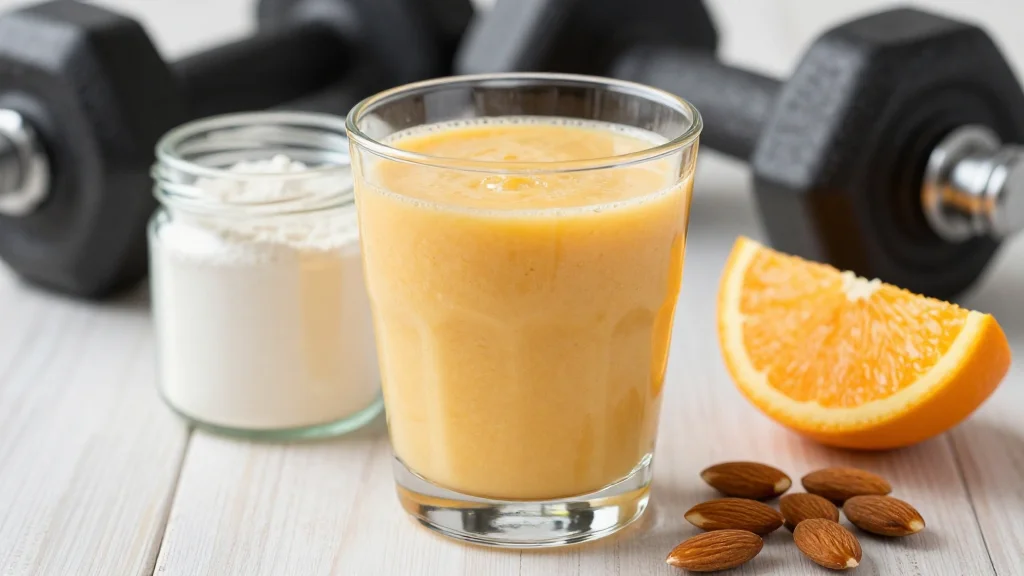
The Triad of Collagen, Vitamin C, and Vitamin E in Aging: Emerging Roles in Mood and Psychological Health, Neurotrophic Support, Cognitive Function, Endurance, and Sarcopenia
Why It Matters
Integrating the triad with exercise could provide a low‑risk, nutrition‑based avenue to preserve functional independence in older adults, addressing a growing public‑health challenge.
Key Takeaways
- •Collagen peptides modestly boost fat‑free mass when paired with resistance training
- •Vitamin C enhances collagen synthesis and offers antioxidant, immune benefits for seniors
- •Vitamin E protects cell membranes during exercise, supporting muscle recovery
- •Single‑nutrient studies dominate; integrated triad research remains scarce
- •Optimal dosing, timing, and exercise modality for the triad are still unknown
Pulse Analysis
Aging is increasingly viewed as a systemic process driven by oxidative stress, chronic inflammation, and impaired extracellular matrix turnover. Traditional interventions have targeted individual organs, but emerging science suggests that a coordinated nutritional strategy—combining collagen, vitamin C, and vitamin E—may address multiple pathways simultaneously. Collagen delivers glycine‑rich peptides that reinforce tendon and connective‑tissue integrity, while vitamin C acts as a co‑factor for proline and lysine hydroxylation, essential for stable collagen fibers. Vitamin E, a lipid‑soluble antioxidant, safeguards mitochondrial membranes and neuronal tissue during the heightened reactive oxygen species production that accompanies exercise, thereby supporting recovery and vascular health.
When paired with structured resistance or aerobic training, the triad appears to amplify adaptive signaling rather than blunt it, provided supplementation stays within dietary ranges. Small‑scale trials report modest gains in fat‑free mass, reduced joint pain, and improved endothelial function among seniors receiving collagen peptides alongside vitamin C and E. However, high‑dose antioxidant regimens can dampen the ROS‑mediated signaling required for muscle hypertrophy, underscoring the need for precise dosing. The interplay between nutrient timing—such as post‑exercise ingestion to coincide with the anabolic window—and exercise modality remains a critical research frontier.
For the supplement industry and healthcare providers, these insights open a market for integrated, evidence‑based formulations tailored to older adults engaged in regular physical activity. Yet, the evidence base is still fragmented, with most data derived from short‑term biomarker studies rather than longitudinal functional outcomes. Future large‑scale, randomized trials should stratify participants by baseline nutritional status, exercise type, and frailty level to pinpoint optimal dose‑response curves. Establishing clear guidelines will enable clinicians to recommend the triad as a preventive tool, potentially reducing the incidence of sarcopenia, cardiovascular decline, and cognitive impairment in the aging population.
The triad of collagen, vitamin C, and vitamin E in aging: emerging roles in mood and psychological health, neurotrophic support, cognitive function, endurance, and sarcopenia
Comments
Want to join the conversation?
Loading comments...