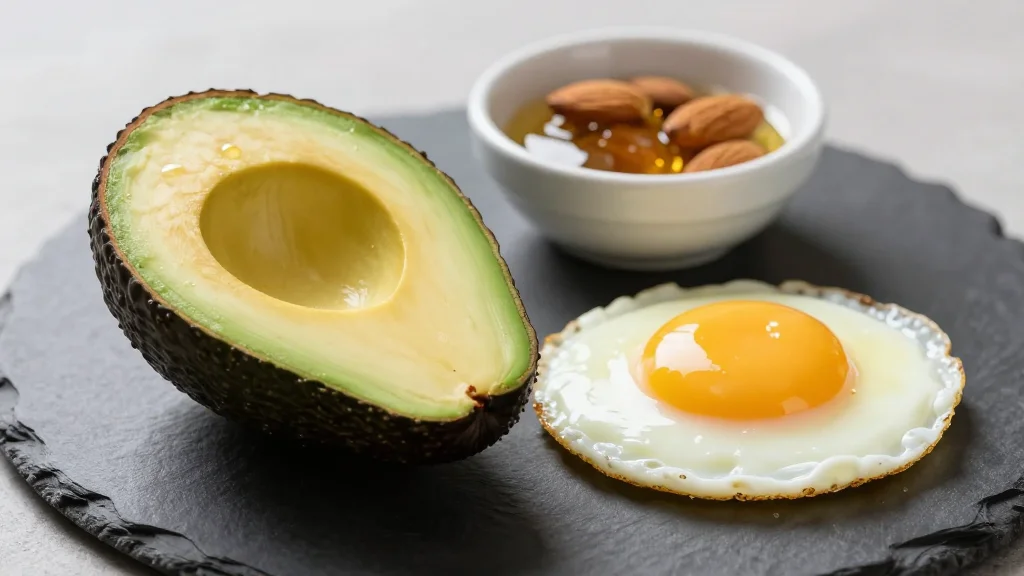
These Are The 6 Best Foods To Boost Testosterone Levels In Men
Why It Matters
Optimizing diet for testosterone can improve muscle mass, mood, and metabolic health, offering a low‑cost strategy for aging men and a growth niche for health‑focused food brands.
Key Takeaways
- •Fatty fish provide omega‑3s that aid testosterone‑related cell signaling.
- •Olive oil’s monounsaturated fats and polyphenols support hormone balance.
- •Zinc‑rich shellfish are essential for testosterone synthesis.
- •Magnesium in leafy greens correlates with higher testosterone in active men.
- •Ashwagandha supplementation can boost testosterone 10‑15% in clinical trials.
Pulse Analysis
The biochemical pathway that produces testosterone begins with cholesterol, making dietary fat a foundational element of hormonal health. While extreme low‑fat diets can suppress testosterone, moderate intake of monounsaturated and polyunsaturated fats sustains cell‑membrane integrity and hormone signaling. Beyond fats, micronutrients such as zinc and magnesium act as enzymatic cofactors in steroidogenesis, and antioxidants protect Leydig cells from oxidative damage. This nutritional framework aligns with broader endocrinology research that links macro‑ and micronutrient adequacy to endocrine resilience, especially in men over 40 whose levels naturally decline.
Clinical evidence for the six highlighted foods varies in scale but converges on a common theme: nutrient density matters more than isolated superfoods. Randomized trials show that two weekly servings of fatty fish can raise serum testosterone modestly, while daily extra‑virgin olive oil consumption has been associated with improved metabolic profiles that indirectly support hormone balance. Zinc‑rich shellfish correct subclinical deficiencies that are linked to hypogonadism, and magnesium‑rich leafy greens correlate with higher testosterone in physically active cohorts. Early studies on pomegranate polyphenols suggest protective effects against oxidative stress, and ashwagandha adaptogens have demonstrated 10‑15% testosterone gains in controlled trials, though dosage and population specifics remain critical.
For businesses, these findings open avenues for product innovation and targeted marketing. Food manufacturers can formulate functional meals or snack lines enriched with omega‑3s, zinc, and magnesium, while supplement companies may capitalize on the growing demand for clinically backed adaptogens like ashwagandha. Meanwhile, digital health platforms can integrate dietary recommendations into hormone‑monitoring apps, creating a data‑driven feedback loop for consumers. As research continues to clarify dose‑response relationships, companies that align product development with evidence‑based nutrition will likely capture a premium segment of health‑conscious male consumers seeking natural testosterone support.
These Are The 6 Best Foods To Boost Testosterone Levels In Men
Comments
Want to join the conversation?
Loading comments...