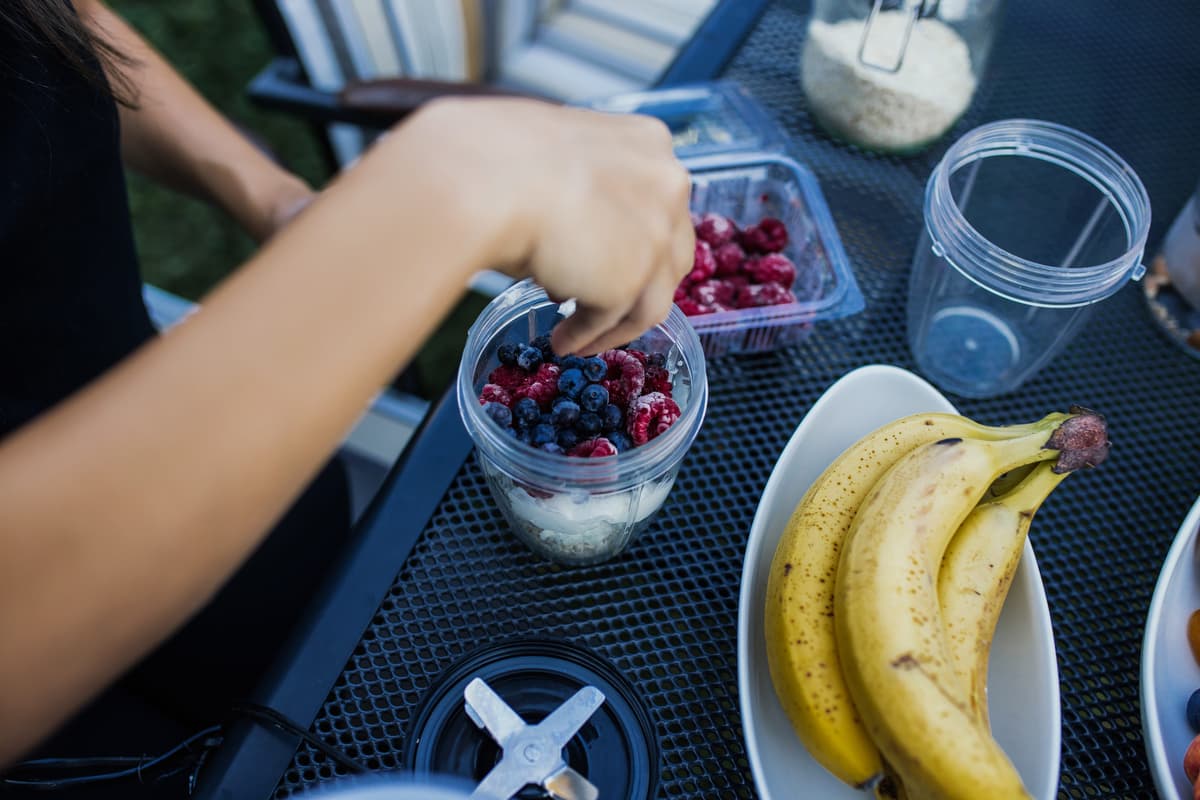
This One Ingredient May Be Ruining the Health Benefits of Your Smoothie
Why It Matters
Reduced flavanol absorption can blunt the antioxidant and performance benefits cyclists aim for, influencing how they formulate recovery drinks. Understanding ingredient interactions helps athletes tailor nutrition for specific goals rather than relying on convenience alone.
Key Takeaways
- •Bananas’ polyphenol oxidase lowers flavanol bioavailability
- •Flavanol‑rich smoothies improve aerobic performance and recovery
- •Banana‑forward smoothies still deliver fast‑digesting carbs
- •Berry‑based smoothies preserve more antioxidant compounds
- •Study size small; overall diet remains primary performance driver
Pulse Analysis
Flavanols—found in berries, grapes, cocoa and tea—have become a staple in endurance athletes’ recovery regimens because they support vascular function and modestly boost fat oxidation. The recent UC Davis trial, though limited to a handful of participants, highlighted a surprising interaction: bananas, a common source of quick‑acting carbohydrates, contain high levels of polyphenol oxidase (PPO). This enzyme binds to flavanols, effectively reducing the amount the gut can absorb. For cyclists who meticulously track nutrient timing, the study suggests that the convenience of a banana may come at the cost of diminished antioxidant intake.
The biochemical basis of the PPO effect is straightforward. When PPO encounters flavanols, it catalyzes oxidation reactions that transform these compounds into less absorbable forms. Consequently, a smoothie that pairs berries with banana delivers fewer usable flavanols than an identical blend without the fruit. Athletes focused on maximizing recovery antioxidants can therefore consider swapping bananas for lower‑PPO fruits such as mango, pineapple, or orange, while still retaining a creamy texture through yogurt or kefir. This nuanced approach allows riders to preserve the carb‑rich benefits of bananas for pre‑ride fueling, and reserve flavanol‑dense blends for post‑ride repair.
Nevertheless, the broader nutritional picture matters more than any single ingredient swap. The study’s small sample size means its findings should be integrated with personal tolerance, overall diet quality, and training load. Consistency remains the most powerful performance driver; a smoothie that an athlete enjoys and consumes regularly will outperform a theoretically optimal but rarely used formula. By recognizing how food components interact, cyclists can adopt a flexible strategy—using banana‑heavy drinks when rapid energy is paramount and opting for berry‑centric blends when antioxidant recovery is the priority—without overcomplicating their nutrition plan.
This One Ingredient May Be Ruining the Health Benefits of Your Smoothie
Comments
Want to join the conversation?
Loading comments...