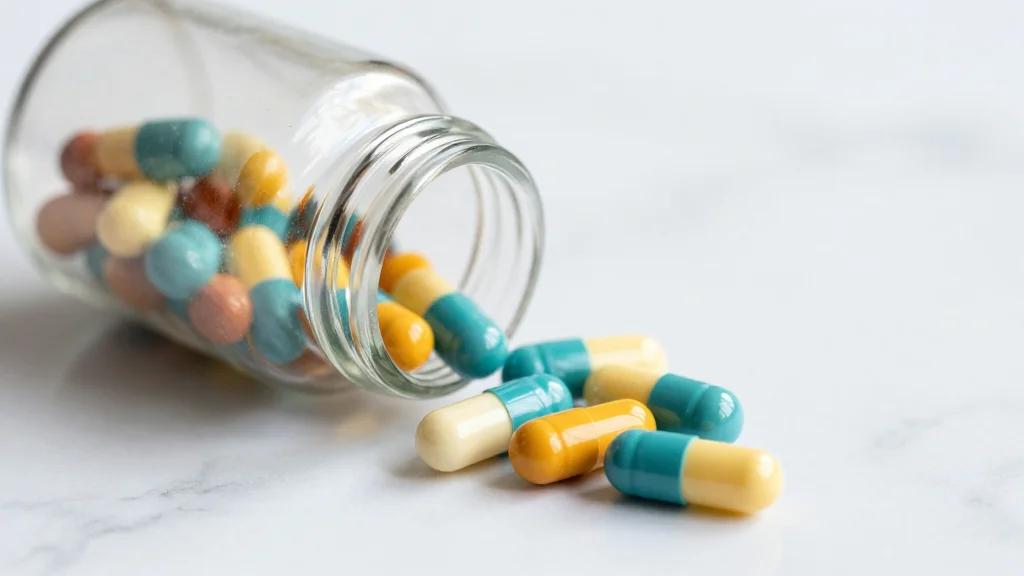
TikTok-Driven Supplement Sales Face Safety Scrutiny After Recall and Illness Reports

Companies Mentioned
Why It Matters
The proliferation of TikTok‑driven supplement sales threatens public health by exposing consumers to untested, potentially hazardous products. As influencers wield outsized sway over purchasing decisions, the lack of rigorous oversight can translate into widespread exposure to contaminants, mislabeled ingredients, and undisclosed pharmaceuticals. This dynamic not only endangers individual users but also erodes trust in the broader nutraceutical industry, prompting calls for stronger regulatory frameworks and platform accountability. Beyond immediate health risks, the episode highlights a systemic challenge: the intersection of digital marketing, rapid product iteration, and legacy food‑and‑drug laws. If left unchecked, the current trajectory could catalyze a wave of litigation, recall costs, and a backlash that reshapes how dietary supplements are marketed and sold online, potentially prompting legislative reforms that redefine the boundaries of influencer‑driven commerce.
Key Takeaways
- •FDA recalls Rosabella Moringa capsules after salmonella contamination linked to TikTok promotion.
- •At least 55 salmonella cases tied to Live It Up Super Greens powder, another TikTok‑favored product.
- •Turmeric pills associated with acute liver damage; Amazon’s tejocote root found to contain poisonous oleander.
- •Reddit users report lead exposure, heart palpitations, and mislabeled ingredients in influencer‑recommended supplements.
- •Regulators plan tighter monitoring of online supplement sales; TikTok faces pressure to enforce stricter health‑claim policies.
Pulse Analysis
The current wave of supplement-related health incidents underscores a structural mismatch between the speed of social‑media marketing and the slower, evidence‑based processes that traditionally safeguard consumer products. Influencers can propel a niche nutraceutical from obscurity to viral status within days, leveraging algorithmic amplification to reach millions. Yet the manufacturing ecosystem that supplies these products often operates on thin margins, with minimal third‑party testing and opaque supply chains. This creates a fertile ground for contamination, adulteration, and false labeling.
Historically, the dietary supplement market has been self‑regulated, relying on the FDA’s post‑market surveillance rather than pre‑approval. The TikTok phenomenon magnifies the shortcomings of that model, as the sheer volume of new entrants overwhelms existing monitoring capacities. The FDA’s recent alerts represent a reactive stance; proactive measures—such as mandatory batch testing for products exceeding a certain follower‑reach threshold—could close the safety gap.
From a market perspective, the fallout may catalyze consolidation. Brands that can demonstrate rigorous quality control and secure third‑party certifications are likely to attract both consumer confidence and retail partnerships, while smaller, influencer‑driven outfits may face dwindling sales or be forced to adopt stricter compliance protocols. Platforms like TikTok will also have to balance revenue from health‑related advertising against reputational risk, potentially instituting algorithmic de‑ranking of unverified supplement content.
Looking ahead, the convergence of regulatory pressure, consumer awareness, and platform policy shifts could reshape the supplement landscape into a more transparent, accountable sector. However, the transition will depend on coordinated action among the FDA, legislators, e‑commerce giants, and the influencers themselves. Failure to act decisively may result in further health crises, eroding public trust not only in supplements but in the broader ecosystem of digital health advice.
TikTok-Driven Supplement Sales Face Safety Scrutiny After Recall and Illness Reports
Comments
Want to join the conversation?
Loading comments...