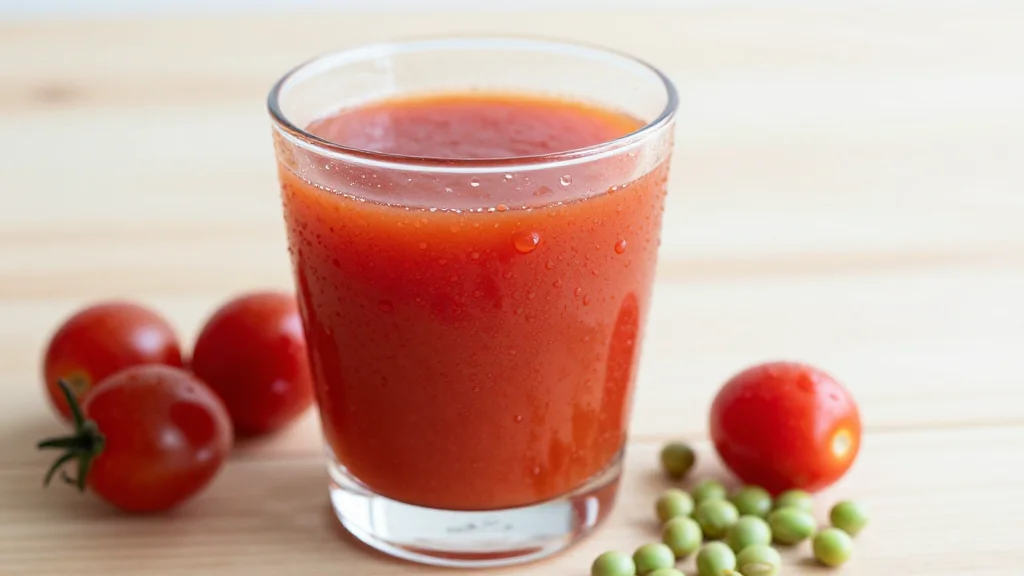
Tomato‑Soy Drink Cuts Inflammation Markers in Obese Adults, Study Finds

Why It Matters
Chronic low‑grade inflammation is a central mechanism linking obesity to heart disease, diabetes, certain cancers and neurodegeneration. Demonstrating that a simple, commercially viable beverage can attenuate inflammatory cytokines offers a scalable, non‑pharmacologic tool for risk reduction. Moreover, the study bridges agricultural science and clinical nutrition, showing how crop breeding (high‑lycopene tomatoes) and food fortification can translate into measurable health outcomes. If larger trials confirm these results, the tomato‑soy drink could be integrated into dietary recommendations for at‑risk populations, potentially lowering healthcare costs associated with inflammation‑driven diseases. The research also underscores the importance of funding agencies like NIDDK in moving promising food‑based interventions from pilot studies to broader clinical applications.
Key Takeaways
- •12 adults with obesity drank two 6‑ounce cans of tomato‑soy juice daily for four weeks
- •Significant reductions observed in IL‑5, IL‑12p70 and GM‑CSF; TNF‑α trended down
- •Study published in *Molecular Nutrition & Food Research* with a crossover design
- •Funding secured from NIDDK for a pilot trial in pancreatitis patients
- •Drink combines high‑lycopene tomatoes and soy isoflavone extract, both linked to anti‑inflammatory effects
Pulse Analysis
The Ohio State trial arrives at a moment when the nutrition industry is eager for evidence‑based functional foods that can be marketed with credible health claims. Historically, many phytochemical‑rich products have struggled to demonstrate clinical efficacy beyond surrogate markers. This study’s use of a randomized, crossover design and objective cytokine endpoints sets a higher bar for future research, potentially reshaping how academic institutions partner with food manufacturers.
From a market perspective, the tomato‑soy beverage could carve out a niche between conventional fruit juices and premium nutraceuticals. Its ingredients are already cultivated at scale, and the formulation leverages existing processing infrastructure, suggesting a relatively low barrier to commercial rollout. However, consumer acceptance will hinge on taste, price point, and clear messaging about its anti‑inflammatory benefits. If the upcoming NIDDK‑funded pancreatitis trial confirms broader therapeutic effects, insurers may consider coverage for such functional foods, further integrating nutrition into clinical care pathways.
Looking ahead, the key challenge will be translating modest cytokine reductions into hard clinical outcomes—reduced incidence of cardiovascular events, improved glycemic control, or slower cancer progression. Large‑scale, long‑term studies will be needed to establish causality and cost‑effectiveness. Nonetheless, the current findings provide a compelling proof of concept that targeted phytochemicals delivered through everyday foods can modulate systemic inflammation, opening a new frontier for preventive nutrition.
Tomato‑Soy Drink Cuts Inflammation Markers in Obese Adults, Study Finds
Comments
Want to join the conversation?
Loading comments...