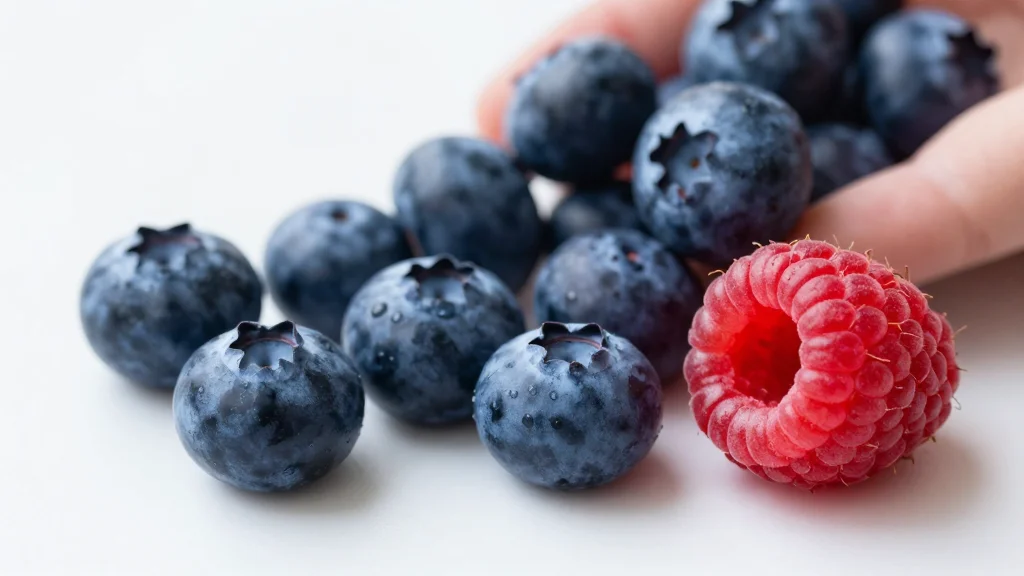
University of Maine Study Confirms Wild Blueberries Cut Inflammation and Boost Vascular Health

Why It Matters
The confirmation that wild blueberries can directly improve endothelial function provides a rare example of a whole food with a clearly defined molecular mechanism for cardiovascular benefit. This bridges the gap between epidemiological observations and actionable dietary recommendations, giving clinicians a evidence‑based option to suggest to patients with hypertension, obesity or metabolic syndrome. Moreover, the study highlights the potential of region‑specific crops to contribute to public health, supporting local agriculture while addressing national concerns about heart disease. If the upcoming human trials replicate the pre‑clinical results, insurers and policymakers may consider incorporating wild blueberries into preventive nutrition programs, potentially reducing healthcare costs associated with cardiovascular events. The research also sets a precedent for rigorous, interdisciplinary investigations of other functional foods, encouraging a shift toward food‑first strategies in chronic disease prevention.
Key Takeaways
- •University of Maine study shows daily half‑to‑one cup of wild blueberries cuts inflammation in hypertensive, obese animal models.
- •Wild blueberries contain twice the antioxidants, 72% more fiber, and 33% more anthocyanins than conventional blueberries.
- •Research identifies endothelial signaling pathways as the primary target of blueberry polyphenols.
- •Human trials with the University of Milan are underway, showing early improvements in blood pressure and lipid profiles.
- •Practical consumption tips: fresh, flash‑frozen, or freeze‑dried berries; blend with acidic fruit or cinnamon for maximal absorption.
Pulse Analysis
The University of Maine’s findings arrive at a moment when the nutrition sector is scrambling to substantiate functional foods with hard data. Historically, claims about berries have been rooted in observational studies; this work provides a mechanistic backbone that could shift industry narratives from anecdote to prescription. By pinpointing endothelial health—a linchpin in atherosclerosis and hypertension—the research offers a clear therapeutic target that dietitians can integrate into risk‑reduction protocols.
From a market perspective, the validation of wild blueberries as a clinically effective ingredient could spark a wave of product innovation. Expect to see an uptick in fortified foods, ready‑to‑drink smoothies, and nutraceuticals that leverage the berry’s polyphenol profile. Companies that secure supply chains from Maine’s farms may command premium pricing, especially if insurance providers begin to recognize the fruit’s preventive value. However, scaling must be balanced against sustainability; over‑harvesting could threaten the wild blueberry ecosystem that underpins the health benefits.
Looking ahead, the upcoming human trial will be the litmus test for translating animal data into public health policy. Should the trial confirm the endothelial benefits, we could see revisions to dietary guidelines that explicitly recommend wild blueberries for cardiovascular health. This would not only elevate the berry’s status but also reinforce the broader agenda of using whole foods as medicine—a paradigm shift that could reshape nutrition research funding and consumer behavior for years to come.
University of Maine Study Confirms Wild Blueberries Cut Inflammation and Boost Vascular Health
Comments
Want to join the conversation?
Loading comments...