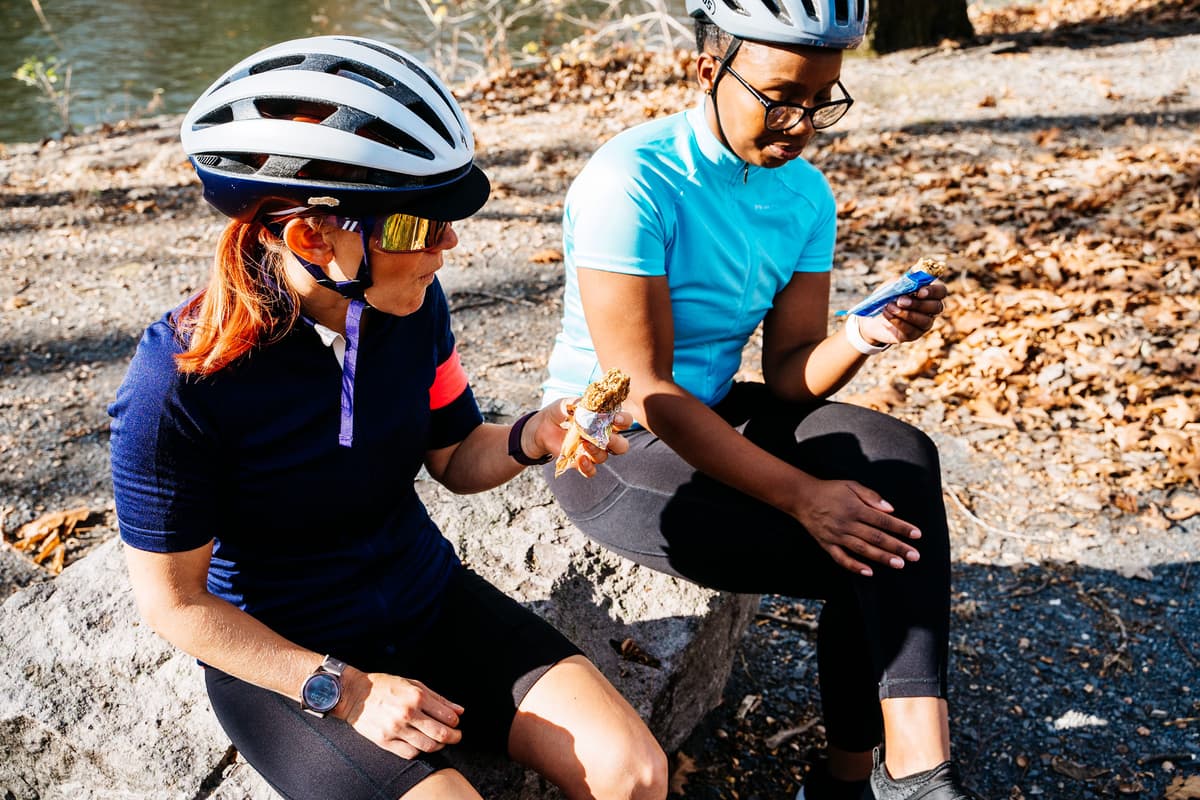
What to Eat Before a Bike Ride So You Stay Strong to the Finish
Why It Matters
Effective fueling directly influences endurance, power output, and recovery, giving cyclists a competitive edge and reducing the risk of mid‑ride fatigue. These guidelines also inform coaches, product developers, and sports nutrition professionals seeking evidence‑based strategies.
Key Takeaways
- •Consume 45–90 minutes pre-ride carbs at 1 g per pound
- •Avoid high‑fat, high‑fiber foods within two hours of riding
- •Carb‑load 300–500 g daily 1–2 days before long rides
- •Hydrate to half bodyweight in ounces plus extra 16–24 oz
Pulse Analysis
The science of pre‑exercise fueling has moved beyond generic "eat a bagel" advice to a nuanced, periodized strategy. Research shows that glycogen stores, the primary fuel for high‑intensity cycling, are maximized when athletes consume 300‑500 grams of carbohydrates per day in the 48‑hour window before a long ride. This carbohydrate surge, often termed "carb‑loading," enhances muscle glycogen reserves, delays the onset of fatigue, and supports sustained power output. Coupled with moderate protein intake to aid muscle repair, the timing of macronutrient delivery becomes a critical performance lever.
Practical implementation hinges on meal composition and gut comfort. In the days leading up to an event, athletes should prioritize low‑fat, low‑fiber foods—think lean proteins, starchy vegetables, and whole grains—to minimize digestive upset. As the start line approaches, a smaller, carb‑dense snack 60‑90 minutes out (such as a banana‑based smoothie or rice cake with nut butter) supplies readily available glucose without overloading the stomach. Hydration protocols, often overlooked, recommend drinking half one's bodyweight in fluid ounces daily plus an additional 16‑24 oz on race day, ensuring optimal plasma volume and thermoregulation.
These evidence‑based guidelines ripple through the cycling ecosystem. Coaches can tailor training plans with precise fueling windows, while manufacturers of energy gels, sports drinks, and portable snacks see a market demand for low‑fat, high‑carb formulations that align with timing recommendations. As wearable tech advances, real‑time glucose monitoring may soon enable cyclists to personalize carbohydrate dosing on the fly, further refining the balance between performance and comfort. Embracing these strategies today positions athletes to extract maximum power from every pedal stroke while safeguarding long‑term health.
What to Eat Before a Bike Ride So You Stay Strong to the Finish
Comments
Want to join the conversation?
Loading comments...