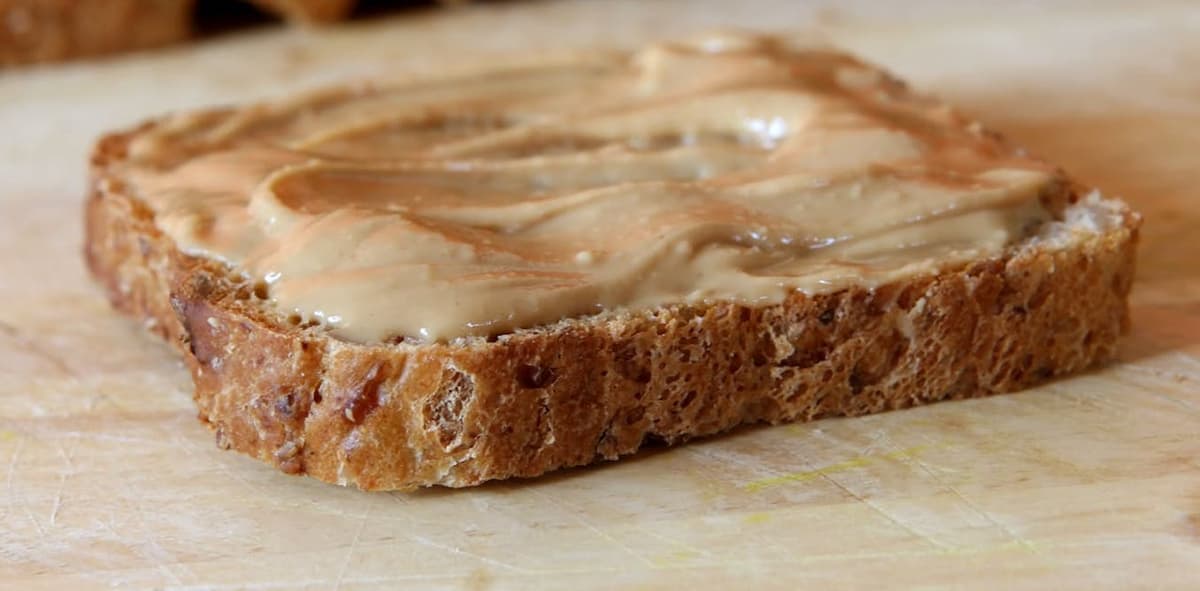
Which Nut Butter Is Healthiest – Peanut, Almond or Cashew?
•March 12, 2026
0
Why It Matters
Choosing a 100% nut butter maximizes nutrient intake while avoiding unnecessary calories and additives, directly influencing heart health, bone strength and micronutrient status for health‑conscious shoppers.
Key Takeaways
- •Pure nut butters contain only nuts, no added oils.
- •Almond butter leads in calcium, fibre, healthy fats.
- •Peanut butter provides highest protein per tablespoon.
- •Cashew butter offers most iron, zinc, selenium.
- •Choose based on nutritional goals and cost.
Pulse Analysis
The nut‑butter aisle has evolved from a single peanut‑centric shelf to a diverse selection that includes almond, cashew, hazelnut and macadamia spreads. This expansion reflects rising consumer interest in plant‑based proteins and functional foods, but it also introduces a new challenge: many brands compromise nutritional integrity by blending in refined vegetable oils, palm oil, sugar or stabilisers. Products that list only nuts—or nuts plus a pinch of salt—preserve the natural profile of monounsaturated and polyunsaturated fats, fibre and minerals, delivering the full health promise of the raw nuts.
Nutritionally, the three leading spreads are comparable in calorie density, yet each offers distinct advantages. Peanut butter supplies the most protein per tablespoon, making it a convenient post‑workout option and a satiating snack. Almond butter stands out for its higher content of calcium, fibre, magnesium and heart‑healthy fats, supporting bone density, digestive health and cholesterol management. Cashew butter, while lower in protein and fibre, is a rich source of iron, zinc and selenium, nutrients vital for immune function, energy metabolism and thyroid health. Understanding these nuances helps consumers align their choice with specific health objectives.
Practical considerations also shape buying decisions. Allergy‑sensitive shoppers must scrutinise labels for cross‑contamination, as processing equipment often handles multiple nut types. Price differentials are notable: almond and cashew butters typically command a premium over peanut butter, reflecting higher raw‑material costs. A balanced pantry strategy—keeping a variety of 100% nut butters on hand—allows individuals to rotate based on nutritional needs, taste preferences and budget constraints, ensuring they reap the maximum benefit from these nutrient‑dense spreads.
Which nut butter is healthiest – peanut, almond or cashew?
0
Comments
Want to join the conversation?
Loading comments...