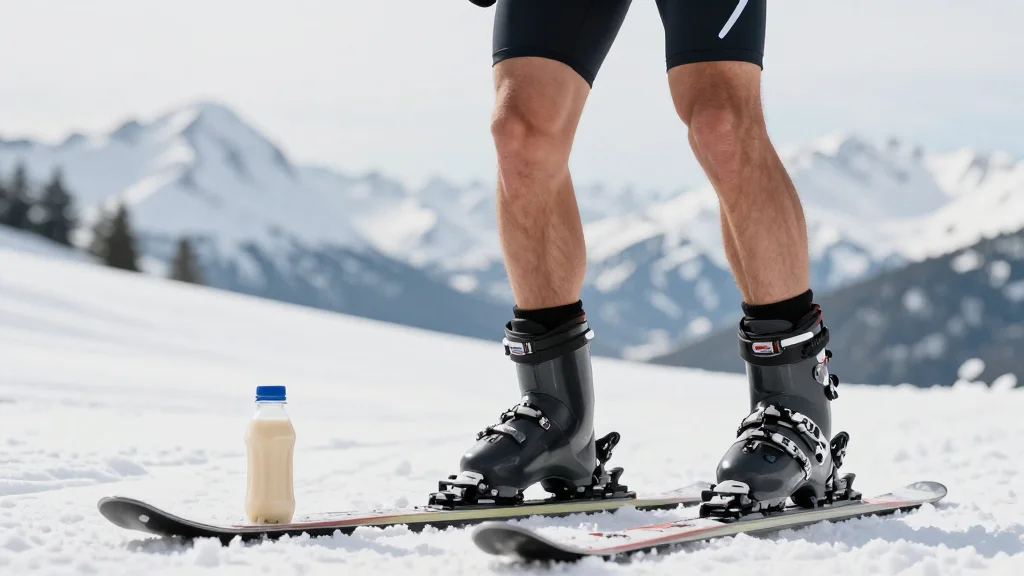
World Cup Skier Adam Žampa Adds Six Kilograms to Boost Performance

Why It Matters
Žampa’s deliberate weight gain spotlights how nutrition is becoming a tactical lever in elite sport, moving beyond generic dietary advice to precise, data‑driven interventions. The strategy challenges traditional notions of optimal body composition for skiers, suggesting that power‑focused disciplines may benefit from a heavier, more muscular build. If successful, it could reshape training philosophies, influence funding allocations for sports nutrition research, and drive new product development aimed at controlled muscle accretion for athletes. The broader conversation also raises questions about athlete health, long‑term sustainability of rapid weight changes, and the ethical line between performance enhancement and medical intervention. Stakeholders—from national federations to anti‑doping agencies—will need to monitor outcomes to ensure that such nutrition tactics remain within safe and fair competition parameters.
Key Takeaways
- •Adam Žampa added six kilograms (13.2 lb) ahead of the World Cup season.
- •Weight gain is part of a new coach‑led program emphasizing strength and high‑protein nutrition.
- •Sports nutritionists debate the trade‑off between increased power and potential loss of agility.
- •The move reflects a wider trend toward individualized, data‑driven nutrition in elite sport.
- •Žampa will test the strategy at the opening World Cup event in Levi, Finland.
Pulse Analysis
Žampa’s decision to bulk up is emblematic of a paradigm shift where nutrition is treated as a core component of competitive strategy rather than a peripheral support function. Historically, alpine skiers have prioritized lean builds to maximize acceleration and maneuverability. However, the physics of speed events—where gravitational force and momentum dominate—create a niche where added mass can translate directly into faster times, provided the weight is functional muscle rather than inert fat.
The integration of sports science, real‑time metabolic monitoring, and personalized diet plans is accelerating this shift. Companies that supply protein‑rich supplements, wearable metabolic sensors, and AI‑driven meal‑planning platforms stand to gain as national teams and private athletes adopt more granular nutrition protocols. Yet the approach is not without risk. Rapid muscle accretion can strain joints, alter biomechanics, and increase susceptibility to overuse injuries, especially on the high‑impact courses typical of the World Cup circuit. Monitoring tools such as force plates and motion capture will be essential to validate that the added weight improves net performance rather than merely increasing load.
If Žampa’s experiment yields podium finishes, it could trigger a cascade of similar programs across disciplines where power output is paramount. Conversely, a lackluster result may reinforce the conventional wisdom of maintaining a lighter frame. Either outcome will provide valuable data for sports scientists and could inform future guidelines from governing bodies on permissible nutrition‑based performance enhancements. The next few weeks will therefore serve as a live case study on the efficacy and limits of targeted weight gain in elite winter sports.
World Cup Skier Adam Žampa Adds Six Kilograms to Boost Performance
Comments
Want to join the conversation?
Loading comments...