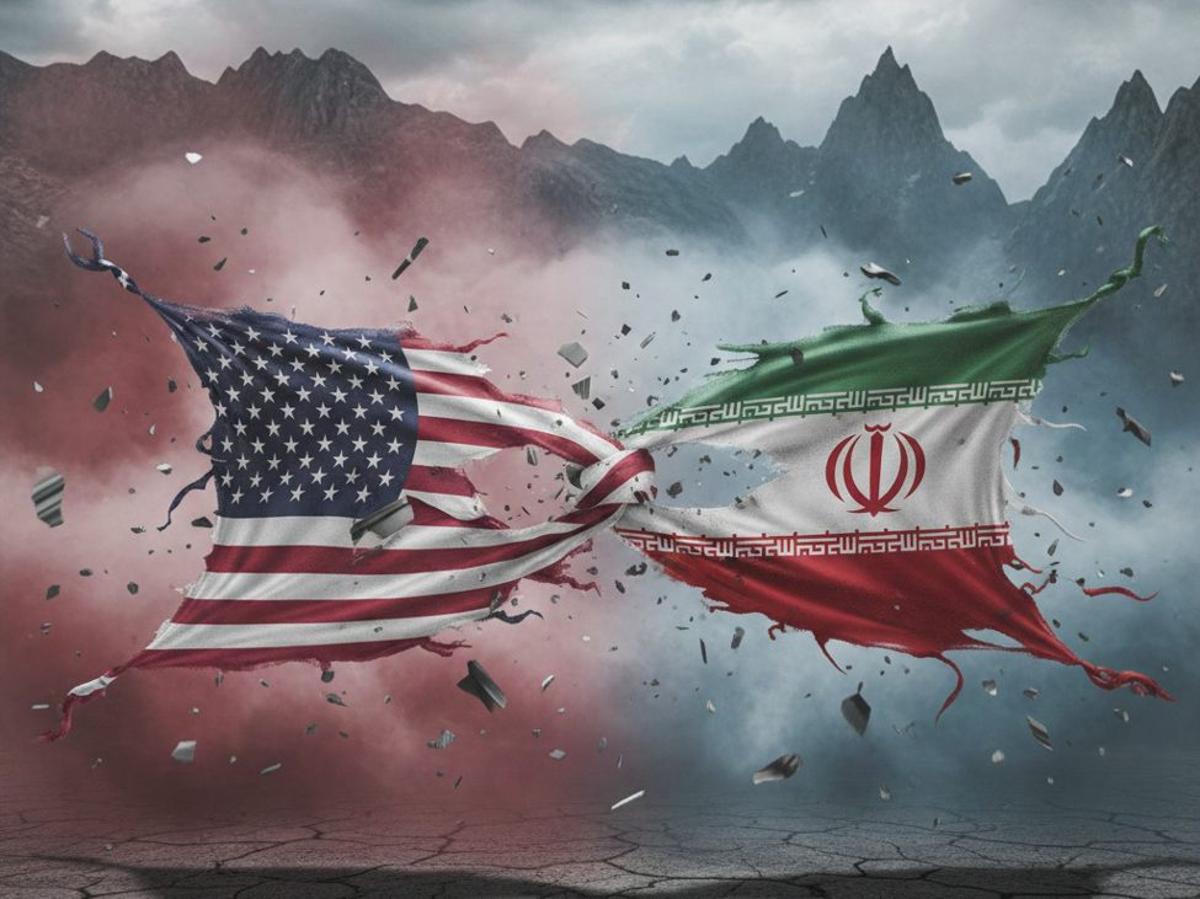
US Stock Futures Give up some Gains as Iran Says Ceasefire Negotiations Lack Legitimacy
Why It Matters
The dip in futures signals heightened geopolitical risk, prompting investors to reassess exposure to Middle‑East volatility and its ripple effects on global equities and commodities.
Key Takeaways
- •Iran rejects ceasefire, calls negotiations illegitimate
- •US futures slipped 18 points to 6,660
- •Market volatility spikes amid Middle East diplomatic uncertainty
- •Tehran demands strategic objectives before ending conflict
- •Analysts see limited US maneuverability in region
Pulse Analysis
The latest flare‑up in U.S.-Iran tensions illustrates how quickly geopolitical narratives can translate into market movements. While Washington has been quietly courting regional partners to broker a ceasefire, Tehran’s semi‑official media has framed any dialogue as illegitimate, reinforcing a hardline stance. This rhetoric not only dampens diplomatic optimism but also triggers immediate risk‑off behavior among traders, as evidenced by the 18‑point slide in S&P 500 futures. For investors, the episode underscores the need to monitor political signals as a leading indicator of market sentiment, especially in sectors sensitive to Middle‑East stability.
Beyond the immediate futures dip, the broader implications touch commodity markets and currency flows. A protracted stalemate often fuels oil price volatility, given the region’s pivotal role in global supply. Higher crude prices can erode corporate earnings, particularly for energy‑intensive industries, while also strengthening the U.S. dollar as investors seek safe‑haven assets. Meanwhile, heightened uncertainty may widen credit spreads and elevate the cost of capital for emerging‑market firms with exposure to the conflict. Portfolio managers therefore must weigh geopolitical risk premiums when allocating to equities, bonds, and commodities.
Looking ahead, the trajectory of U.S.-Iran negotiations will hinge on Tehran’s strategic calculus. If Iran maintains its demand for concrete battlefield gains before any ceasefire, diplomatic overtures may stall, prolonging market anxiety. Conversely, a shift toward pragmatic engagement—perhaps spurred by economic pressures or regional diplomatic pressure—could restore some confidence and stabilize futures. Market participants should track diplomatic channels, including back‑channel talks involving European allies, for early signals of de‑escalation, while maintaining contingency plans for renewed volatility.


Comments
Want to join the conversation?
Loading comments...