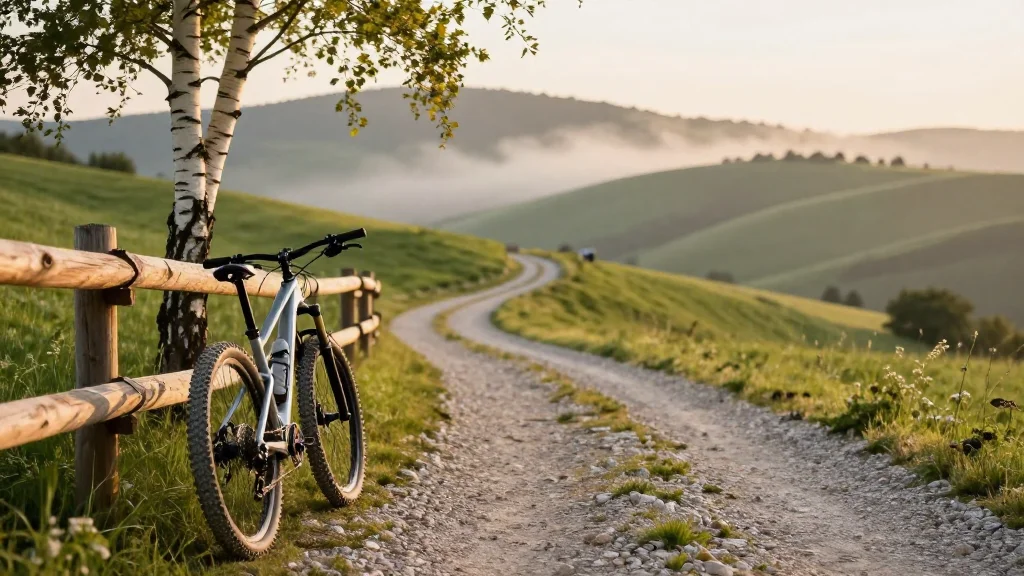
Croatia Opens Zagorje Hills Nature Park with 150 Km of Trails

Why It Matters
The Zagorje Hills Nature Park reshapes Croatia’s tourism geography, directing attention away from saturated coastal hotspots toward inland destinations with untapped economic potential. By integrating extensive trail networks with heritage sites, the park creates a diversified product that can attract a broader spectrum of outdoor enthusiasts, from casual cyclists to serious hikers. From a conservation perspective, the park’s protected status strengthens Croatia’s compliance with EU biodiversity directives and provides a platform for long‑term ecological research. The dual focus on recreation and preservation offers a model for other European nations seeking to balance nature‑based tourism with habitat protection.
Key Takeaways
- •Zagorje Hills Nature Park inaugurated as Croatia’s 13th protected area
- •Park covers ~30,000 hectares and includes 150 km of hiking and cycling trails
- •First new Croatian national park since Dinara was designated in 2021
- •Features historic sites such as Trakošćan Castle and Vindija Cave
- •Projected 20 % rise in regional tourism revenue over the next two years
Pulse Analysis
Croatia’s decision to invest in a large inland park reflects a strategic pivot that mirrors trends across Europe, where nations are leveraging natural heritage to diversify tourism away from overburdened coastal zones. The Zagorje Hills initiative taps into a growing demand for multi‑activity outdoor experiences, combining trail-based recreation with cultural tourism. This integrated approach can generate higher visitor spend per capita, as tourists are likely to engage in guided tours, local gastronomy, and accommodation stays that extend beyond day trips.
Historically, Croatia’s tourism model has been heavily weighted toward its Adriatic coastline, contributing to seasonal spikes and environmental strain on beach ecosystems. By establishing a robust inland destination, the country mitigates these pressures while opening new revenue streams for rural communities. The inclusion of EU LIFE funding underscores the importance of aligning economic objectives with environmental safeguards, a balance that will be critical as visitor numbers rise.
Looking forward, the park’s success will hinge on effective capacity management and community involvement. If the authorities can maintain trail quality, protect sensitive habitats, and ensure that local businesses reap tangible benefits, Zagorje could become a benchmark for sustainable outdoor tourism in the region. Conversely, unchecked visitor growth could erode the very assets that make the park attractive, highlighting the need for adaptive management frameworks from the outset.
Croatia Opens Zagorje Hills Nature Park with 150 km of Trails
Comments
Want to join the conversation?
Loading comments...