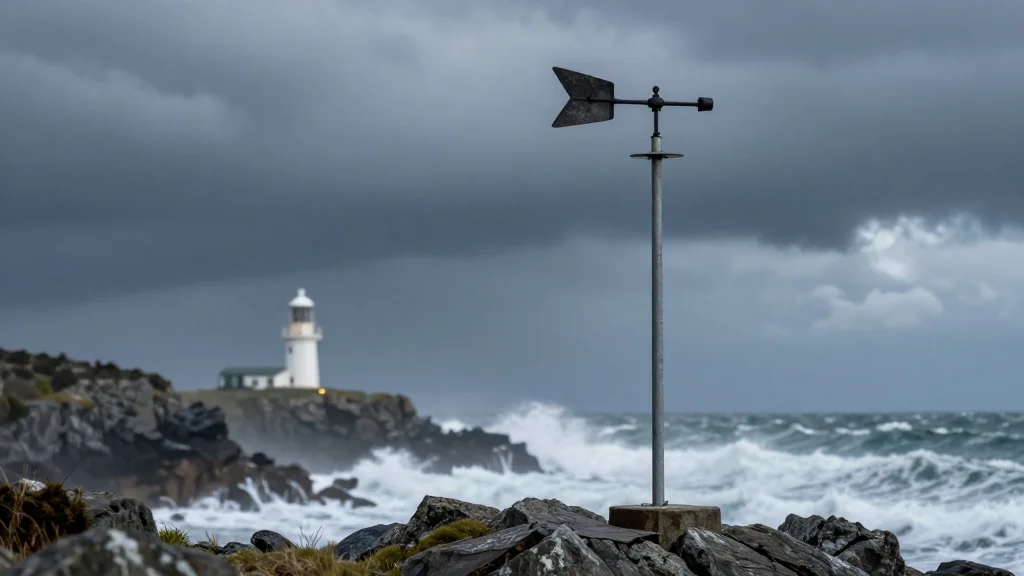
Cyclone Vaianu Triggers Strong Wind Watch and Coastal Evacuations Across New Zealand

Why It Matters
Cyclone Vaianu underscores how climate‑driven storms are reshaping outdoor recreation and coastal living in New Zealand. Boating clubs, surf schools and tourism operators face sudden revenue losses when severe weather forces cancellations, while communities must allocate resources to emergency response and infrastructure repair. The event also illustrates the growing need for robust early‑warning systems and resilient design standards for coastal properties, as extreme weather becomes a regular feature of the outdoor experience. For the broader Outdoors sector, the cyclone serves as a warning that traditional seasonal planning may no longer suffice. Stakeholders must integrate climate risk assessments into business models, invest in real‑time communication tools, and develop contingency strategies to protect both participants and assets from future storms.
Key Takeaways
- •MetService issues a Strong Wind Watch for the entire North Island as Cyclone Vaianu approaches.
- •Boating NZ warns mariners to stay off the water due to 35‑knot gusts and 2.5‑metre swells.
- •Heavy Rain Warnings forecast 60‑80 mm of rain in the Bay of Plenty, with flash‑flood risk inland.
- •Northland resident Anaru Cook prepares his home for the cyclone, citing recent flood trauma.
- •Civil Defence urges residents to clear drains, secure loose objects and stock emergency supplies.
Pulse Analysis
Cyclone Vaianu arrives at a moment when New Zealand's outdoor economy is already under pressure from climate volatility. The immediate impact on boating and coastal tourism is stark: charter operators lose days of revenue, and insurance premiums for marine vessels are likely to rise as loss data accumulates. Historically, New Zealand’s weather patterns have been dominated by temperate systems, but the increasing frequency of tropical cyclones transitioning to extra‑tropical storms signals a shift that could redefine risk models across the sector.
From a policy perspective, the event tests the effectiveness of MetService’s early‑warning protocols and civil defence coordination. John Law’s pre‑emptive Severe Weather Watch suggests a more aggressive stance, yet the need for clearer public messaging remains. Communities like those in Northland are adapting through grassroots preparedness, but the reliance on ad‑hoc measures—such as personal flare guns and makeshift generators—highlights gaps in formal emergency infrastructure.
Looking ahead, outdoor businesses must embed climate resilience into their operational playbooks. This includes diversifying revenue streams beyond weather‑dependent activities, investing in portable shelter solutions for staff and guests, and leveraging digital platforms for rapid communication of safety alerts. For regulators, the cyclone reinforces the urgency of updating building codes for coastal properties and expanding funding for flood mitigation projects. As extreme weather becomes the new baseline, the Outdoors sector’s ability to anticipate, adapt, and invest in resilience will determine its long‑term viability.
Cyclone Vaianu Triggers Strong Wind Watch and Coastal Evacuations Across New Zealand
Comments
Want to join the conversation?
Loading comments...