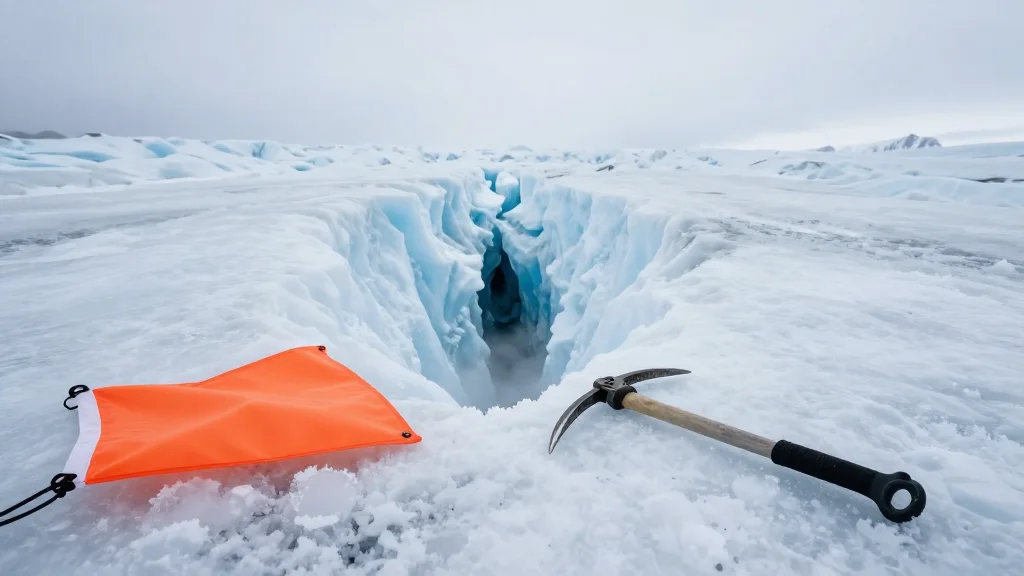
Czech Polar Pioneer Miroslav Jakeš Killed in Svalbard Glacier Accident

Why It Matters
Jakeš’s death spotlights the inherent dangers of extreme solo expeditions, a growing segment of the outdoor adventure market. As climate change reshapes polar terrains, traditional knowledge of safe routes becomes less reliable, increasing the need for advanced monitoring technologies and coordinated rescue frameworks. The incident also serves as a cautionary tale for aging explorers, prompting industry stakeholders to reconsider age‑related risk assessments and to promote collaborative expedition models that can preserve the spirit of discovery while enhancing safety. For the broader outdoors community, the loss underscores the importance of integrating modern safety gear—such as personal locator beacons and satellite messengers—into even the most experienced adventurers’ kits. It may accelerate policy discussions within national polar agencies about mandatory reporting protocols and the establishment of real‑time crevasse mapping services, potentially setting new standards that could be adopted worldwide.
Key Takeaways
- •Miroslav Jakeš, 75, died after falling into a Svalbard glacier crevasse.
- •Rescue teams located his body 20 m deep after a four‑day search.
- •Jakeš was the first Czech to ski to the North Pole in 1993 and completed a solo Greenland crossing.
- •The incident revives debate over solo versus guided polar expeditions.
- •Climate‑induced ice instability is prompting calls for updated safety protocols.
Pulse Analysis
Jakeš’s fatal accident arrives at a crossroads for the extreme‑adventure sector. Historically, solo polar travel has been celebrated as the ultimate test of human endurance, but the modern risk landscape has shifted dramatically. Satellite imagery now reveals that warming Arctic temperatures are accelerating crevasse formation, turning once‑stable routes into hidden death traps. This environmental reality forces a reassessment of the romanticized lone‑wolf narrative that has long dominated polar lore.
From a market perspective, equipment manufacturers are likely to see a surge in demand for next‑generation safety devices—high‑precision GPS beacons, AI‑driven avalanche and crevasse detection tools, and rugged satellite communication units. Companies that can integrate these technologies into user‑friendly packages stand to capture a growing segment of seasoned explorers who are unwilling to abandon solo pursuits but recognize the need for enhanced protection. Simultaneously, insurance providers may tighten underwriting criteria for solo expeditions, potentially raising premiums and incentivizing collaborative ventures.
Looking ahead, the outdoor industry may witness a cultural shift toward hybrid expedition models that blend individual ambition with collective safety nets. International polar bodies could standardize mandatory emergency reporting and real‑time terrain monitoring, creating a framework that balances the allure of solitary discovery with the responsibility to safeguard lives. Jakeš’s legacy, therefore, may be less about his tragic end and more about catalyzing a safer, more technologically integrated era of extreme exploration.
Czech Polar Pioneer Miroslav Jakeš Killed in Svalbard Glacier Accident
Comments
Want to join the conversation?
Loading comments...