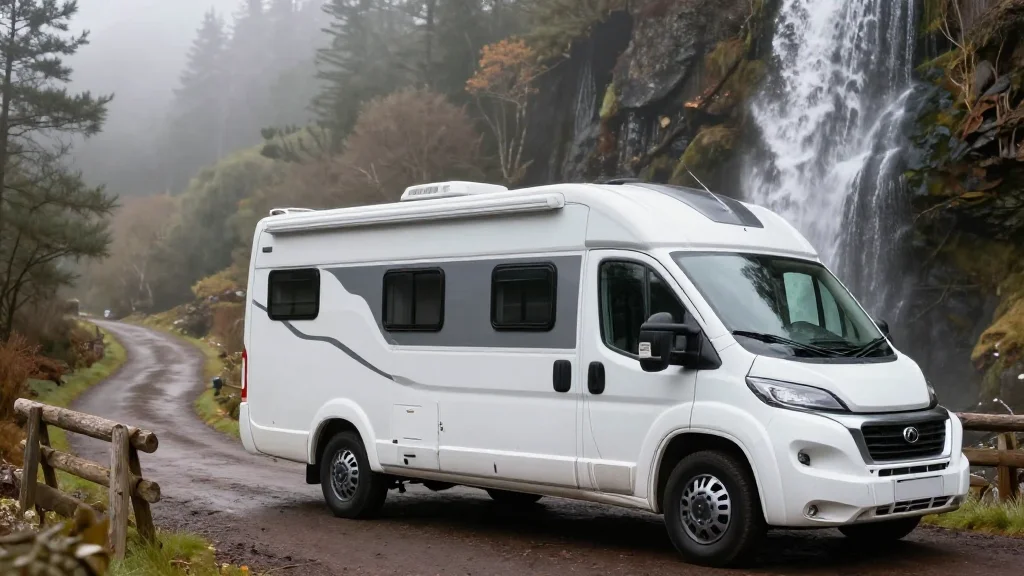
Falls of Falloch to Ban Campervans Over 6 M as Renovations Begin

Why It Matters
The ban reflects a growing tension between outdoor recreation demand and the capacity of fragile natural sites to accommodate large vehicles. As motorhome travel rebounds, land managers across the UK are forced to confront the trade‑off between accessibility and preservation. The Falls of Falloch case could set a precedent for other parks, influencing policy decisions on vehicle size limits, parking infrastructure, and visitor education. If the restrictions prove effective, they may encourage a shift toward more sustainable travel modes, such as smaller campervans, public transport, or day‑trip hiking. Conversely, a backlash from the motorhome community could pressure authorities to seek alternative crowd‑management tools, like reservation systems or timed entry, reshaping how outdoor destinations balance tourism revenue with ecological stewardship.
Key Takeaways
- •National Park Authority bans campervans and motorhomes over six metres at Falls of Falloch.
- •12‑week refurbishment includes a dedicated turning area and redesigned parking bays.
- •Restrictions aim to address safety concerns and reduce visitor overcrowding.
- •Local businesses reliant on motorhome tourism may see short‑term revenue impacts.
- •Policy could influence vehicle size regulations at other high‑traffic natural sites.
Pulse Analysis
The Falls of Falloch decision underscores a broader shift in outdoor recreation governance, where capacity constraints are prompting stricter access controls. Historically, Scotland’s national parks have embraced motorhome tourism as a revenue stream, but the post‑COVID surge in visitor numbers has strained infrastructure and ecosystems. By targeting vehicles longer than six metres, the authority is using a clear, enforceable metric that aligns with the physical limitations of the site’s parking and road network.
From a market perspective, the ban may accelerate diversification within the outdoor travel sector. Companies that offer compact, lightweight camper solutions could see heightened demand, while traditional motorhome rental firms might need to adapt their fleets or develop partnership models with nearby campsites that can accommodate larger rigs. Moreover, the policy highlights the importance of data‑driven visitor management; real‑time monitoring of footfall and vehicle types could become a standard practice for park authorities seeking to balance economic benefits with conservation goals.
Looking ahead, the success of the Falls of Falloch restrictions will likely be measured by visitor satisfaction surveys, environmental impact assessments, and economic indicators for surrounding communities. If the upgrades deliver a smoother, safer experience without a significant drop in overall visitation, other parks may adopt similar size caps or even more nuanced measures, such as dynamic pricing for parking spaces. The move signals that outdoor recreation is entering an era where sustainable capacity management will be as critical as the allure of the landscapes themselves.
Falls of Falloch to Ban Campervans Over 6 m as Renovations Begin
Comments
Want to join the conversation?
Loading comments...