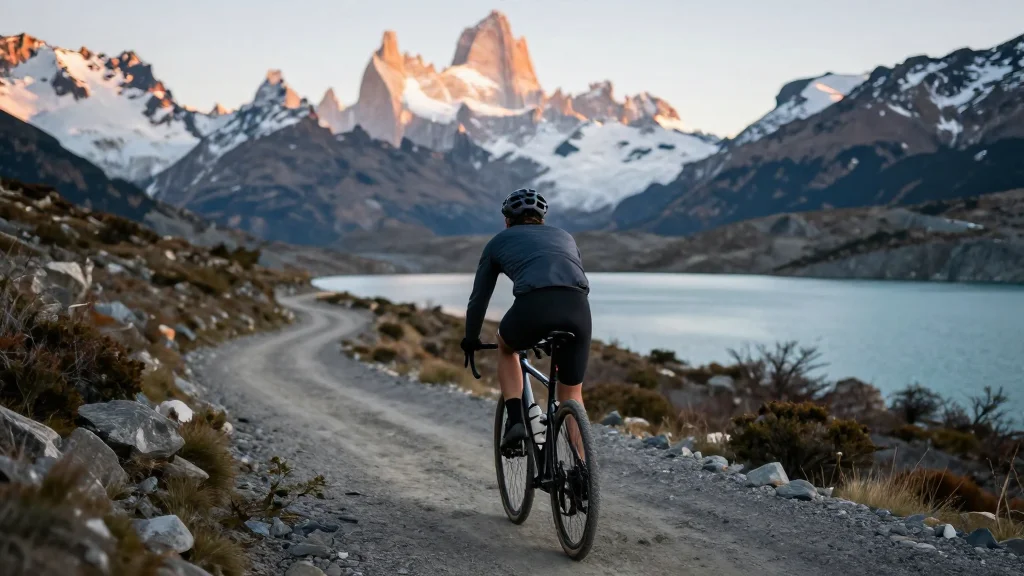
Final Frontier Patagonia Bike Challenge Launches First Edition Across Chile-Argentina

Why It Matters
The Final Frontier Patagonia signals a shift toward adventure tourism that prioritizes self‑reliance and environmental stewardship, offering a template for other remote regions seeking to attract high‑value visitors without overburdening local infrastructure. By spotlighting Patagonia’s diverse landscapes, the event could accelerate investment in trail maintenance, ferry services and eco‑friendly accommodations, strengthening the economic resilience of small towns along the route. Moreover, the race underscores a growing appetite among elite endurance athletes for experiences that blend physical challenge with cultural immersion, a trend that could reshape how outdoor events are marketed and organized worldwide. For the broader outdoors industry, the challenge demonstrates that ultra‑distance formats can be adapted to emphasize minimal impact, potentially influencing race organizers, gear manufacturers and tourism boards to develop products and policies that support low‑footprint adventures. As climate change intensifies scrutiny on outdoor recreation’s ecological footprint, events like this may become benchmarks for responsible growth in the sector.
Key Takeaways
- •Over 100 cyclists from 20+ countries start the inaugural Final Frontier Patagonia.
- •The self‑supported route runs from Puerto Montt, Chile, to Ushuaia, Argentina.
- •No external assistance; riders manage gear, food and repairs themselves.
- •Organizers aim to boost Patagonia’s profile as a premier adventure‑tourism destination.
- •Event expected to generate economic benefits for small towns along the route.
Pulse Analysis
The launch of the Final Frontier Patagonia arrives at a moment when the outdoor industry is grappling with the dual pressures of consumer demand for extreme experiences and the need for sustainability. Historically, ultra‑distance events have relied on extensive support crews, which can strain local ecosystems and inflate logistical costs. By stripping away that support, Austral Trails is testing a new paradigm that could lower barriers to entry for both participants and host communities. If successful, this model may inspire a wave of minimalist races that prioritize environmental stewardship while still delivering the thrill seekers crave.
From a market perspective, Patagonia’s brand equity as a rugged, pristine wilderness is a powerful draw. The race leverages that cachet, positioning the region alongside iconic endurance venues like the Tour de France Alps or the TransAmerica Trail. However, the challenge also exposes logistical complexities—such as ferry coordination and remote resupply—that could limit scalability. Future editions will need to balance the allure of isolation with the practicalities of safety and participant support, perhaps through partnerships with local governments and NGOs.
Looking forward, the event’s impact will be measured not just by finishers but by the downstream effects on tourism infrastructure, community engagement and conservation outcomes. Should the inaugural race demonstrate tangible economic uplift for towns like Puerto Montt and Ushuaia, it could catalyze a broader shift toward low‑impact, high‑value outdoor tourism across other remote regions. The industry will be watching closely to see whether this minimalist approach can sustain growth without compromising the very environments that make such adventures possible.
Final Frontier Patagonia Bike Challenge Launches First Edition Across Chile-Argentina
Comments
Want to join the conversation?
Loading comments...