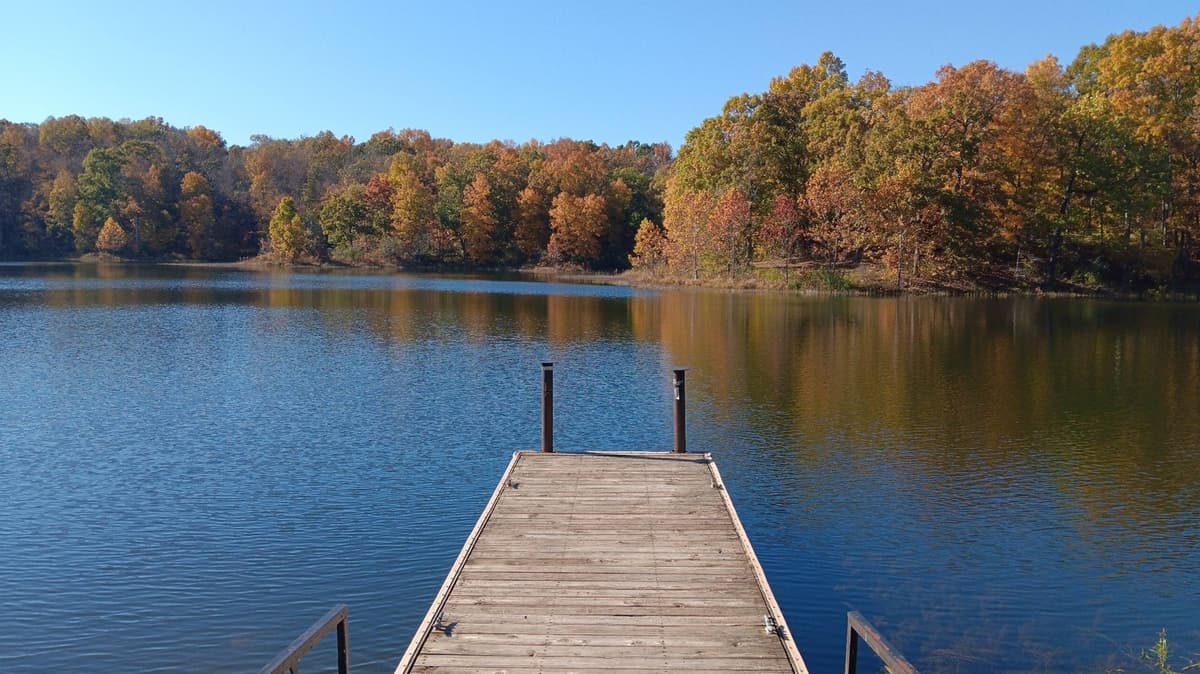
Illinois' Deepest Inland Lake Is A Midwest Gem For Scenic Trails And Kayaking
Why It Matters
The lake’s unique depth and protected setting boost regional outdoor tourism while reinforcing conservation priorities, generating economic activity for nearby communities.
Key Takeaways
- •Devil's Kitchen Lake reaches 90 ft depth, Illinois' deepest inland lake
- •Lake spans 810 acres with rocky bluffs, clear water for kayaking
- •Motor limit 10 hp; gas engines banned in southeast sector
- •Seasonal campground closed 2026 for repairs; primitive sites available
- •Panther Den Loop offers 3‑mile hike with 300‑ft elevation gain
Pulse Analysis
Devil's Kitchen Lake may be a hidden gem, but its 90‑foot depth makes it the deepest inland water body in Illinois, a distinction that sets it apart from larger but shallower lakes like Carlyle. Constructed in the late 1950s when Grassy Creek was dammed, the 810‑acre reservoir sits in a deep valley of the Crab Orchard National Wildlife Refuge, a 40,000‑acre mosaic of wetlands, prairies, and forests. Its dramatic rocky bluffs and crystal‑clear water attract paddlers seeking a remote alternative to crowded urban waterways, while the refuge’s strict motor limits preserve the lake’s tranquil character.
Recreation at Devil's Kitchen is diverse yet carefully managed. Non‑motorized kayakers and canoeists enjoy multiple launch points, but must navigate a “minefield” of submerged tree stumps left from the original dam construction, a hazard underscored by U.S. Fish & Wildlife Service warnings. A modest $1.50 daily entry fee funds maintenance, and a 10‑horsepower motor cap—plus a ban on gas‑powered engines in the southeast—keeps noise and pollution low. The seasonal primitive campground, slated for repairs in 2026, offers a back‑country experience, while nearby Devil's Kitchen Cabins and Carbondale hotels such as Home2 Suites and Holiday Inn provide comfortable lodging for longer stays, feeding the local hospitality sector.
Beyond water sports, the lake’s surrounding trails—Panther Den Loop, Grassy Creek Trail, and Rocky Bluff Trail—deliver varied hiking experiences, from moderate elevation gains to rugged rock formations and seasonal waterfalls. These paths weave through the refuge’s extensive habitats, supporting wildlife observation and conservation education. As outdoor tourism rebounds post‑pandemic, Devil's Kitchen Lake stands poised to attract a growing segment of eco‑focused travelers, bolstering regional economies while reinforcing the importance of preserving natural assets for future generations.
Illinois' Deepest Inland Lake Is A Midwest Gem For Scenic Trails And Kayaking
Comments
Want to join the conversation?
Loading comments...