South Carolina Soft-Launches Black River State Park, First Linear Riverine Park

Companies Mentioned
Why It Matters
Black River State Park represents a new paradigm for state‑level outdoor recreation, blending extensive river access with a strong conservation mandate. By protecting a continuous stretch of black‑water habitat, the park safeguards species that are declining across the Southeast, while simultaneously providing a high‑quality outdoor experience that can attract tourists and stimulate local economies. The linear park model could inspire other states to prioritize river corridors as multi‑use assets, balancing ecological health with public enjoyment. The park’s development also signals a shift in how state agencies allocate resources. Rather than focusing on isolated, compact parks, South Carolina is investing in a networked approach that leverages natural waterways to connect communities, promote active lifestyles, and create resilient ecosystems. This strategy may influence future funding decisions at both the state and federal levels, especially as outdoor recreation continues to grow post‑pandemic.
Key Takeaways
- •Soft launch of Black River State Park on April 2, 2026, with the Meadows section open to the public
- •First linear river park in South Carolina, planned to span 70 miles of the Black River
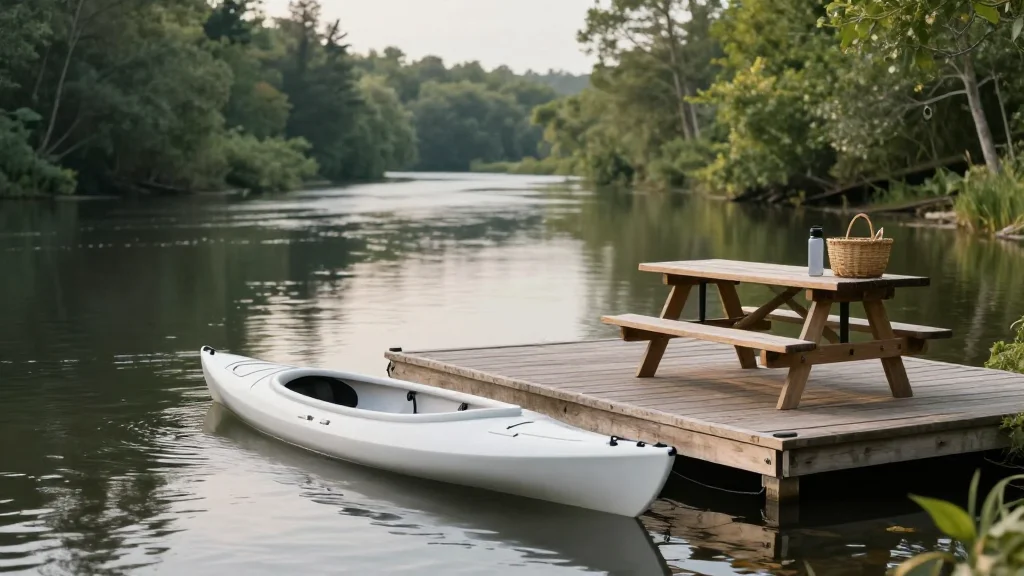
- •Provides kayak and canoe launches, a half‑mile nature trail, picnic pavilion and future campgrounds
- •Protects habitat for rare species such as red‑cockaded woodpeckers, flat‑woods salamanders and swallow‑tailed kites
- •Expected to boost tourism and create jobs in rural Williamsburg County while serving as a conservation model
Pulse Analysis
The launch of Black River State Park arrives at a moment when outdoor recreation demand is at an all‑time high. After the pandemic surge, Americans are seeking more nature‑based experiences, and state parks are the primary gateway. By creating a linear park that threads through a largely undeveloped river corridor, South Carolina is positioning itself to capture a share of this market while addressing long‑standing conservation gaps. The park’s design—emphasizing low‑impact access points and preserving extensive riparian buffers—reflects lessons learned from over‑crowded traditional parks, where visitor pressure can degrade ecosystems.
Historically, linear parks have been successful in the Northeast, where the Delaware Canal State Park has become a regional draw. Replicating that model in the Southeast presents both opportunities and challenges. The Black River’s black‑water characteristics demand specialized management to maintain water quality, and the presence of endangered species adds regulatory complexity. However, the partnership with organizations like the Open Space Institute brings expertise in land acquisition and habitat restoration, increasing the likelihood of a balanced outcome.
Looking ahead, the park’s phased rollout offers a testing ground for adaptive management. If the early sections demonstrate that high visitor use can coexist with robust wildlife populations, the model could be scaled to other river systems across the South. Conversely, any missteps—such as insufficient funding for maintenance or inadequate community outreach—could stall momentum and serve as a cautionary tale. For investors and policymakers, Black River State Park is a bellwether for how public‑private collaborations can deliver multifunctional green infrastructure that supports both economic development and biodiversity conservation.
South Carolina Soft-Launches Black River State Park, First Linear Riverine Park
Comments
Want to join the conversation?
Loading comments...