
Elmet Technologies Lands Defense Award to Scale Molybdenum Manufacturing
Elmet Technologies, a Maine‑based subsidiary of The Elmet Group, secured a $4.3 million award from the U.S. Department of War to scale its molybdenum and tungsten manufacturing for defense use. The funding will finance upgrades in precision machining, automation, and additive manufacturing to boost throughput and component performance. Elmet positions itself as the only fully U.S.-owned, vertically integrated producer of these refractory metals, aiming to reduce reliance on foreign sources. The award is part of a broader federal effort to rebuild domestic critical‑materials capacity for interceptor and hypersonic programs.

IperionX Titan Project Models $813M NPV for Titanium Supply
IperionX released a Definitive Feasibility Study for its Titan project in west Tennessee, forecasting a post‑tax net present value of $813 million, a 39.4% internal rate of return, and a 3.63‑year payback over a 14‑year mine life. The mine will produce...

Luyten’s New Tower Crane-Mounted 3D Printer: Technical Specifications and Pricing
Luyten 3D has unveiled the ASCEND A27, the world’s first tower‑crane‑mounted concrete 3D printer capable of building structures up to 100 m tall. The system replaces traditional gantry frames with a crane base that offers a 45 m working radius, allowing a single installation...

XJet Names 3D-Werk Black Forest as VAR, Opening a New Route Into German Manufacturing
Israeli additive‑manufacturing firm XJet has signed a Value‑Added Reseller agreement with 3D‑Werk Black Forest GmbH, making the German company the primary gateway for local manufacturers to adopt XJet’s NanoParticle Jetting (NPJ) technology. The partnership goes beyond simple distribution, as 3D‑Werk...
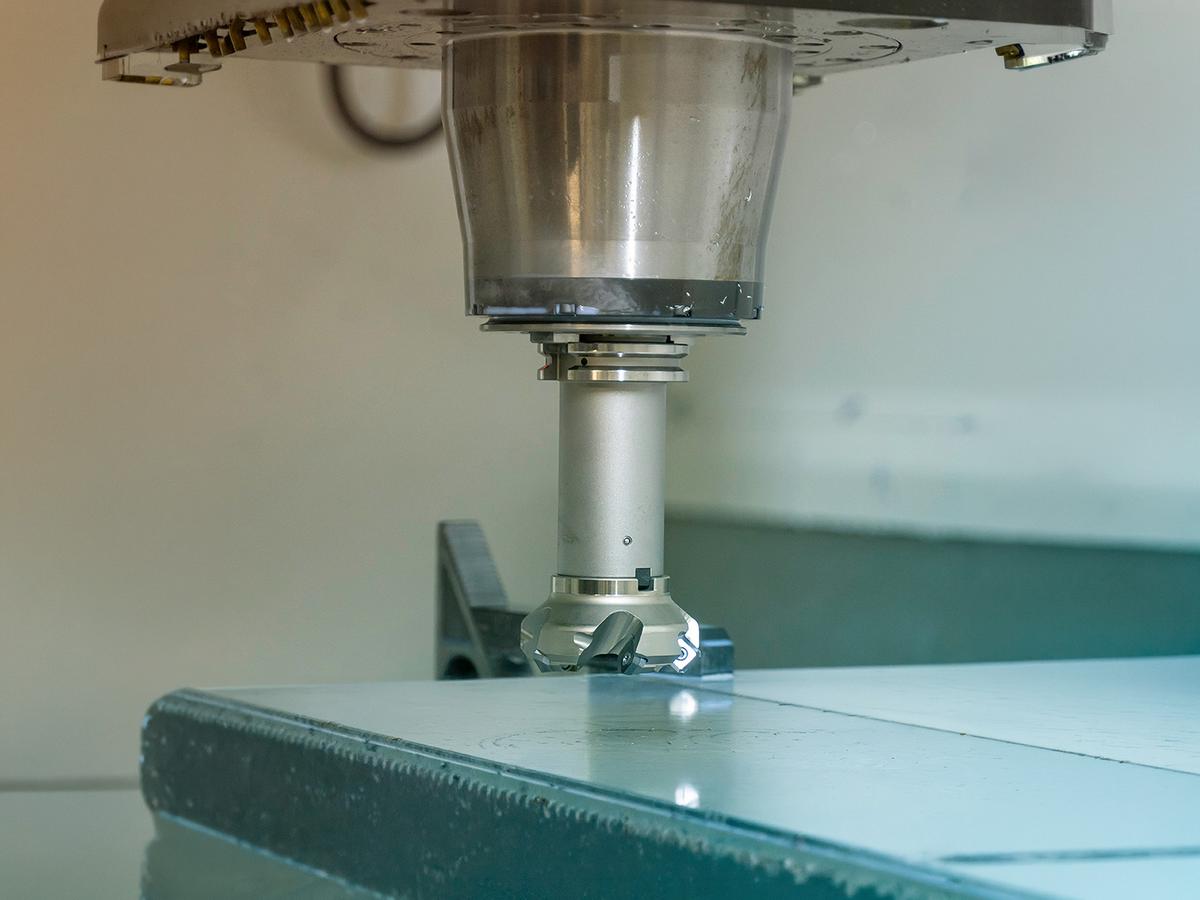
Caracol and Eligio Re Fraschini Validate WAAM for Aerospace Tooling with 50% Weight Reduction
Caracol and Italian tooling specialist Eligio Re Fraschini completed a co‑funded pilot that used Caracol’s Vipra XP wire‑arc additive manufacturing (WAAM) system to produce a 110 kg stainless‑steel spar tool in 30 hours. The WAAM‑built component achieved a 50 % weight reduction compared with a...
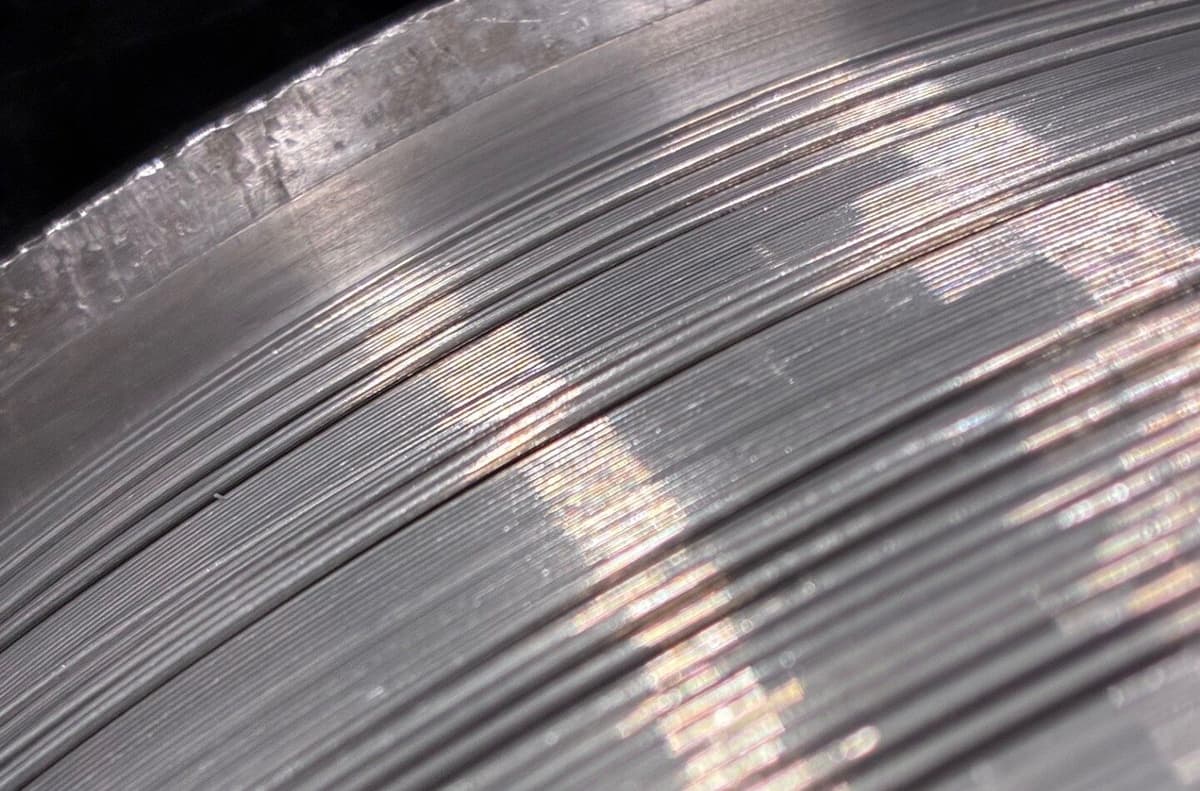
Scandium Canada Partners with University of Waterloo to Advance Aluminum-Scandium Alloys for 3D Printing
Scandium Canada has signed a mutual non‑disclosure agreement with the University of Waterloo to launch a joint research program on aluminum‑scandium alloys for laser powder‑bed fusion (L‑PBF) additive manufacturing. The effort leverages Waterloo’s Multi‑Scale Additive Manufacturing Laboratory, equipped with over...

DMFS Wins First Defense Parts Contract Under DLA’s JAMA IV
DMG MORI Federal Services (DMFS) has been selected for the U.S. Defense Logistics Agency’s Joint Additive Manufacturing Accelerator (JAMA) IV Pilot Parts Program, marking its first contract focused on additive‑manufacturing parts. The performance period began Feb. 25, 2026, and DMFS will supply parts using...
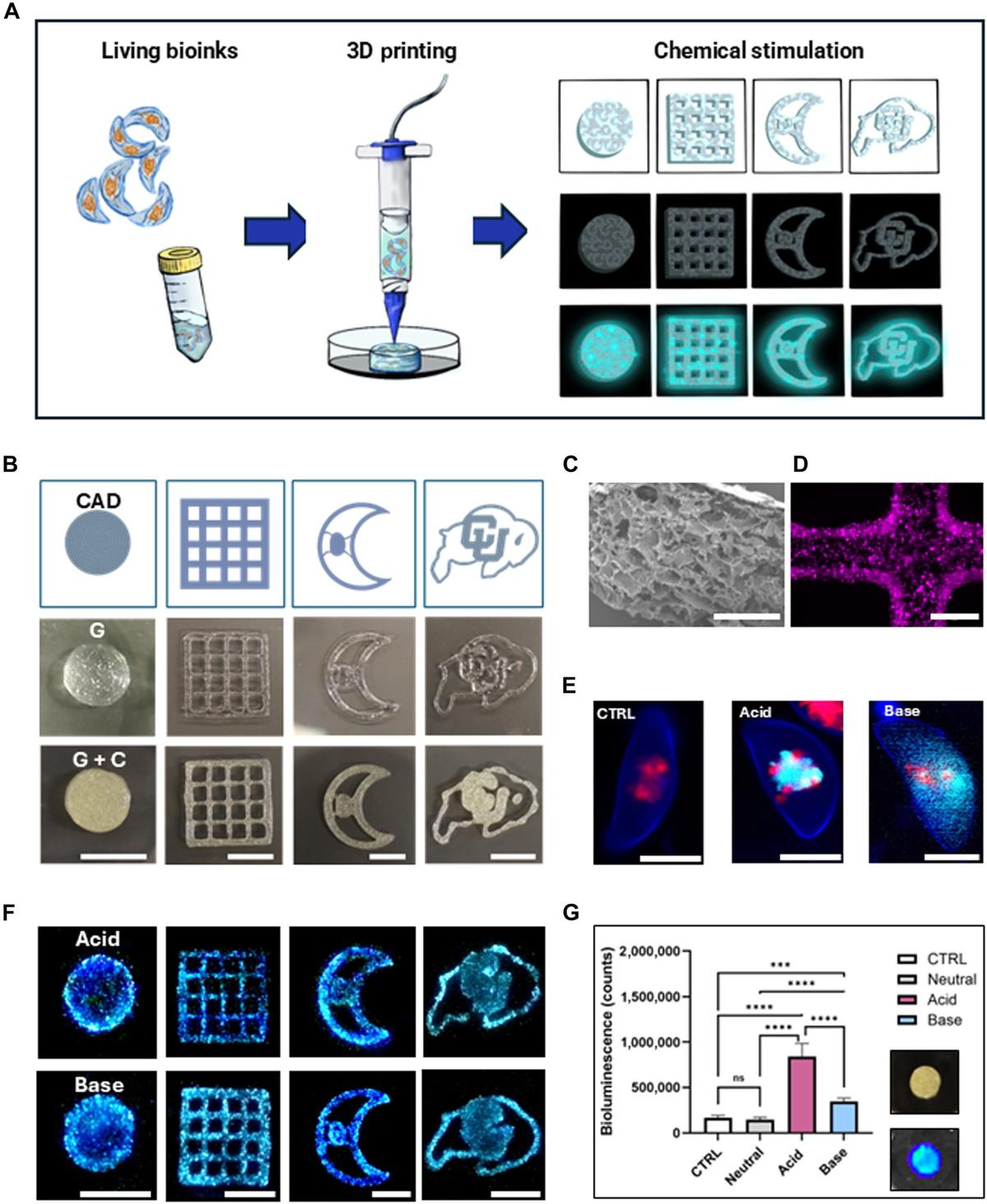
New Bioluminescent Materials Sustain Light Across 4 Weekly Cycles
Researchers at the University of Colorado Boulder have created living, light‑emitting materials by embedding the bioluminescent dinoflagellate Pyrocystis lunula in 3D‑printed alginate scaffolds and activating it chemically. By alternating acidic (pH 4) and basic (pH 10) treatments, the constructs sustained bioluminescence for...

Unique Artificial Neurons Trigger Neural Activity in Living Cells
Northwestern University researchers have created printable artificial neurons using molybdenum disulfide and graphene inks that can elicit genuine neural activity in living mouse cerebellum slices. By deliberately retaining a thin polymer residue during aerosol‑jet 3D printing, they form a conductive...

Harvard 3D Prints Filaments That Bend and Contract Like Biological Muscle
Harvard’s John A. Paulson School of Engineering unveiled a rotational multimaterial 3D‑printing process that fuses a liquid‑crystal elastomer with a passive elastomer into hair‑thin filaments. By rotating the nozzle, the team programs molecular alignment so each filament bends, twists, expands...

NMIS Engineers Demonstrate Manufacturing Pathway for Copper Rocket Nozzles
Engineers at Scotland’s National Manufacturing Institute (NMIS) have proved a high‑pressure cold spray (HPCS) process can build copper rocket nozzles in a solid‑state workflow. The technique deposits up to 10 kg of copper per hour, cutting production cycles from months to...

AMA: Healthcare: When the Simulator Becomes the Teacher: How 3D Printing Is Redefining Surgical Training
The AMA Healthcare 2026 conference will spotlight 3D‑printed surgical simulators, highlighted by Otosurg—a multi‑material ear‑surgery training model developed by a French team from M3DPrint, PRIM3D and AP‑HP. Otosurg tackles the variability gap in surgical education by offering customizable, repeatable cases for both...
AMA: Healthcare: Redefining Preclinical Testing: New Biofabrication Approach at Newcastle University
Newcastle University’s researchers unveiled the Reactive Jet Impingement (ReJI) bioprinting platform, which creates high‑density, cell‑laden 3D tissue constructs for preclinical drug testing. The cardiac model, printed with five million cells ml⁻¹, sustained spontaneous beating for 21 days and responded predictably to pro‑ and...
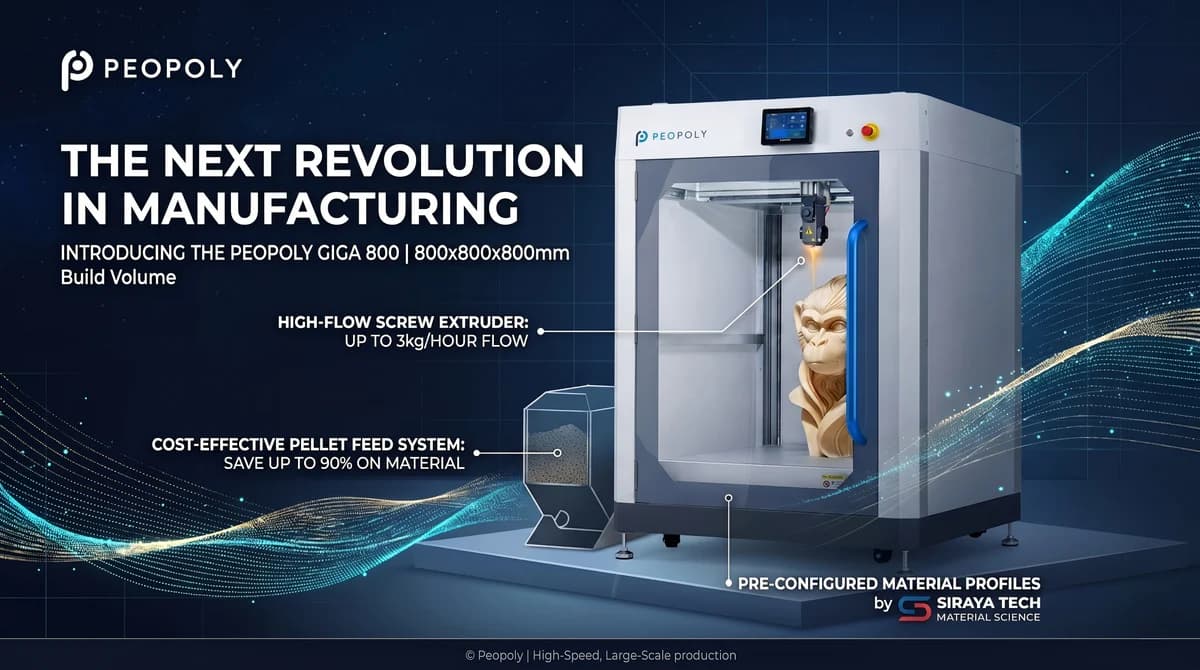
Peopoly Introduces GIGA 800 Pellet 3D Printer
Peopoly has launched the GIGA 800 FGF printer, a large‑format pellet‑extrusion system aimed at industrial tooling, automotive fixtures, and architectural design. The machine offers an 800 × 800 × 800 mm build volume and starts at $15,000 USD (EXW). It runs on open‑source Klipper firmware, integrates Orca Slicer profiles,...
AMA: Healthcare GenMat: Generative Design for Patient-Specific Orthopedic Implants
GenMat’s Ossevo platform introduces a bio‑inspired design workflow that mimics bone’s natural remodeling to create patient‑specific orthopedic implants. By using a hybrid cellular automata algorithm, the system generates graded lattice structures whose geometry varies with local mechanical stimulus, aiming to...