
Creating The Perfect Portfolio
The article challenges the conventional wisdom that young investors should hold aggressive stock‑heavy portfolios while retirees stay conservative. It argues that time and human capital give youths a natural edge for equity exposure, whereas retirees must protect finite financial assets with bonds. By highlighting historic S&P 500 drawdowns and the psychological cost of volatility, the piece stresses that asset allocation must balance quantitative goals with personal risk tolerance. Ultimately, the "perfect" portfolio is one that aligns with an investor’s emotional comfort as well as their financial horizon.
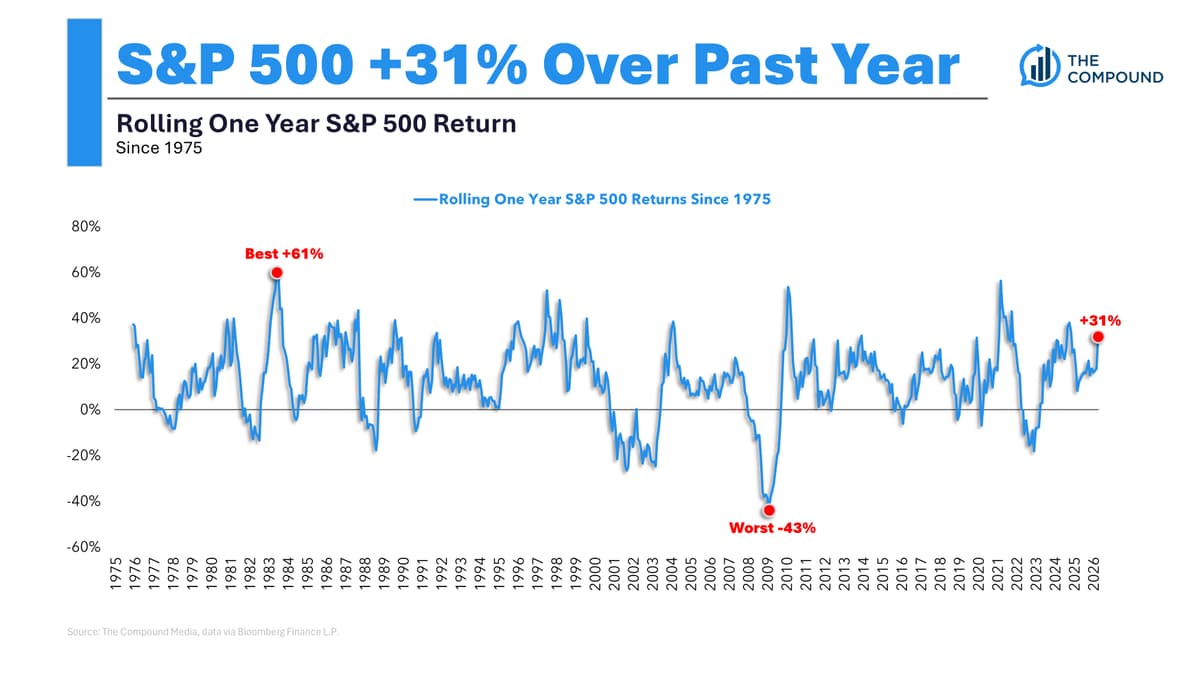
50 Years of Stock Market Returns
The S&P 500 posted a 31% gain over the past 12 months, placing that return in the 88th percentile of rolling one‑year performances since 1975. The best 12‑month surge was 61% in the early 1980s, while the worst was a 43%...
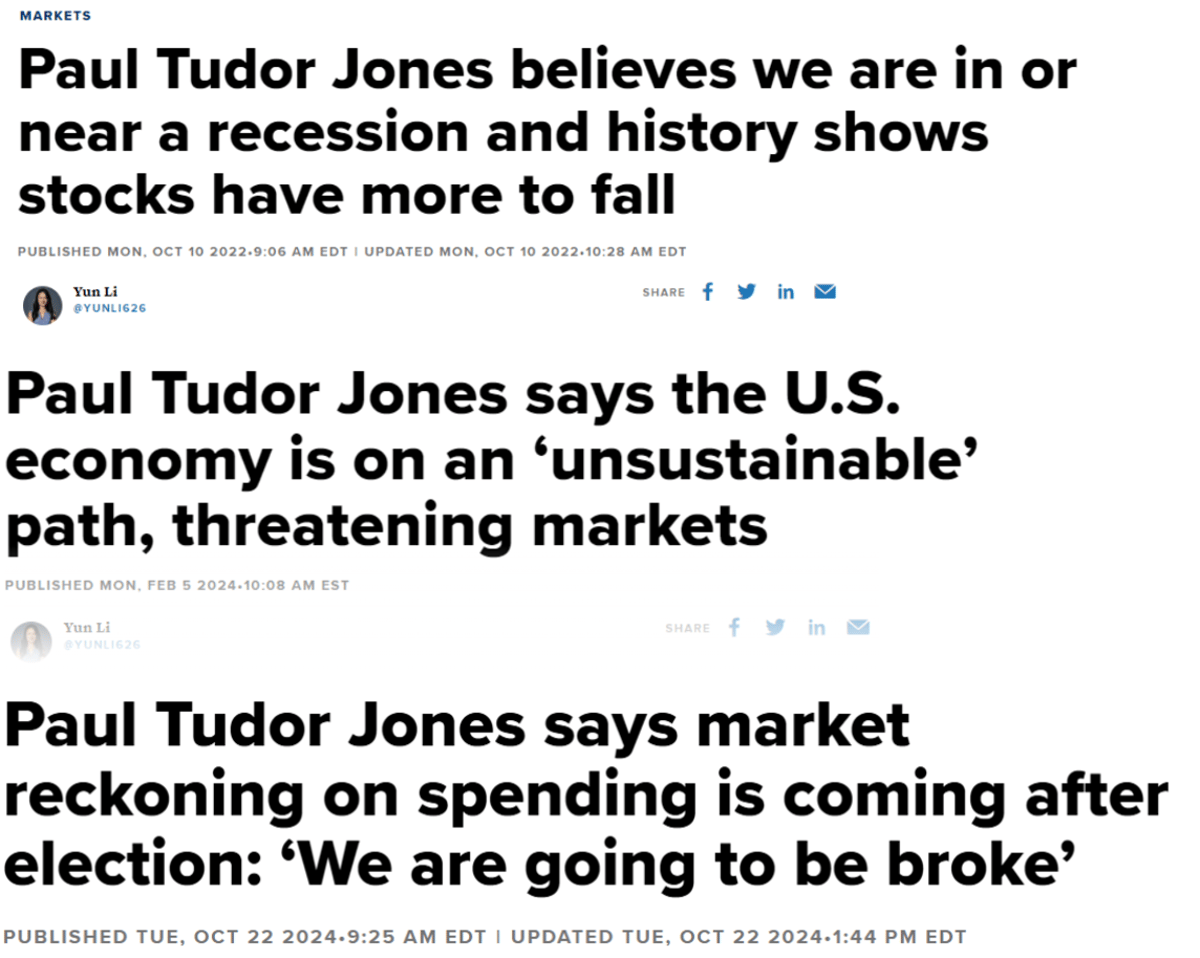
Why Are Hedge Fund Managers Always Bearish?
Hedge‑fund legends such as Ray Dalio and Paul Tudor Jones routinely issue bearish market calls, warning of overvaluation and potential crises. Their forecasts stem from a trader‑centric mindset that emphasizes risk control and short‑term alpha rather than long‑term buy‑and‑hold investing. Despite...
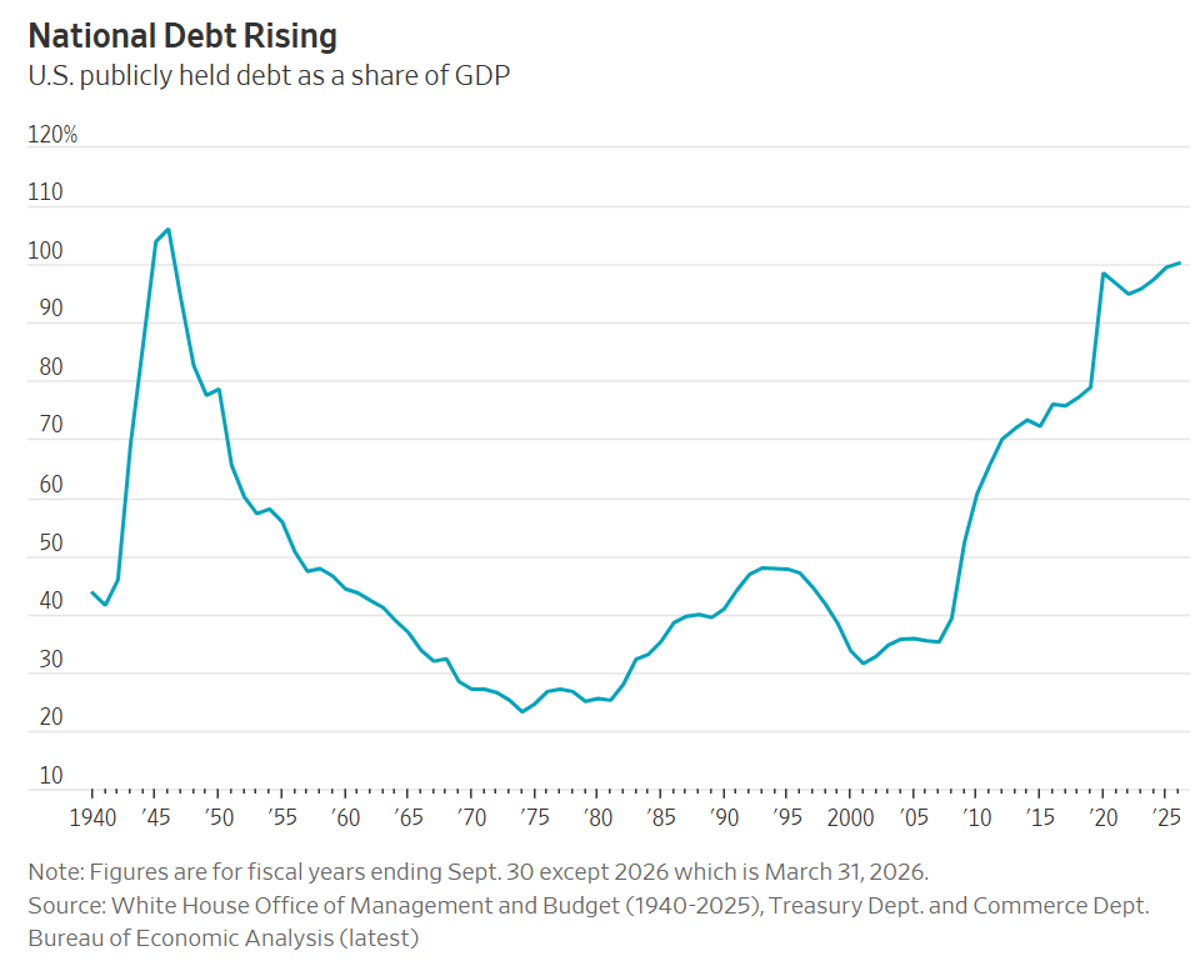
A Government Debt Crisis?
The United States now carries roughly $40 trillion in publicly held debt, pushing the debt‑to‑GDP ratio to about 100 % for the first time since World War II. While past alarmists predicted a fiscal collapse, the debt has continued to rise without triggering...

Some Things I’ve Learned Lately
Ben Carlson announced the upcoming release of his new book, "Risk & Reward," available in paperback, Kindle, and audiobook formats. He chose to narrate the audiobook himself after a studio session, citing the ability to convey the right inflections. The...

Talk Your Book: Animal Spirits Live with F/M Investments
F/m’s new Compounder ETF series targets after‑tax investors by deferring income, cutting dividend tax drag, and offering higher after‑tax yields. The firm highlights hidden costs in traditional dividend reinvestment programs, advocating market‑order purchases to preserve returns. It contrasts the liquidity...
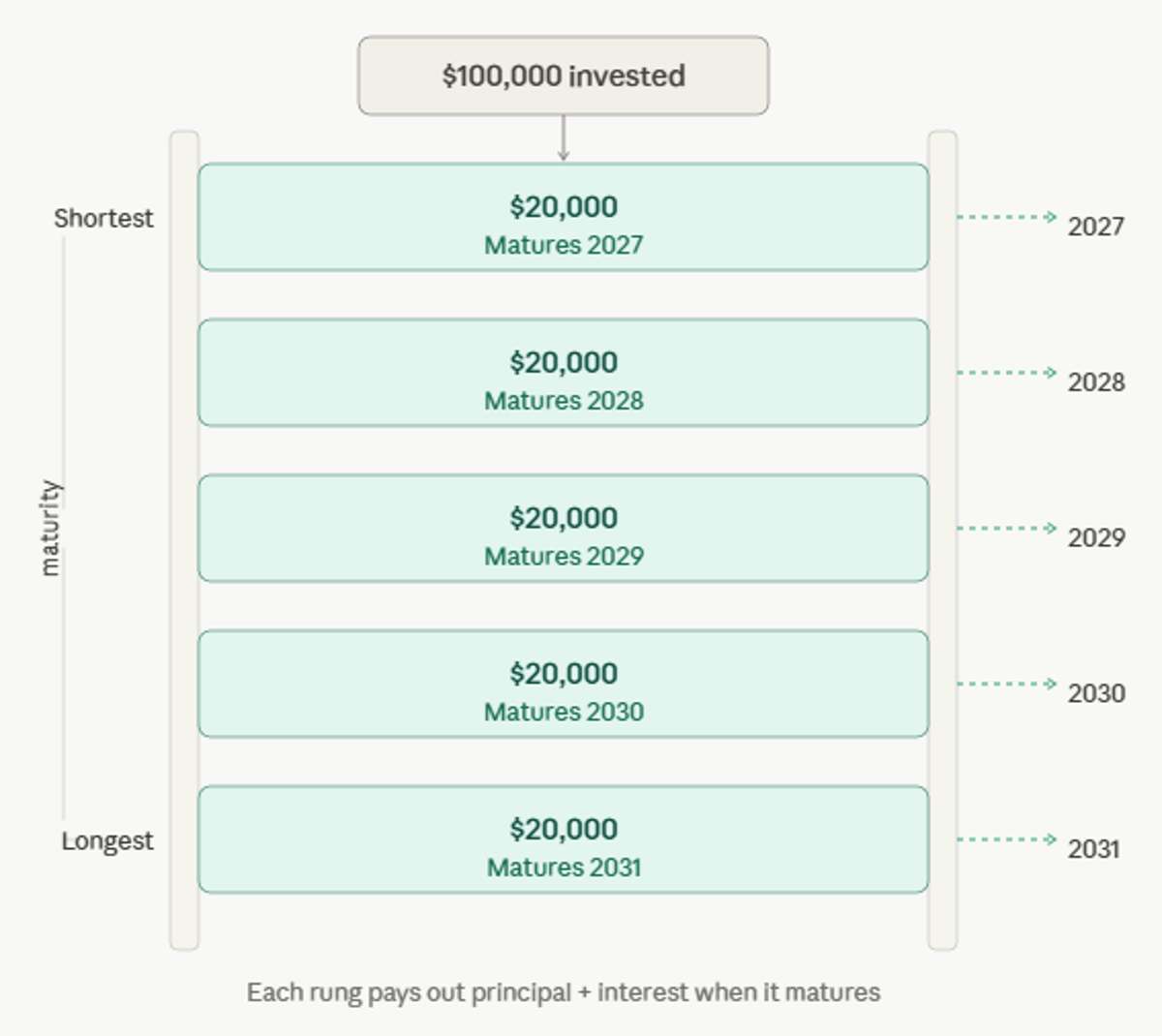
How Does a Bond Ladder Work?
iShares, a BlackRock brand, now offers an interactive tool that lets investors assemble a bond ladder using target‑maturity ETFs from providers such as Invesco, Vanguard and State Street. By allocating capital across funds that mature in successive years, investors can...
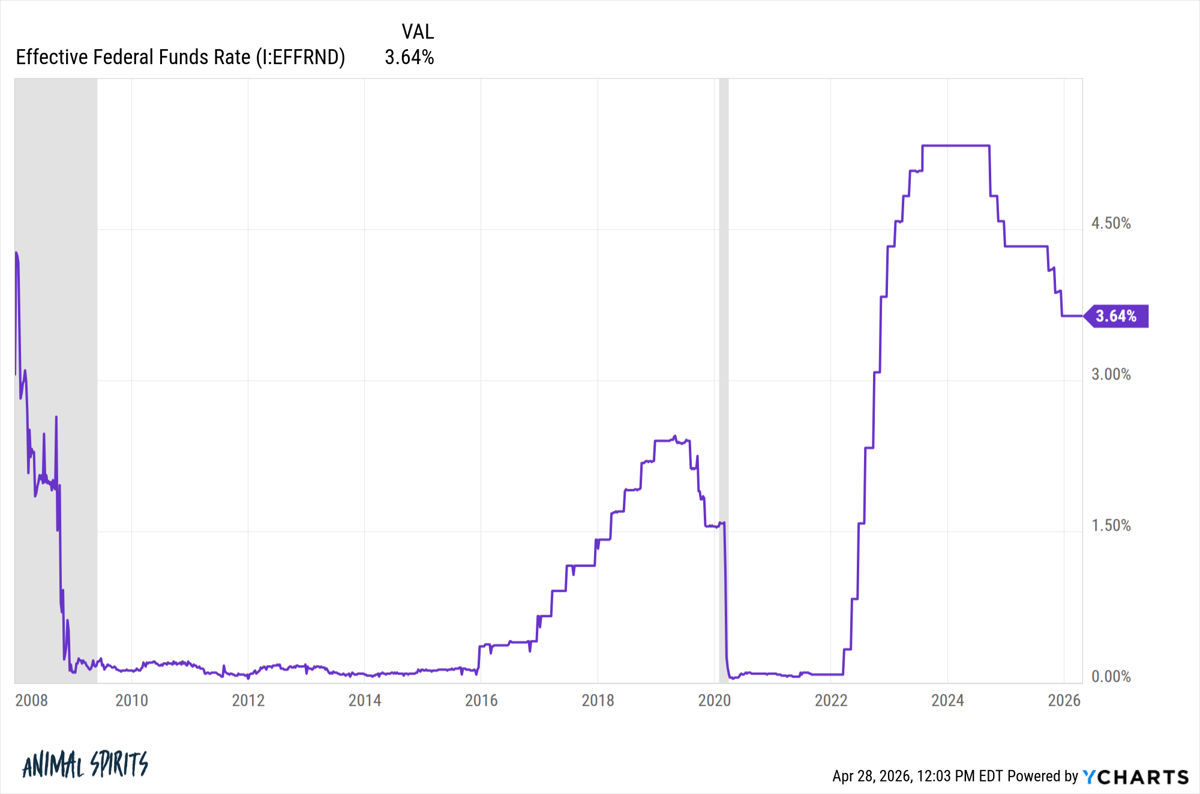
The Financial Crisis That Didn’t Happen
The Federal Reserve kept policy rates at 0% for roughly eight to nine years after the 2008 crisis, using quantitative easing to stabilize banks. Despite widespread fears, this ultra‑low‑rate environment did not spark a new financial crisis or hyperinflation. Inflation...
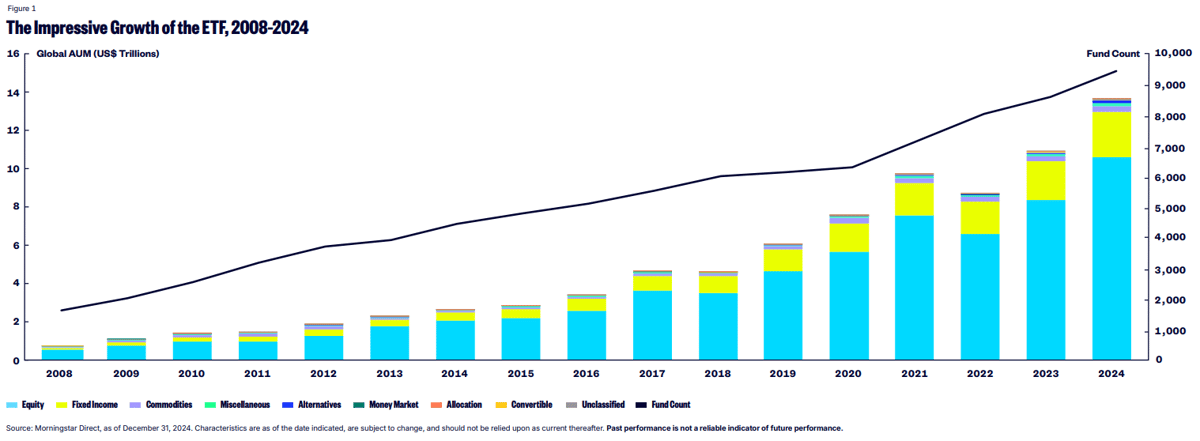
Talk Your Book: Consternation About Concentration
The podcast, sponsored by State Street, examines the explosive expansion of the ETF market, noting that global assets under management have surpassed $12 trillion. It highlights a portfolio rotation from the Mag‑7 mega‑caps toward small‑cap, industrial and international equities, driven by...
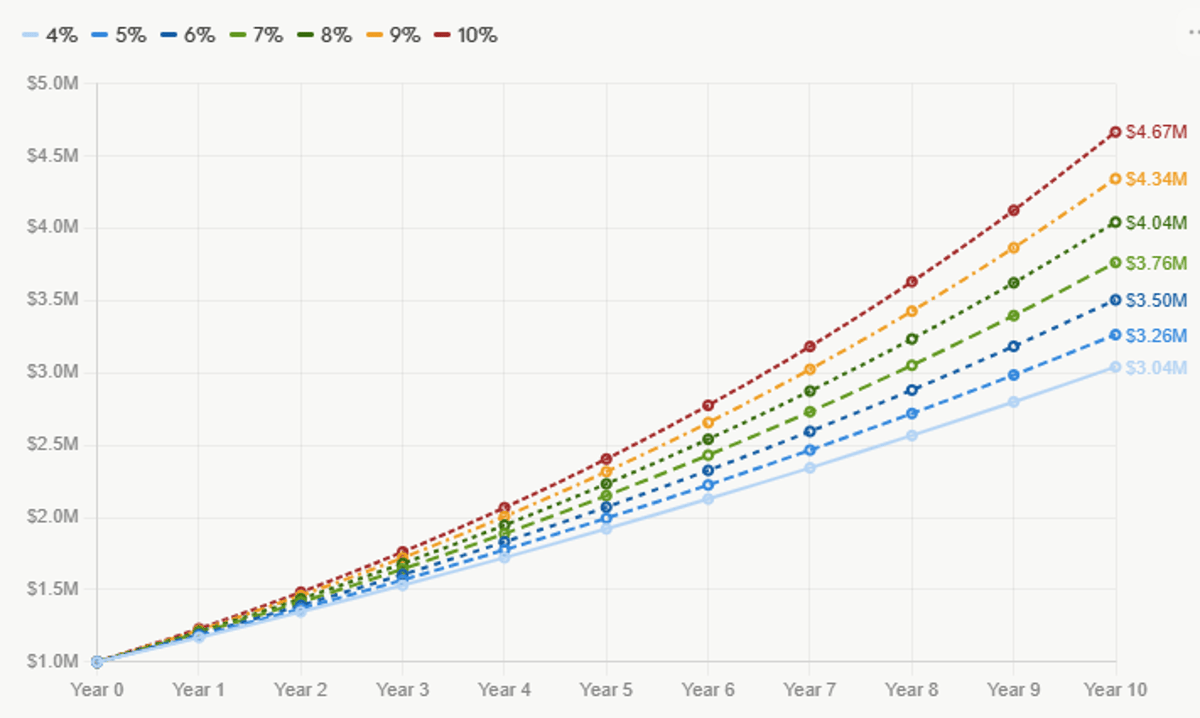
How Do You Retire at 55?
A 45‑year‑old earning $300,000 annually has $1 million saved and contributes $130,000 each year, aiming to retire at 55. Using the 4 % rule, a $3.5 million portfolio would cover the current $12,000‑per‑month lifestyle, and a 10‑year projection shows that target is reachable...
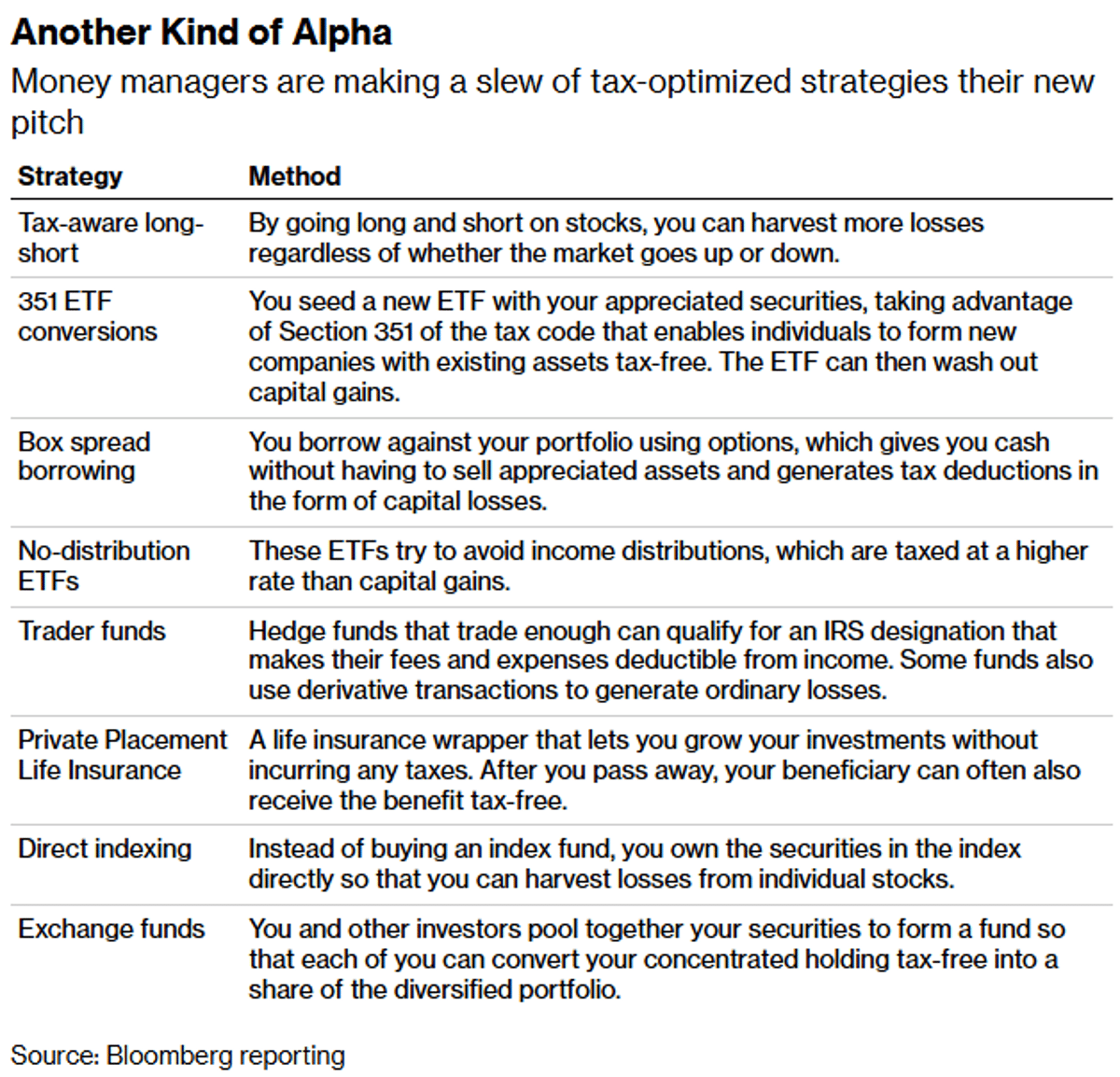
Tax Alpha
Over the past two decades wealth managers have moved from product‑centric sales to holistic, goals‑based advice, and most have abandoned the pursuit of pure market alpha. Indexing now dominates fund flows, with active mutual funds seeing sustained outflows while index...

How Are Consumers Still Spending So Much?
U.S. consumer spending remains robust despite higher inflation, gas price spikes and a softer labor market, with retail sales climbing to $638 billion in April 2026. Household balance sheets have shifted dramatically: consumer debt rose to $18.8 trillion, yet total assets surged to...

Tops and Bottoms
The article compares S&P 500 total returns from the lows and highs of the last five major bear markets. Bottom‑of‑cycle gains range from 41% after the Liberation Day sell‑off to a staggering 1,292% since the 2009 financial crisis low. Even the...

The Longest Economic Boom Ever?
The United States has kept its unemployment rate below 5% for 125 straight months since the fall of 2015, eclipsing the previous record set between 1965 and 1970. The author argues that the pandemic‑driven recovery was not a typical credit...

Talk Your Book: Income and Momentum
The latest Compound Media podcast examined two distinct income‑focused strategies. Motley Fool Asset Management explained its rules‑based momentum approach, using the MFMO ETF to layer momentum on a high‑quality stock universe while managing turnover and downside risk. Eaton Vance discussed...