Cancer Immunotherapy Works Better Earlier in the Day
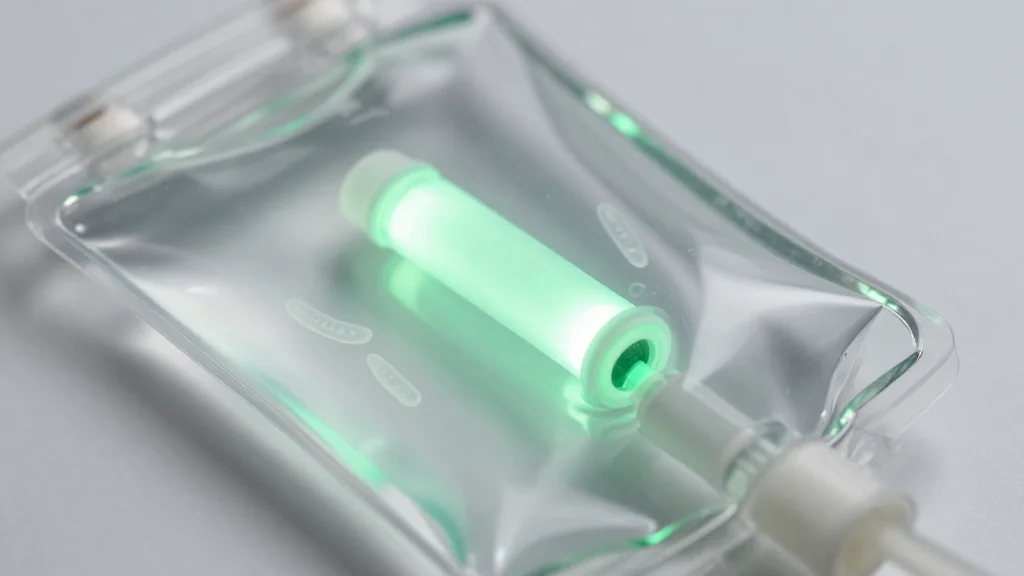
Advanced Science News highlighted three breakthrough studies: a fluorescent sensor that provides real‑time detection of E. coli in catheter bags, enabling earlier intervention for urinary tract infections; a systematic analysis of lipid‑nanoparticle components that clarifies how each interacts with cells, paving the way for mechanism‑based design of drug and vaccine carriers; and a cold‑plasma technique that modifies the hair‑follicle microenvironment to stimulate drug‑free hair regrowth. Together, these innovations promise faster diagnostics, more efficient nanomedicine development, and novel cosmetic therapies.
Transforming Agricultural Waste Into Water and Energy Solutions in Mozambique
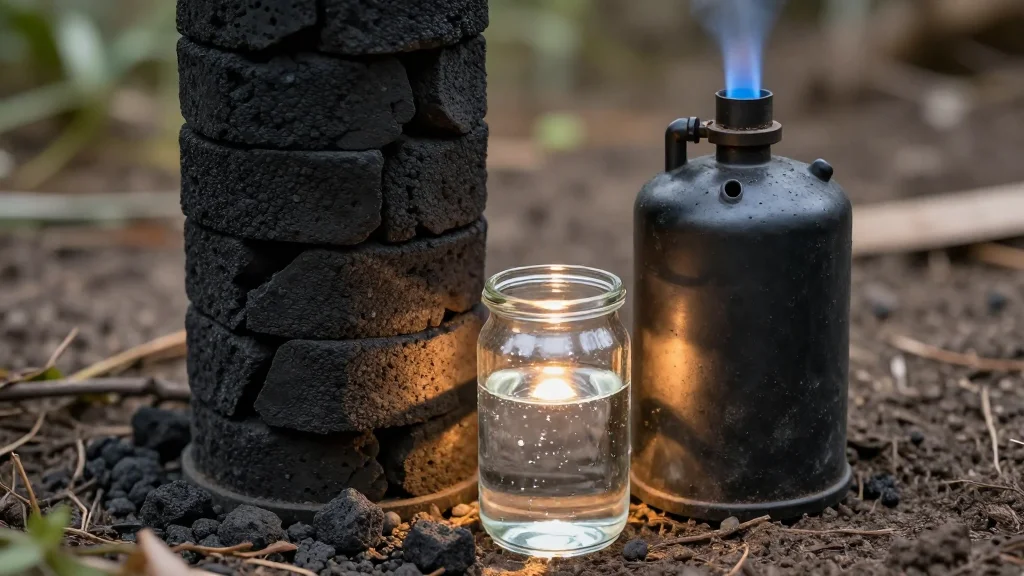
A consortium of Mozambican firms and NGOs has launched a pilot project that converts agricultural residues into clean water and renewable energy. Using a combined biochar filtration and anaerobic digestion system, the initiative turns crop waste into potable water and...
Airborne DNA Reveals Shifting Reproductive Timing in Bryophytes
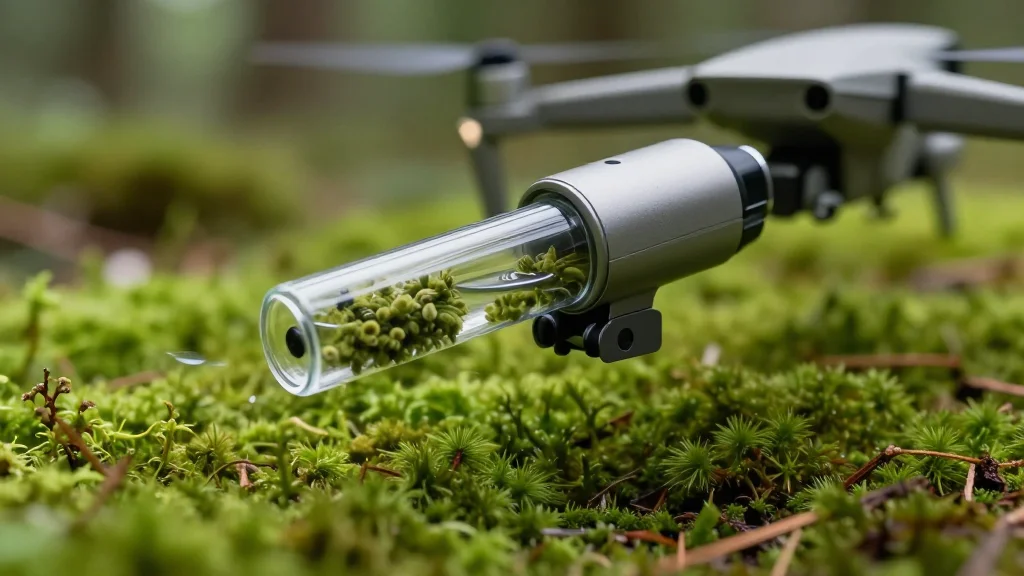
Researchers employed airborne environmental DNA (eDNA) sampling to monitor bryophyte communities across multiple continents, revealing a consistent shift toward earlier reproductive timing. Data indicate that spore release now occurs 2‑3 weeks earlier than in the 1990s, closely linked to a...
Your Meal as an Energy Source: Harvesting Heat to Power Smart Ingestible Devices
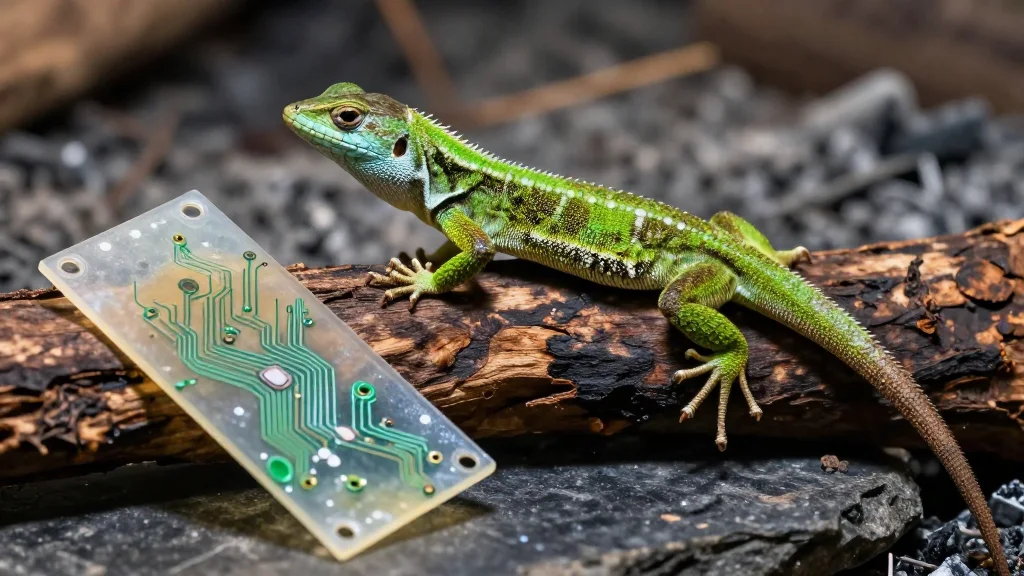
Researchers highlighted three green‑technology breakthroughs. Mediterranean lizards rapidly lighten their skin after wildfires to reflect excess heat, then darken as vegetation returns. Scientists have turned kombucha fermentation by‑products into mechanically stable, biodegradable electronic components, opening a path to eco‑friendly circuitry....