
SpaceX Going Public Is Igniting Wall Street’s Own Race to Orbit
Elon Musk’s plan to take SpaceX public is sparking a wave of investor enthusiasm across the commercial‑space ecosystem. Since the filing was disclosed in December, the Bloomberg‑tracked BofA space‑stock basket has jumped 40% this year, while individual names such as Satellogic (+419%) and Iridium (+151%) have surged. The buzz is also reviving space‑focused ETFs, with the Procure Space ETF pulling in $323 million of new money. Analysts say the IPO will set a valuation benchmark that could reshape funding for the entire sector.

I Have Seen the Future of Physical AI in Dusty West Texas
Atlas Energy Solutions and Kodiak AI have begun commercial deployment of driverless trucks to haul sand for hydraulic fracturing in West Texas, marking one of the first large‑scale physical‑AI freight operations. The pilot runs 28 autonomous trucks on a private...

Inflation Uptick Is Starting to Send Sell Signals to Stock Bulls
Wall Street strategists say the post‑earnings rally is losing steam as inflation and higher oil prices revive rate‑hike concerns under new Fed Chair Kevin Warsh. A sharp sell‑off hit the most rate‑sensitive stocks, with the Russell 2000 down 2.4% and unprofitable...

Bond Selloff Stalls on Report of Progress in US-Iran Talks
U.S. Treasuries edged higher on Monday as reports that Washington offered a temporary oil‑sanctions waiver to Iran eased market nerves. The 30‑year yield settled near 5.12% after briefly touching its highest level since 2023, while the two‑year rose to 4.09%,...

Five Timely Opportunities in Today’s High-Yield Market
High‑yield bonds remain attractive as geopolitical tension and elevated energy prices keep yields elevated. Valuations are tight, with BBB‑rated issues offering BB‑level spreads, while fallen angels outnumber upgrades. The note highlights five themes—quality credit, distressed CCCs, US consumer cyclicals, cautious...

Meatloaf and the Evolution of ETF Thinking
Franklin Templeton’s ETF veteran uses a meatloaf analogy to illustrate the shift in ETF transparency. He notes that most funds now publish daily holdings, making it easier for investors than assembling individual securities. However, he also defends semi‑transparent ETFs, arguing...

Positioning for the Reality of Oil Scarcity
Franklin Templeton’s latest commentary, titled “Positioning for the Reality of Oil Scarcity,” warns that global oil supplies are approaching a long‑term shortfall. The firm highlights that peak production has already occurred, pushing crude prices higher and compressing margins for traditional...

Stock Futures Slide as Inflation Jitters Bring Rally to a Halt
U.S. stock futures slipped on Friday as bond yields rose, halting a six‑week rally fueled by AI‑related inflows. The S&P 500 futures fell 1.1% and Nasdaq 100 futures dropped 1.6% after the 10‑year Treasury yield climbed to 4.55%, a 12‑month high. Analysts...

How Long Can the US Be the Oil Supplier of Last Resort?
The United States has surged to a record‑high net export of 5.9 million barrels of crude and refined products per day, up from 3.3 million a year ago, as the shale boom meets a global oil shortage. To sustain the flow, the...

Inflation Since 1872: A Long-Term Look at the CPI
The Consumer Price Index for April showed a year‑over‑year inflation rate of 3.81%, the first time since May 2023 that it has risen above the post‑World War II average of 3.72%. The rate also sits below the 10‑year moving average of...

Free Cash Flow Investing: Why VFLO Holds Merck Amid Healthcare Headwinds
VictoryShares Free Cash Flow ETF (VFLO) retains Merck (MRK) as a 2.92% portfolio weight, citing a 5.72% free‑cash‑flow (FCF) yield based on trailing and forward estimates. Merck’s recent performance shows sales up 4.92% and EBITDA rising 9.24%, underscoring durable cash...

The Business Owner’s Succession Timeline: Planning Your Exit, Step by Step
Sequoia Financial Group outlines a multi‑year succession roadmap that starts 5–10 years before an owner’s exit and culminates in a coordinated post‑sale transition. The framework blends business valuation, tax structuring, leadership development, and estate planning to preserve value and legacy....

Mega-IPOs & Index Fund Mechanics: Much Ado About Nothing?
Nasdaq’s rule change will let large IPOs join major indexes faster, sparking fears that mega‑IPOs could hurt passive fund performance. Historical data shows IPOs underperform the market by 3‑5% per year for the first five years, and even a $280 billion...

Partnerships, Positive Sentiment Boost U.S. Nuclear
Brookfield Asset Management and The Nuclear Company announced a joint venture to finish the stalled V.C. Summer AP1000 units in South Carolina and to replicate Westinghouse AP1000 and smaller AP300 reactors nationwide. Blue Energy teamed with GE Vernova to build the...

Copper Shrugs Off Middle East Uncertainty to Eye Record High
Copper is approaching its highest ever close, trading around $13,730 per ton on the LME, as broader base‑metal prices rise despite the US‑Iran standoff. Tight supply, declining Chinese inventories, and strong demand from clean‑tech exports are driving the rally. Analysts...

Resilience and Divergence in the Face of the Latest Oil Shock
The Iran‑Middle East conflict that erupted in February 2026 triggered a sharp oil price surge, creating a combined price‑and‑supply shock. Emerging‑market (EM) economies are being evaluated for resilience, with exporters poised to benefit while import‑dependent nations face heightened cost pressures....

Iran War Fallout: The Real Market Risks Aren’t Just Oil
The Iran‑related conflict has damaged key energy infrastructure, most notably Qatar’s Ras Laffan LNG complex, which now removes roughly 3‑4% of global LNG capacity for up to five years. Analysts estimate 40‑80 facilities across the oil‑gas‑petrochemical chain are affected, with five...

S&P Persistence Scorecard Reveals Universal Struggles for Active Strategies
The S&P Persistence Scorecard shows that fewer than 1 % of U.S. equity mutual funds and ETFs remain in the top quartile for five consecutive years, underscoring the rarity of durable outperformance. Even top‑tier active managers experience mean‑reverting returns, with mid‑cap...

The Big Four Recession Indicators: April 2026 Employment
The latest U.S. employment report showed non‑farm payrolls rose by 115,000 in April, a slowdown from March’s 185,000 gain but still above the 65,000 jobs forecast. The unemployment rate held steady at 4.3%, matching expectations. These figures feed into the...
PWRD: Solving the $5 Trillion Power Constraint
The TCW Transform Systems ETF (PWRD) has attracted over $1.5 billion in assets by targeting the United States’ aging power‑grid infrastructure rather than speculative clean‑tech startups. The fund posted a 20.7% year‑to‑date gain and saw $332.75 million of net inflows, reflecting investor...

Goldman Sachs’ 2025 Retirement Investing Report: 3 Takeaways
Goldman Sachs’ Retirement Survey & Insights Report 2025 reveals that retirement costs have surged to 29% of household income, up from 21% in 2000, with homeownership now consuming 51% of earnings. Inflation-driven expenses have pushed 58% of respondents to fear...
Quant Model Shows Rally in Stocks Is Approaching ‘Manic’ Level
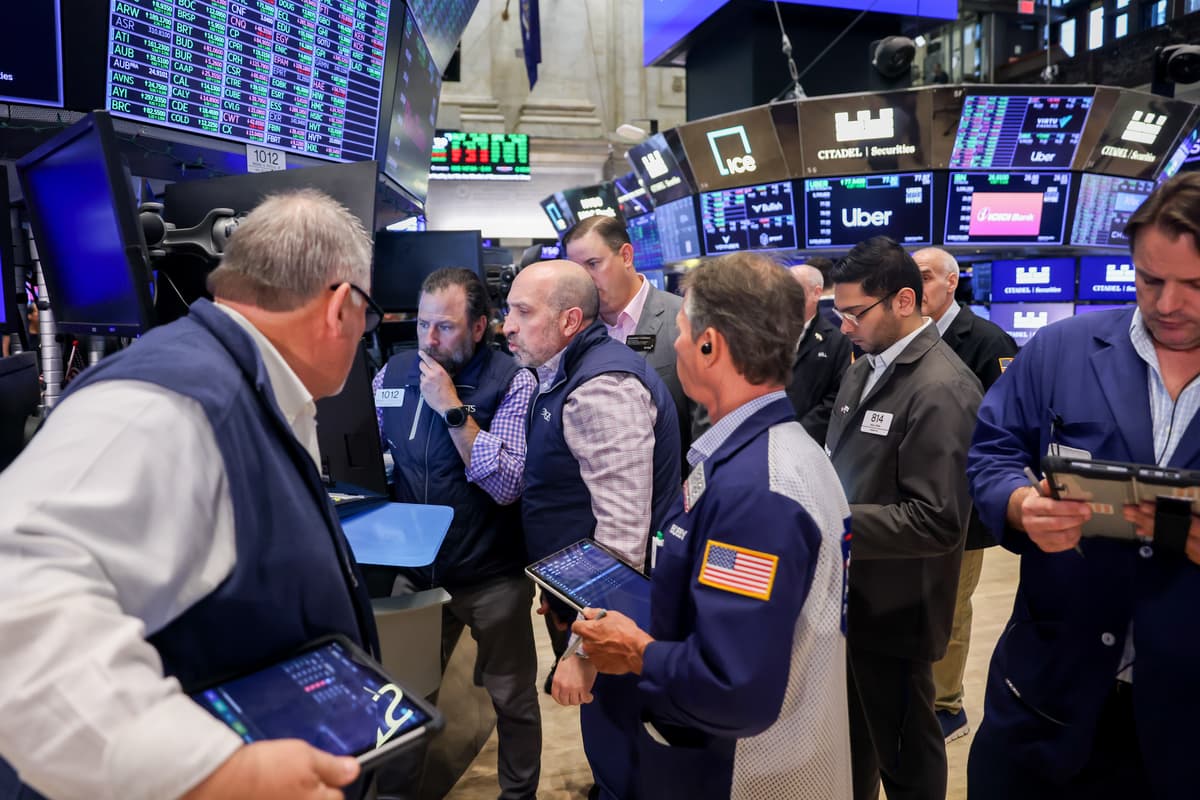
Bloomberg Intelligence’s quantitative model signals that the recent U.S. equity rally has entered a “manic” sentiment zone, driven by tightening high‑yield spreads, low volatility and rising correlations. The S&P 500 surged more than 10% in April—the fifth‑best month in 35 years—and...

Data Centers Aren’t the Enemy — They’re the Future
Data centers, now numbering about 4,000 in the United States with another 3,000 slated, are fueling the digital economy and AI expansion. In 2023 they contributed roughly $727 billion to U.S. GDP, while global capex on such facilities topped $450 billion in...

Advisor Perspectives’ Top 5 Articles Examine Big Topics
Advisor Perspectives highlighted five high‑traffic articles in April that tackled pressing advisory challenges. Nathan Dutzmann’s piece on breakeven real rates for delayed Social Security claiming led the list, followed by Allan Roth’s test of Anthropic’s Claude AI for portfolio advice....

The SEC Isn't Coming. That's the Problem
The SEC is unlikely to issue AI‑specific rules for registered investment advisers before 2029, given commissioner vacancies, a Republican‑led chair, and the 18‑to‑30‑month rulemaking process. Nonetheless, the SEC’s 2026 examination priorities already require AI governance policies, vendor oversight and documentation,...

Crossing the Digital Divide: 6 Keys for Marketing to Gen Z
Financial planners face a seismic shift as Gen Z—who will inherit roughly $106 trillion from boomers—enters the market. The cohort, born 1997‑2012, is the first fully digital‑native generation and views wealth‑building through alternative channels like crypto and esports betting. Marketers must adapt...
Time to Fight the Fed? Stocks Rally Faces Dashed Rate-Cut Hopes
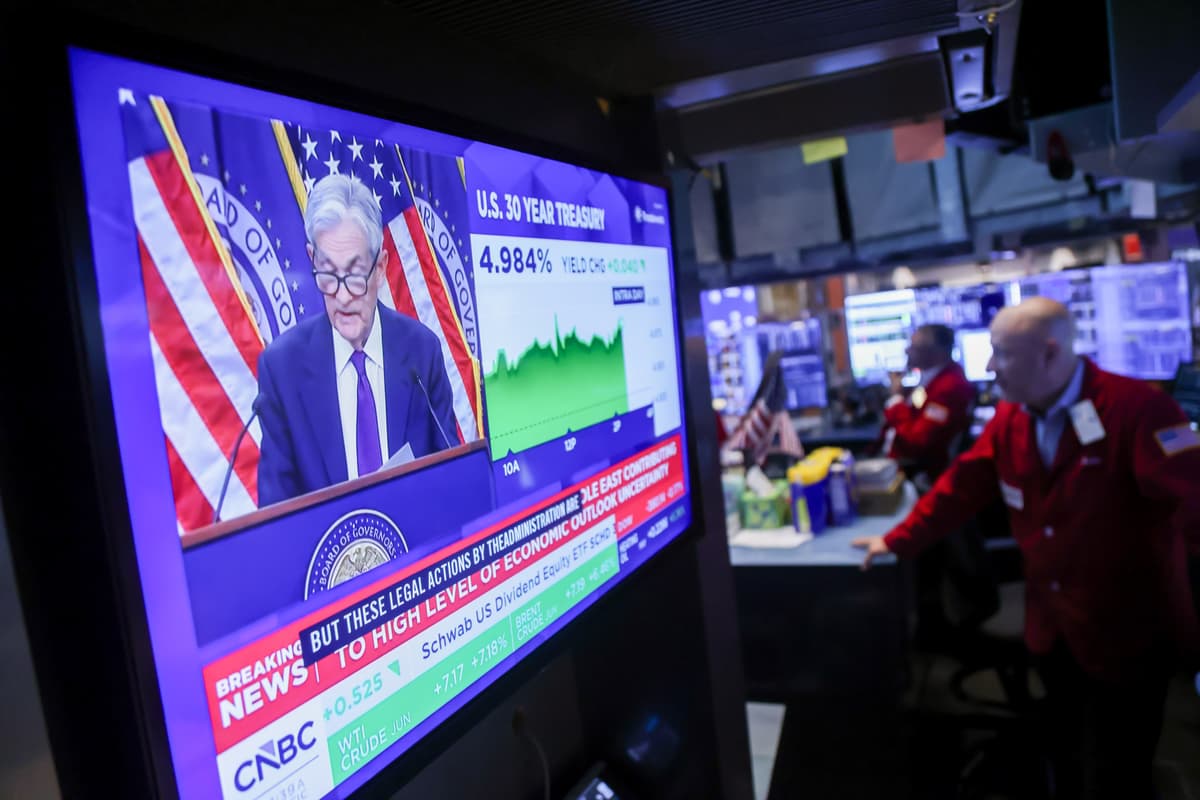
Wall Street’s recent rally is being tested as a hot labor market and soaring oil prices have erased most expectations of a Federal Reserve rate cut this year. Bond traders now see a higher probability of a rate hike, especially...

Ten Nasty Financial Tricks Predators Play on Our Clients
Allan Roth exposes ten deceptive claims that predatory advisors use to lure clients, from overstated past performance to misleading cost arguments. He dissects each myth, showing how inflated returns, tech hype, and faulty asset‑allocation logic can erode wealth. Roth also...

Q-Ratio and Market Valuation: April 2026
The Q‑Ratio, which compares total market price to the replacement cost of all U.S. corporations, reached 2.07 in April 2026 – the highest level ever recorded. This figure, derived from the Federal Reserve’s Z.1 Financial Accounts and extrapolated with Vanguard Total...

FedEx, UPS Shares Tumble on Amazon’s ‘Watershed’ Logistics Move
Amazon announced it will open its extensive warehouse and delivery network to non‑Amazon businesses, offering freight, distribution, fulfillment and parcel services. The move triggered a sharp sell‑off in U.S. transportation stocks, with FedEx down 7.4% and UPS off 8.9%, their...

When Is The Best Time To Buy Or Sell A Stock (Part 1)
In a recent video, investment strategist Chuck Carnevale argues that timing a stock trade hinges on disciplined valuation rather than market hype. He shows that buying high‑quality companies at inflated prices can underperform, while modest firms purchased at fair value can...

April Review: Markets Advance Through Global Volatility
April’s equity markets surged despite heightened geopolitical risk, with the S&P 500 up 10.4%, the Nasdaq climbing 15.3% and the Dow gaining 7.1%. A cease‑fire between the U.S. and Iran helped steady sentiment, but oil prices stayed above $90 a barrel,...

Resilience Through Volatility
Franklin Templeton’s "Resilience Through Volatility" briefing underscores the firm’s philosophy of navigating turbulent markets with disciplined risk management and ESG‑aware strategies. The material is framed by extensive legal disclosures, emphasizing that the content is not personalized investment advice and that...

A $34 Billion Private Equity Exit Is Going to Be a Long Slog
Advent and Cinven are exiting their €17 bn (≈$18.6 bn) purchase of TK Elevator with a €29.4 bn ($34.4 bn) sale to Finland’s Kone. The deal includes €20 bn in cash and Kone shares, of which only €5 bn is paid upfront, leaving €15 bn tied to...

More Wall Street Leverage Won’t Help Main Street
Regulators are proposing to cut aggregate capital requirements for the largest U.S. banks by about 6%, reversing a 2023 push for a 19% increase and simplifying risk‑weight calculations. The changes aim to reduce compliance complexity and spur more lending, but...

Taxing Artificial Intelligence Would Be a Big Mistake
Artificial intelligence is poised to become the most transformative technology, reshaping or eliminating many jobs. Some policymakers propose taxing AI services and investments to slow worker displacement, but the editorial argues this would curb productivity and U.S. competitiveness. Instead of...

Modernize Fixed Income Portfolios With Income Alternatives
Advisors are expanding traditional fixed‑income portfolios by adding specialized income alternatives, with over 80% planning satellite positions in Q2, according to VettaFi data. Options‑based ETFs are being used by 35.8% of advisors to lower volatility and lift yields, while active...

Not So Strait-Forward
Global markets face heightened stagflation risk as the Strait of Hormuz remains closed, keeping energy prices elevated. In the United States, the Federal Reserve is expected to hold rates steady with only a single cut later in the year, while...

Robust 2026-2027 Earnings Growth Is a Live Probability
Wall Street projects robust earnings growth for the S&P 500, with consensus forecasts of 21.8% for calendar 2026 and 14.8% for 2027. Historical data shows that earnings spikes of 40%‑plus have followed past Fed rate‑cut cycles, suggesting the outlook is plausible. The...

Sell in May and Go Away? Maybe Not
U.S. equities have surged, with the S&P 500 up 9.2% through April and on track for its strongest April performance since 2020. The rally is fueled by easing Iran tensions, expectations of the Strait of Hormuz reopening, and solid Q1 earnings....

Jamie Dimon Is Competing With Everyone. He’s Not Alone
Jamie Dimon’s latest shareholder letter highlighted a surge of competition from fintechs, electronic market makers and alternative asset managers that are encroaching on traditional banking territory. Firms such as Revolut, Citadel Securities and Jane Street are expanding into banking services,...

Why High-Performing Advisory Teams Still Struggle With Execution
Wealth‑management advisory firms managing $200 million to over $1 billion in assets often appear successful, yet many struggle with day‑to‑day execution after mergers or rapid growth. The root cause is not talent but the lack of a deliberately designed operating structure that...

Can AI Support Solo Advisors and Their Content Marketing Goals?
The article examines how solo financial advisors can leverage AI tools like ChatGPT, Claude, and Gemini for content marketing. It highlights AI’s strength in brainstorming topics and repurposing existing material, which can accelerate LinkedIn posts, newsletters, and blog creation. However,...

America’s Bond-Market Privilege Is Disappearing as US Debt Soars
U.S. Treasury bonds are losing their historic convenience‑yield premium as the federal debt swells past $31 trillion, now over 100% of GDP and projected to hit 120% within a decade. Research from Harvard’s Wenxin Du shows the premium has shrunk by...

Kalshi, Polymarket Face New Rival in Crypto’s Hottest Exchange
Hyperliquid, a leading decentralized crypto derivatives exchange, is testing HIP‑4, a suite of non‑leveraged prediction markets that let traders bet on real‑world outcomes such as inflation or oil prices. In March 2026 the platform processed $219 billion in total volume, underscoring...

The Fiduciary Question Nobody Is Asking About Life Insurance
Hundreds of thousands of seniors surrender life‑insurance policies each year without considering the secondary market. A life settlement—selling the policy to institutional buyers—can fetch two to ten times the cash‑surrender value, with the market handling $4‑5 billion annually across 43 states....
Home Ownership Rate at 65.3% in Q1 2026
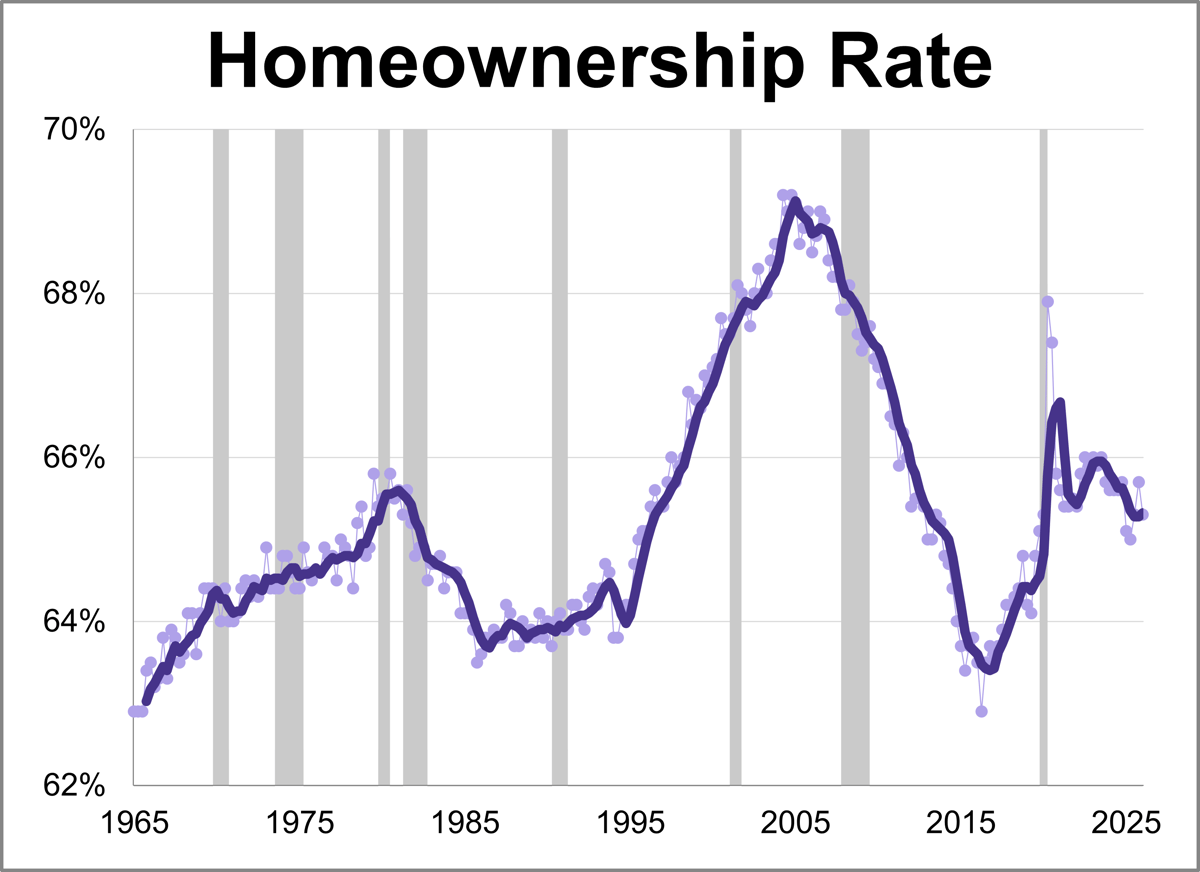
The Census Bureau reported a seasonally adjusted homeownership rate of 65.3% for the first quarter of 2026, a 0.4‑point dip from the fourth quarter of 2025. Rental vacancy held steady at 7.3% while homeowner vacancy remained low at 1.1%. The...

Michael Burry’s Latest Bet Highlights Growing Concern of Melt-Up
Technology megacap stocks have propelled the Nasdaq 100 up roughly 19% since the March 30 low, while the broader S&P 500 shows fragile breadth, with only 55% of its constituents above the 200‑day moving average. Money‑market funds sit on about $8 trillion of idle...

Energy Volatility Complicates the Inflation Outlook But This Isn't 2022
Geopolitical tension in the Strait of Hormuz is reviving energy‑price volatility, nudging near‑term core inflation higher despite a softer March reading. While the shock could transmit through transportation and services, the current inflation environment differs sharply from the 2022 surge,...

Silver Prices Rose Even as Demand Slipped
Silver prices surged 147% in 2025, climbing from $28.84 to $71.30 per ounce, even as industrial, jewelry and silverware demand fell. The rally was driven by a five‑year cumulative supply deficit—40.2 million ounces in 2025 alone—combined with a sharp squeeze in...