
Ecobank Group and AGRA Partner to Unlock Agricultural Finance and Accelerate Inclusive Growth Across Africa
Ecobank Group and the Alliance for a Green Revolution in Africa (AGRA) signed a Memorandum of Understanding at the Africa Forward Summit to create a pan‑African partnership that expands financing for agribusinesses, farmer groups and value‑chain actors. The collaboration will roll out tailored working‑capital, asset and trade finance products, as well as blended‑finance structures such as risk‑sharing facilities and guarantees. A strong inclusion focus aligns Ecobank’s Ellevate program with AGRA’s Value4HER and YEFFA initiatives to boost women‑ and youth‑led enterprises. Climate‑smart lending and green financing will also be incorporated to enhance resilience across the continent’s food system.

Standard Bank Backs Valterra Platinum's Landmark Debut Bond Issue
Standard Bank, Africa’s largest bank by assets, arranged a $135 million bridge facility and acted as joint arranger for Valterra Platinum’s $540 million Domestic Medium‑Term Note (DMTN) programme. The mining company’s inaugural bond auction attracted $313 million of bids from 23 institutional investors,...

How AI Is Rewriting the Rules of African Retail
The McKinsey‑ICSC report finds AI reshaping retail, with agentic commerce projected to generate $1 trillion in U.S. B2C sales by 2030 and $3‑5 trillion globally. In Africa, a young, mobile‑first population and rapid urbanisation create fertile ground for AI‑driven convenience and experiential...

Clinics at Scale: How Ilara Health Is Building Africa's Quiet Health Infrastructure
Ilara Health, a Kenyan‑Ugandan healthtech firm, equips small private clinics with diagnostic equipment on credit, adding software and data tools to create a network. The company now serves over two million patients across roughly 3,000 clinics in Kenya and Uganda....

A Year After Load Shedding, South Africa Fights Electricity Theft
A year after the last load‑shedding event, Eskom’s grid is delivering 98.9% reliability, a stark improvement from the 9% supply level two years ago. Yet illegal connections and equipment theft now account for 8% of non‑technical losses, eroding about $1.1 billion...
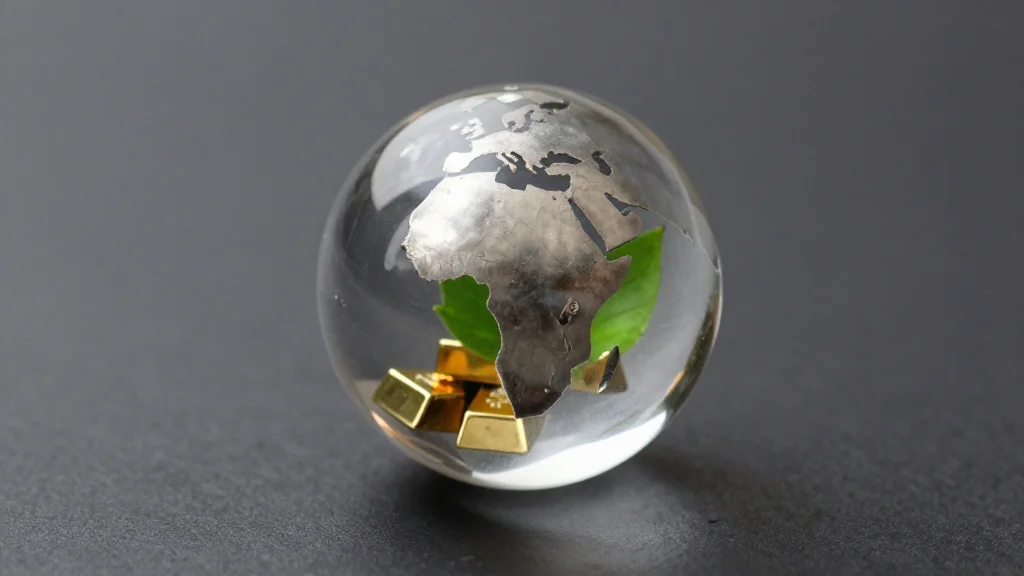
Angola to Host Africa's Sovereign Wealth Summit as the Continent Mobilises Its Own Capital for Structural Transformation
The Africa Sovereign Investors Forum (ASIF) will hold its 5th Annual Meeting in Luanda from July 5‑7, 2026, under the theme “Strategic Allocation in a Constrained World.” Angola’s sovereign fund, FSDEA, will host the summit, bringing together 17 member sovereign wealth funds,...

Plan to Extend Mnangagwa's Term Threatens Zimbabwe Debt Relief
Zimbabwe’s effort to restructure its $23 billion sovereign debt has hit a political roadblock as a constitutional amendment seeks to extend President Emmerson Mnangagwa’s tenure to 2030, sidestepping required referendums. The move has alarmed international lenders—including the World Bank, Paris Club,...

When Data Tells an Impactful Story: Standard Bank's Money Reels Earns Top Industry Honour
Standard Bank introduced Money Reels, a personalized year‑end video recap that turns each customer’s financial activity into a short, mobile‑first story. The feature sparked a social‑media buzz and saw 450,000 customers engage, with an 80% completion rate. It also drove...

Top Companies in East Africa 2026: Tanzania's Growing Influence
Safaricom stays the clear leader in East Africa with an $8.4 billion market cap, posting a 55% jump in half‑year profit to 65.2 bn shillings ($501 m) driven by stronger Ethiopian operations. Tanzanian banks CRDB and NMB surged to $2.7 bn each, pushing Tanzania’s...

Frontier Markets Hold the Next Wave of Growth
Frontier markets—home to a billion people and classified as the UN's Least Developed Countries—receive less than 1% of global foreign direct investment, creating a massive financing gap. British International Investment (BII) and partners have launched the African Resilience Investment Accelerator...

Kenya's Geothermal Dominance: The Lessons for Africa
Kenya has become Africa’s geothermal powerhouse, ranking sixth worldwide and generating roughly 50% of its electricity from the Rift Valley’s heat. A new 35 MW Menengai plant will come online this year, underscoring continued expansion. The country’s lead stems from long‑term...

East African Countries Plan Regional Satellite Launch
Ministers from Kenya, Rwanda, South Sudan and Uganda have agreed to move forward with the Northern Corridor Regional Communication and Broadcasting Satellite Initiative (NCRCBSI), a joint effort to launch a satellite that will broaden communication and broadcasting services across East...

Expanding the Geography of Contemporary African Art
Founded in London in 2013, the 1-54 Contemporary African Art Fair has expanded to London, Marrakech and New York, with the 2026 New York edition running May 13‑17. The fair features more than 20 exhibitors from 12 countries, showcasing over...

Top Companies in North Africa 2026: Morocco in the Driving Seat
Morocco now leads North Africa’s corporate landscape, with eight of the nine largest listed firms based there. Attijariwafa Bank remains the region’s biggest company at a $15.7 bn market value, while Miner Managem surged to second place, reaching $10.8 bn after a...

Africa's Rising Relevance Amid Global Shifts: Banks Are Key Catalysts
The first quarter’s geopolitical shocks have highlighted Africa’s growing integration with the global economy. Despite tighter financing, the continent is projected to grow over 4% in 2026‑27, outpacing the 3% global forecast, driven by the African Continental Free Trade Area’s...

Unlocking the Potential of Africa's Agricultural Value Chains
The Africa Forward Summit (AFS) 2026 will convene in Nairobi on May 11‑12, bringing together heads of state, investors, and policy makers to reshape Africa’s agricultural value chains. Organisers emphasize a shift from distant debate to concrete action that gives...

Chokepoints Review: Is Economic Warfare Here to Stay?
Edward Fishman's new paperback *Chokepoints* argues that control over the US dollar, advanced microchip technology and critical energy supply chains has become the primary weapon of 21st‑century geopolitics. Drawing on his tenure in the State Department’s sanctions teams, Fishman shows...

Africa Forward Summit Will Be Judged by What It Delivers
The Africa Forward Summit, co‑hosted by Kenya and France in May 2026, aims to turn rising global recognition of Africa into concrete outcomes. Organisers stress delivery on established priorities—infra‑structure, industrial capacity, digital investment and climate finance—rather than new declarations. The...

Business Ties and Financial Reform in Focus at Africa Forward
The Africa Forward summit in Nairobi, hosted by France, placed trade, investment and financial reform at the forefront. French President Emmanuel Macron and Kenyan President William Ruto pledged to boost private‑sector investment across health, education, digital technology, energy and infrastructure,...

EBID and BNDE Sign a New FCFA 20 Billion Credit Line to Boost SME Financing in Senegal
The ECOWAS Bank for Investment and Development (EBID) and Senegal’s Banque Nationale pour le Développement Economique (BNDE) signed a loan agreement on 30 April 2026 establishing a FCFA 20 billion (≈ $36 million) credit line dedicated to SME financing. The new facility builds on a 2021...

Kenya as Lynchpin for France's Broader Engagements with Africa
France is recalibrating its Africa strategy, moving beyond its traditional francophone strongholds toward a diversified partnership model. The 2026 Africa Forward Summit will be hosted in Kenya, marking the first time the event leaves a francophone nation. Kenya’s economy is...

Understanding Macron's Anglophone Africa Pivot
President Emmanuel Macron is shifting France’s Africa policy from the Francophone‑centric “Françafrique” model toward an inclusive partnership with anglophone and lusophone nations. The pivot, highlighted at the Africa Forward Summit in Nairobi, emphasizes moving from aid to co‑investment across security,...

Energy Sector Poised for Growth in Côte D'Ivoire
Côte d'Ivoire is accelerating its energy transformation, targeting 5,000 MW installed capacity and 100% household electrification by 2030, with renewables slated for 42% of the mix. Recent solar deals—including a €28 m ($30 m) investment in a 52 MW plant and a 50 MW project...
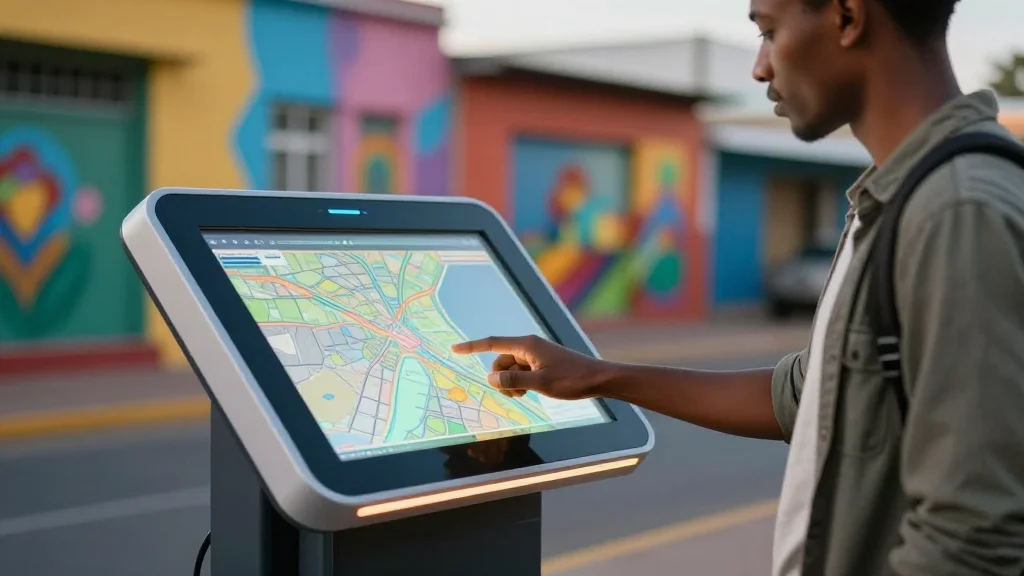
Township Tech Entrepreneur Sets Sights Beyond South Africa
South African entrepreneur Luvuyo Rani has turned a boot‑sale of computers into Silulo Ulutho Technologies, a multi‑million‑dollar social‑enterprise that runs 46 centres delivering affordable hardware, digital literacy and entrepreneurship training across townships. The firm has taught roughly 100,000 people, produced...

The New Centre of Market Resilience
African investors are increasingly demanding custodial services that combine global reach with local expertise as capital markets mature across the continent. Absa argues that custody has moved from a back‑office function to a central, tech‑driven platform essential for trade settlement,...

Why Mozambique Gas Is Essential to Global Energy Security
The Mozambique LNG project restarted in January, adding 13 million tonnes per annum (mtpa) of export capacity and a domestic supply of 400 billion cubic feet per day. Its offshore fields in the Rovuma Basin ship gas directly from the Indian Ocean,...

Côte D'Ivoire Powers Ahead but Faces Human Capital Challenge
Côte d'Ivoire is projected to expand 6.4% in 2026, placing it among Africa’s top ten performers, driven by extractives, agro‑industrial and services growth. Recent ENI gas field discovery and Resolute’s $190 million Doropo Gold investment add long‑term momentum. Strong macro fundamentals—S&P...

Health Security Depends on Africa-Europe Cooperation
The World Health Summit Regional Meeting in Nairobi highlighted a decisive shift toward Africa‑Europe health cooperation, moving from pandemic diagnosis to concrete implementation. Both continents are expanding vaccine manufacturing, laboratory networks, and joint research to reduce reliance on external supplies....
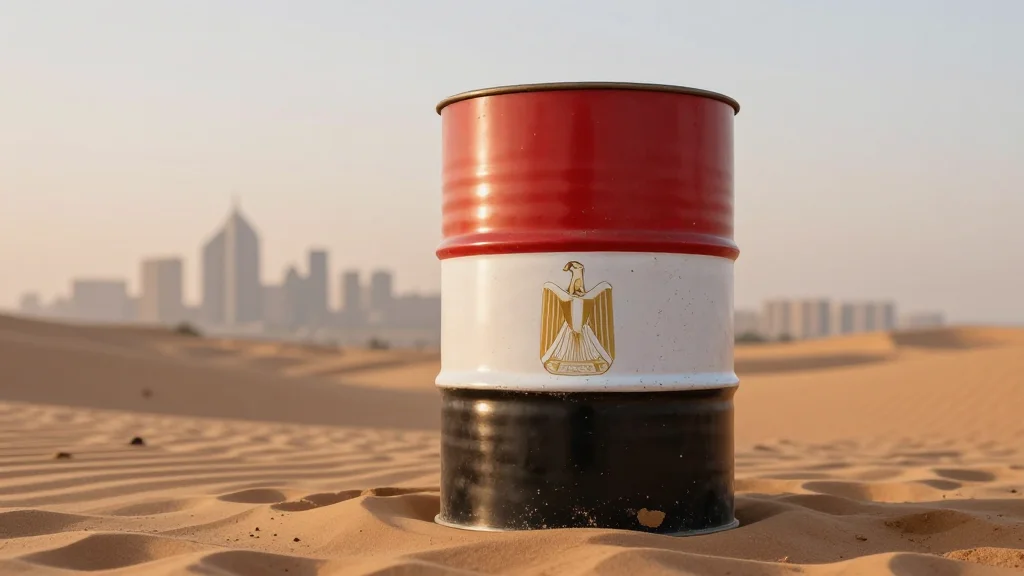
Egypt on the Frontline of Iran War's Economic Disruption
Egypt is feeling the brunt of the Iran‑Israel‑US conflict as oil prices surged to around $100 a barrel, inflating its petroleum import bill and widening the current‑account gap. The Atlantic Council estimates the deficit could swell from $15 billion to $24 billion,...
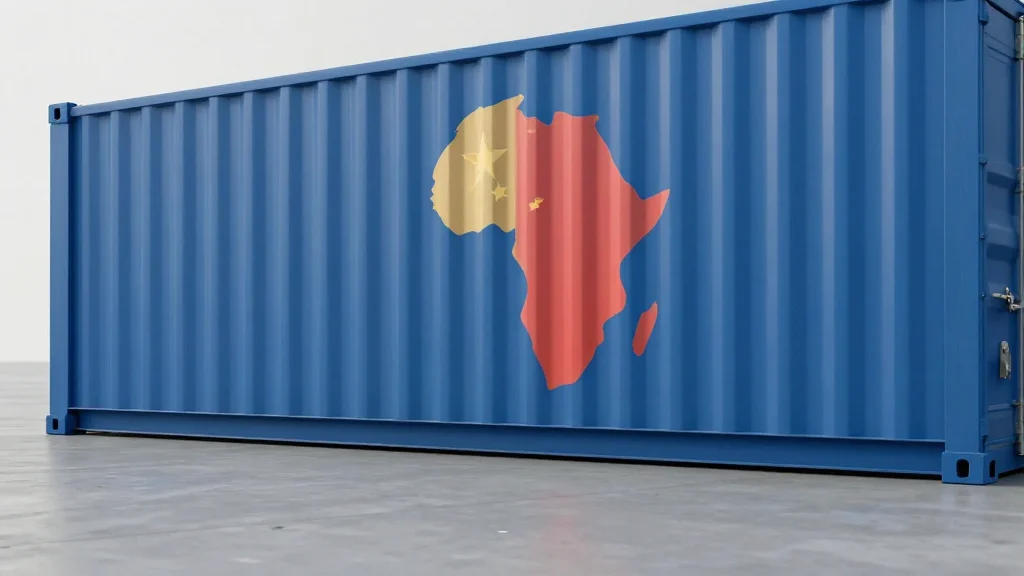
Zero Tariffs, Same Structure: Africa Must Change How It Trades with China
In 2025 Africa‑China trade reached a record $348 bn, with Chinese exports to the continent at $225 bn and African exports to China at $123 bn. From 1 May 2026 China will apply zero tariffs on imports from all 53 African nations, a rare opening...

The Fallout: How the Iran War Is Wreaking Havoc in Africa
The IMF’s April Regional Economic Outlook warns that the Iran war will shave 0.3 percentage points off Sub‑Saharan Africa’s growth, lowering the 2026 forecast to 4.3% and pushing median inflation to about 5%. Currency depreciation, shrinking foreign aid and tighter...

Ramaphosa to Attend F1 Grand Prix to Lobby for South African Race
South African President Cyril Ramaphosa will attend a Formula One Grand Prix later this year on a working visit, part of a government push to bring Africa its first F1 race since 1993. The bid centers on upgrading the historic...

AFC Plants East Africa Flag with Nairobi Regional Hub
Africa Finance Corporation (AFC) and the Kenyan government signed a Host Country Agreement to open AFC’s first regional office in Nairobi. The hub places AFC near a fast‑growing, capital‑rich market and leverages Nairobi’s logistics, finance and technology ecosystem. AFC aims...

OECD Data Shows Brutal Drop in Development Assistance
OECD reports a 23.1% plunge in official development assistance (ODA) from 2024 to 2025, dropping to $174.3 bn. Bilateral aid to least‑developed countries fell 25.8%, and the United States alone cut its ODA by 56.9%, driving three‑quarters of the overall decline....

Dangote Prepares $40bn Refinery IPO Across Multiple Exchanges
Aliko Dangote announced a $40 billion multi‑exchange IPO to sell roughly 10% of the Dangote Oil Refinery, the largest industrial project in Nigeria. The proceeds will fund a $40 billion five‑year plan to double refinery capacity to 1.4 million barrels per day, quadruple...

Africa's Finance Ministers Push for a Rewrite of the Rules in Washington
African finance ministers used the 2026 IMF‑World Bank Spring Meetings to press for systemic reforms rather than simply seeking new financing. They highlighted that four‑fifths of African governments now spend more on debt service than on health or education, with...

Unlocking Women's Full Economic Potential
Ecobank is tackling Africa’s $42 bn gender financing gap with its Ellevate programme, which blends collateral‑light lending, mentorship and pan‑African market access. Mobile money and digital services have broadened women’s account ownership, yet women still secure only a fraction of the...

Côte D'Ivoire's Startup Surge Gathers Pace
Côte d'Ivoire is emerging as West Africa’s next startup hub, buoyed by 6‑7% annual GDP growth and a youthful, increasingly connected population. The ecosystem centers on fintech, agritech, e‑commerce, logistics and edtech, with fintech leading due to a large unbanked...
Middle East War Clouds Egyptian Tourism Outlook
Egypt’s tourism sector surged to 19 million visitors in 2023, delivering more than $15 billion and supporting three million jobs. The government targets 30 million arrivals by 2030, but the Middle‑East conflict has triggered up to a 25% decline in hotel occupancy and heightened...

From Aid to Investment: Africa Redraws the Terms of Partnership with Europe
At the Africa‑Europe Finance Ministers' Platform, AUDA‑NEPAD chief Nardos Bekele‑Thomas declared that Africa will no longer accept passive aid but will pursue strategic co‑investment with Europe. She highlighted the EU’s upcoming 2028‑2034 budget, which earmarks roughly $66 billion for Sub‑Saharan Africa,...
EBID and Guinea Seal Strategic Partnership to Drive Economic Transformation
The ECOWAS Bank for Investment and Development (EBID) and Guinea signed a memorandum of understanding on April 8, 2026, committing over €310.5 million (≈ $387.9 million) to six priority projects. The initiatives, part of Guinea’s Simandou 2040 plan, target transport, renewable energy, agriculture, land administration...
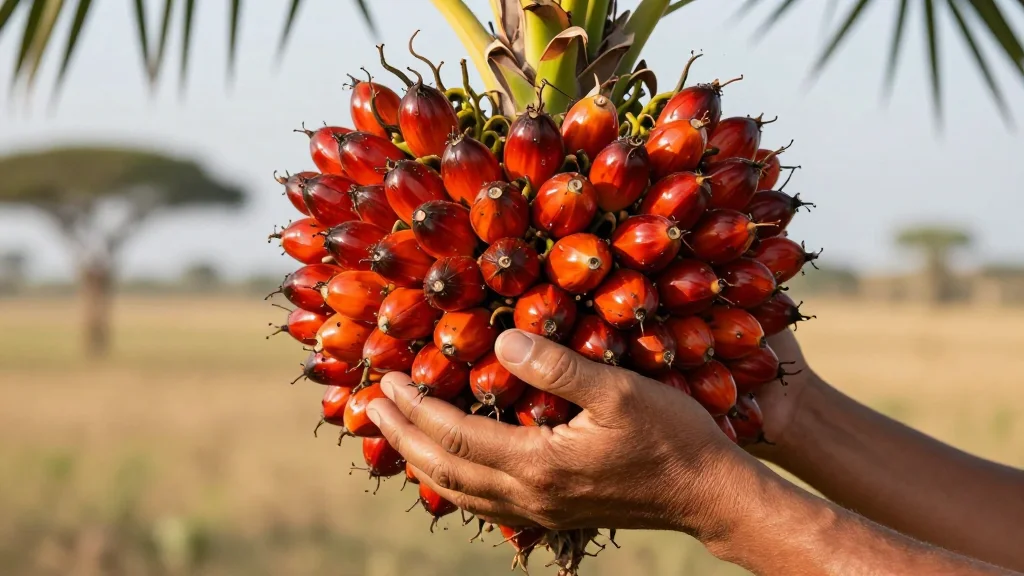
Can Africa Avoid Asia's Palm Oil Pitfalls?
African nations are seeking to slash palm‑oil imports—about half of current consumption—by expanding domestic production. Smallholders, who grow roughly 70% of the continent’s oil palm, average six tonnes per hectare, far below the 20‑plus tonnes achieved on Asian commercial estates....
Africa's T+1 Transition: Readiness Must Come Before Speed
The global move from T+3 to T+1 settlement is accelerating, with North America and India already on T+1 and Europe slated for October 2027. Shorter cycles cut counterparty risk, boost capital efficiency and align African markets with international investor expectations....
World "Must Brace for Tough Times" Says IMF Chief Georgieva
International Monetary Fund Managing Director Kristalina Georgieva warned that the Middle‑East conflict is already dampening global growth, revising the IMF’s outlook from 3.4% last year to 3.1% by 2026 and flagging a worst‑case drop to 2%. She highlighted soaring energy and...
EBID Sets Ambitious Investment Drive as West Africa Growth Strategy Takes Shape
The ECOWAS Bank for Investment and Development (EBID) unveiled a new five‑year Growth, Resilience and Optimisation strategy at its 24th AGM in Accra, aiming to boost investment across West Africa through 2030. The plan prioritises infrastructure, agriculture, energy and digital...

IMF Says Africa Faces Growth Downgrade Amid Middle East War
The IMF has downgraded Africa's growth outlook for 2026‑27 by 0.4 percentage points, citing the fallout from the US‑Israel‑Iran war. The conflict has pushed oil and gas prices higher, raising inflation expectations to about 5% in Sub‑Saharan Africa and tightening...

The Africa We Build Summit and Kenya's Bold Infrastructure Blueprint
The Africa We Build Summit convened more than 1,000 heads of state, investors and industry leaders in Nairobi on April 23‑24, 2026, with Kenya President William Ruto delivering the keynote. At the summit Kenya unveiled its National Infrastructure Fund (NIF),...
Strong Earnings and Balance Sheet Growth Signal Afreximbank's Rising Momentum
African Export-Import Bank reported a robust FY2025, with total assets climbing 21% to $48.5 billion and net loans rising 16% to $33.5 billion. The bank posted a 19% jump in net income to $1.2 billion, while maintaining a stable 2.43% non‑performing loan ratio...

Ecobank's Pan-African Model Drives Profit Surge and Strong 2025 Performance
Ecobank Group posted a robust 2025 financial year, with profit before tax climbing 21% to US$801 million and net revenues up 17% to US$2.45 billion. Corporate and Investment Banking delivered a 40% surge in profit, while Consumer and Commercial Banking saw a...

From Indaba to the Budget: Will Fiscal Policy Unlock Mining-Led Growth?
South Africa’s mining sector, responsible for roughly 6% of GDP and about R440 billion ($23 billion) in annual output, is hampered by chronic freight bottlenecks. At the February Mining Indaba, industry leaders called for policy certainty and reliable logistics, prompting Finance Minister...