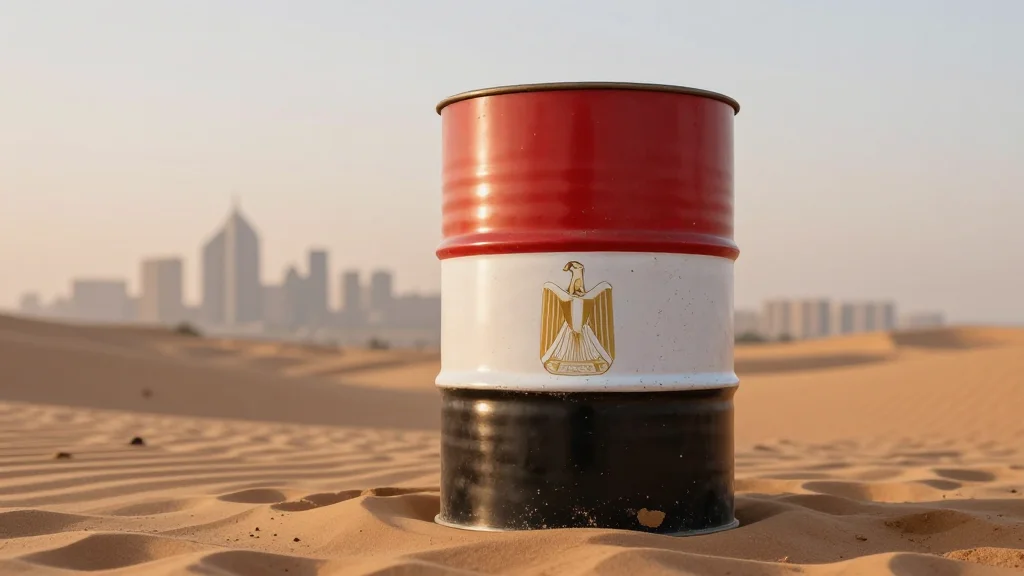
Egypt on the Frontline of Iran War's Economic Disruption
Why It Matters
The shock to Egypt’s balance of payments threatens fiscal stability in the region’s largest economy, and could trigger broader financial contagion across emerging markets.
Key Takeaways
- •Oil at $100/barrel adds $2.5bn to Egypt's import bill per $10 rise
- •Current account deficit projected to jump from $15bn to $24bn this year
- •Egyptian pound hit record low $0.0183, shaving ~$5bn off reserves
- •Investors sold $2bn Egyptian bonds; shops close 9 pm to cut energy use
- •UAE and Kuwait signal financing pullback, endangering $4bn deposits and FDI
Pulse Analysis
The war sparked by the U.S. and Israel’s Operation Epic Fury has sent crude prices soaring, a development that reverberates far beyond the Gulf. For Egypt, a net oil importer, each $10 rise translates into roughly $2.5 billion extra on its import bill, pushing the current‑account deficit toward $24 billion. The surge also forces policymakers to adopt austerity measures, such as the 9 p.m. curfew on retail outlets, while tourism – a vital foreign‑exchange earner – is shielded to sustain cash flow.
Currency markets have reacted sharply. The Egyptian pound plunged to a historic low of $0.0183, prompting the central bank to intervene and deplete reserves estimated to have fallen by up to $5 billion in a single month. Capital flight accelerated, with investors offloading about $2 billion of sovereign bonds, and foreign direct investment from the UAE – Egypt’s top source – showing signs of strain. The loss of Suez Canal transit fees, which normally contribute about 2 % of GDP, further tightens the fiscal outlook.
Beyond the immediate balance‑sheet pressures, Egypt’s predicament underscores systemic risk for the broader Middle East and North Africa. A financial shock in the region’s most populous economy could ripple through global markets, echoing past crises in Mexico and Thailand. Moreover, Cairo’s diplomatic overtures to Tehran, while aimed at de‑escalation, have drawn criticism from Gulf partners, raising the specter of reduced financing from Kuwait and the UAE. The convergence of soaring energy costs, currency weakness, and waning external support creates a precarious environment that investors and policymakers worldwide are watching closely.
Egypt on the frontline of Iran war's economic disruption
Comments
Want to join the conversation?
Loading comments...