Astronomy Magazine
Covers space missions, planetary science, and space technology for enthusiasts
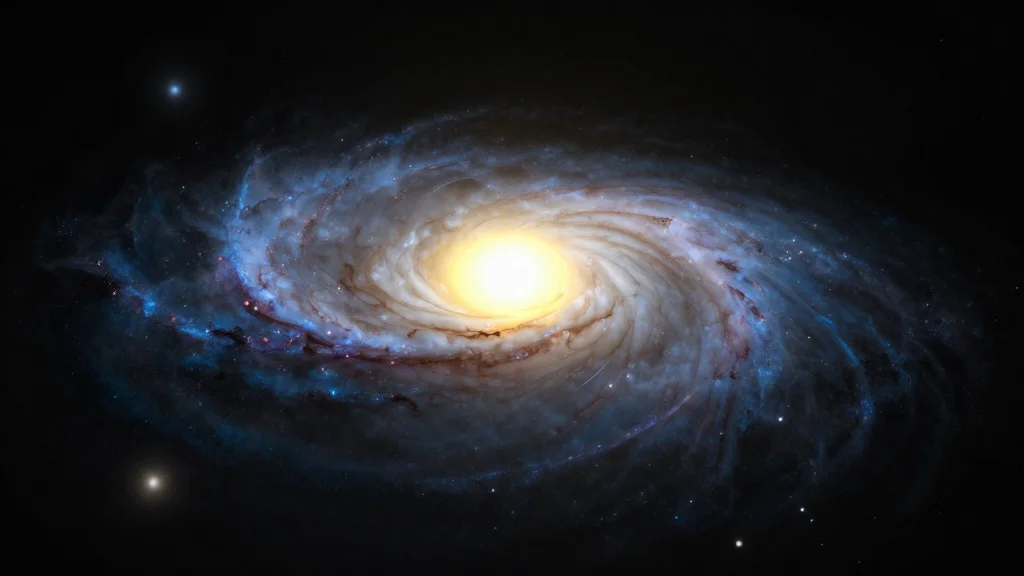
A Galactic Sea
Astronomy Magazine’s latest picture‑of‑the‑day showcases spiral galaxy M106, located roughly 24 million light‑years away in Canes Venatici. The galaxy’s disk appears slightly warped, a relic of a past gravitational encounter. The deep‑field exposure also captures several background galaxies, notably NGC 4217 and NGC 4220. The image results from a 3‑hour‑40‑minute integration, revealing faint structures otherwise invisible to the naked eye.
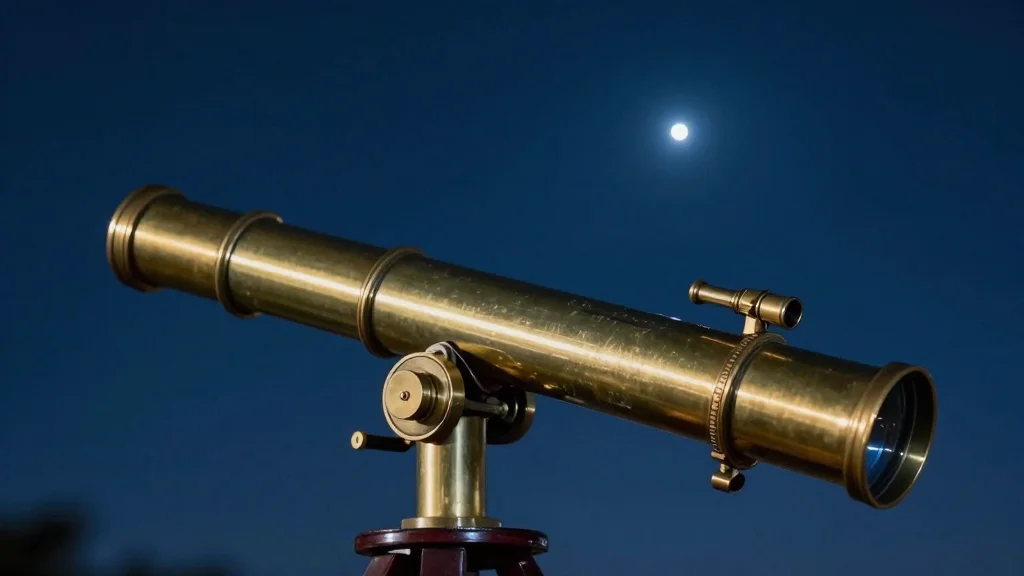
March 19, 1799: The Birth of William Rutter Dawes
William Rutter Dawes, born March 19, 1799 in London, transitioned from medicine and the clergy to become a leading 19th‑century amateur astronomer. From a private Lancashire observatory he catalogued over 200 double stars, later moving to George Bishop’s Observatory where...
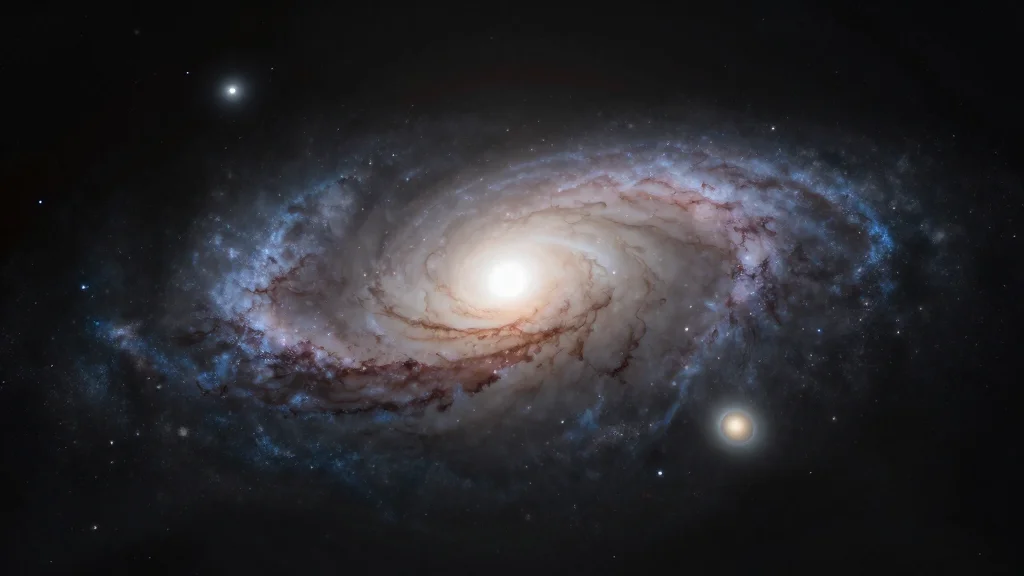
Why Doesn’t Astronomy Magazine Recognize Messier 110?
Astronomy magazine does not list Messier 110 because the original Messier catalogue, compiled by Charles Messier, stops at 103 objects. Although Messier observed the Andromeda satellite galaxy, he never assigned it a Messier number, and it was only added by amateur Kenneth Glyn Jones...

March 18, 1965: The First Spacewalk
On March 18, 1965, Soviet cosmonaut Alexei Leonov performed the first human spacewalk during the Voskhod 2 mission. He spent roughly 12 minutes outside the capsule before a suit malfunction forced him to depressurize and crawl back, narrowly surviving. While in...
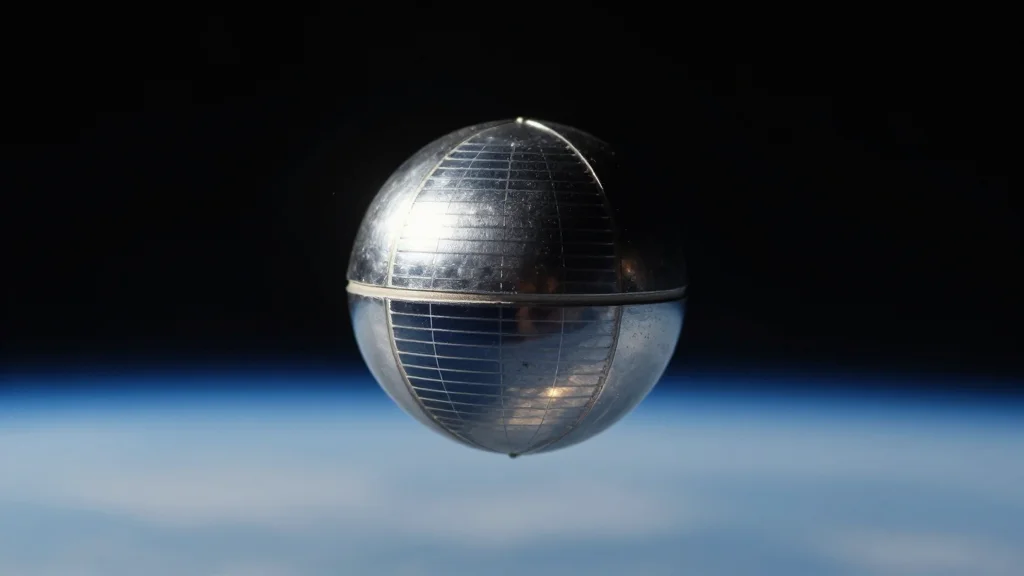
March 17, 1958: Vanguard 1 Blasts Off
On March 17, 1958 the United States launched Vanguard 1, its second satellite and the world’s first solar‑powered spacecraft. The 3‑pound metal sphere, only 6.5 inches across, entered a high‑altitude orbit that has kept it aloft for more than six decades, making...
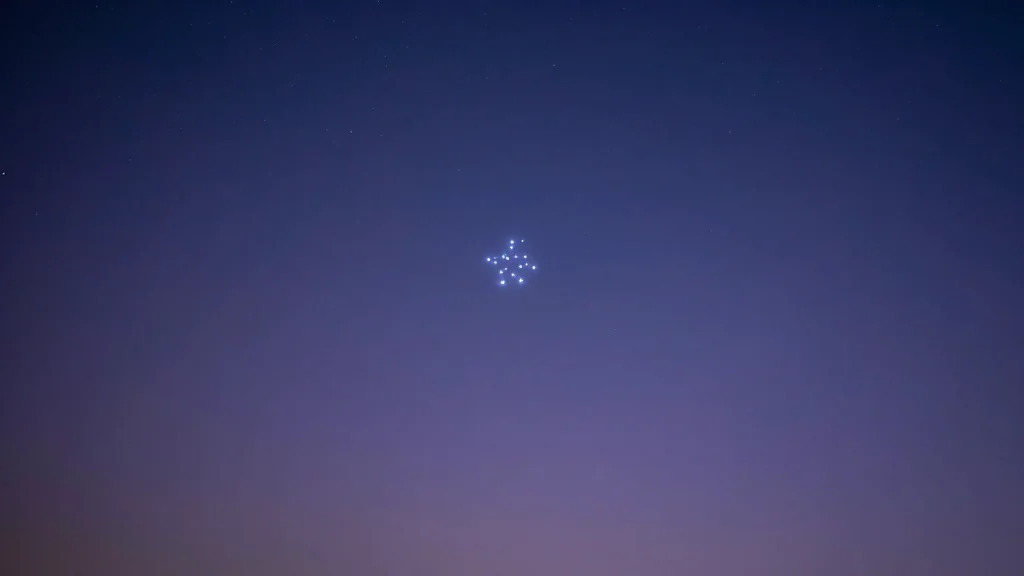
The Sky Today on Tuesday, March 17: Visit M29 in Cygnus
The open cluster M29 in Cygnus reaches about 35° altitude in the east around 5 A.M. on March 17, making it a prime early‑morning target for sky‑watchers. Spanning roughly 7 arcminutes and shining at 7th magnitude, it is easily captured with binoculars or...
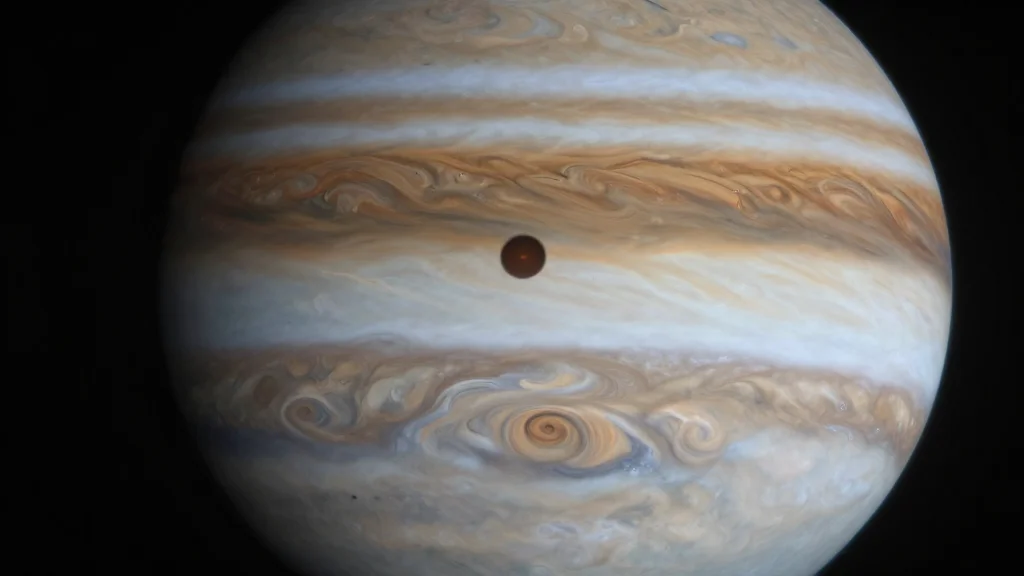
Jupiter’s Volcanic Moon
Io, Jupiter’s innermost Galilean moon, remains the solar system’s most volcanically active world, its eruptions powered by intense tidal heating. A new image captured on March 3, 2026 shows Io transiting Jupiter’s disk, complete with its shadow at the planet’s center. The...
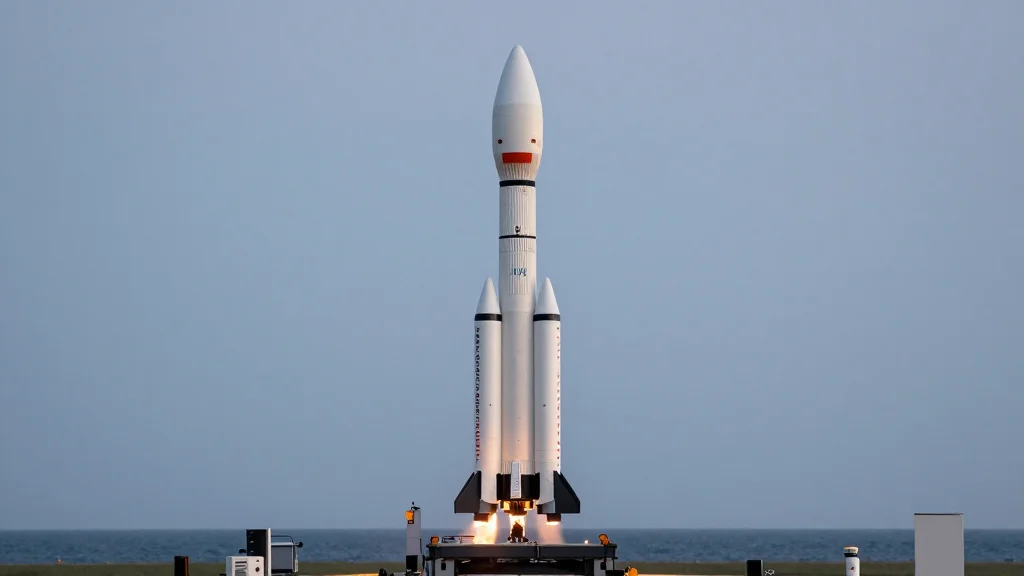
Europe’s Spectrum Rocket Returns to the Skies with Onward and Upward
German startup Isar Aerospace is set for the second flight of its Spectrum launch vehicle, dubbed “Onward and Upward,” from Andøya Space in Norway on March 19. The mission marks the rocket’s first customer payload flight, carrying five CubeSats and a...
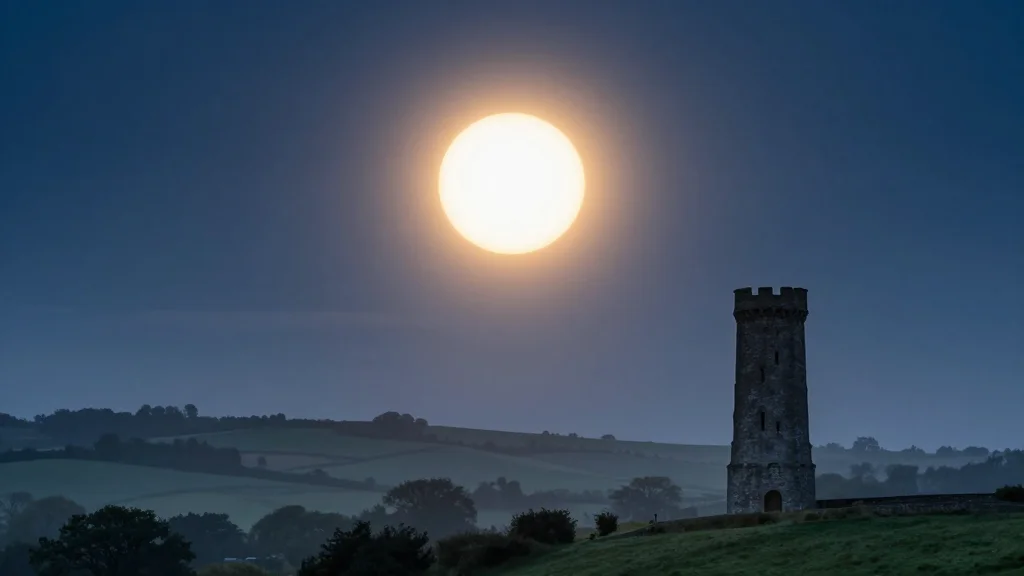
March 16, 1485: A Solar Eclipse over England
On March 16, 1485 a solar eclipse traced a path from the Pacific across the Atlantic, where it lingered for a maximum of 4 minutes 53 seconds, before moving into Eastern Europe. England experienced only a partial obscuration, but the event coincided with the death...
Starmus Festival Set for October in the Canary Islands
The Starmus Festival will return to the Canary Islands from October 17‑22, 2026, under the theme “The Search for Truth.” The event, founded by astronomers Garik Israelian and Brian May, will celebrate the 10th anniversary of the Stephen Hawking Medal...
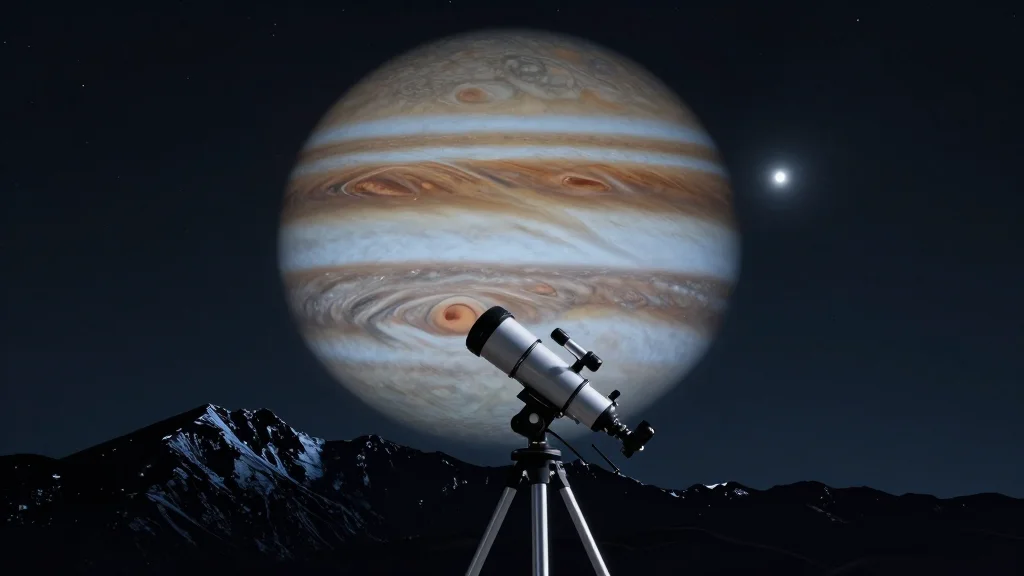
The Sky Today on Saturday, March 14: Io Rounds Jupiter
Astronomers can watch Io transit Jupiter early on March 14, 2026, with the transit beginning at 2:52 a.m. EDT and the moon’s shadow joining at 2:00 a.m. MDT. After completing its orbit, Io will slip behind Jupiter in an occultation around 12:10 a.m. EDT...
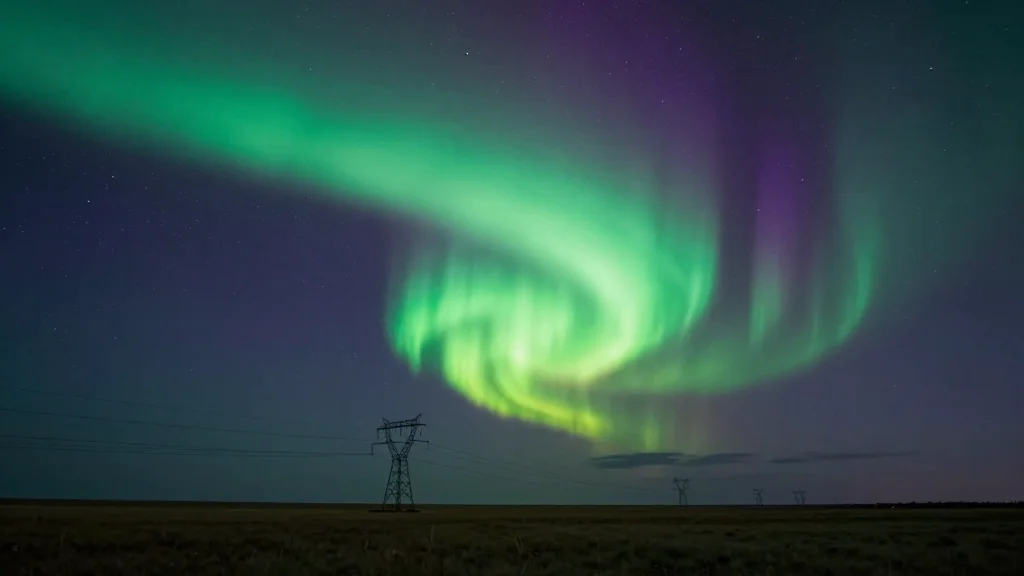
March 13, 1989: Quebec Goes Dark
In March 1989 a series of intense solar flares—including an X4.5 on March 10 and an M7.3 on March 12—produced coronal mass ejections that struck Earth on March 13, triggering a massive geomagnetic storm. The storm drove aurorae visible as far south as...
Andromeda’s Knotty Arms
Astronomy Magazine unveiled a composite image of the Andromeda Galaxy’s spiral arms, assembled from 400 hours of total exposure using narrow‑band Hα, SII and OIII filters. The 215.6‑hour Hα exposure maps ionized hydrogen, while 46.6‑hour SII and 132.8‑hour OIII exposures...
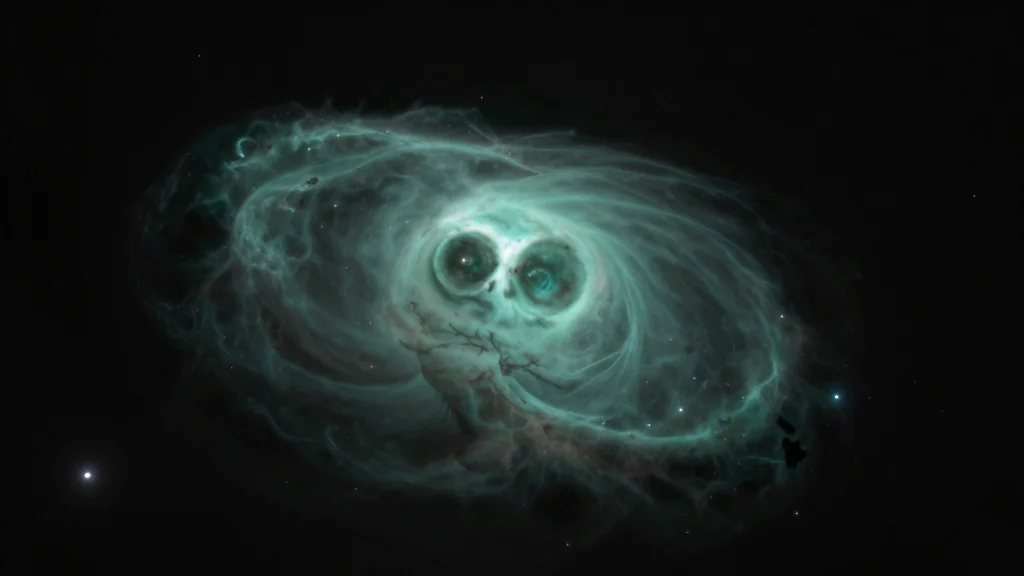
The Sky Today on Friday, March 13: Look Into the Eyes of the Owl
The Owl Nebula (M97) in Ursa Major lies 2.3° southeast of the Pointer Star Merak and appears as a faint, 10th‑magnitude planetary nebula about three arcminutes across. Visible in small telescopes, it reveals more detail—including its characteristic “eyes”—with 6‑inch apertures or...
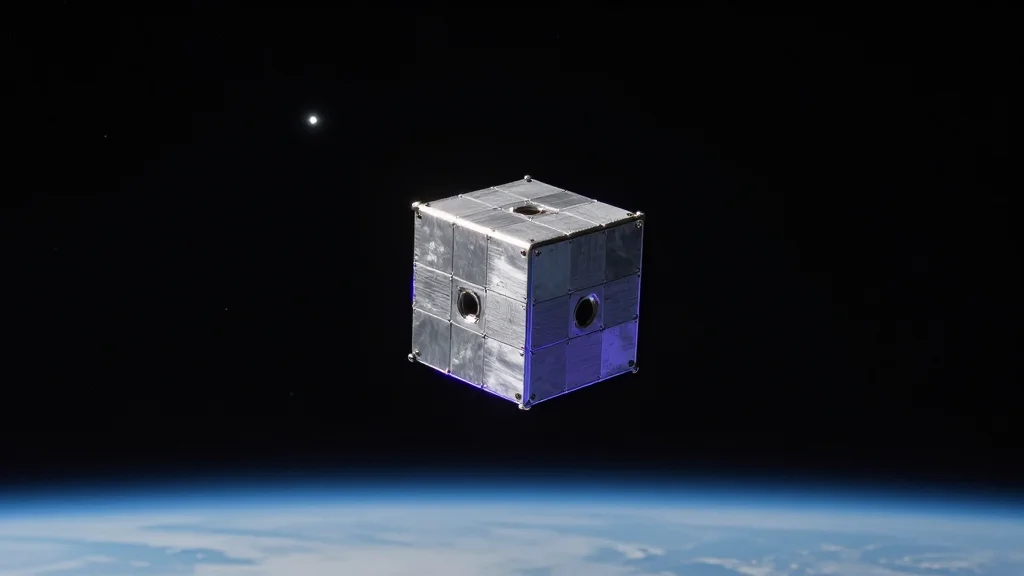
The First Commercial Space Telescope Just Achieved First Light
Mauve, the world’s first commercial space‑science telescope, recorded its first light on Feb. 9, 2026, capturing a UV spectrum of the star Alkaid. Launched aboard SpaceX’s Transporter‑15 in November 2025, the 5‑inch CubeSat operates in low‑Earth orbit to study stellar flares...
March 11, 1811: The Birth of Urbain Le Verrier
Urbain Le Verrier, born March 11, 1811, was a French astronomer who mathematically identified the cause of Uranus’s orbital irregularities. By applying Newtonian mechanics, he predicted the position of an unseen planet, later confirmed as Neptune in September 1846. His calculations, sent to Johann Galle, led...
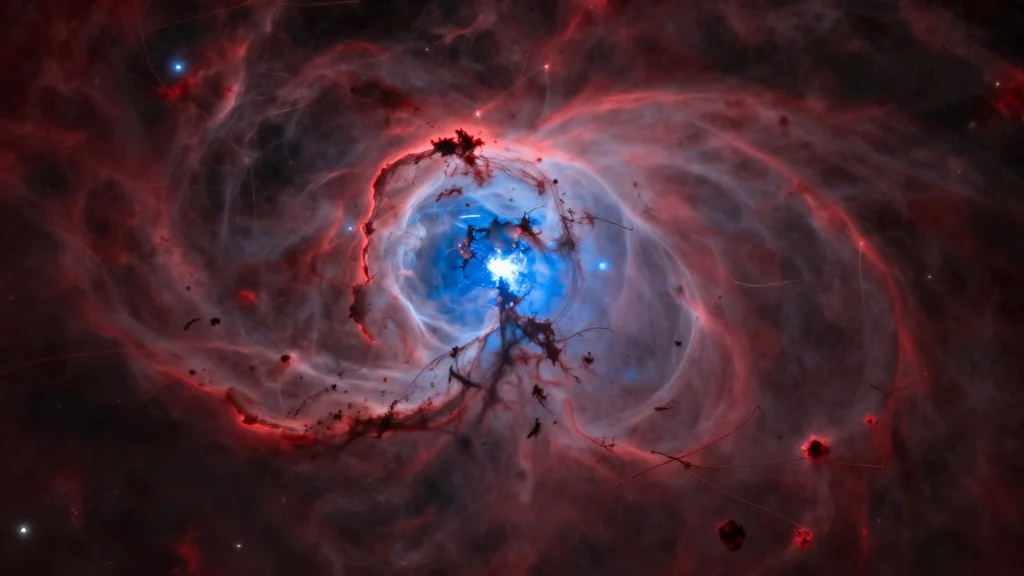
Tangled up in Red
Astrophotographer Emil Andronic captured a detailed image of Cederblad 51, a blue reflection nebula embedded in the red emission nebula Sharpless 2‑264 in Orion. The composite combines 69 hours 15 minutes of Hα‑LRGB data collected between September 9 and December 19 2025 using twin 8‑inch f/5 Newtonian telescopes....
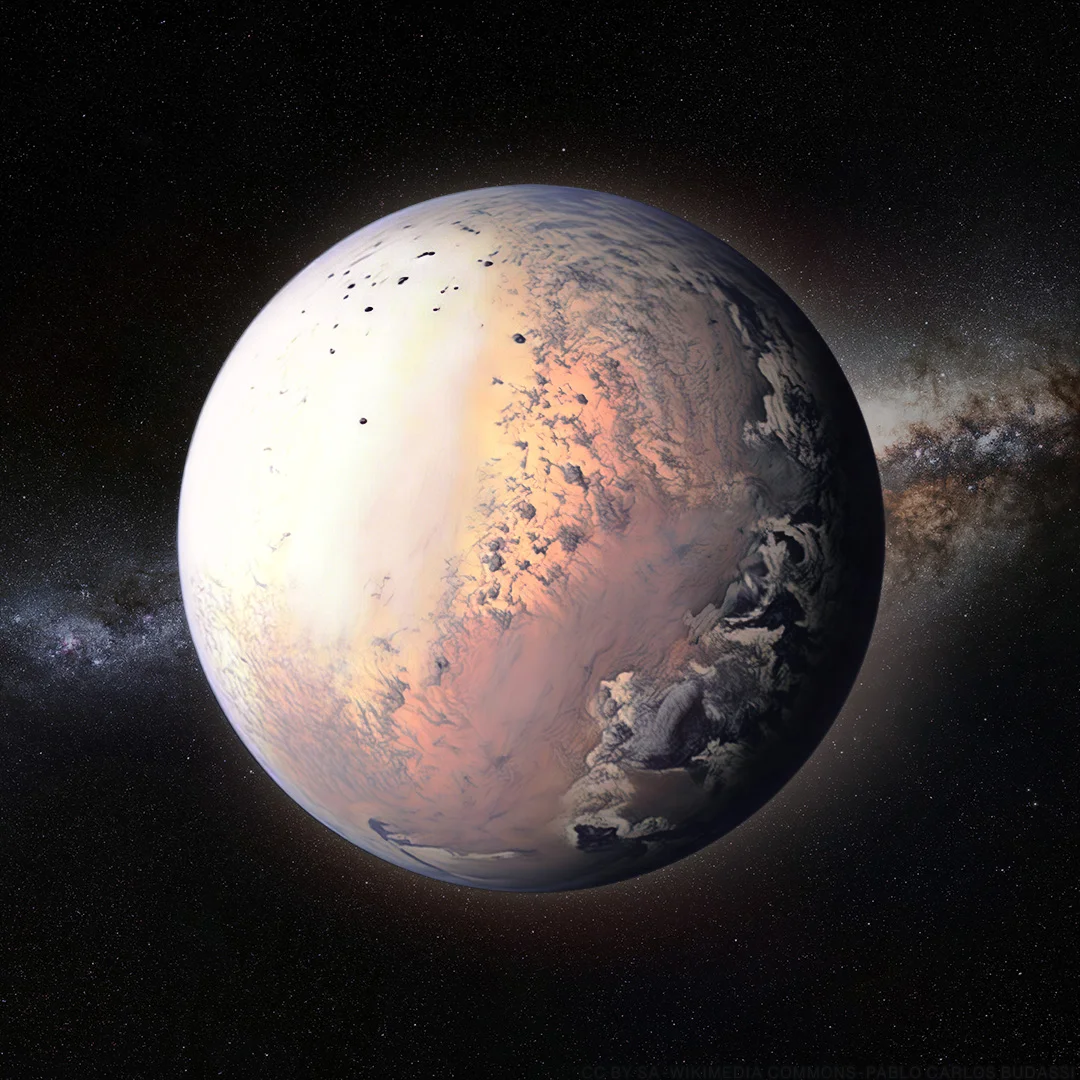
TOI-6255 B: A Planet on the Edge of Destruction
Astronomers confirmed the ultra‑short‑period exoplanet TOI‑6255 b, an Earth‑sized world orbiting its star every 5.7 hours, using combined data from TESS and the Keck Planet Finder. The planet sits just outside its star’s Roche limit, meaning tidal forces are already stretching it...
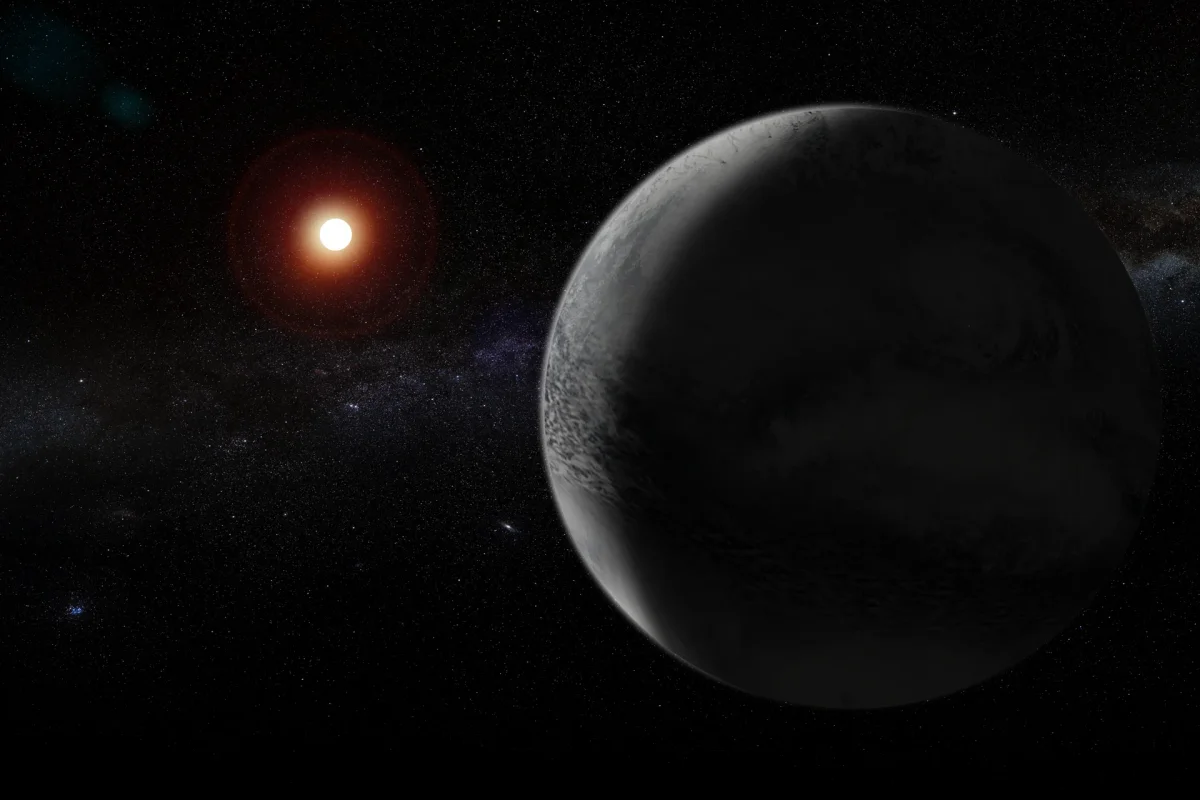
No Signs of Technology on Exoplanet K2-18 B
A joint VLA‑MeerKAT campaign conducted a 33‑day, broadband radio survey of the hycean exoplanet K2‑18 b, covering 544 MHz to 9.8 GHz. After filtering over 20 million detections, the team found no narrowband technosignatures, marking the most extensive search of its kind for this...
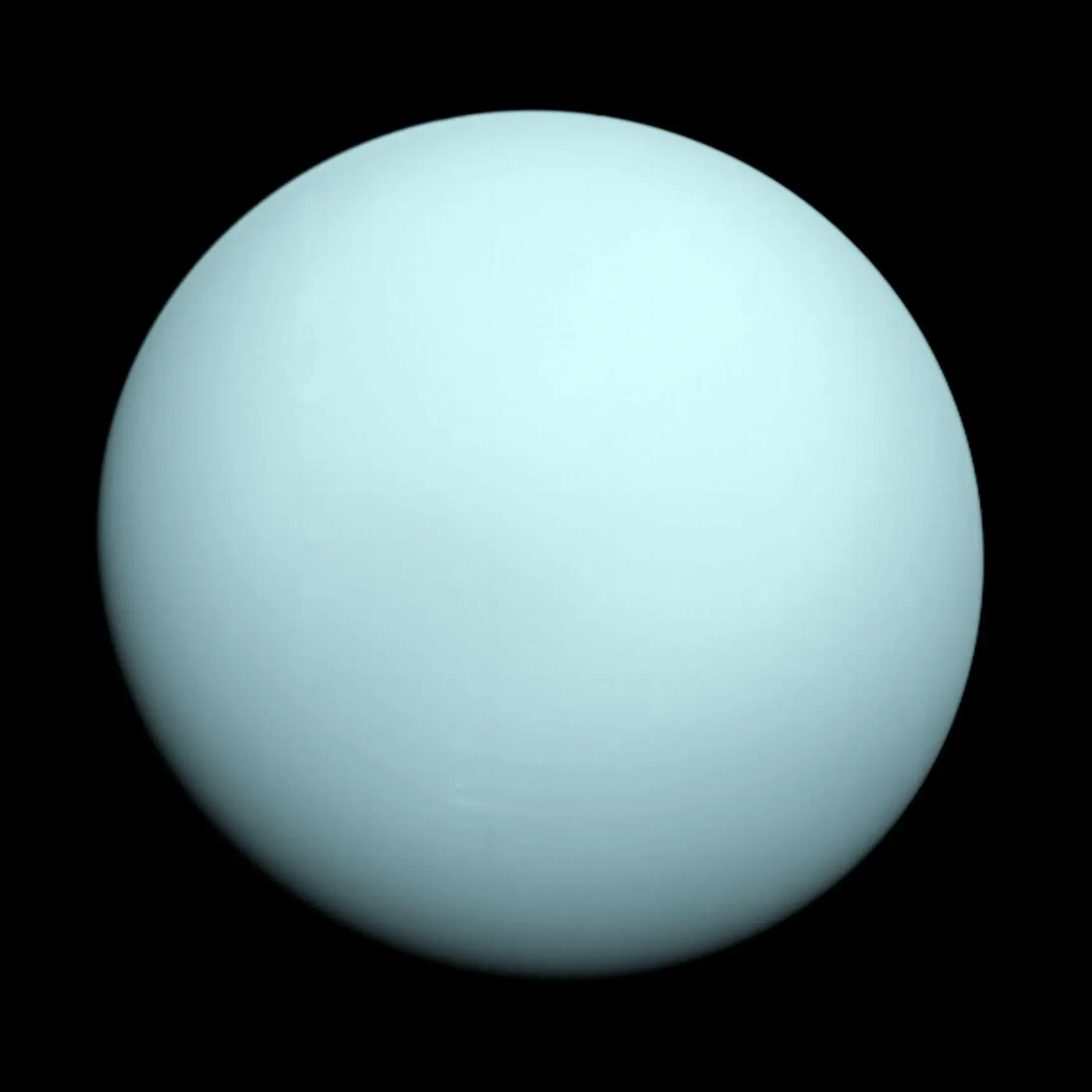
March 10, 1977: Uranus Has Rings
On March 10, 1977 a team led by James Elliot used the Kuiper Airborne Observatory to record a predicted occultation of star SAO 158687 by Uranus. An early‑start recording captured a brief dip in starlight that repeated on the opposite limb, confirming the...
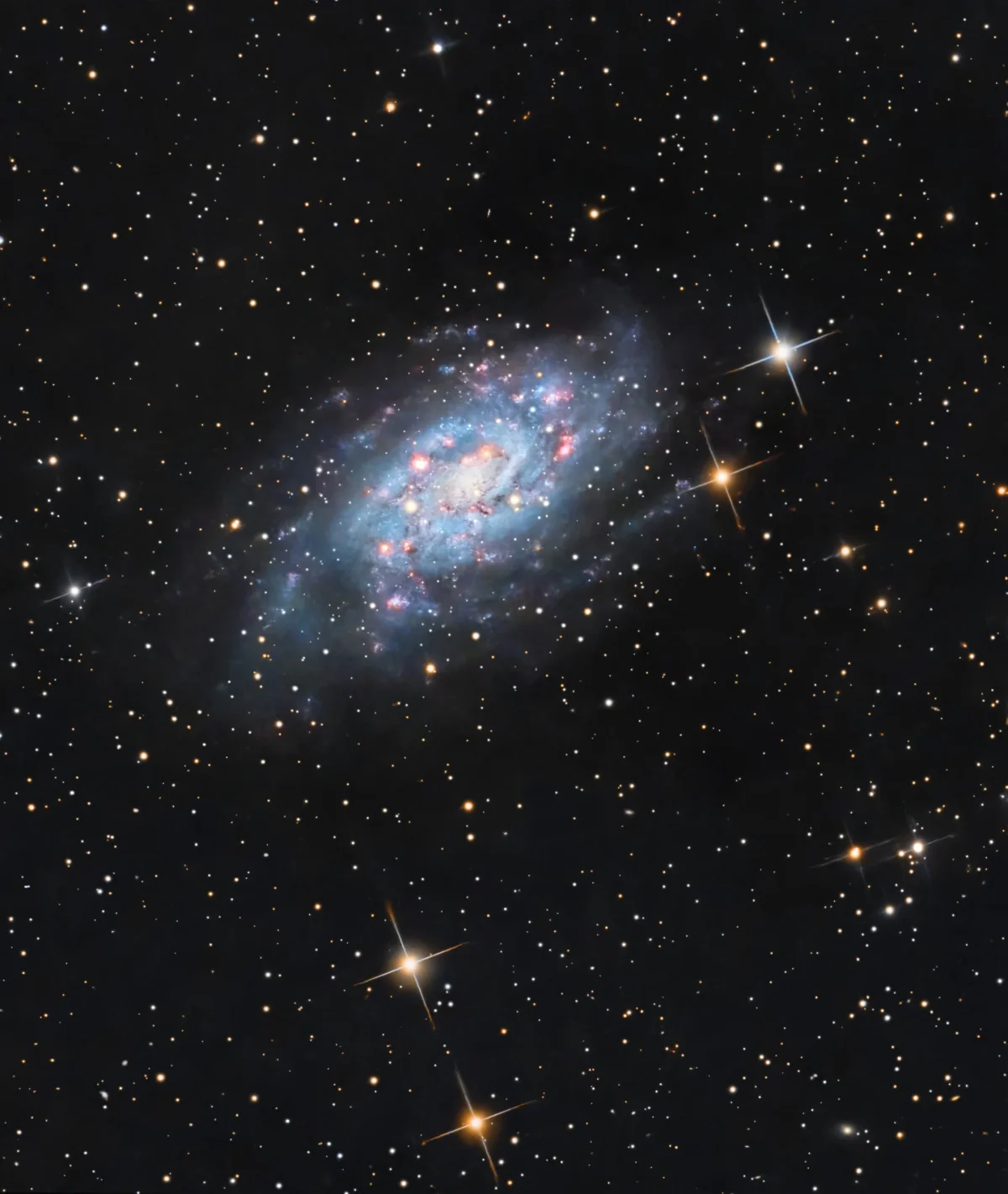
A Triangulum Lookalike
NGC 2403, a spiral galaxy in Camelopardalis, closely mirrors the Triangulum Galaxy (M33) in structure and vigorous star‑forming regions. It resides roughly 8 million light‑years away as part of the nearby M81 galaxy group. Cataloged as Caldwell 7, the galaxy was captured in...
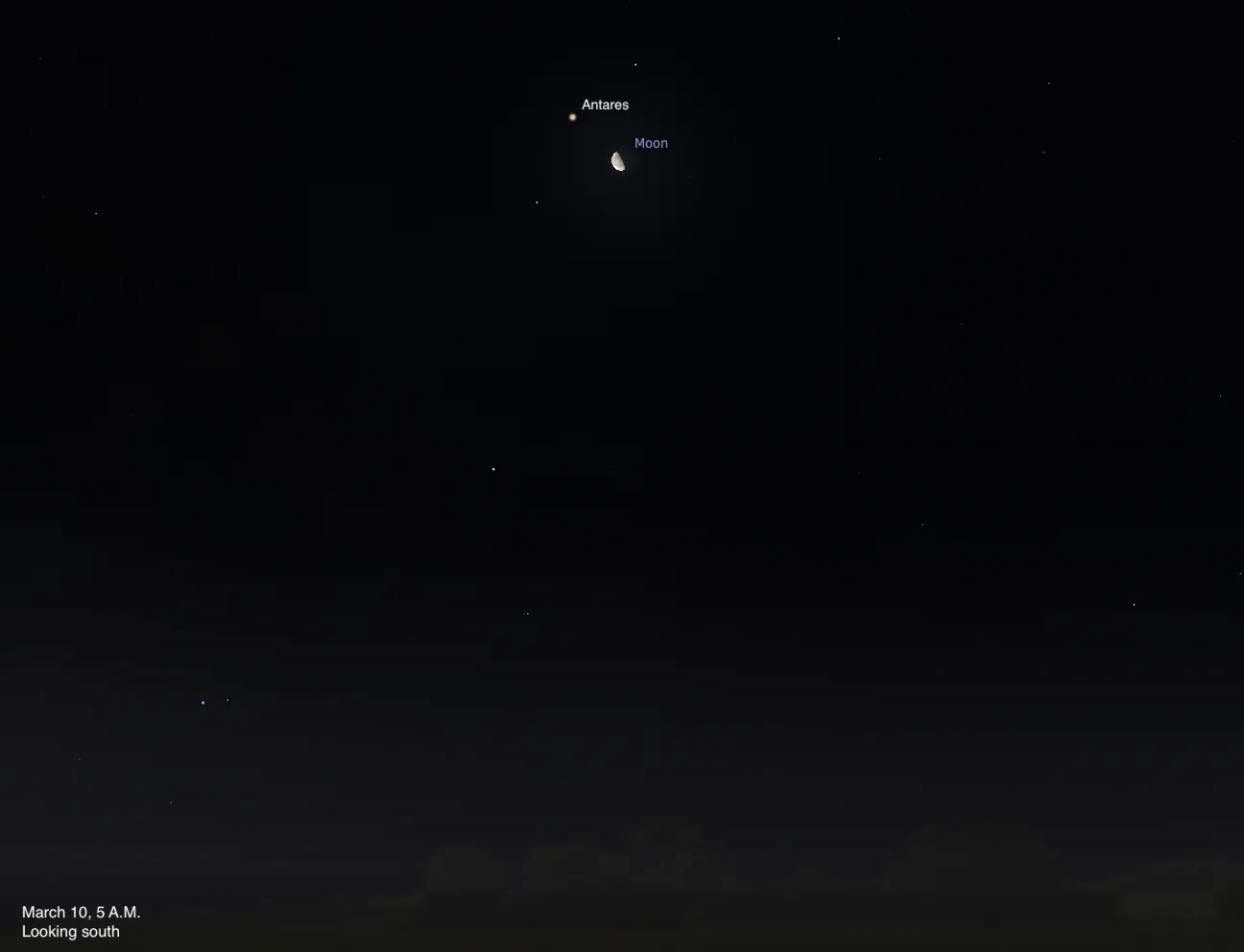
The Sky Today on Tuesday, March 10: The Moon Visits Red Giant Antares
On March 10, 2026 the waning gibbous Moon will glide within 0.7° of the red‑giant star Antares in Scorpius, reaching its closest approach at 8 A.M. EDT. The pair will sit about 20° above the southern horizon for mid‑latitude observers, offering a striking...
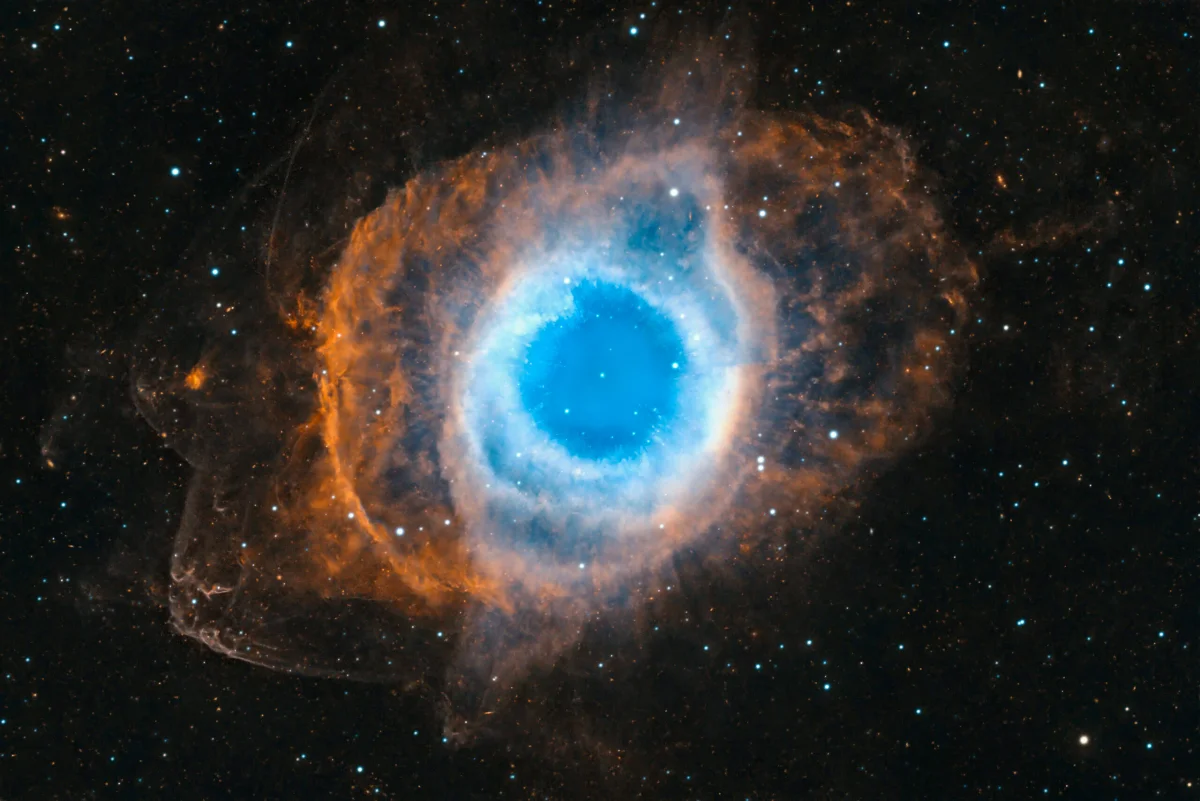
Eye in the Sky
The Helix Nebula (NGC 7293), often dubbed the Eye of God or Eye of Sauron, is a striking planetary nebula located about 650 light‑years from Earth in the constellation Aquarius. It represents the final evolutionary stage of a Sun‑like star that...
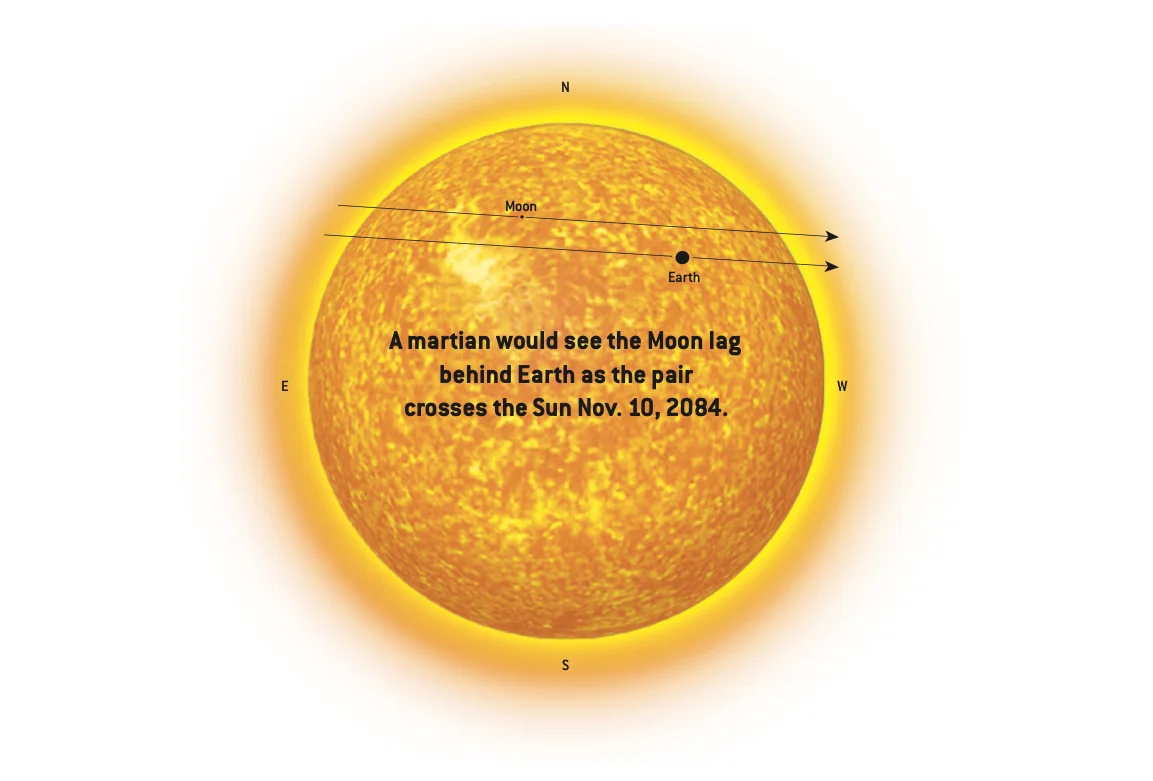
How Often Does Earth Transit the Sun for an Observer on Mars?
From the perspective of Mars, Earth transits the Sun only four times within a 284‑year cycle, occurring in May or November with intervals of 100.5, 79, 25.5 and 79 years. The most recent transit was on May 11, 1984, and the next...
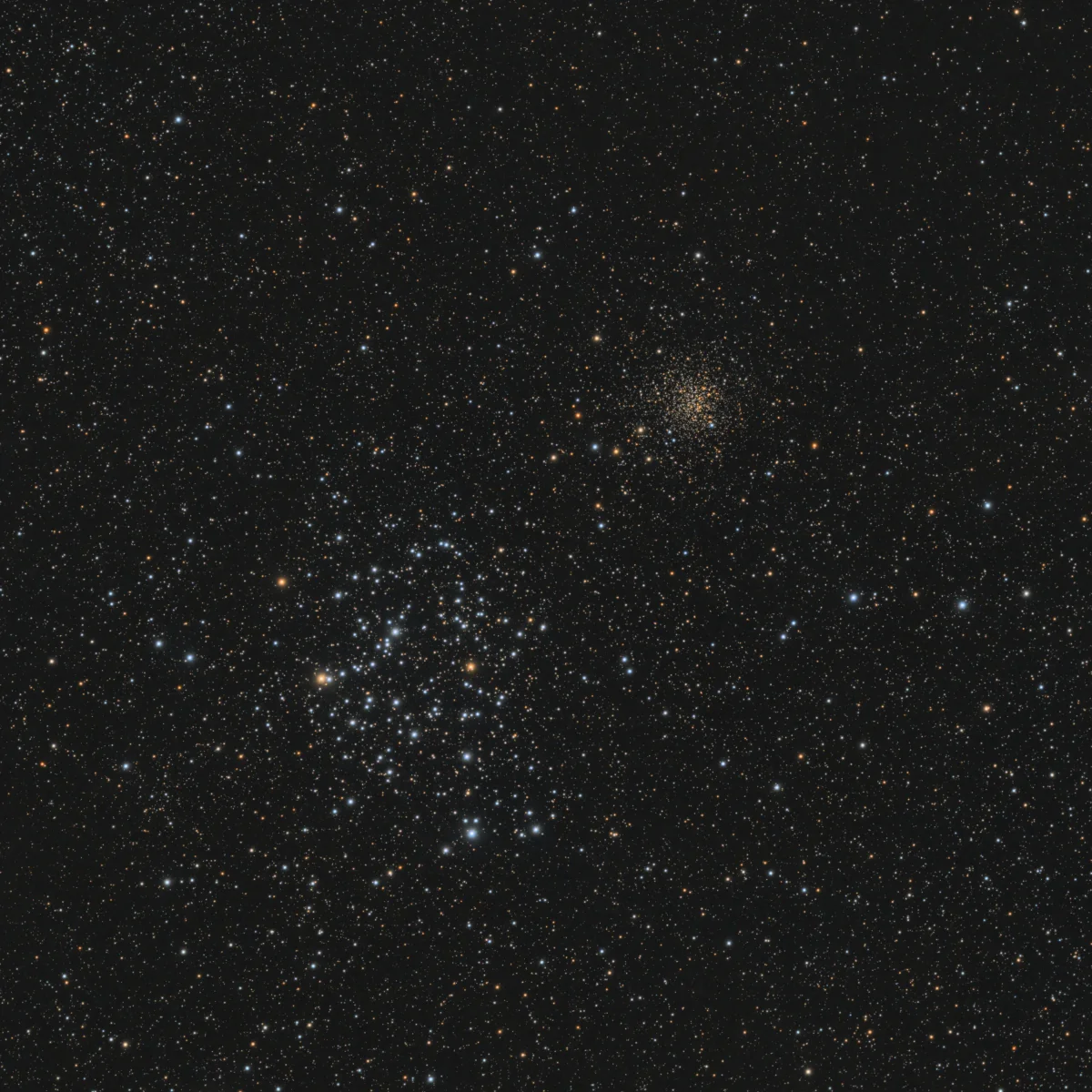
Gemini’s Springtime Star Clusters Are Ripe for Exploring
Astronomy magazine’s editor Dave Eicher highlights two open clusters in Gemini—M35, a bright 3,000‑light‑year‑distant target visible with binoculars, and NGC 2158, an 11,000‑light‑year‑distant cluster requiring a telescope. Both objects rise high in the spring night sky, offering a striking depth‑of‑field contrast....
March 8, 1986: The Second of Five Probes Flies by Halley’s Comet
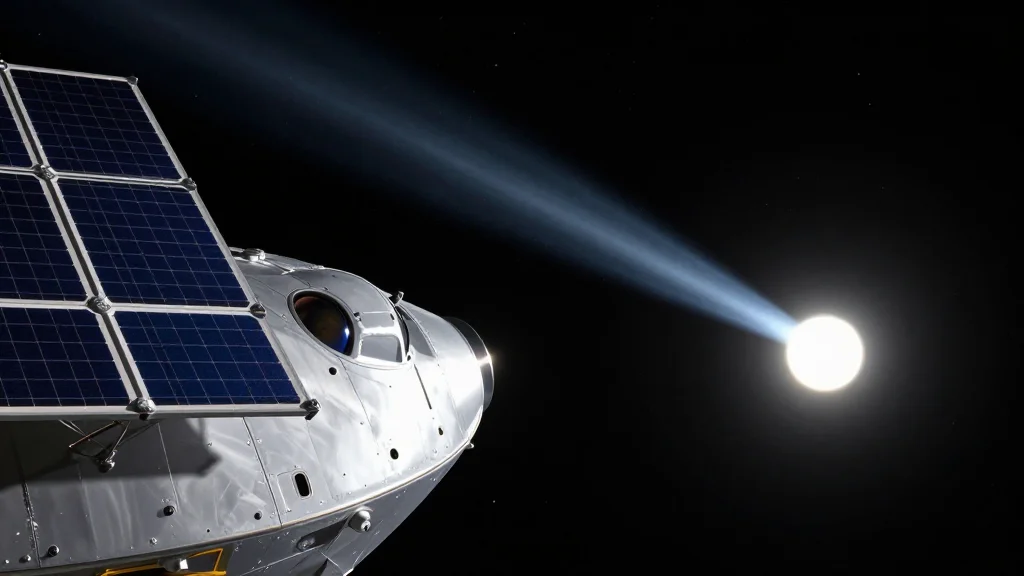
On March 8 1986, Japan’s Suisei probe became the second spacecraft to fly past Halley’s Comet, part of an international “Halley Armada” that also included two Soviet Vega probes, Japan’s Sakigake, and ESA’s Giotto. The comet’s perihelion occurred on February 9, placing it...
The Sky Today on Sunday, March 8: Spiral Galaxy NGC 2541
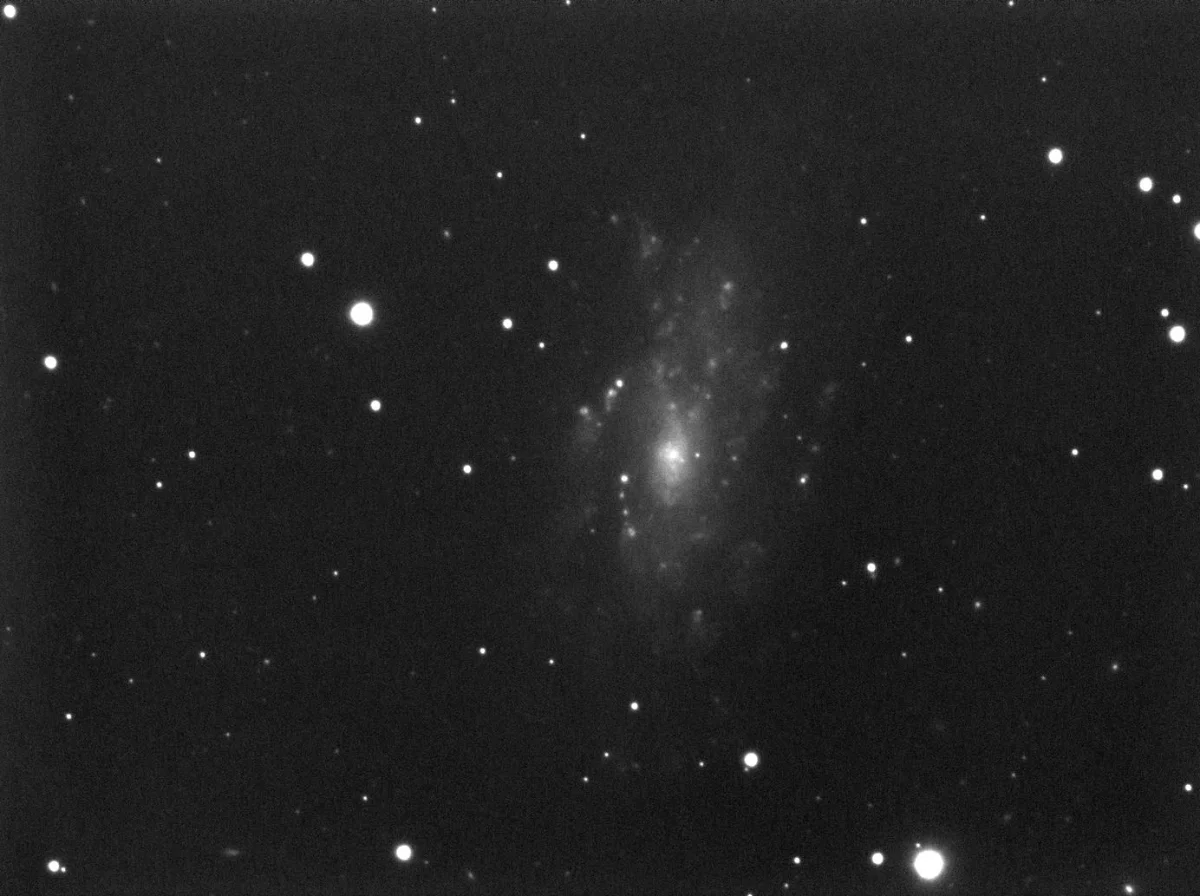
Daylight‑saving time begins, moving clocks forward an hour, which shifts the optimal viewing window for the faint spiral galaxy NGC 2541 in the constellation Lynx. The galaxy, a 12th‑magnitude, 37‑million‑light‑year‑distant intermediate spiral, is best attempted around 9‑10 PM local time with a...
March 7, 1792: The Birth of John Herschel
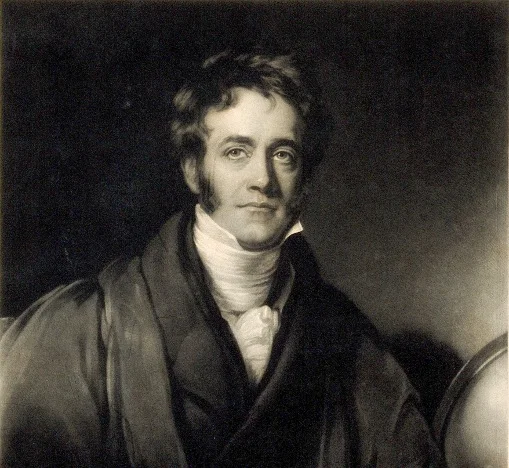
John Herschel, born March 7, 1792, was the sole child of famed astronomer William Herschel. After studying mathematics at Cambridge, he collaborated with his father and co‑founded the Royal Astronomical Society in 1820, later producing a celebrated double‑star catalog with...
The Sky Today on Saturday, March 7: Venus Meets Saturn
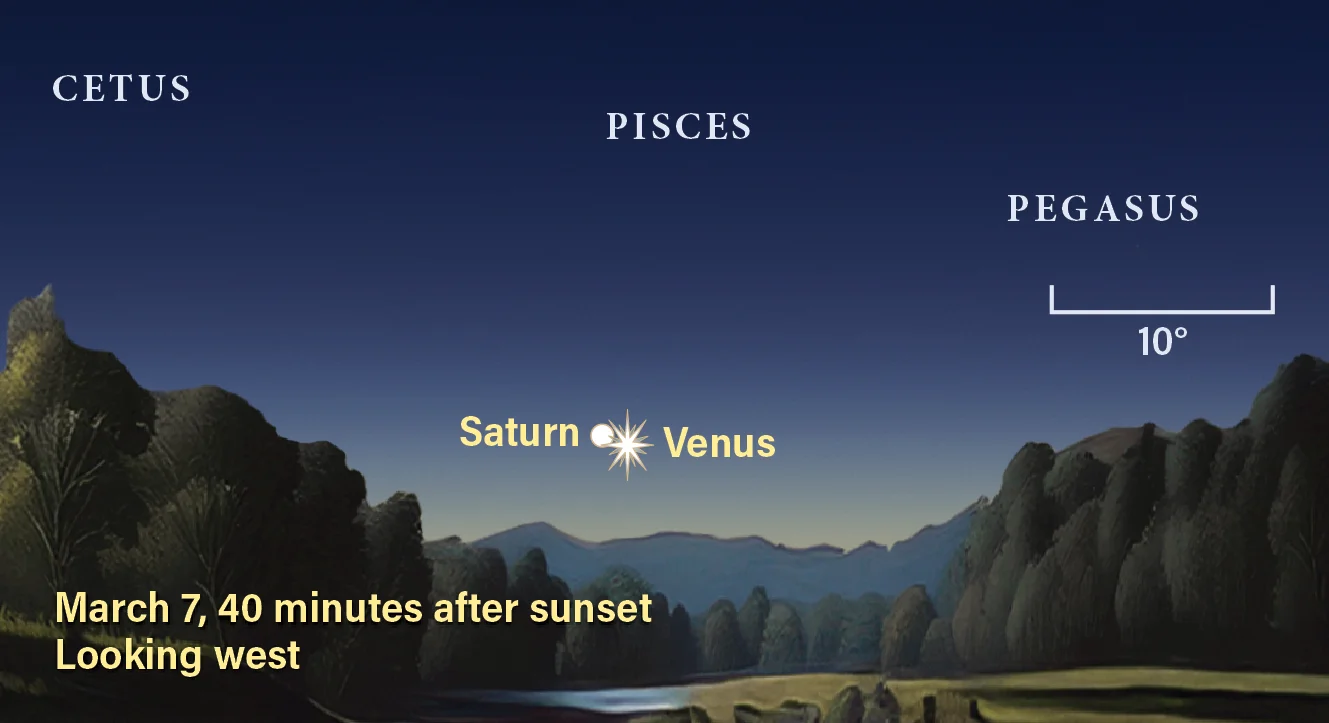
On the evening of March 7, 2026, bright Venus will sit low in the western sky about 7° above the horizon, with first‑magnitude Saturn positioned roughly 1° southeast, creating a striking planetary conjunction. Venus appears as a 10‑arcsecond, 97%‑lit gibbous disk, while...
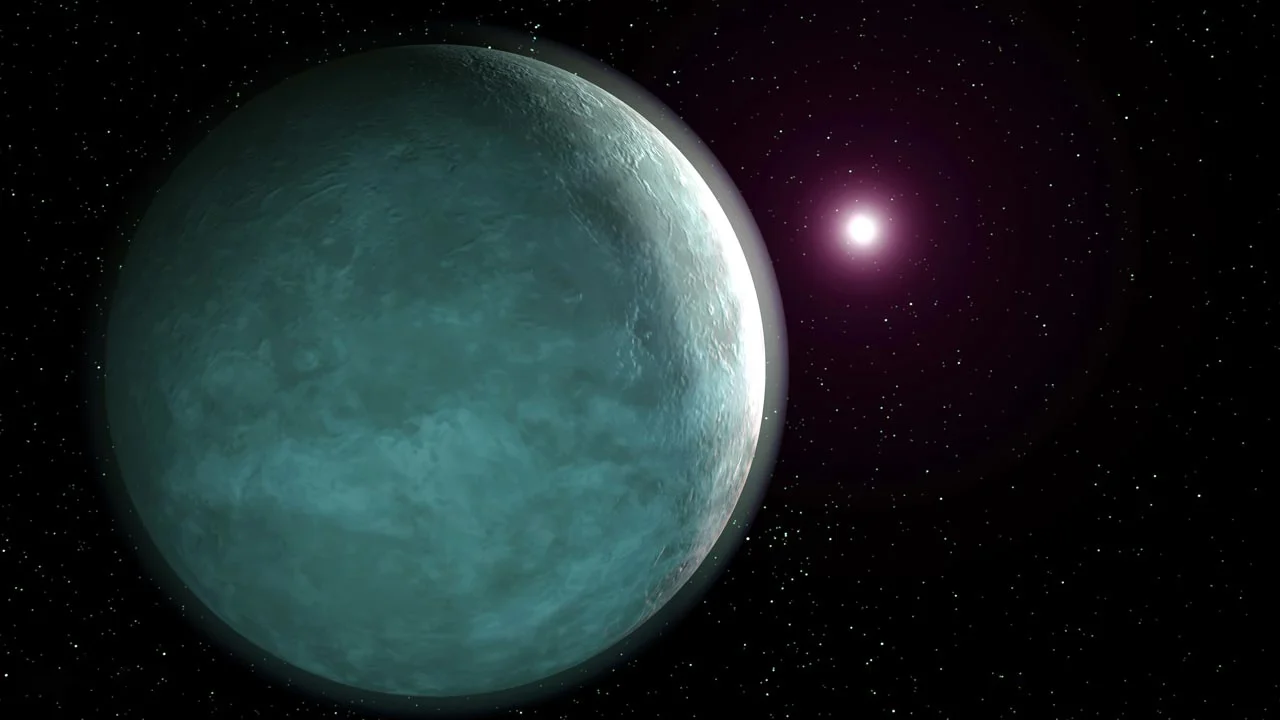
Astronomers Confirm Potentially Habitable Exoplanet in the Solar Neighborhood
Researchers have confirmed a super‑Earth, GJ 887 d, orbiting within the habitable zone of the nearby M‑dwarf GJ 887, only 10.7 light‑years from Earth. The planet, with a minimum mass about six times Earth’s and a 51‑day orbital period, is the second known...
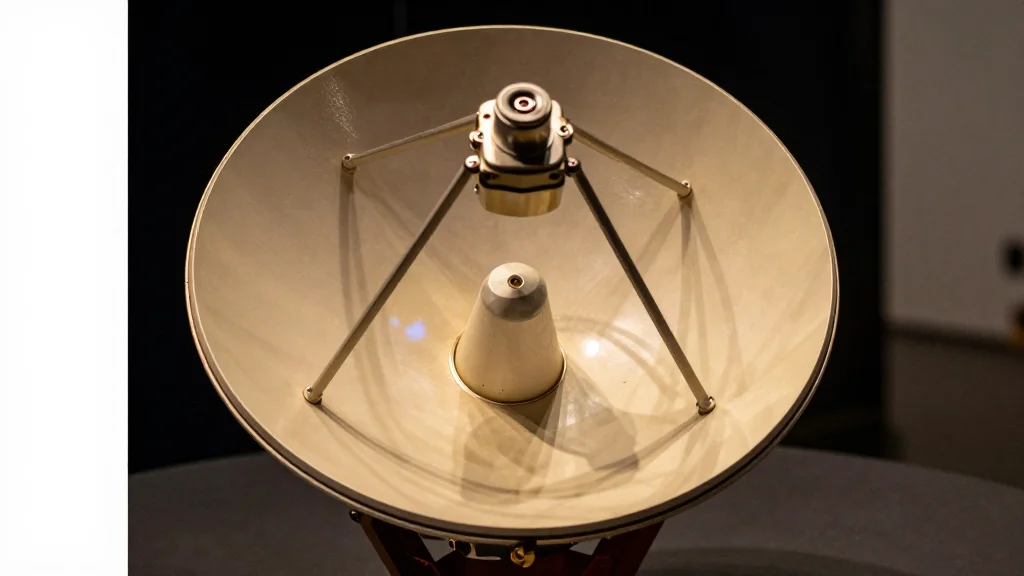
March 6, 1953: The Birth of Carolyn Porco
Carolyn Porco, born March 6, 1953, rose from a doctoral candidate in earth and space sciences to become a leading planetary imaging scientist. She joined the Voyager team in the early 1980s and co‑planned the iconic 1990 “Pale Blue Dot” photograph with...
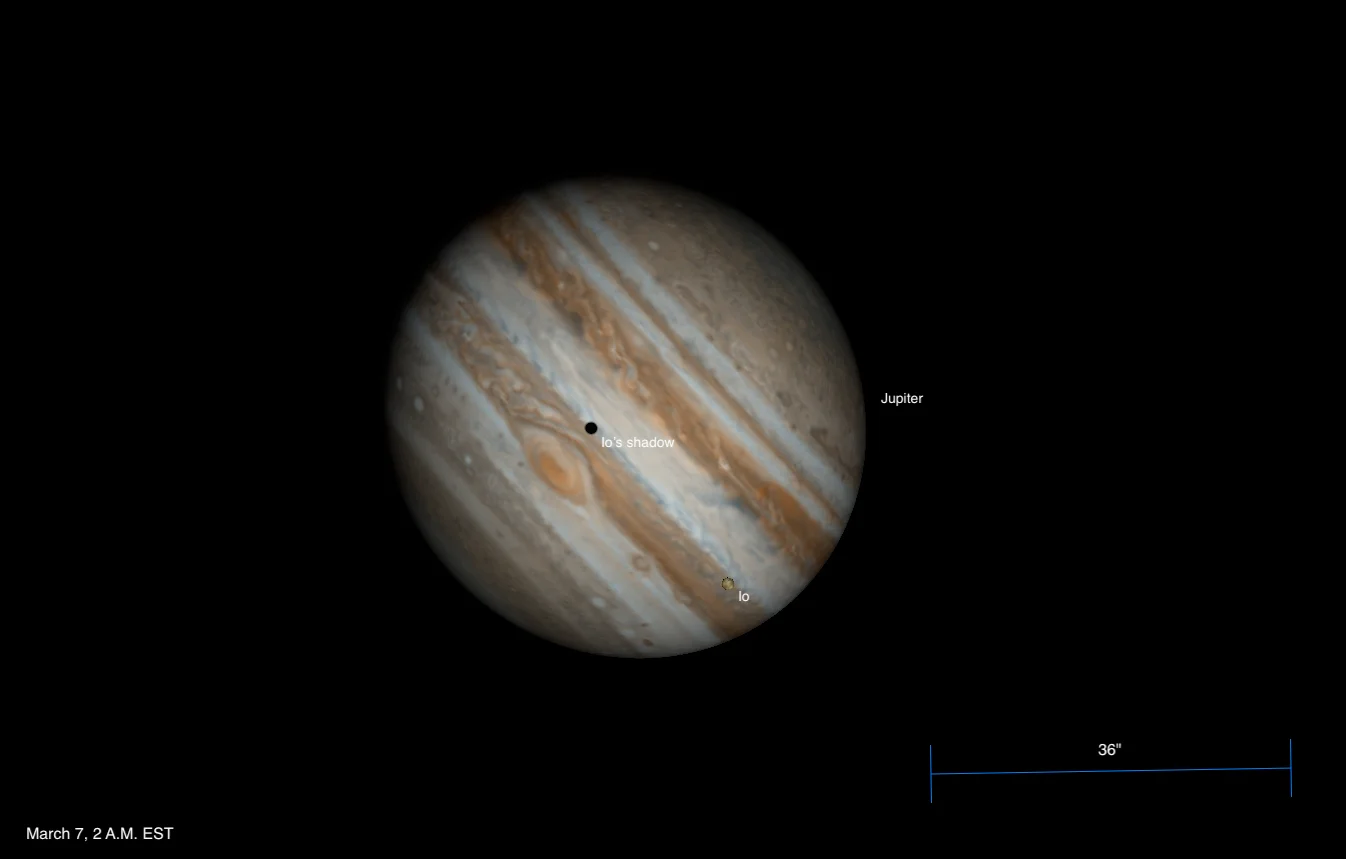
The Sky Today on Friday, March 6: Io’s Turn to Transit
Io will transit Jupiter’s disk on the night of March 6‑7, 2026, beginning at midnight EST and lasting about twenty minutes, followed by its shadow crossing for an additional hour. The event is visible from the East Coast, where Jupiter sits...
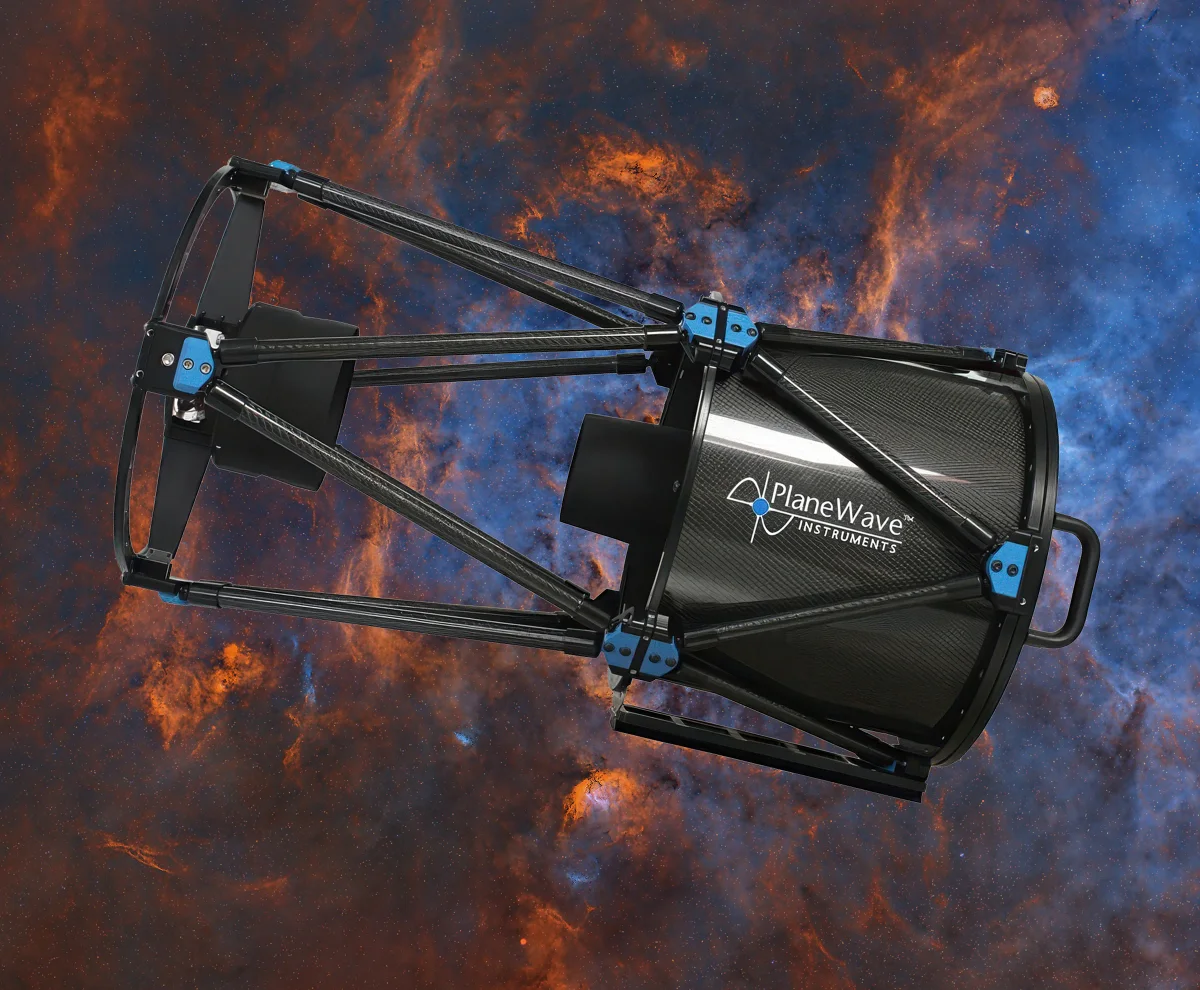
Observable Space’s CDK 14 Can Capture Your Cosmos
Observable Space’s CDK 14 is a 14‑inch Corrected Dall‑Kirkham telescope that delivers observatory‑class imaging in a compact, 48‑lb package. It features a fused‑silica primary, carbon‑fiber tube, and a fast f/7.2 focal ratio with a 2,563 mm focal length, providing a flat, coma‑free...
Michael’s Miscellany: The Eclipsed Sky
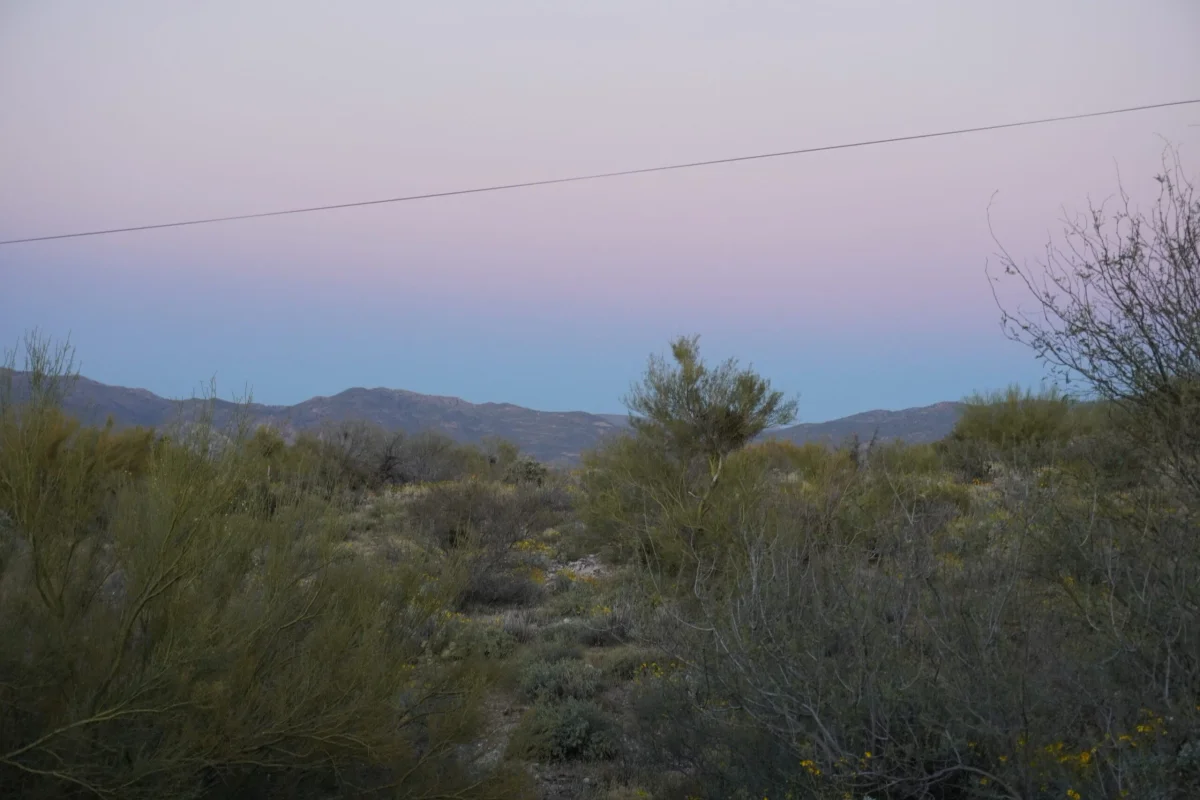
Astronomers can spot Earth’s shadow on any clear evening or morning, not just during lunar eclipses. The shadow rises about 4° after sunset and descends before sunrise, becoming visible when the surrounding sky brightens. Observers also see the pink “belt...
The Sky Today on Thursday, March 5: Time to Observe Comet Wierzchoś
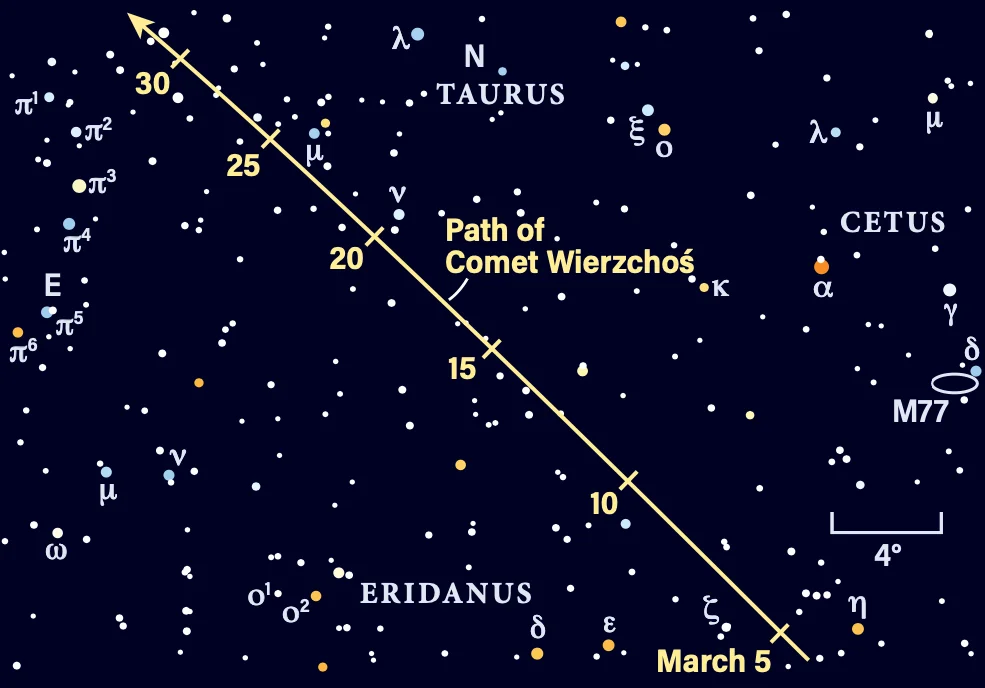
Astronomers announce a prime viewing window for Comet C/2024 E1 (Wierzchoś) beginning after sunset on March 5, when it will sit 20° above the horizon in Eridanus. The comet is easily located 2.9° east of the 4th‑magnitude star Eta Eridani and shows...
The Hunter Looms
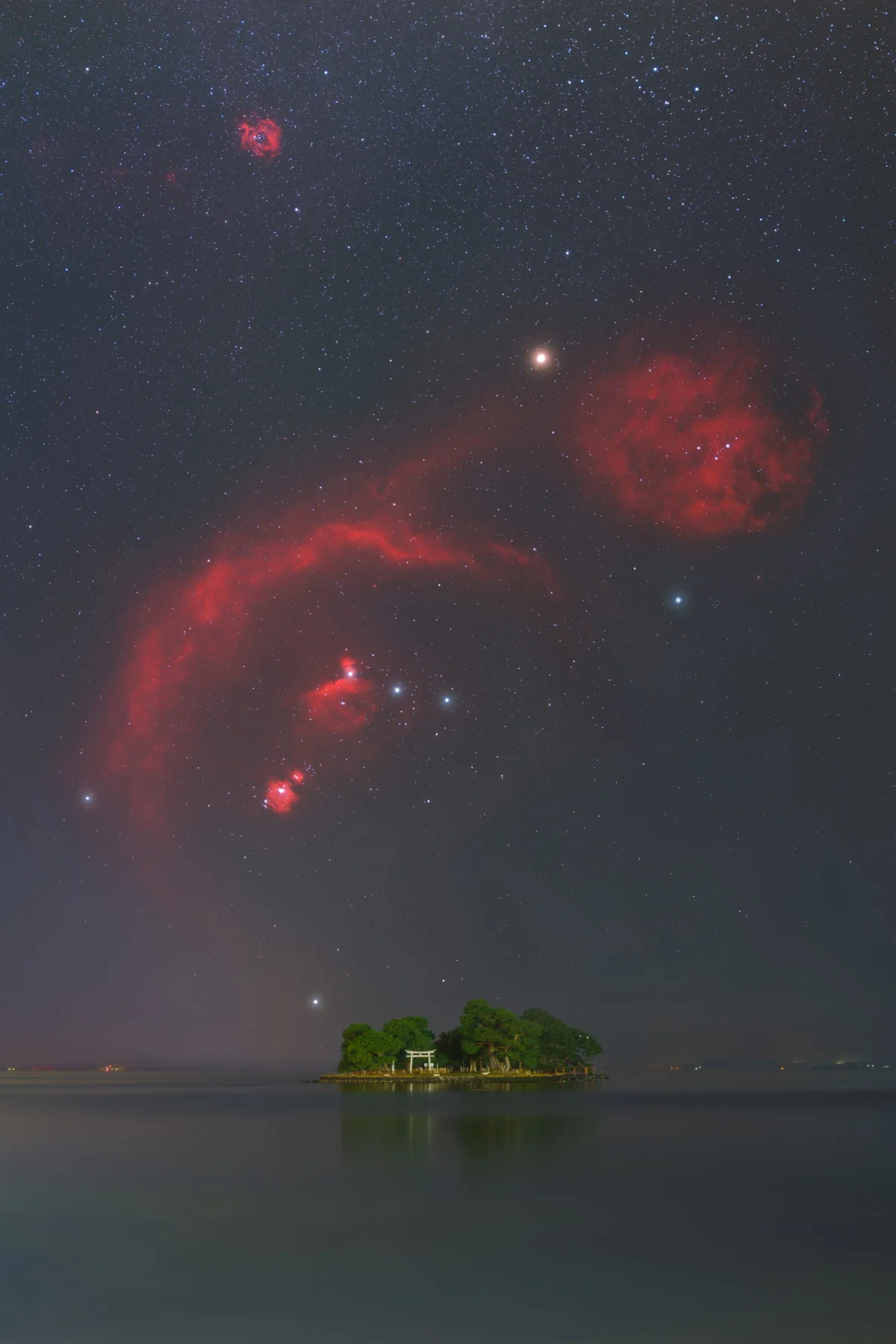
Astrophotographer Chenglu Peng captured a striking view of Orion’s familiar outline and the faint hydrogen glow of Barnard’s Loop from Yomegashima Island on Lake Shinji, Japan. Using a Sony mirrorless camera paired with a fast 50 mm f/1.2 lens, he recorded...
March 4, 1979: Voyager 1 Images Jupiter’s Ring
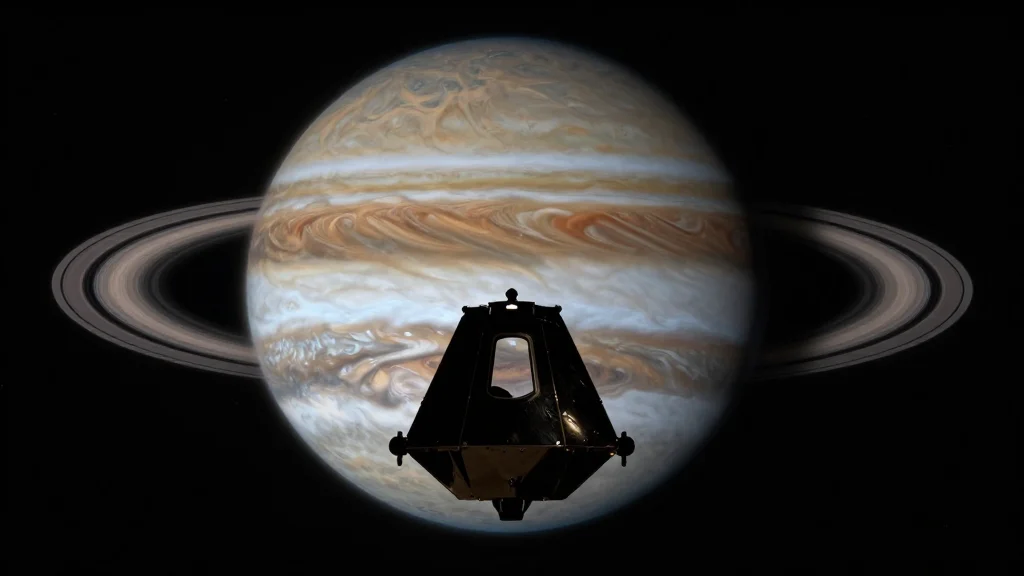
On March 4, 1979 Voyager 1 captured a landmark photograph that revealed Jupiter’s previously unseen ring system. The image required an 11‑minute‑12‑second exposure as the spacecraft swept past the planet, causing background stars to appear as zigzag streaks. The faint, thin ring proved...
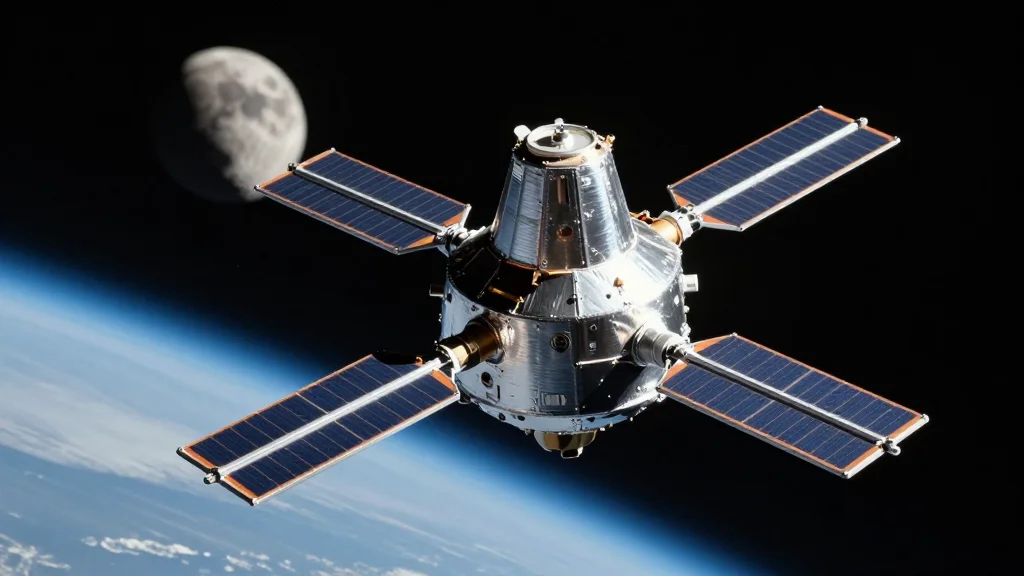
March 3, 1959: Pioneer 4 Launches
On March 3 1959 the United States launched Pioneer 4, the first American spacecraft to escape Earth’s gravity and enter heliocentric orbit. Intended to fly by the Moon and capture images, a prolonged second‑stage burn diverted it 60,000 km beyond the lunar surface, preventing...
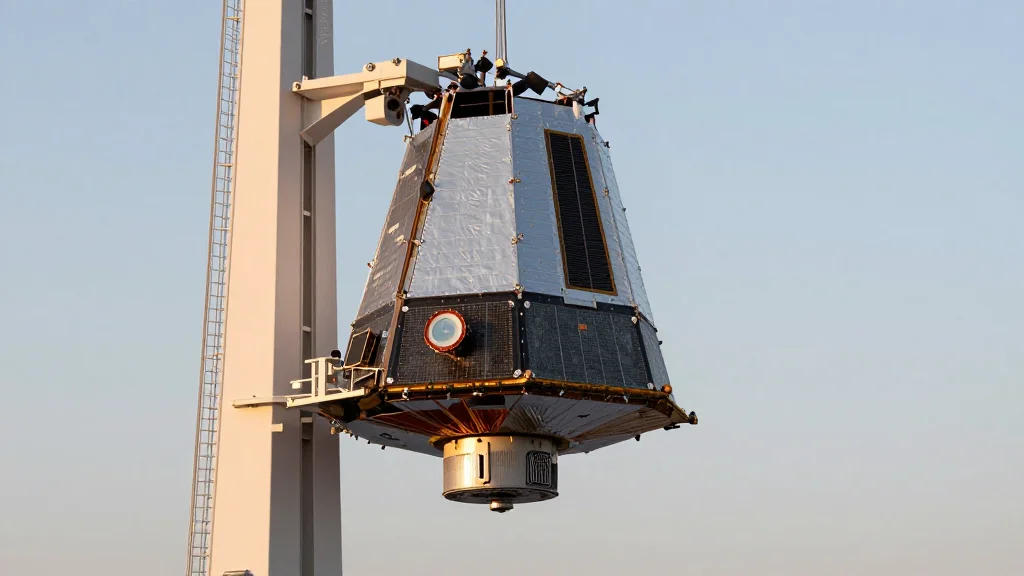
March 2, 2004: Rosetta Launches
On March 2, 2004 the European Space Agency launched the Rosetta‑Philae mission from French Guiana to rendezvous with comet 67P/Churyumov‑Gerasimenko. The spacecraft spent a decade traveling, using three Earth and one Mars gravity‑assist flybys to reach its target. In August 2014 Rosetta entered orbit,...
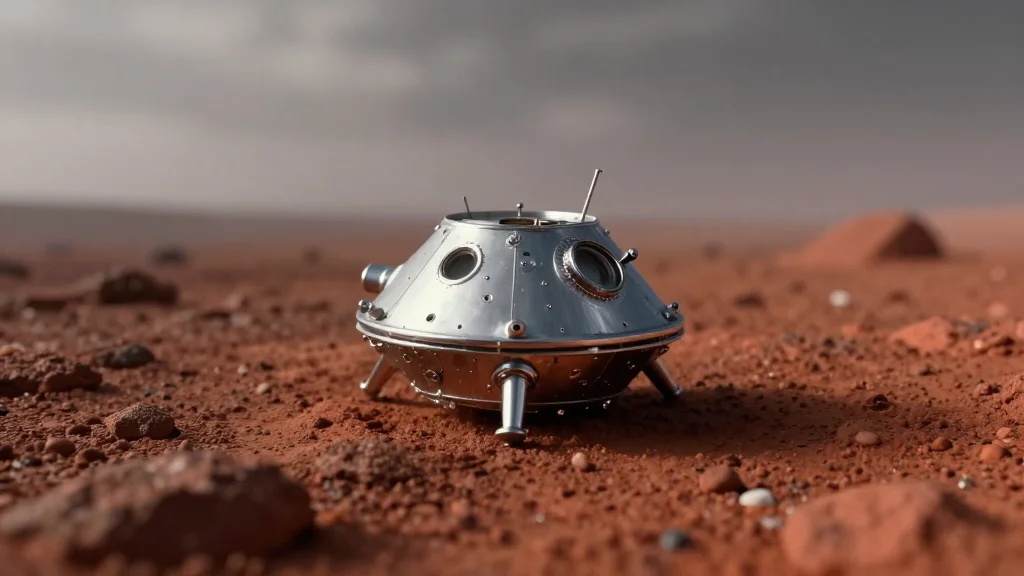
March 1, 1966: Venera 3 Crashes Into Venus
On March 1 1966 the Soviet probe Venera 3 slammed into Venus, becoming the first spacecraft to reach another planet’s surface. The mission followed a series of earlier Venera attempts, many of which failed to leave Earth orbit or transmit data. Weighing roughly...
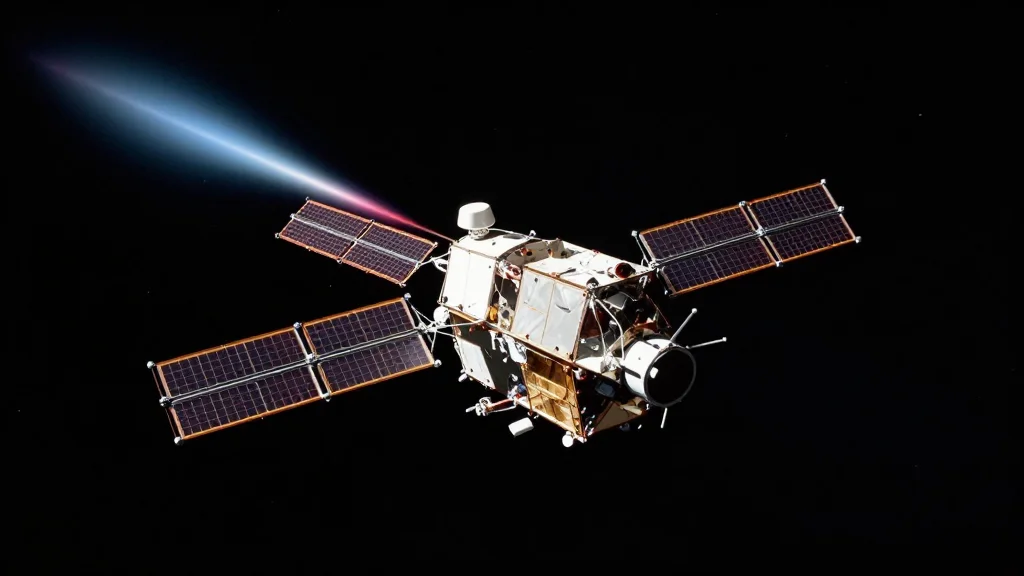
Feb. 28, 1997: GRB 970228 Bursts on the Scene
On February 28 1997 the BeppoSAX satellite recorded gamma‑ray burst GRB 970228, an 80‑second flash that was quickly localized. The precise coordinates enabled observatories worldwide to launch coordinated, multi‑wavelength follow‑up campaigns. A month later the Hubble Space Telescope imaged the fading afterglow and...
NASA Report Declares Starliner Incident a Type A Mishap
NASA announced that the 2024 Boeing Starliner crewed flight test has been classified as a Type A mishap, the same designation used for the Challenger and Columbia disasters. The mishap stemmed from thruster failures, Boeing propulsion design flaws, and NASA’s overly...
Feb. 20, 1962: John Glenn’s First Trip to Space
On February 20, 1962, NASA launched Mercury‑Atlas 6, sending John Glenn aboard the Friendship 7 capsule into orbit. Glenn completed three Earth orbits in 4 hours 55 minutes, becoming the first American to orbit the planet. The mission faced a sensor fault and required manual piloting for the...
Feb. 19, 1994: Clementine Enters Lunar Orbit
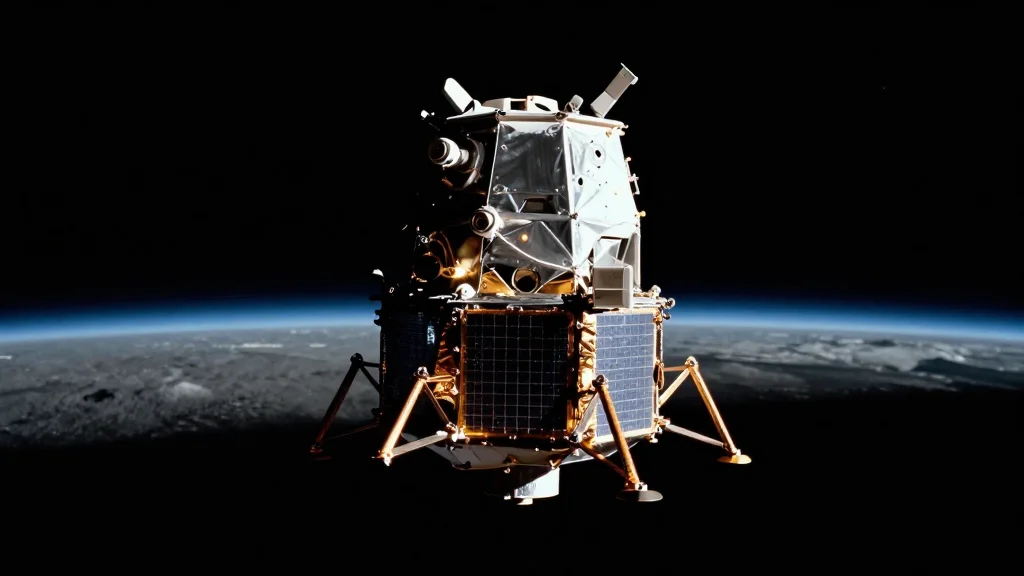
Clementine was launched in January 1994 on a 22‑month, under‑$80 million development cycle and became the United States' first spacecraft to orbit the Moon in over two decades. During its 71‑day lunar phase the probe transmitted 1.6 million images, mapped the entire...
Feb. 17, 1959: Vanguard 2 Launches
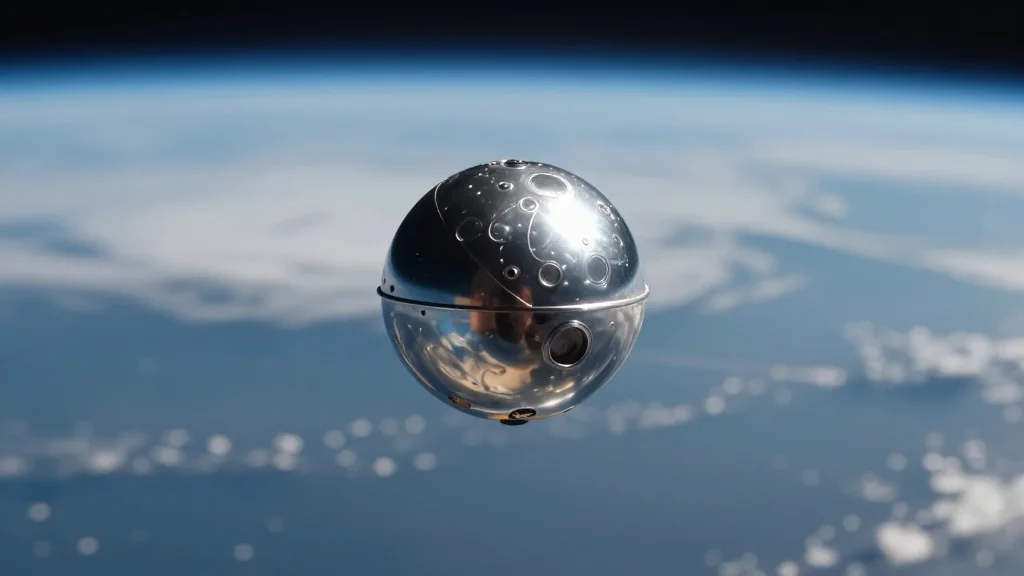
On February 17, 1959 the United States launched Vanguard 2, the world’s first satellite expressly built for meteorological observation. The 10‑kilogram sphere carried two photocells intended to map global cloud cover as it circled the Earth. Although the spacecraft achieved orbit,...
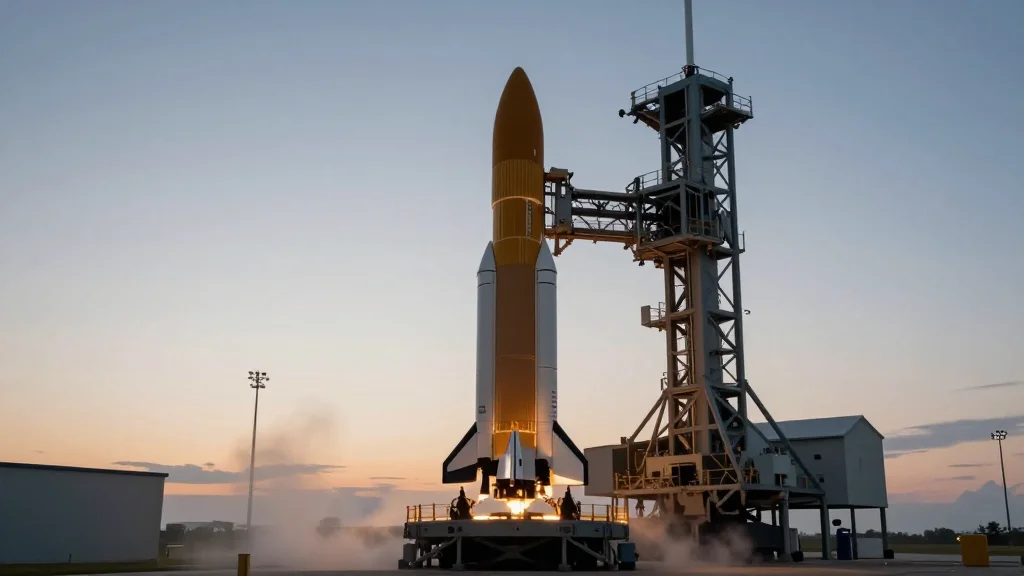
Firefly Returns to Flight with ‘Stairway to Seven’
Firefly Aerospace is set to launch the seventh flight of its Alpha small‑lift rocket, dubbed “Stairway to Seven,” on Feb 20 from Vandenberg Space Launch Complex 2 West. The mission marks the final flight of the Block 1 configuration and will test Block 2 avionics...
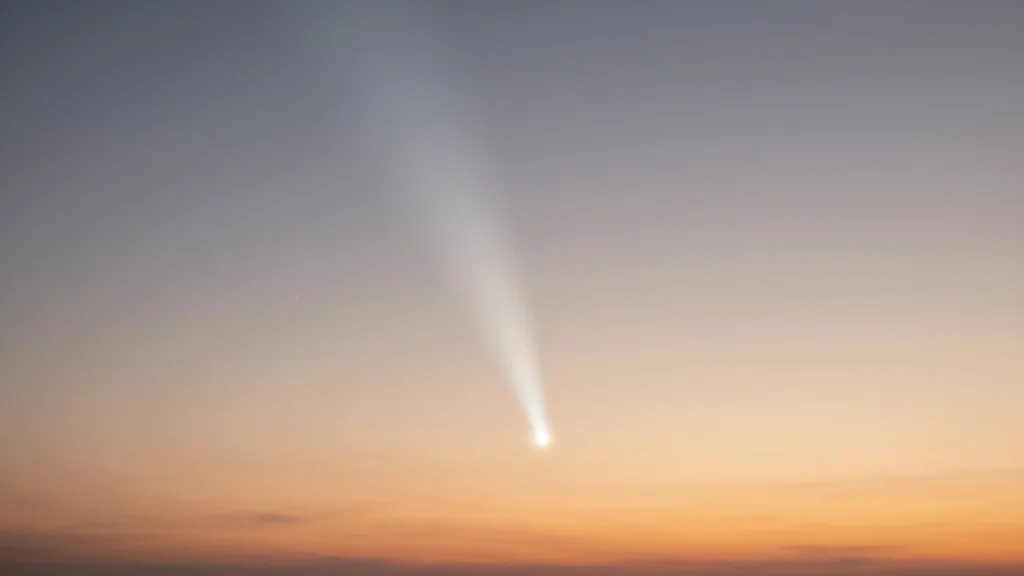
The Sky Today on Monday, February 16: Catch Comet Wierzchoś in Twilight
Comet C/2024 E1 (Wierzchoś) has brightened to roughly 7th magnitude and is visible in the Northern Hemisphere after sunset on February 16. Observers can spot it about 30 minutes post‑sunset, low in the southwestern sky at roughly 10° altitude, near the 4th‑magnitude...
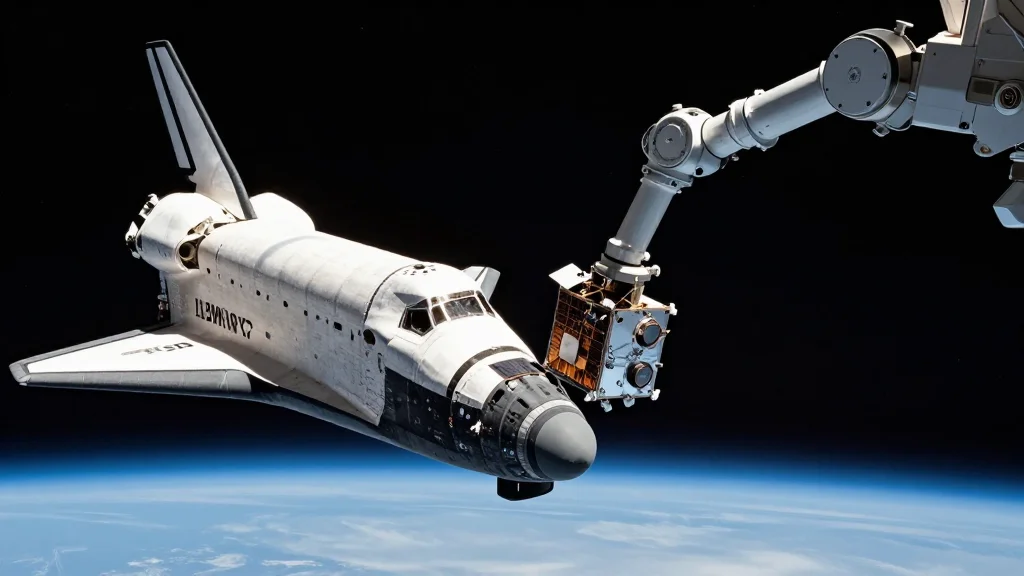
Feb. 14, 1980: SolarMax Launches
On February 14, 1980 the Solar Maximum Mission (SolarMax) lifted off from Cape Canaveral to study solar flares, the solar constant, and the Sun’s atmosphere in X‑ray, gamma‑ray, and ultraviolet wavelengths. Early in its flight the spacecraft suffered a coronagraph electronics glitch...
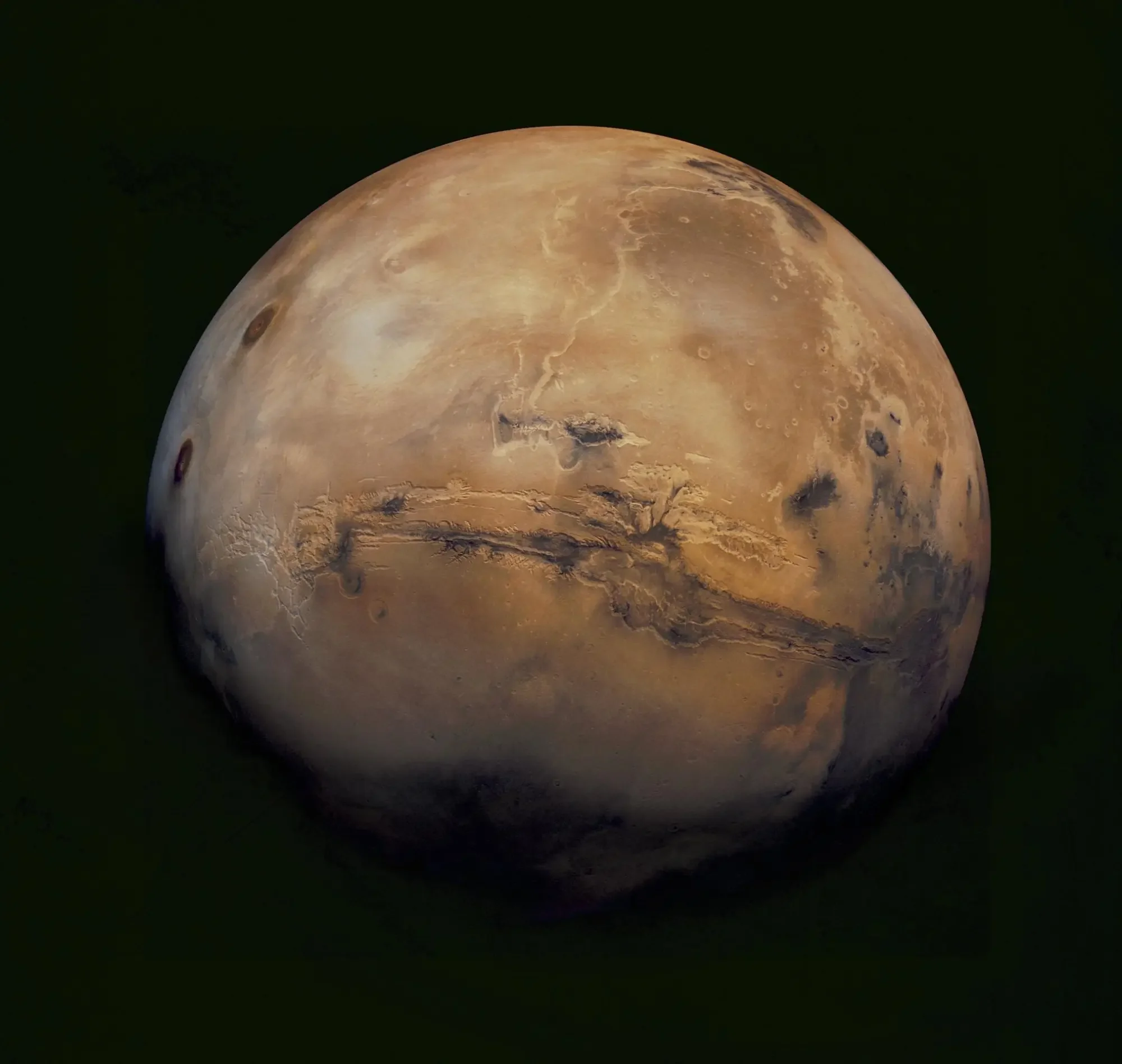
Rocket Storms Are Stripping Mars of Its Water
A 2023 "rocket dust storm" in Mars' northern summer lifted water vapor to about 60 km, triggering a hydrogen escape flux of 5 × 10⁸ cm⁻² s⁻¹—roughly 50 times the seasonal baseline. Instruments on the Trace Gas Orbiter and the UAE Hope probe recorded 70 ppm...
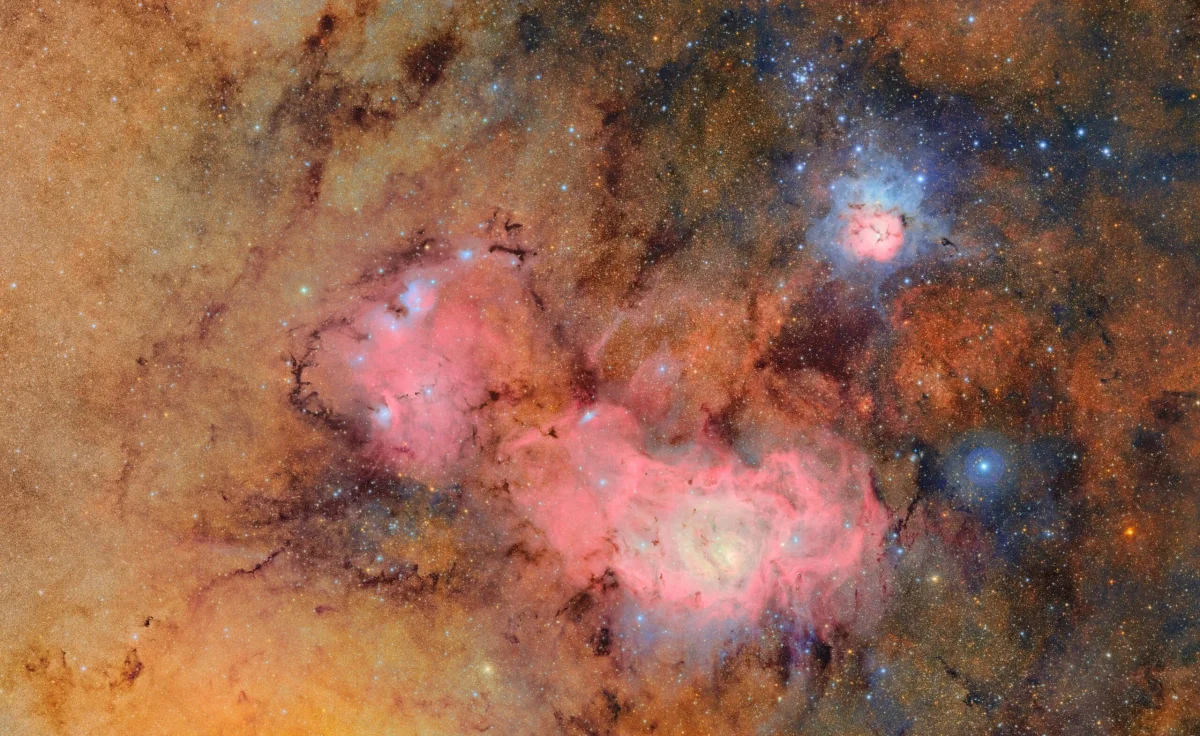
Top 10 Space Stories of 2025
The 2025 roundup of space headlines highlighted a volatile commercial launch market, lingering federal budget uncertainty, and two landmark scientific milestones. Private providers experienced both record‑breaking crewed flights and costly setbacks, while Congress debated the next round of NASA and...