Astronomy Magazine
Covers space missions, planetary science, and space technology for enthusiasts
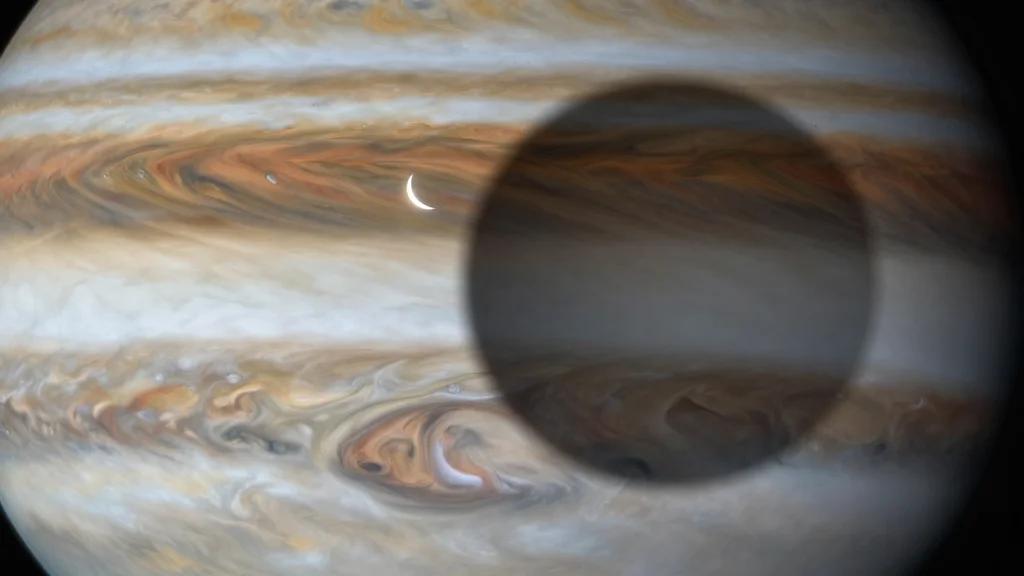
The Sky Today on Tuesday, April 14: An Io Transit
On the night of April 14‑15, Io and its shadow transit Jupiter’s disk, moving from east to west across the planet’s face. The transit begins at 11:25 PM EDT and lasts about an hour, with the shadow appearing shortly after midnight and ending around 1 AM EDT. Europa follows Io, appearing west of the planet after the event, while Mercury and Mars become visible low on the eastern horizon before sunrise. The sky‑watching window also includes a waning‑crescent Moon passing near Mercury at 3 PM EDT on April 15.
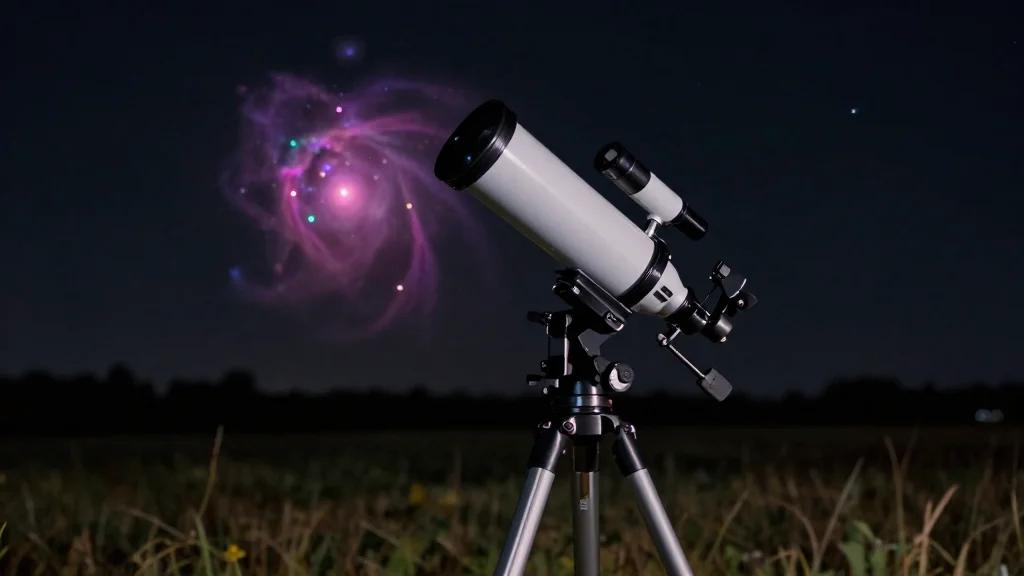
A Mysterious Rose
Sharpless 2‑174, dubbed the Rose of Valentine, is a faint emission nebula about 1,400 light‑years distant in the constellation Cepheus. It was originally classified as a planetary nebula left behind by the white dwarf GD 561, but recent studies suggest it may...
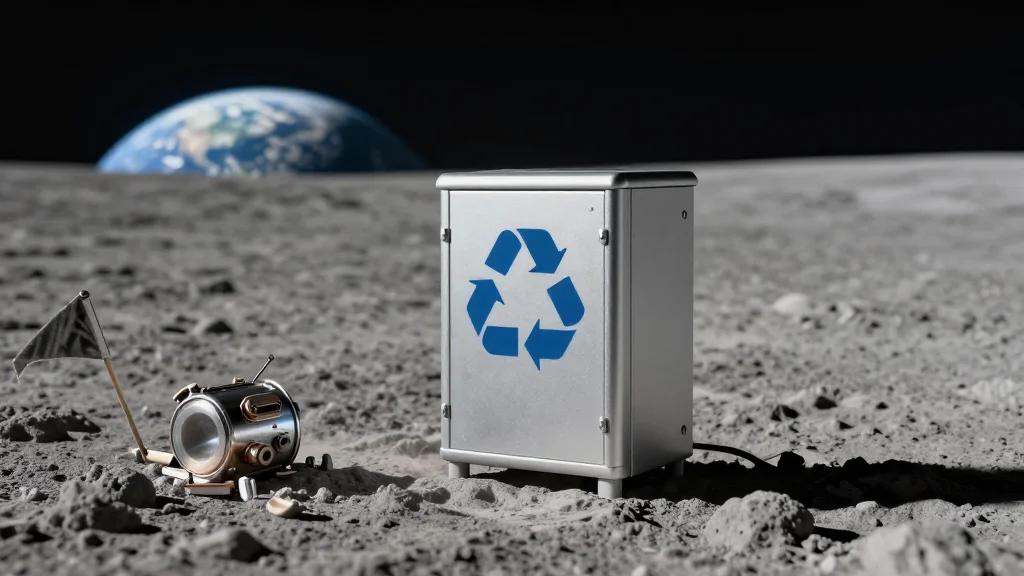
With Renewed Interest in Going to the Moon, How Will Future Trash Be Dealt With?
Renewed lunar activity has revived concerns over the 400,000 lb (181 t) of Apollo-era trash now classified as human heritage under the 2020 One Small Step Act. While the Artemis Accords and UN bodies stress debris mitigation, concrete plans for surface waste...
April 13, 1941: The Death of Annie Jump Cannon
Annie Jump Cannon, a pioneering astronomer, classified roughly 350,000 stars and refined the OBAFGKM spectral classification still used today. Her work at Harvard’s Observatory, alongside the famed “Pickering’s women,” led to a Ph.D. from Groningen—the first woman to achieve that honor—and an...
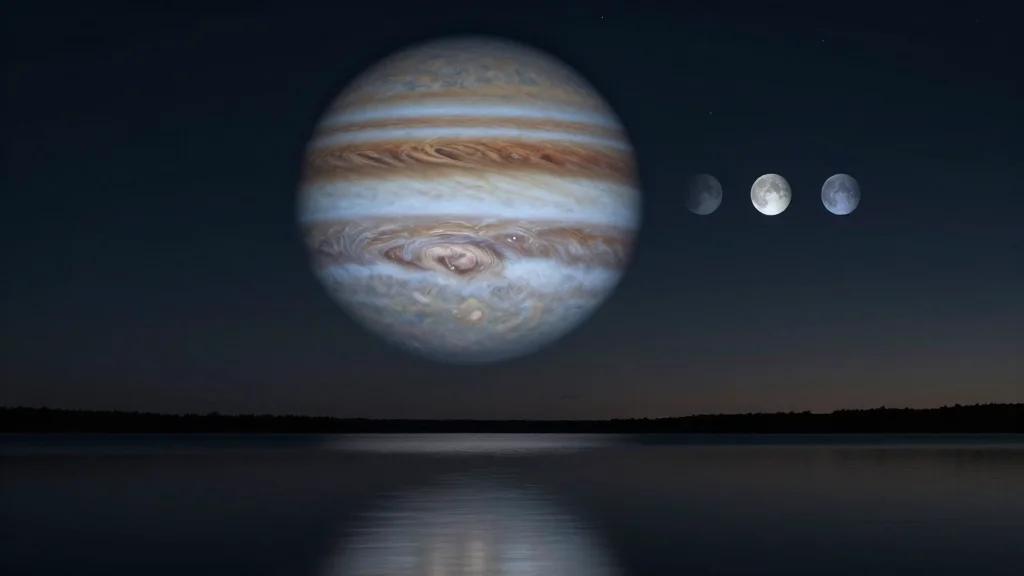
The Sky Today on Monday, April 13: Io and Europa Cross Paths
On the night of April 13‑14, 2026, Europa began transiting Jupiter’s disk before slipping off the western limb, while Io moved eastward toward the planet. The two moons briefly aligned, with Io appearing about 5 arcseconds north of Europa shortly after...
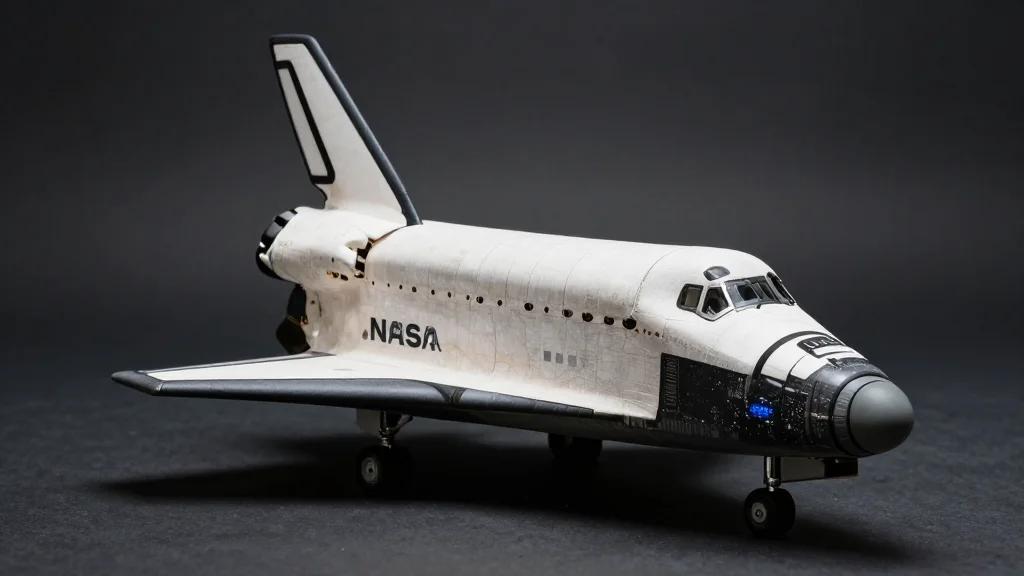
April 12, 1981: Columbia Lifts of for the First Space Shuttle Mission
On April 12, 1981, NASA’s Space Shuttle Columbia lifted off on STS‑1, the inaugural flight of the United States’ reusable spacecraft program. Piloted by John Young and Robert Crippen, the two‑day mission demonstrated successful launch, orbit, and safe return, validating...
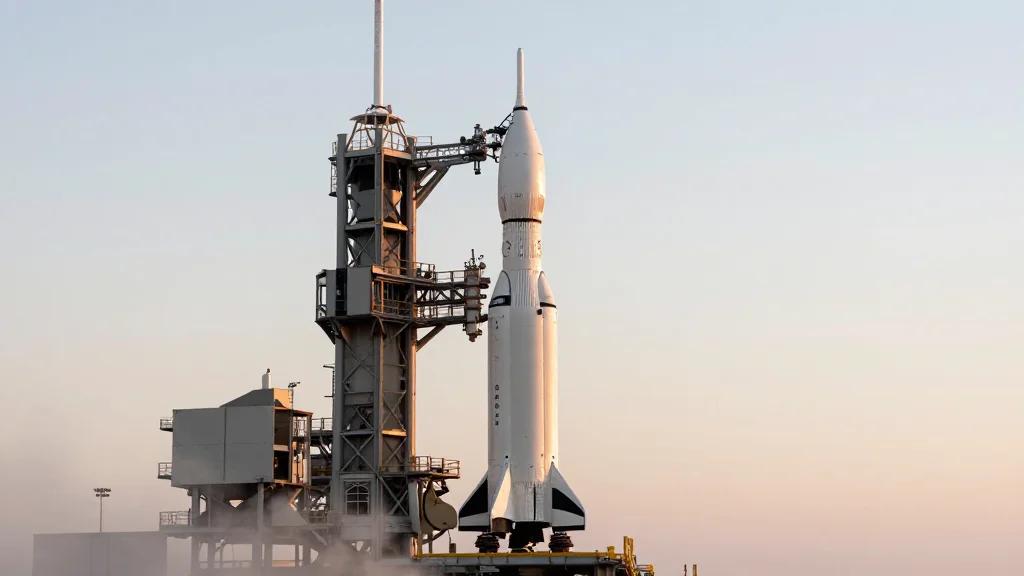
April 11, 1970: Apollo 13 Blasts Off for the Moon
On April 11, 1970 Apollo 13 launched as NASA’s third attempted lunar landing, crewed by Jim Lovell, Fred Haise and last‑minute replacement Jack Swigert. Ten minutes after a live TV broadcast, an oxygen tank in the Service Module exploded, crippling the spacecraft’s power and...
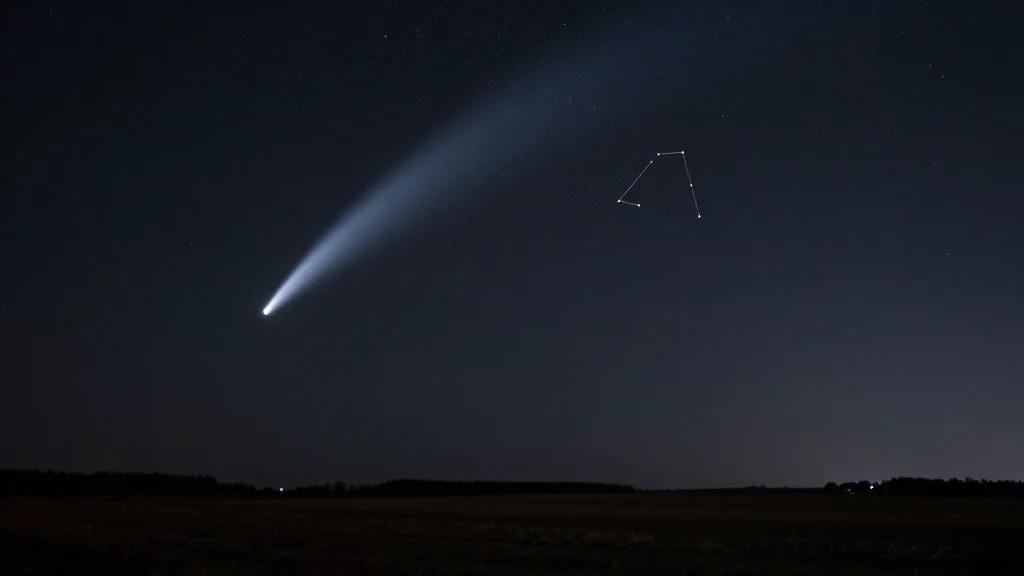
The Sky Today on Saturday, April 11: Comet Tempel 2 in Scutum
Comet 10P/Tempel 2 has entered the constellation Scutum and will stay visible all summer, rising around 1 A.M. and reaching about 35° altitude by 5 A.M. local time. At roughly 12th magnitude it is still faint, requiring a moderate telescope, but it is...

April 10, 2019: First Look at a Black Hole
On April 10, 2019, the Event Horizon Telescope released the first direct image of a black hole, capturing the supermassive black hole at the core of galaxy M87. The picture, assembled from 2017 data collected by an eight‑site global array,...
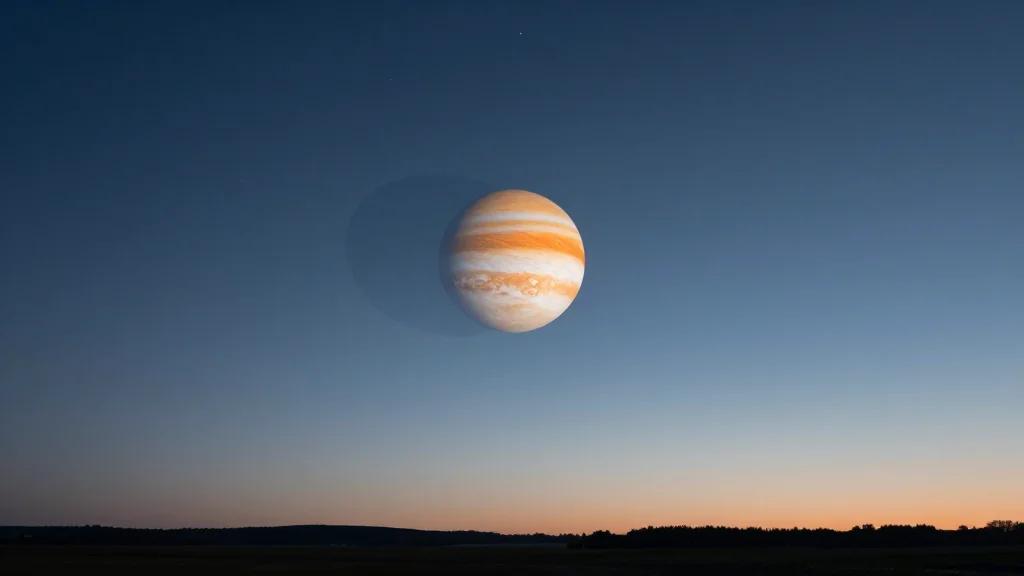
The Sky Today on Friday, April 10: Ganymede Shadow Crossing
Early Friday morning, the large shadow of Jupiter’s moon Ganymede began crossing the planet’s cloud tops, becoming visible across the western two‑thirds of the United States at 12:57 A.M. CDT. The dark notch takes about eight to ten minutes to fully...
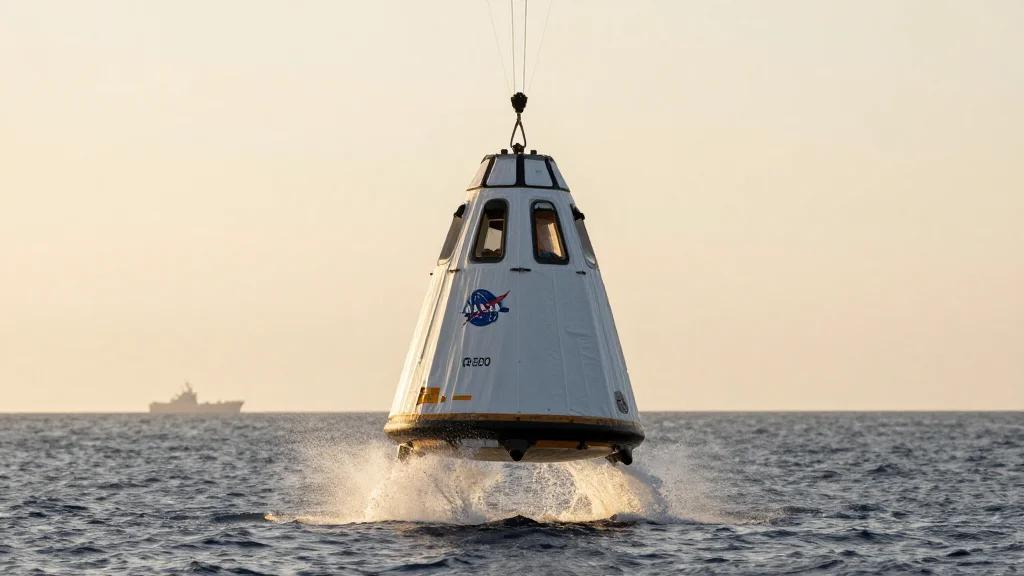
How to Watch the Artemis 2 Splashdown
NASA’s Artemis 2 crew—Commander Reid Wiseman, Pilot Victor Glover, Mission Specialist Christina Koch and CSA astronaut Jeremy Hansen—will conclude their historic lunar flyby with a splashdown near San Diego at 8:07 p.m. EDT on Friday. The Orion capsule will re‑enter at roughly 23,864 mph,...
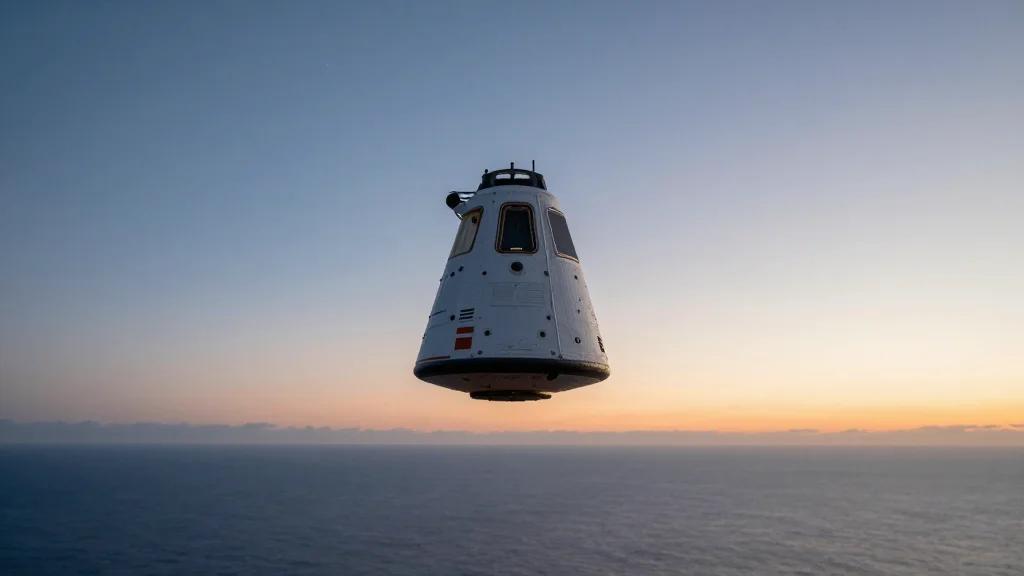
How to Observe Artemis 2’s Last Day in Space with a Telescope
Artemis 2’s Orion capsule will make its final Earth approach on Friday, April 10, with a splashdown scheduled for the evening. The spacecraft will be visible in the pre‑dawn sky across much of the United States, reaching a peak altitude of only...
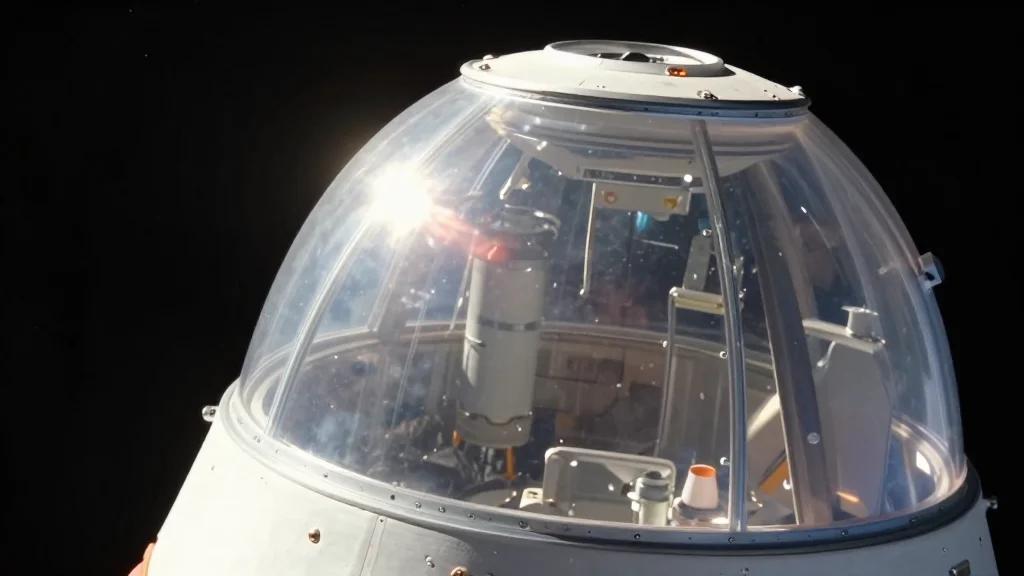
How the Artemis Astronauts Are Protected From Dangerous Space Radiation
NASA is tackling the heightened radiation threat to Artemis 2 astronauts with a layered strategy that combines physical shielding, an on‑board “storm shelter,” and advanced space‑weather forecasting. Orion’s hull incorporates hydrogen‑rich materials such as water and plastics, while crew can reconfigure...
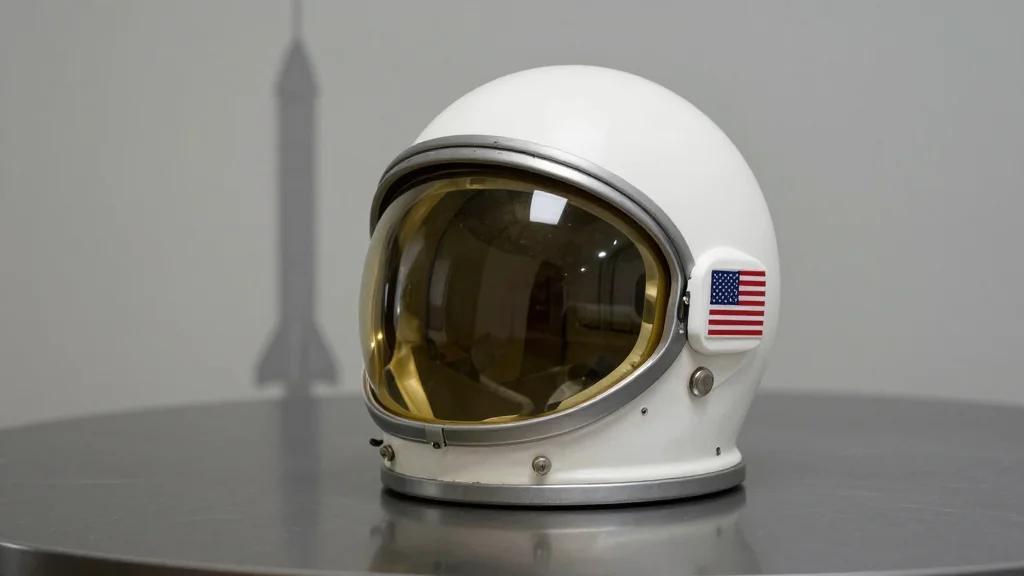
April 9, 1959: The Mercury 7 Debut
On April 9, 1959 NASA introduced the Mercury 7, America’s first astronaut corps, after a rigorous selection from 508 candidates. The seven pilots—Scott Carpenter, Gordon Cooper, John Glenn, Gus Grissom, Walter Schirra, Alan Shepard, and Deke Slayton—became the public face of...
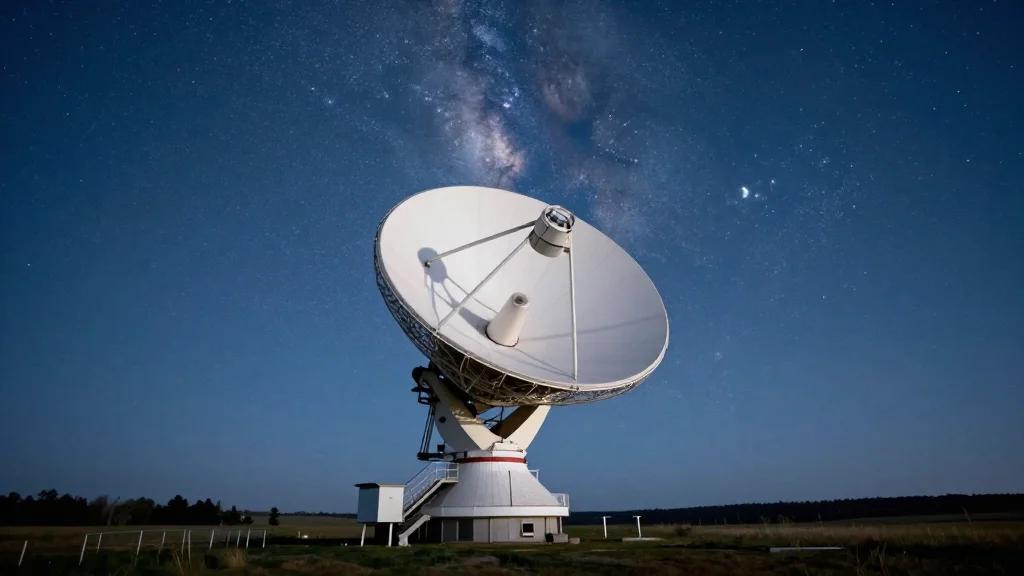
April 8, 1960: Frank Drake Begins Project Ozma
On April 8, 1960 Frank Drake launched Project Ozma, the first scientific search for extraterrestrial intelligence, tuning the 300‑Foot Telescope at Green Bank to listen for signals from nearby stars Tau Ceti and Epsilon Eridani. The experiment recorded a brief transmission that proved to be...
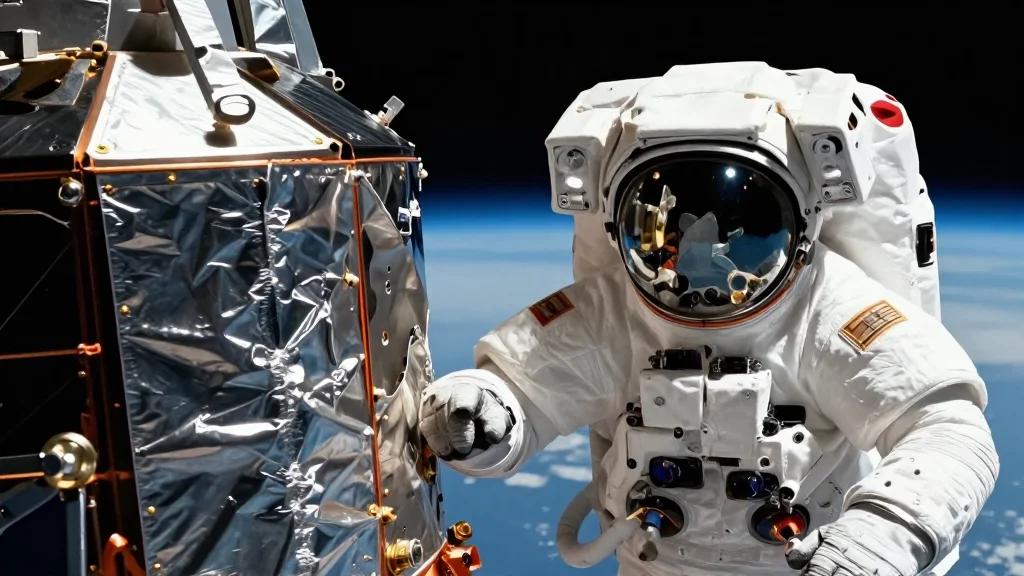
April 7, 1991: Compton Gamma Ray Observatory Is Deployed
NASA’s Compton Gamma Ray Observatory (CGRO) was deployed from Space Shuttle Atlantis on April 7, 1991, marking the launch of the agency’s third Great Observatory focused on gamma‑ray astronomy. A thermal‑blanket snag that prevented the high‑gain antenna from opening required an unscheduled...
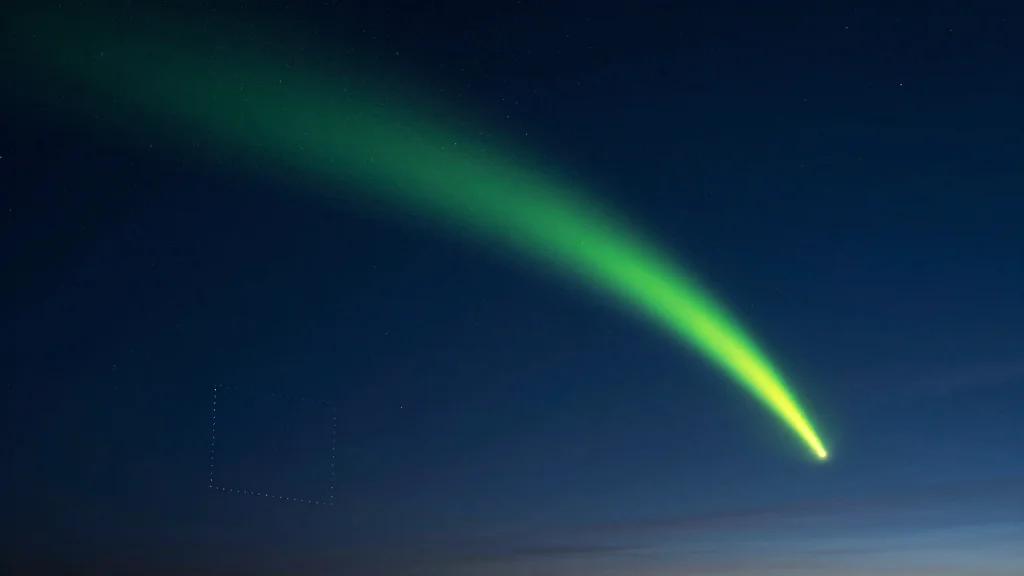
The Sky Today on Tuesday, April 7: Comet C/2025 R3 (PanSTARRS) Enters the Scene
Comet C/2025 R3 (PanSTARRS) entered the night sky on April 7, shining at roughly 6th magnitude and already displaying a vivid green coma and yellow tail. Astronomers expect it to brighten by about two magnitudes before the end of the month, though...
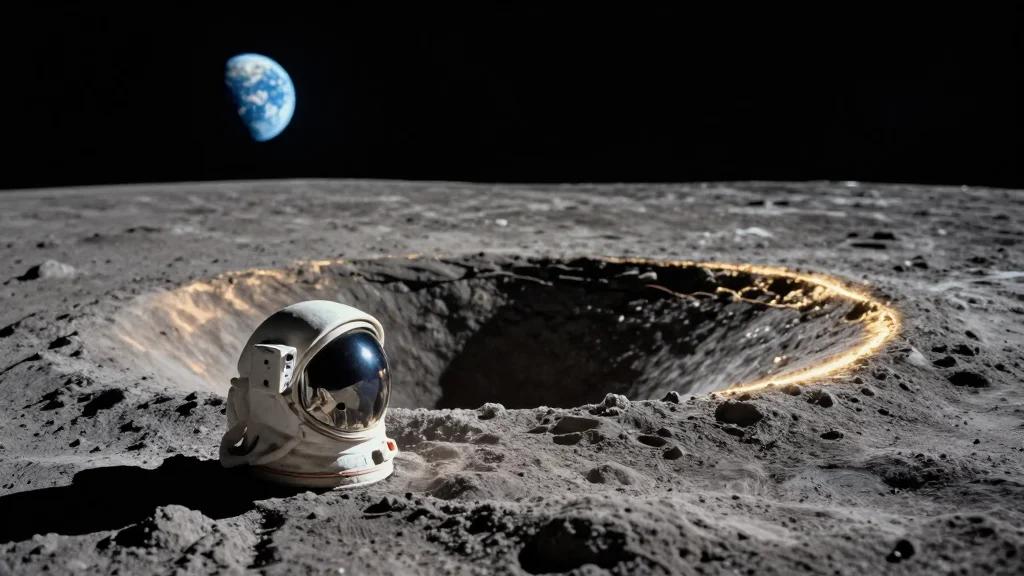
Artemis 2 Crew Shares Emotional Moment as They Name Crater After Commander’s Late Wife
Artemis 2 astronauts, fresh from setting a record for the farthest distance from Earth, announced a proposal to name a lunar crater “Carroll” in memory of commander Reid Wiseman’s late wife, Carroll Taylor Wiseman. Mission Specialist Jeremy Hansen described the feature...
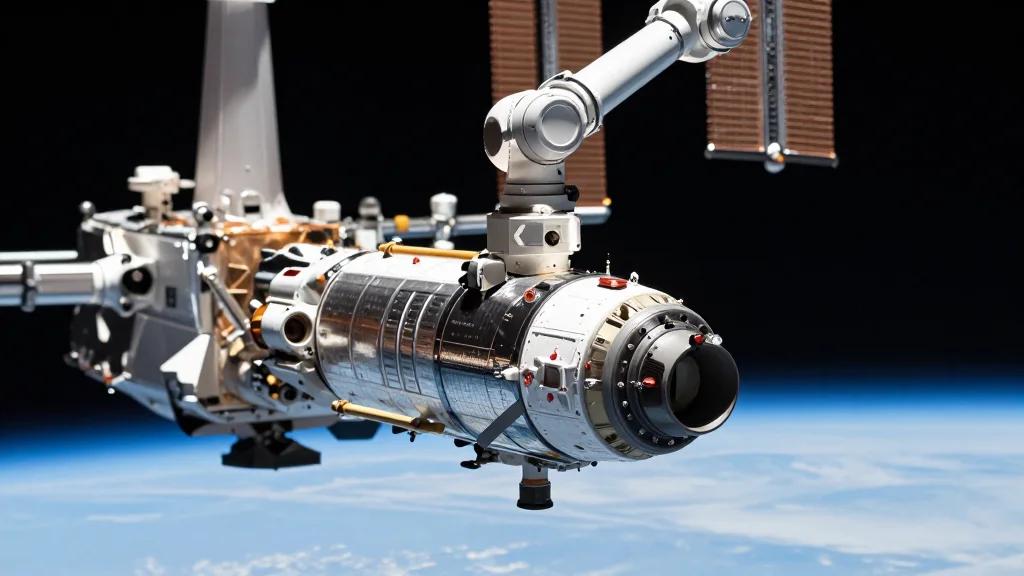
Cygnus Heads to the ISS as SpaceX Keeps up the Pace
Northrop Grumman’s Cygnus NG‑24 is slated for an April 8 launch from Cape Canaveral, carrying over 11,000 lb of supplies, experiments, and hardware to the International Space Station’s Expedition 73 crew. The spacecraft will be captured by the station’s Canadarm2 and later docked...
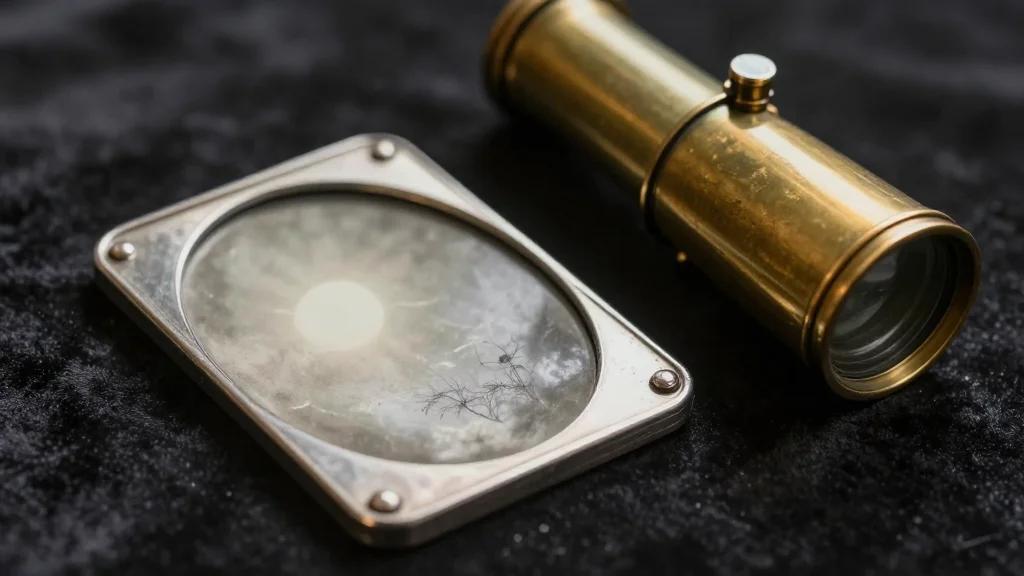
April 2, 1845: The First Photo of the Sun
On April 2, 1845 French physicists Hippolyte Fizeau and Léon Foucault captured the first daguerreotype of the Sun, a breakthrough that followed earlier lunar photographs and the 1837 invention of the daguerreotype. Commissioned by the French Academy of Sciences, they...
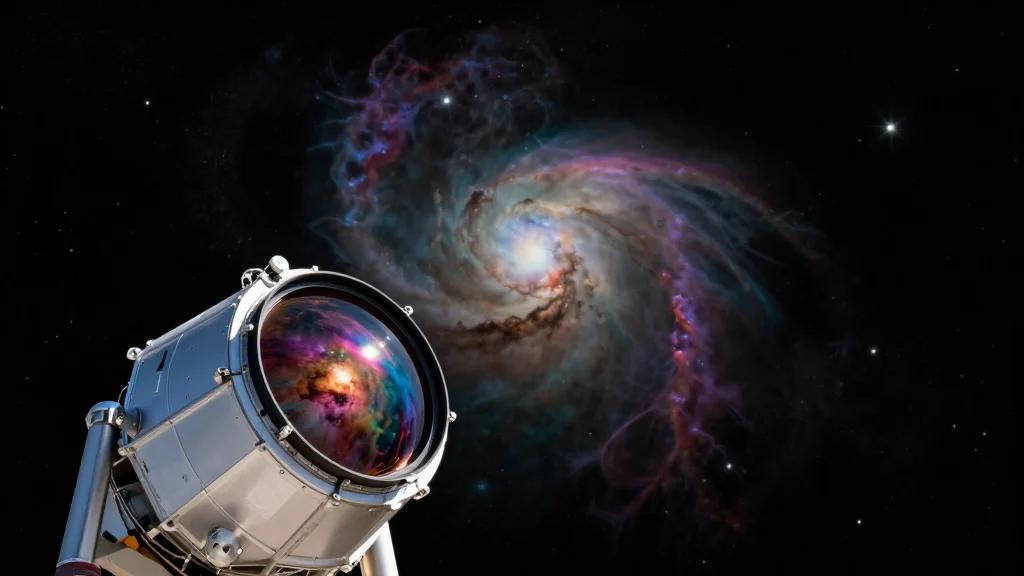
April 1, 1995: Hubble Images the Pillars of Creation
On April 1 1995 the Hubble Space Telescope captured the iconic “Pillars of Creation” image of the Eagle Nebula, located about 6,500‑7,000 light‑years away. The photograph, assembled from 32 Wide Field and Planetary Camera 2 exposures and color‑enhanced by Jeff Hester and Paul Scowen,...
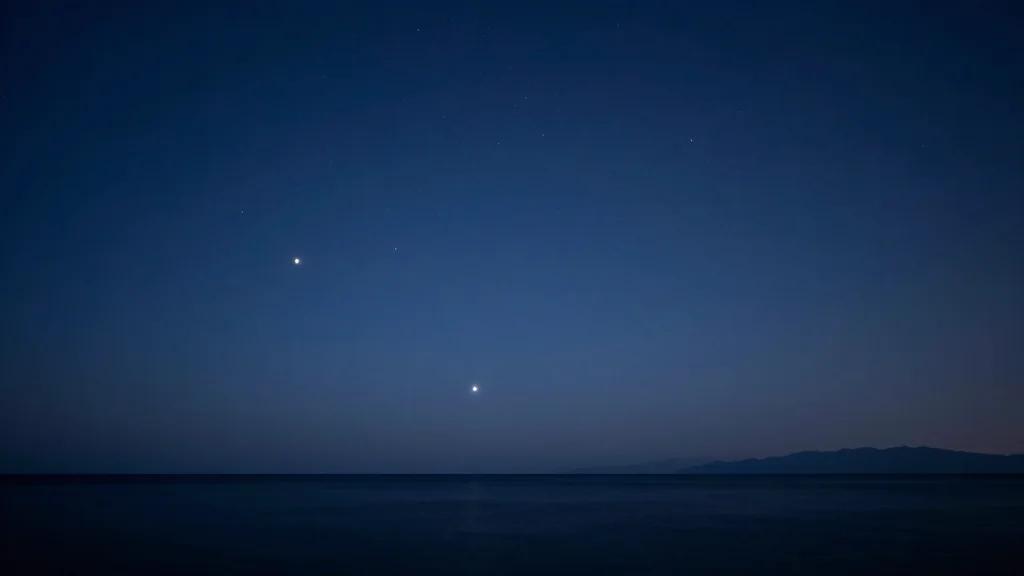
April 2026: What’s in the Southern Hemisphere Sky This Month?
In April 2026, observers in the Southern Hemisphere can spot Jupiter and Venus in the evening, while Mercury, Mars and Saturn dominate the pre‑dawn sky. Jupiter reaches magnitude –2.1 and spans 37 arcseconds, offering atmospheric detail through telescopes; Venus, brighter at...

Climate Change Is Making Days Longer, Study Says
A new study in the Journal of Geophysical Research shows Earth’s rotation is slowing, lengthening days by about 1.33 milliseconds per century. The slowdown is driven by melting glaciers that redistribute ocean mass, increasing the planet’s moment of inertia. Using fossilized...
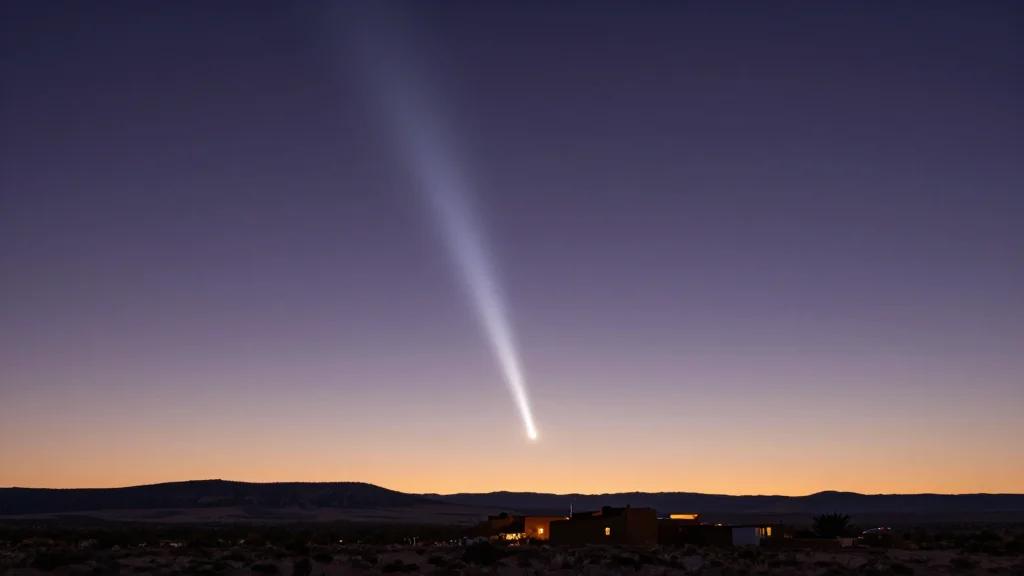
PANSTARRS Projections
Comet C/2025 R3, discovered by PAN‑STARRS, was photographed over Deming, New Mexico on March 28, 2026, displaying a tail longer than two degrees. The observation captured the comet in early morning twilight, indicating it remains bright enough for ground‑based viewing. Current orbital models suggest...
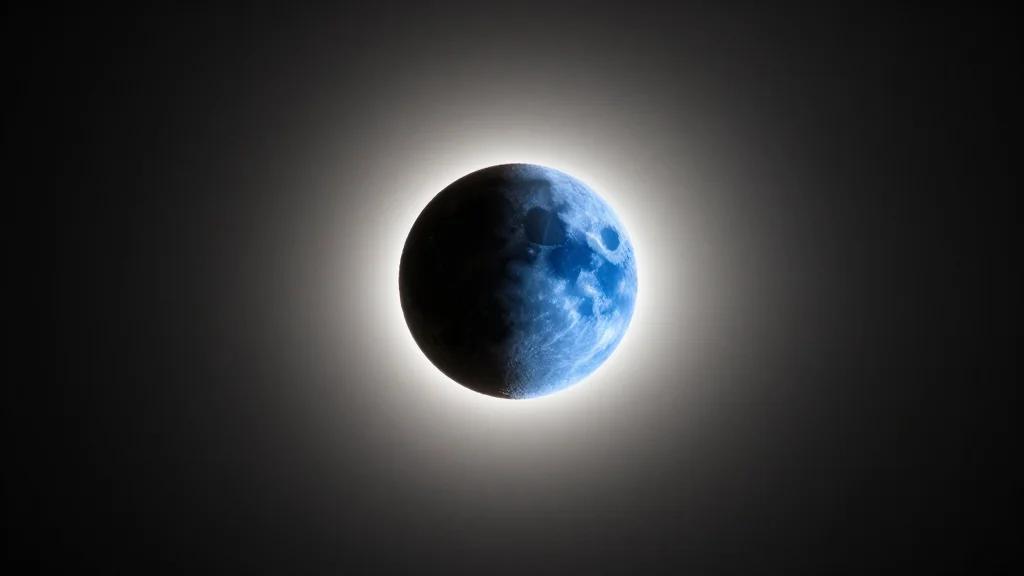
What Happens to the Moon During New Moon?
The new moon marks the moment when the Moon sits directly between Earth and the Sun, leaving its sunlit side turned away from our planet. Because the Moon is tidally locked, the same hemisphere always faces Earth, so no illuminated...
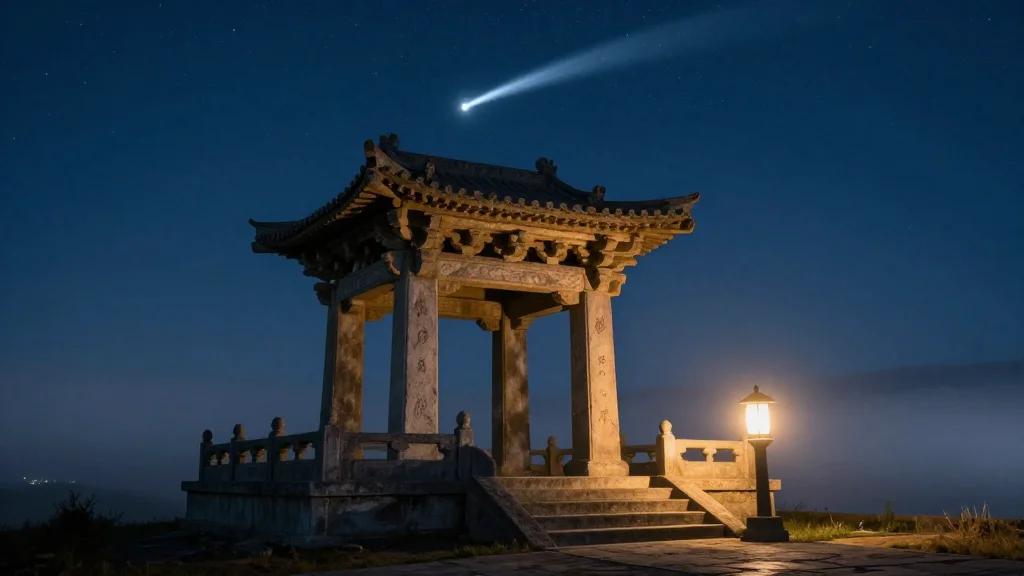
March 30, 240 B.C.E.: Halley’s Comet over China
Chinese astronomers recorded Halley's Comet in 240 BCE, the earliest known written observation of the periodic visitor. The *Shiji* chronicles describe the phenomenon as a “broom star” appearing first in the east and later in the north. Modern orbital models place...
Dreyer’s Nebula
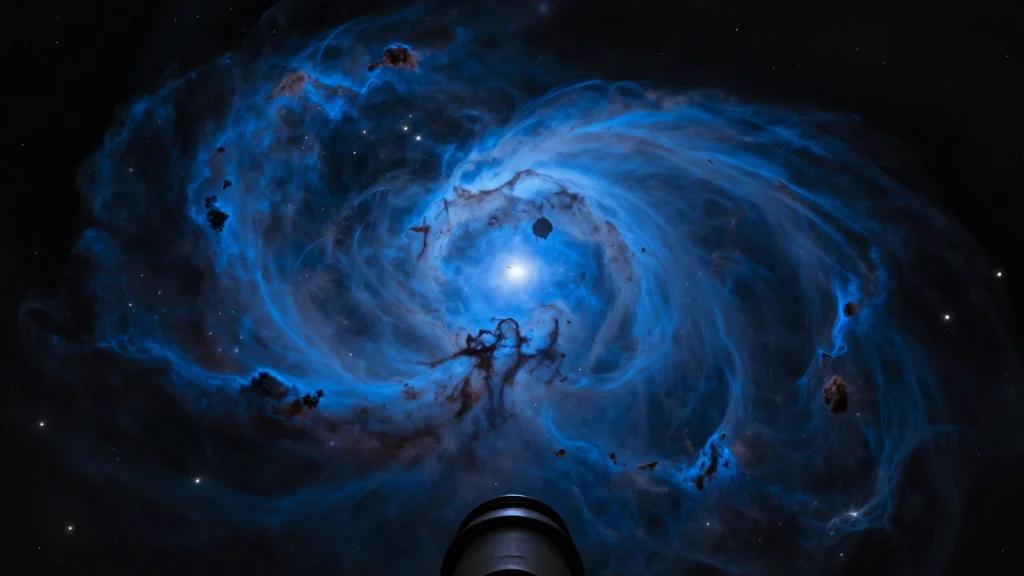
Dreyer’s Nebula is a blue reflection nebula situated roughly 2,700 light‑years away in the Monoceros constellation. Its vivid hue results from nearby hot stars whose light scatters off interstellar dust. The nebula was captured by amateur astronomer Greg Meyer near...
The Sky Today on Monday, March 30: Vega Rising
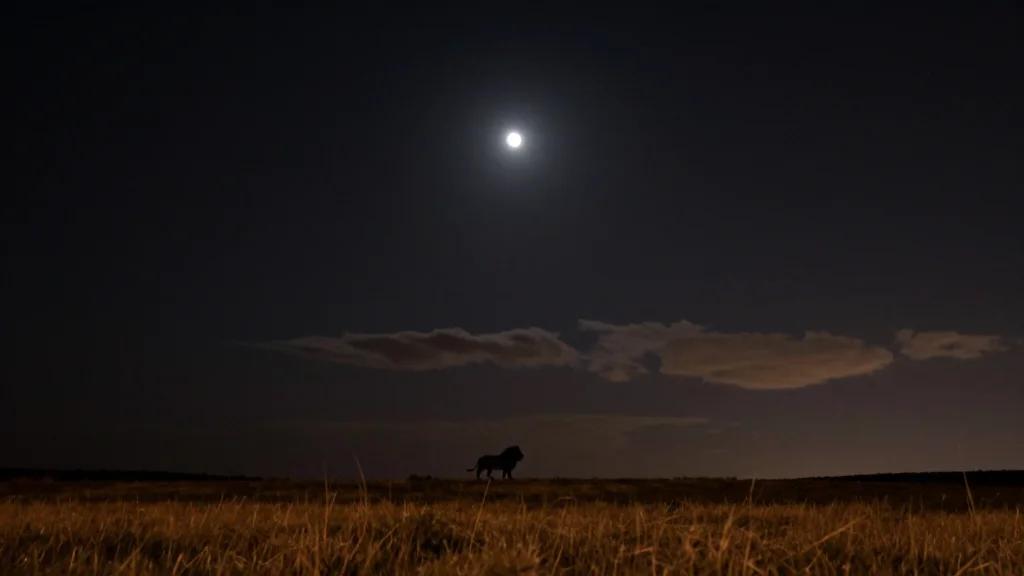
Vega rose above the northeastern horizon just after midnight on March 30, signaling the start of the summer sky for Northern Hemisphere observers. At magnitude 0.0, the star is the fifth‑brightest in the night sky and anchors the Summer Triangle asterism alongside...
March 28, 1802: Heinrich Olbers Discovers Pallas
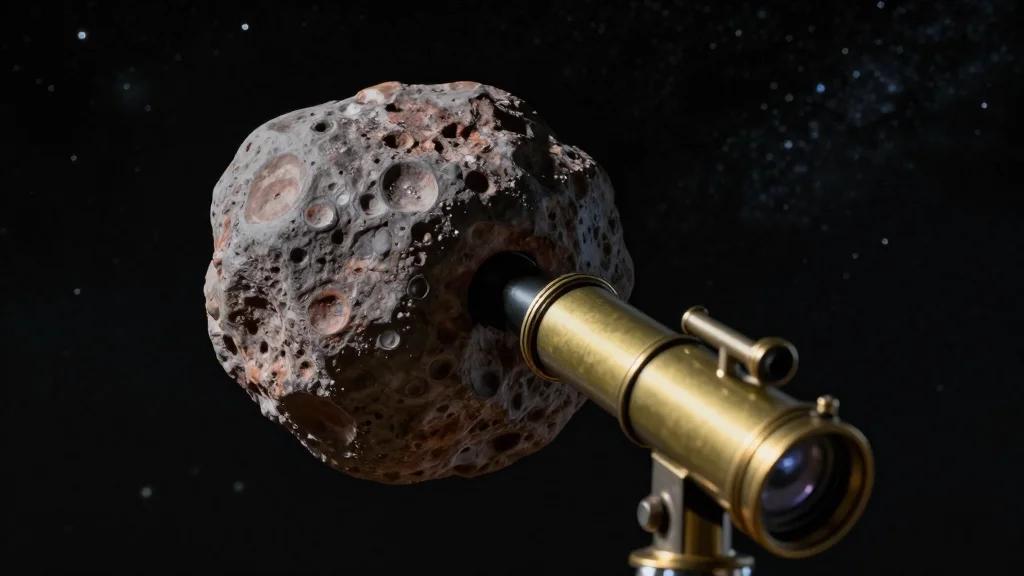
On March 28, 1802, German astronomer Heinrich Olbers discovered asteroid Pallas while attempting to observe Ceres. Both bodies, later identified as the largest and third‑largest members of the asteroid belt, were far too small to satisfy the 18th‑century expectation of a missing...
March 27, 2025: Gaia Turns Off
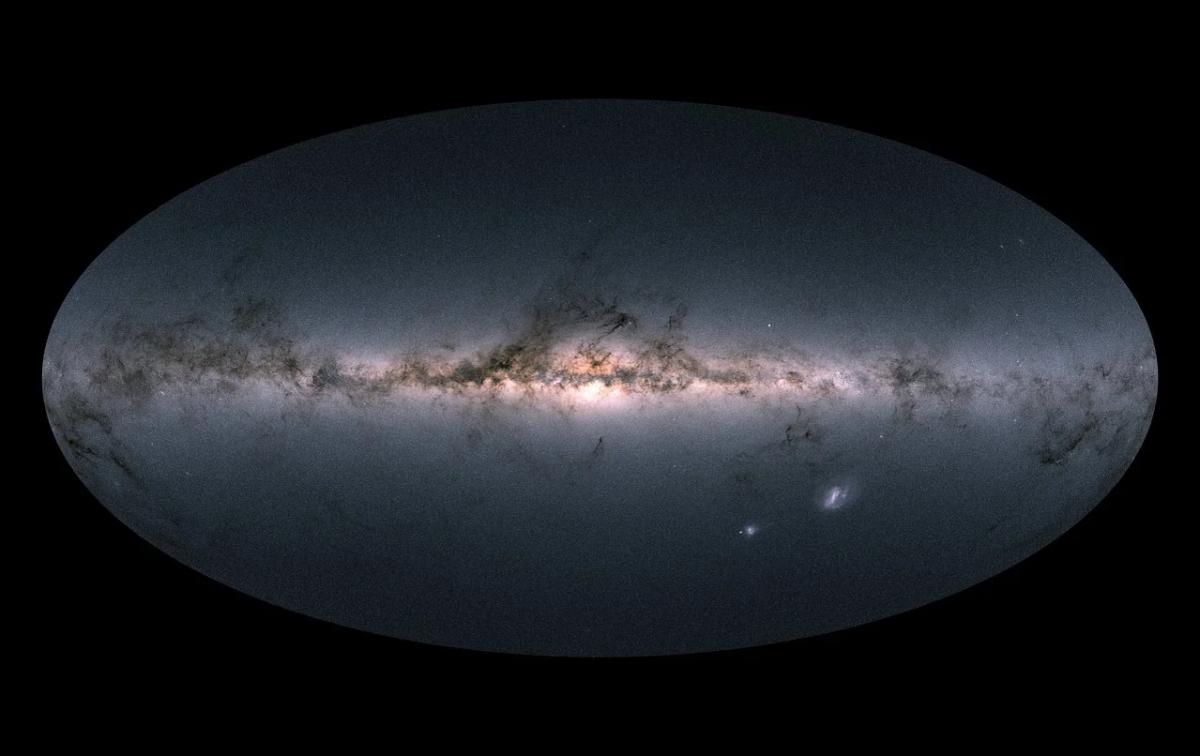
ESA’s Gaia mission concluded on March 27, 2025 after a decade of operation, having captured three trillion observations of roughly two billion stars. Launched in 2013, Gaia fulfilled its goal of mapping a billion stars, delivering an unprecedented three‑dimensional view...
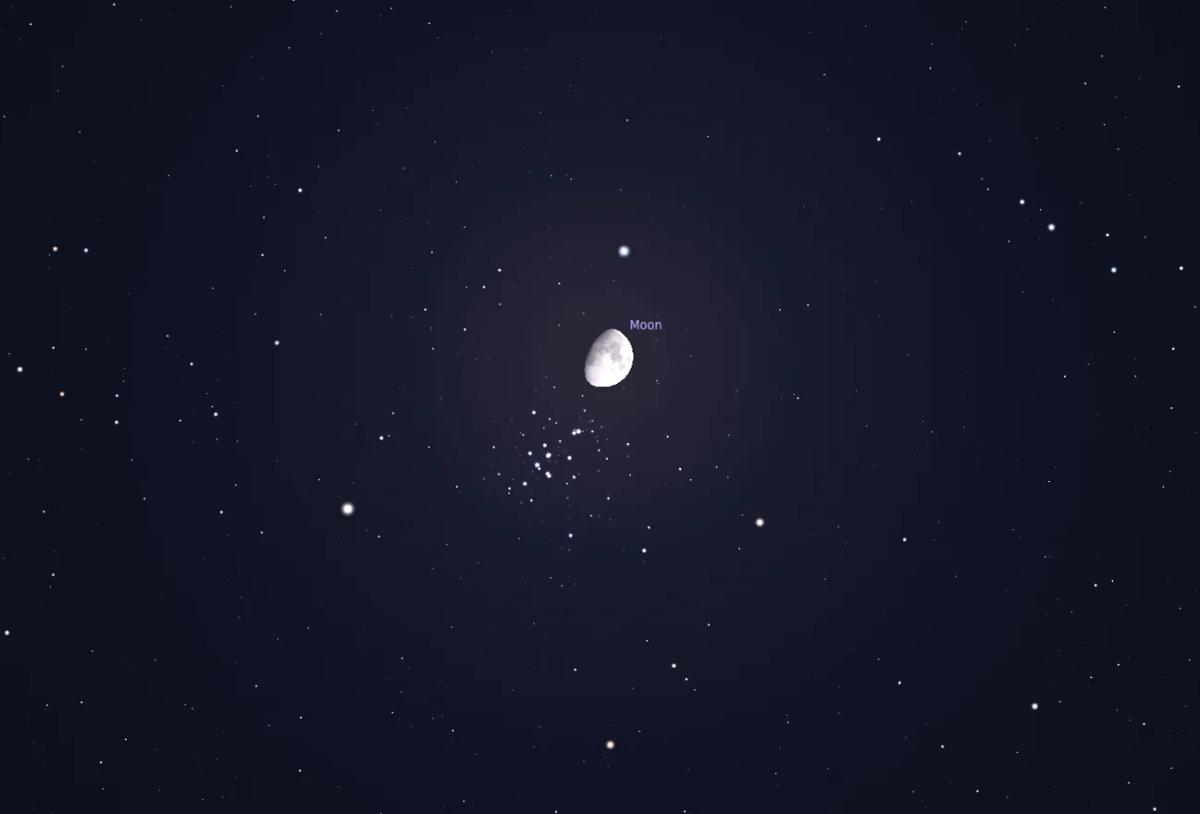
The Sky Today on Friday, March 27: The Moon Buzzes the Beehive
On Friday, March 27, 2026, the Moon will glide through central Cancer, passing within two degrees of the Beehive Cluster (M44). The waxing‑gibbous Moon, 75 % illuminated, will sit about 65° above the southeastern horizon an hour after sunset, making the...
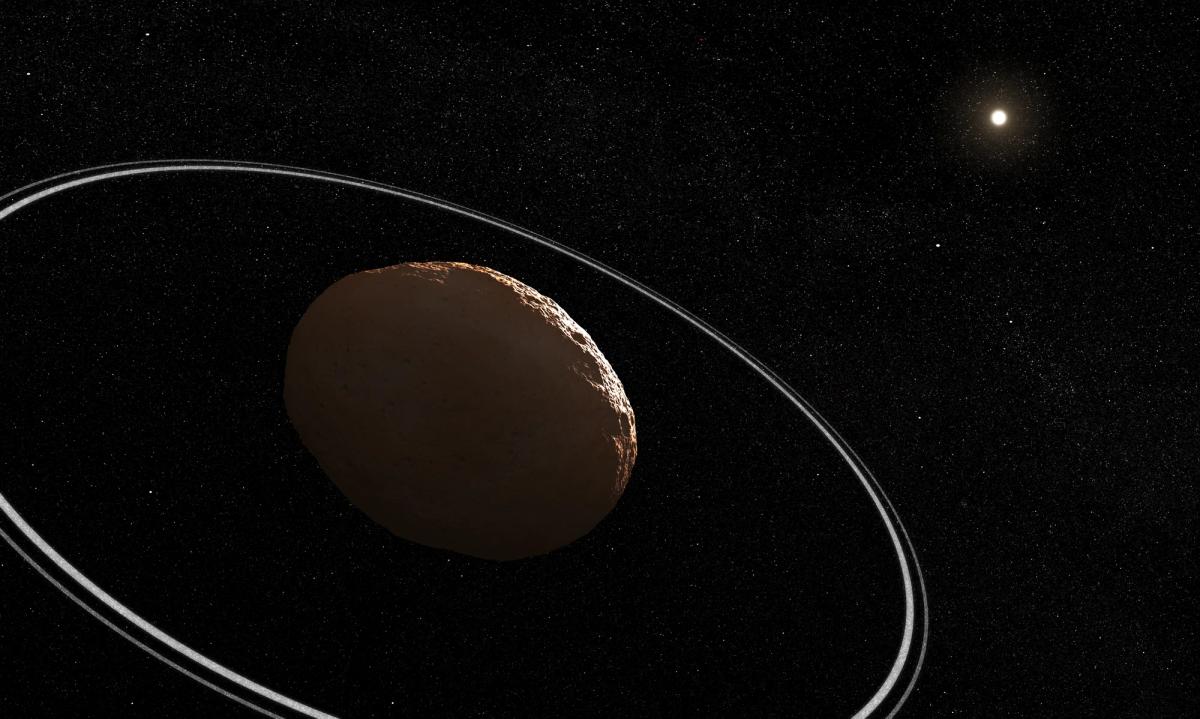
March 26, 2014: A Ringed Centaur
In June 2013 a coordinated occultation campaign across South America captured the centaur Chariklo passing in front of star UCAC4 248‑108672, revealing two brief dimming events that indicated the presence of rings. The finding, published in *Nature* and announced on March 26 2014,...
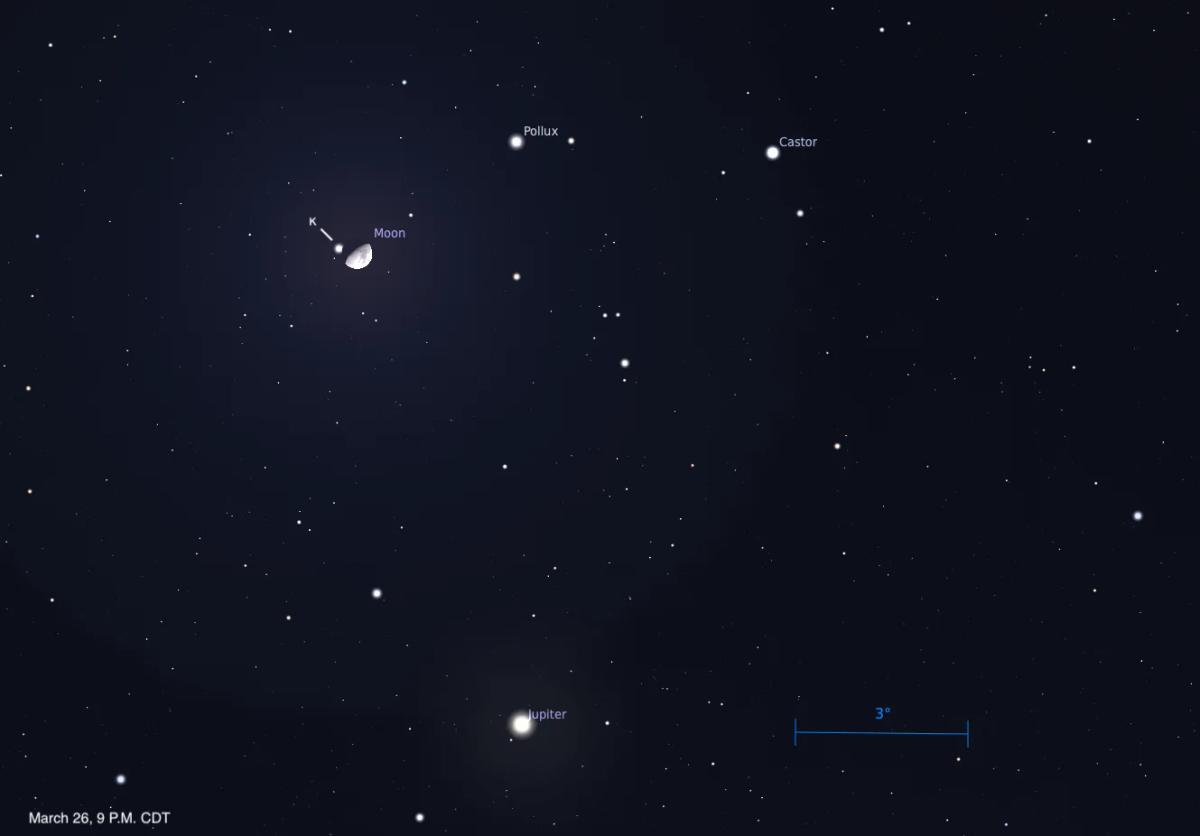
The Sky Today on Thursday, March 26: The Moon Occults Kappa Gem
The Moon will occult the 3.6‑magnitude star Kappa Geminorum on the night of March 26, visible across much of the United States, especially the Midwest, at 11:09 PM CDT (02:09 UTC). The event coincides with Jupiter passing 4° north of the Moon, creating...
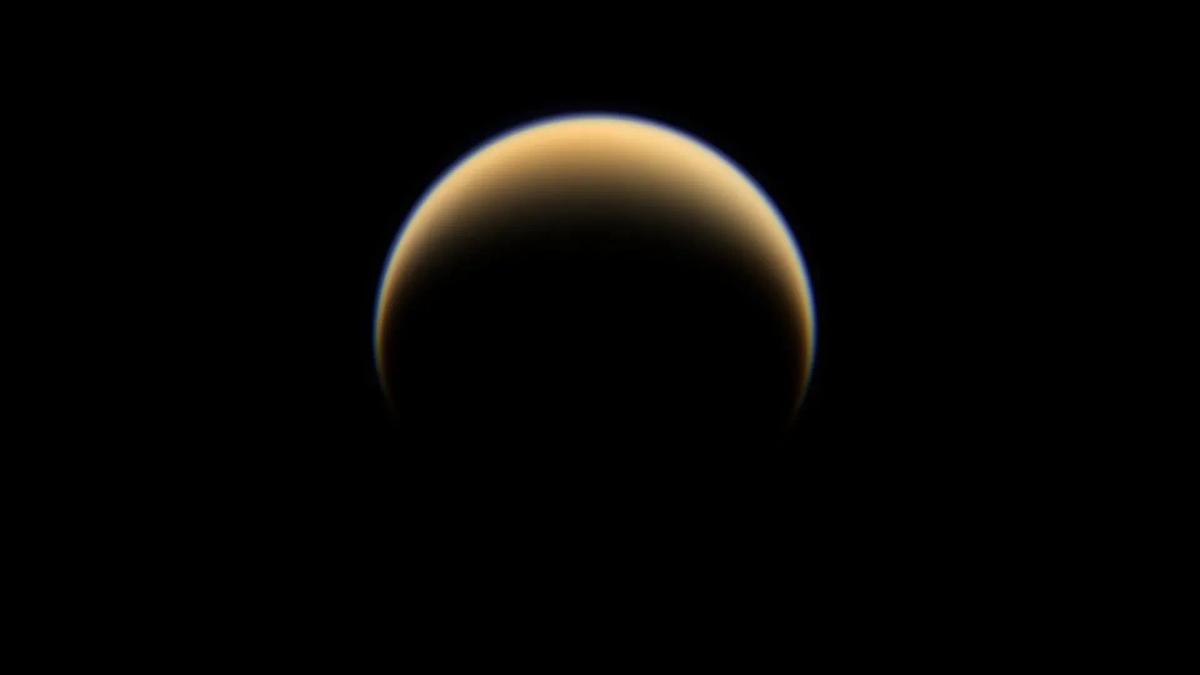
March 25, 1655: Christiaan Huygens Discovers Titan
On March 25, 1655 Dutch astronomer Christiaan Huygens discovered Titan while testing a self‑crafted 50‑power refracting telescope aimed at Saturn’s rings. The moon turned out to be the second‑largest in the solar system, even larger than Mercury, and the first Saturnian satellite...
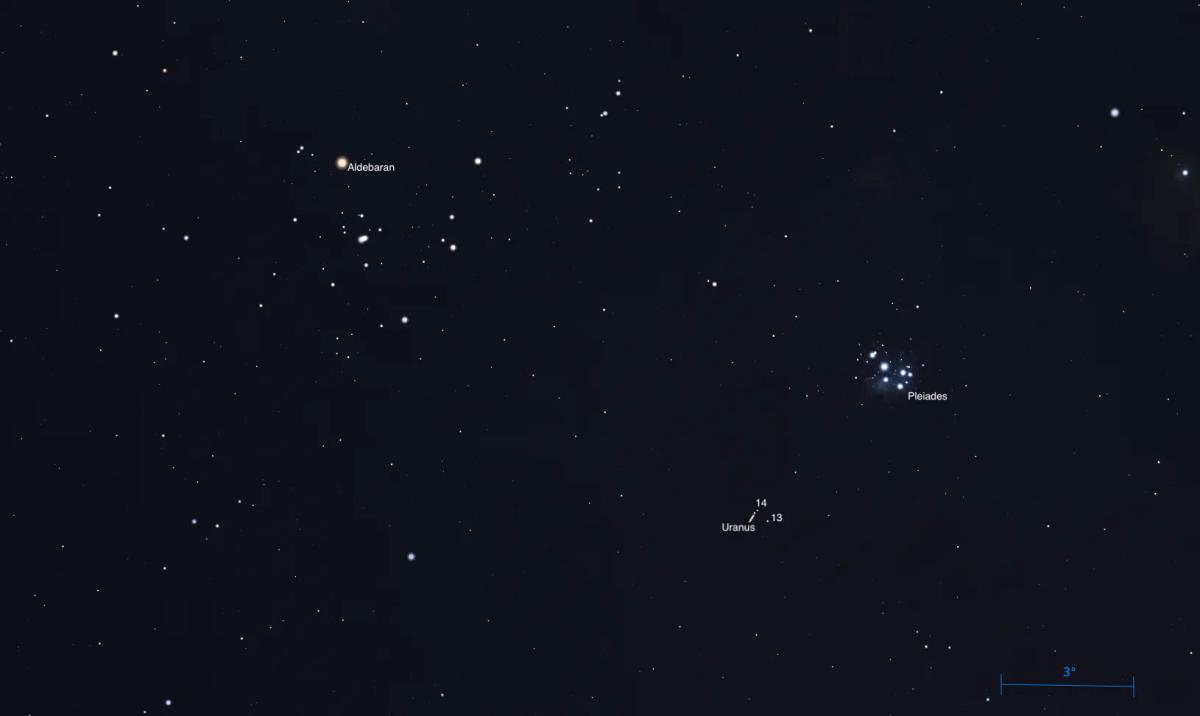
The Sky Today on Wednesday, March 25: Uranus Stands South of 14 Tau
On the evening of March 25, 2026, Uranus will appear just five arcminutes south of the 6th‑magnitude star 14 Tauri in the constellation Taurus. The planet’s magnitude of 5.8 makes it slightly brighter than its neighboring star, offering a rare chance...
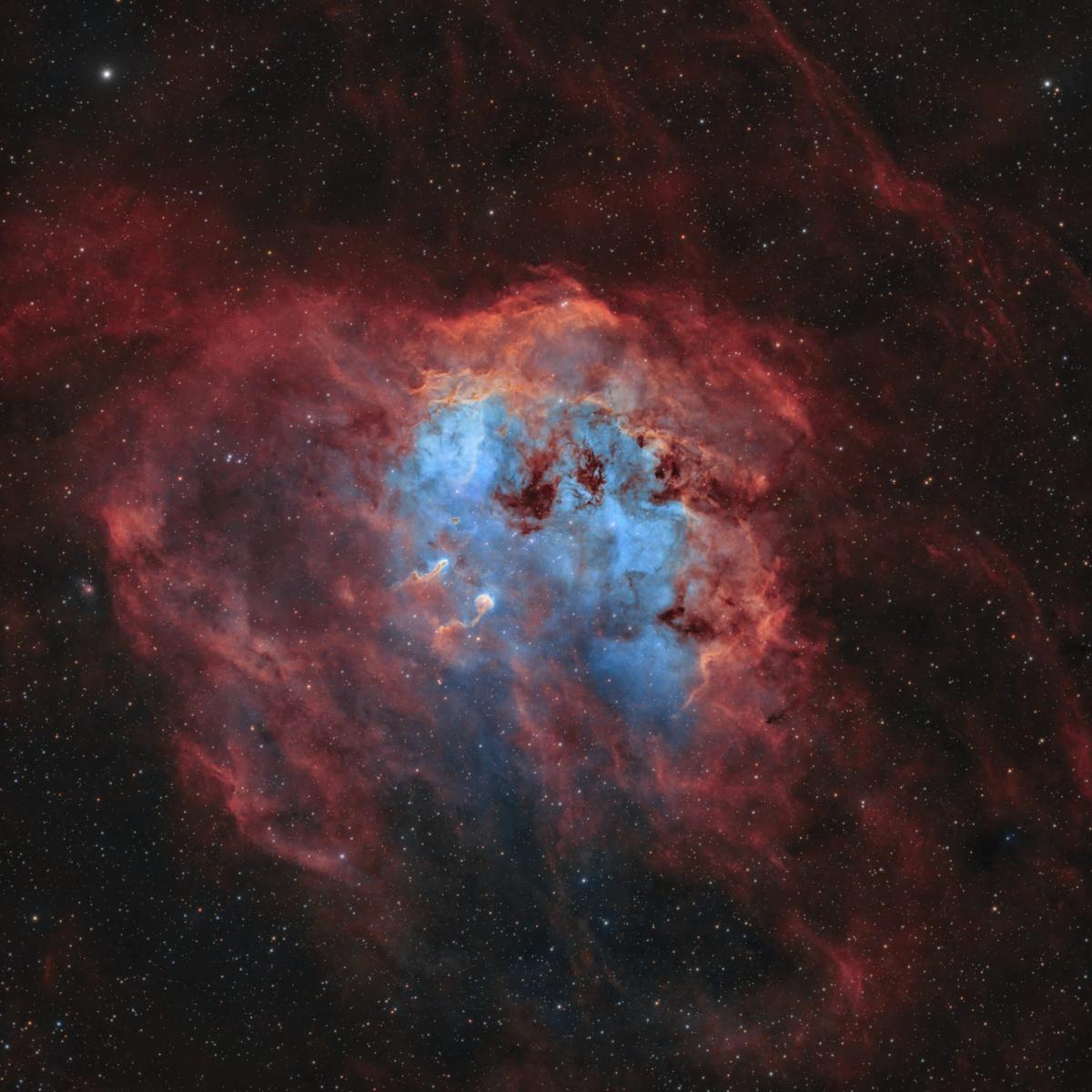
A Pond in Auriga
An image of the emission nebula IC 410 in Auriga, captured by amateur astronomer Mark Germani, showcases the embedded open cluster NGC 1893 and the striking Tadpole pillars. The photograph was taken with a modest 3.6‑inch f/5.6 refractor and a one‑shot color...
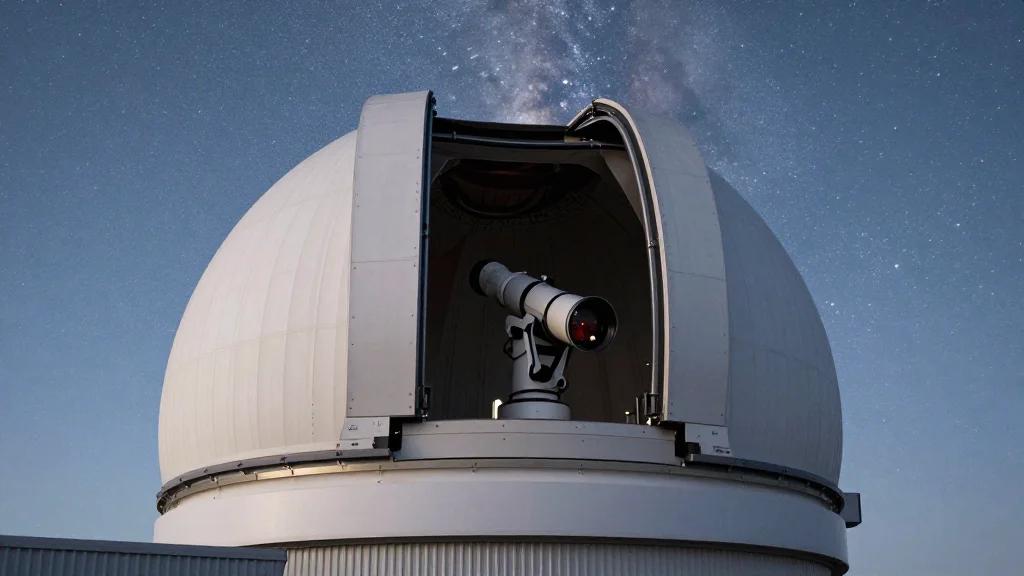
What Are Transparency and Seeing?
Transparency and seeing are the two primary atmospheric metrics that dictate the quality of astronomical imaging. Transparency describes how clear the sky is, influencing how faint an object can be seen, while seeing measures atmospheric steadiness, affecting image sharpness. Amateur...
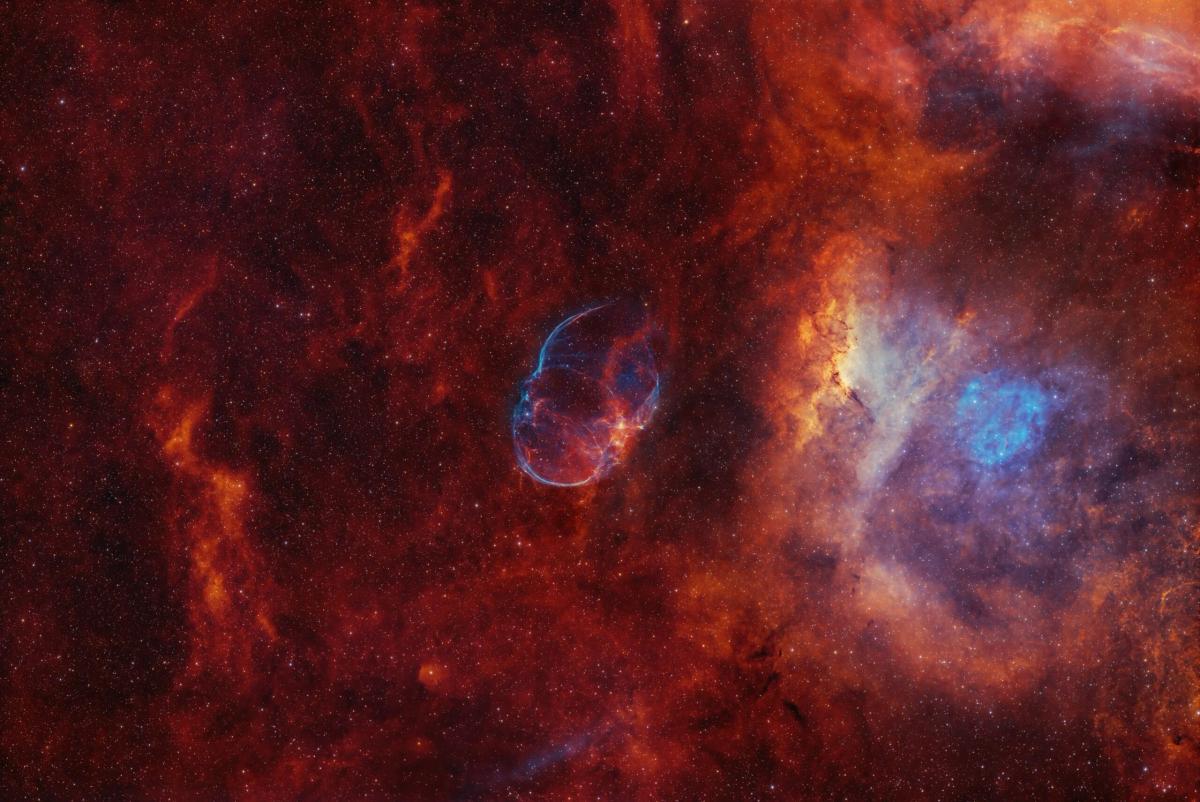
An Ancient Shockwave
Astronomers have imaged supernova remnant SNR G206.9+2.3, the leftover of a star that exploded in the Monoceros constellation about 7,000 light‑years from Earth. The nebula stretches roughly 50 arcminutes—larger than the full Moon—and displays delicate, nested shells created by the blast wave...
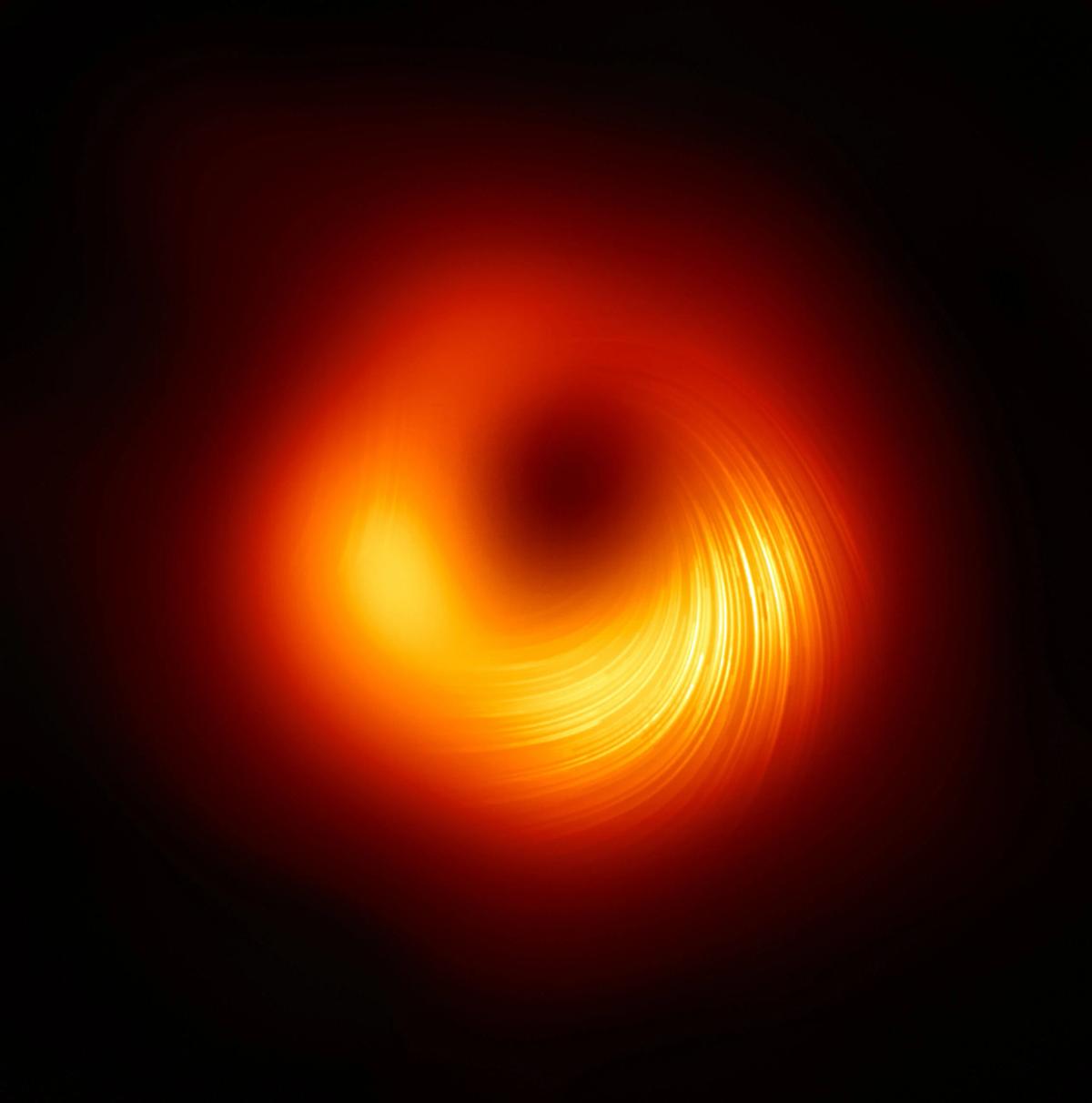
How Do Black Holes Generate Magnetic Fields?
Black holes generate magnetic fields when ionized plasma in their accretion disks creates electric currents as charged particles orbit at extreme temperatures. The Event Horizon Telescope captures polarized synchrotron radiation, allowing astronomers to map these magnetic fields around both M87*...
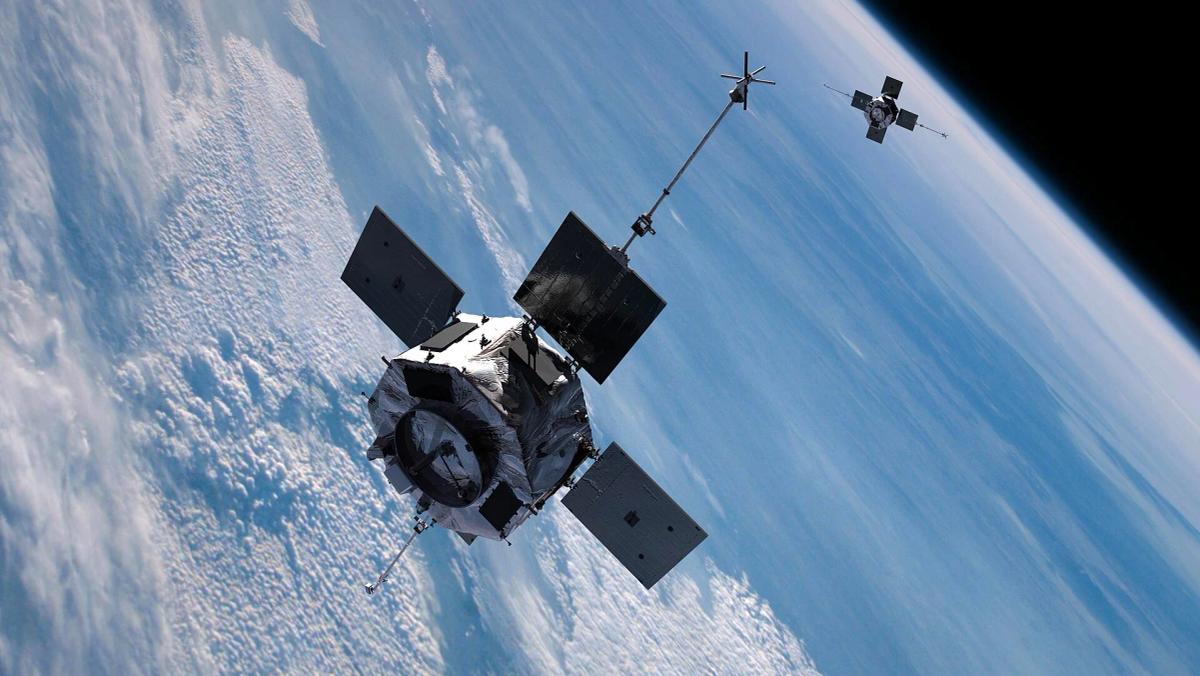
NASA’s Van Allen Probe A Burns up over the Pacific After 14 Years in Space
NASA’s Van Allen Probe A burned up over the eastern Pacific on March 11, 2026, ending a seven‑year mission that far outlasted its planned two‑year lifespan. The 1,300‑pound (600 kg) spacecraft, launched in 2012, spent nearly a decade studying Earth’s radiation belts and delivering...
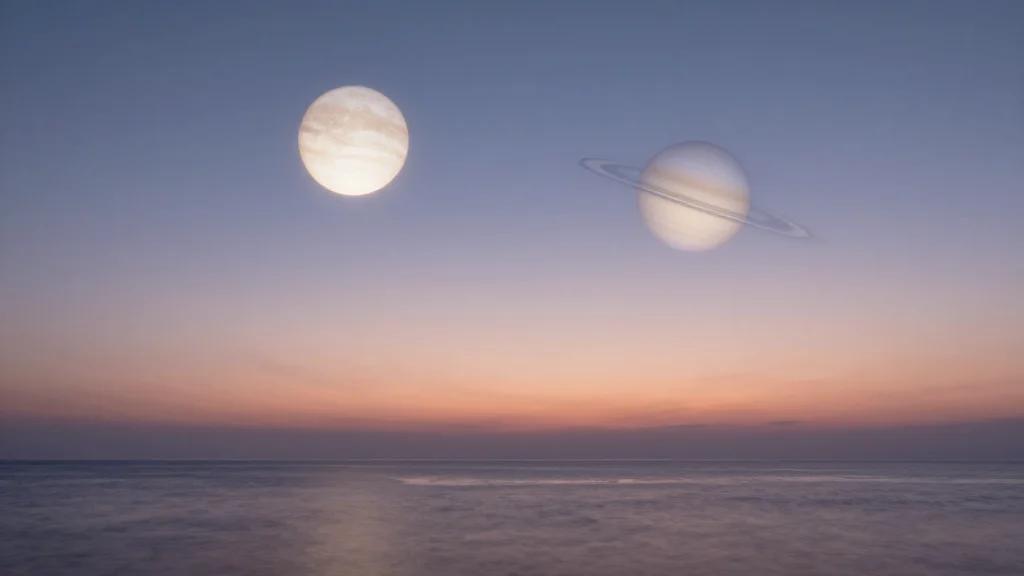
A Duo at Dusk
Astronomy Magazine featured a striking photo of Saturn and Venus in close conjunction over the western horizon near Punta Braccetto, Sicily. The celestial duo appears low in the sky with Venus outshining the ringed planet. Photographer Gianni Tumino captured the...
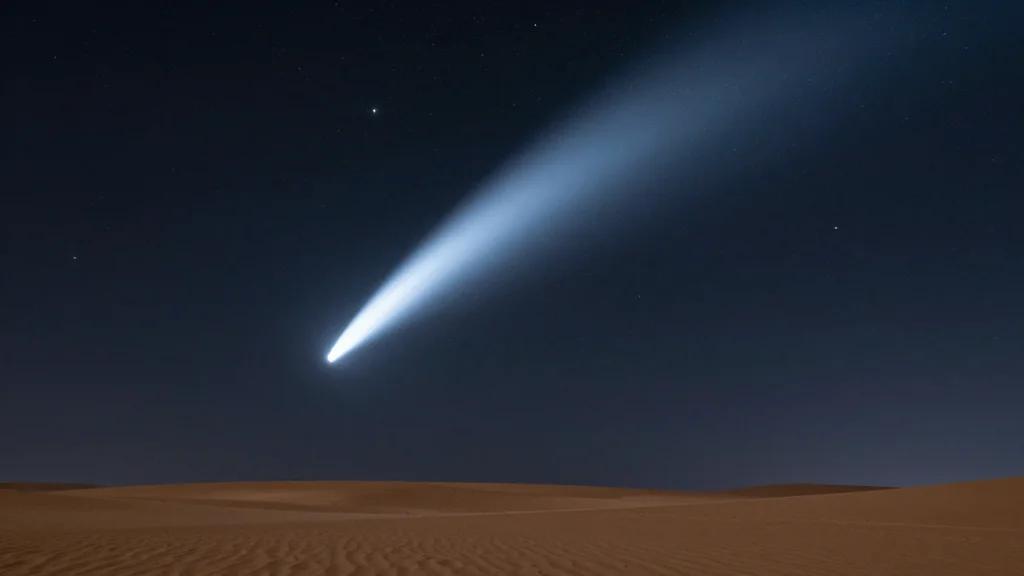
March 22, 1997: Comet Hale-Bopp Peaks
Comet Hale‑Bopp, discovered in July 1995 by Alan Hale and Thomas Bopp, reached its brightest point on March 22, 1997 with a magnitude of –0.8. The comet remained visible to the naked eye for 18 months, shattering the previous record...
The Sky Today on Sunday, March 22: Asteroid Iris Passes a Double Star
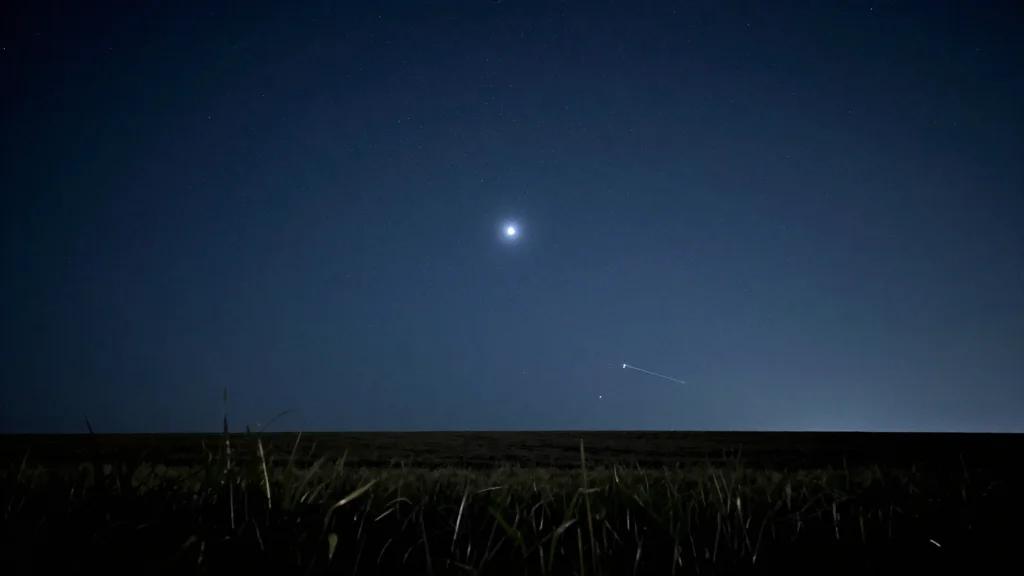
Asteroid 7 Iris is transiting the constellation Sextans on March 22, 2026, passing 2.6° north of the 4th‑magnitude Alpha Sextantis and within a quarter‑degree of a faint double star pair. The asteroid’s current magnitude of 9.4 makes it dimmer than the doublet...
The Sky Today on Saturday, March 21: It’s Messier Marathon Night
The March 20‑21 weekend offers an optimal Messier marathon, allowing astronomers to attempt all 109 objects in Charles Messier’s catalog from sundown to sunrise. Low moon illumination (12% waxing crescent) and dark skies create ideal deep‑sky conditions, especially for bright targets...
New Satellite Constellations Could Ruin the Night Sky, Astronomers Warn
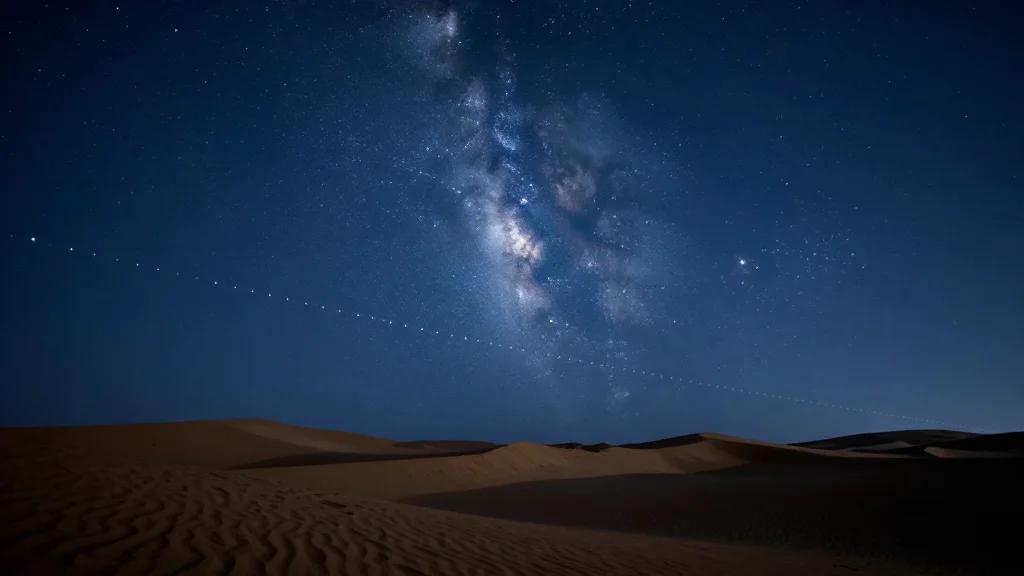
Astronomy groups are alarmed after SpaceX and Reflect Orbital filed FCC applications for massive satellite constellations—up to one million AI‑data satellites and 50,000 reflective mirrors. The proposals would dramatically increase visible objects in low‑Earth orbit, potentially brightening the night sky...
The Sky Today on Friday, March 20: The Moon Passes Venus on the Vernal Equinox
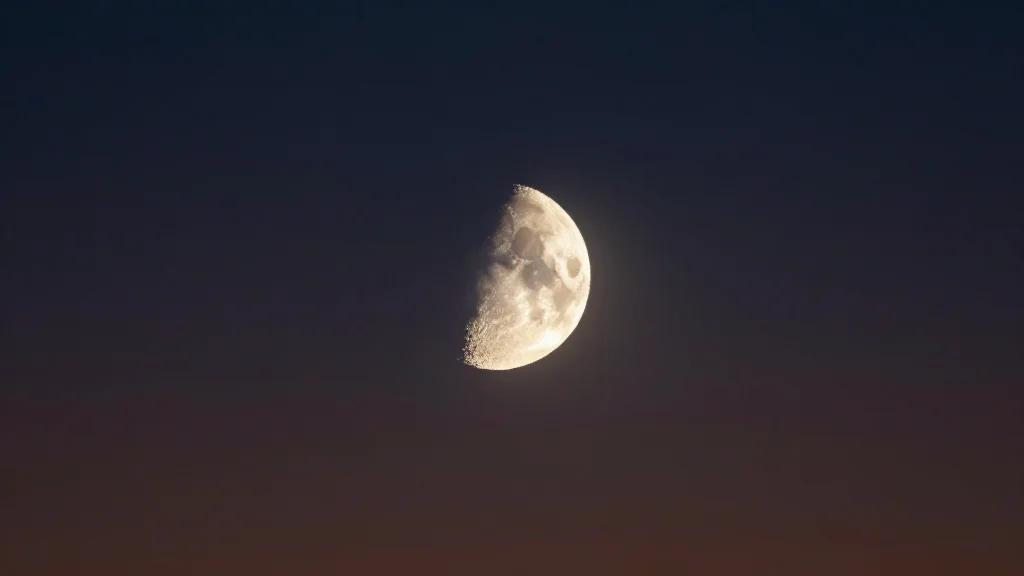
On March 20, 2026, the Moon will pass five degrees north of Venus, an alignment that coincides with the vernal equinox. While the conjunction occurs at 9 A.M. EDT, the two bodies become visible together in the evening sky, with Venus shining at...
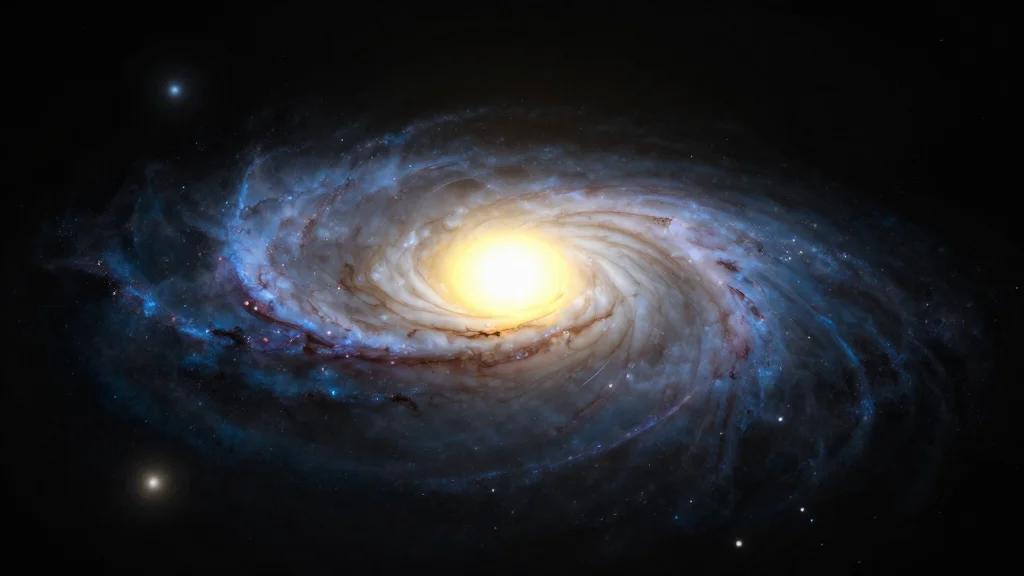
A Galactic Sea
Astronomy Magazine’s latest picture‑of‑the‑day showcases spiral galaxy M106, located roughly 24 million light‑years away in Canes Venatici. The galaxy’s disk appears slightly warped, a relic of a past gravitational encounter. The deep‑field exposure also captures several background galaxies, notably NGC 4217 and NGC 4220....
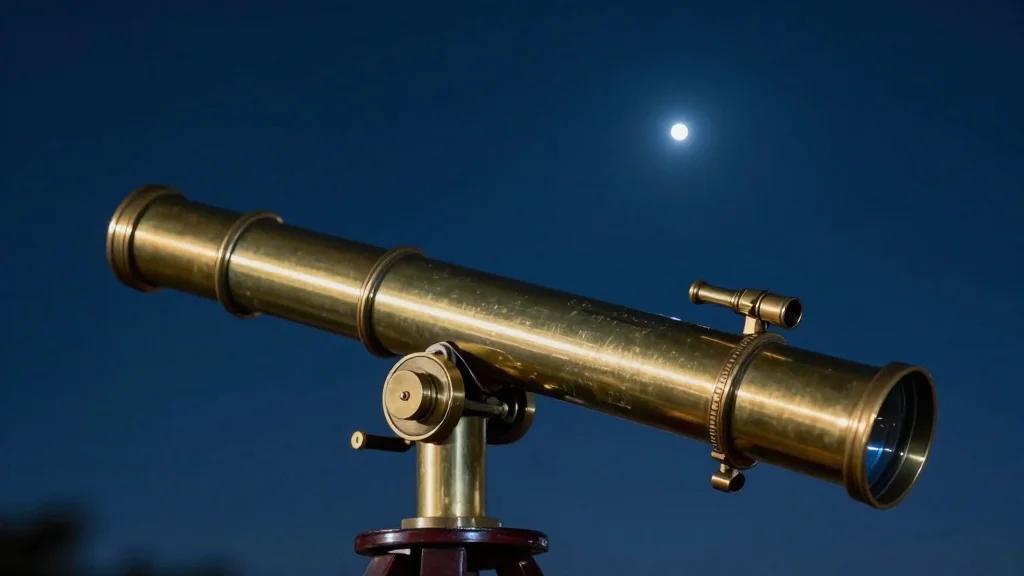
March 19, 1799: The Birth of William Rutter Dawes
William Rutter Dawes, born March 19, 1799 in London, transitioned from medicine and the clergy to become a leading 19th‑century amateur astronomer. From a private Lancashire observatory he catalogued over 200 double stars, later moving to George Bishop’s Observatory where...
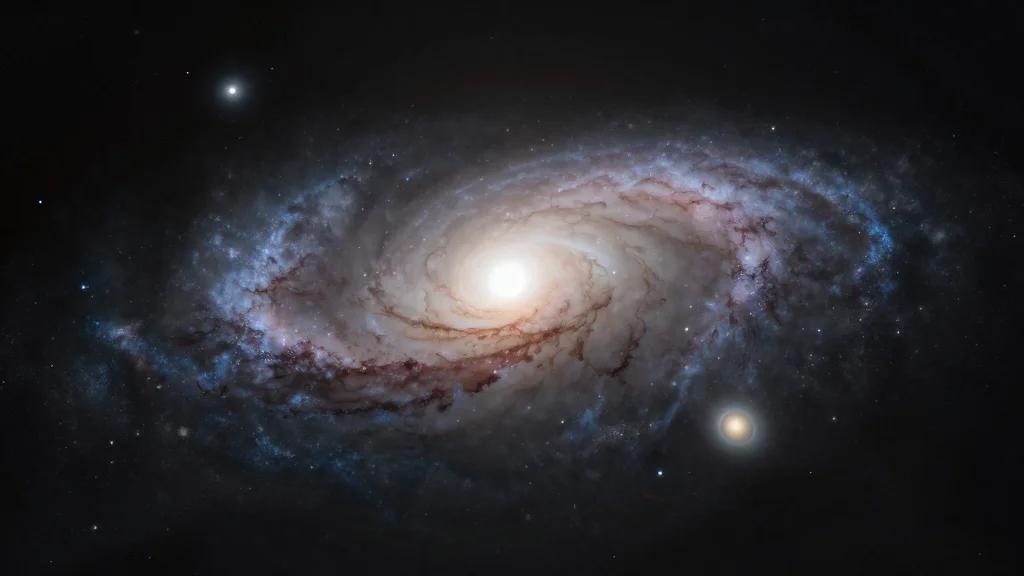
Why Doesn’t Astronomy Magazine Recognize Messier 110?
Astronomy magazine does not list Messier 110 because the original Messier catalogue, compiled by Charles Messier, stops at 103 objects. Although Messier observed the Andromeda satellite galaxy, he never assigned it a Messier number, and it was only added by amateur Kenneth Glyn Jones...
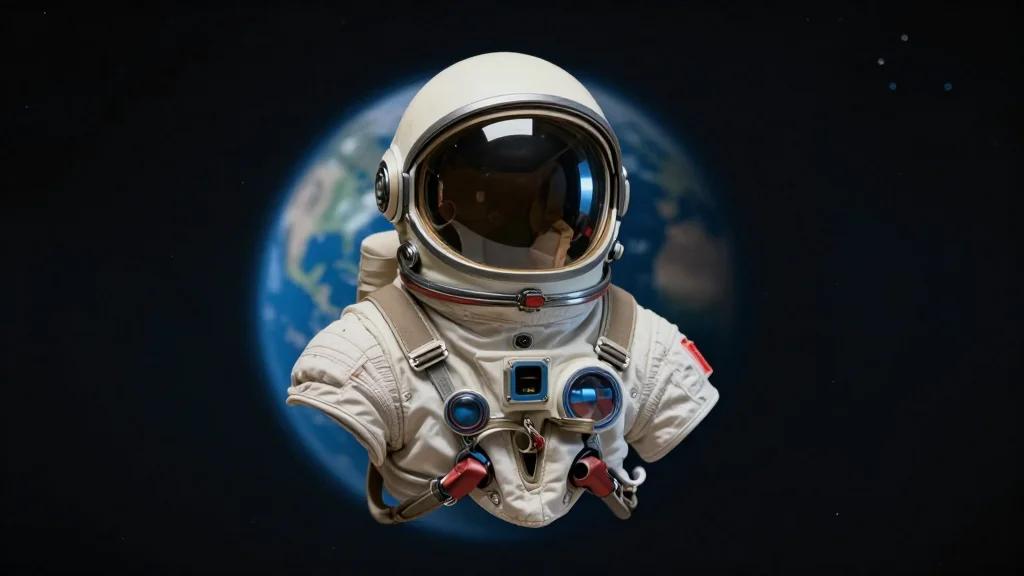
March 18, 1965: The First Spacewalk
On March 18, 1965, Soviet cosmonaut Alexei Leonov performed the first human spacewalk during the Voskhod 2 mission. He spent roughly 12 minutes outside the capsule before a suit malfunction forced him to depressurize and crawl back, narrowly surviving. While in...