Astronomy Magazine
Covers space missions, planetary science, and space technology for enthusiasts

May 31, 1975: ESA Begins Operations
On May 31, 1975 the European Space Agency (ESA) began de facto operations after ten founding nations signed the ESA Convention the previous day. The agency emerged from the merger of the European Space Research Organization and the European Launcher Development Organization, ending a decade of fragmented European space efforts. At launch, ESA became the world’s third‑largest space program behind the United States and the Soviet Union. Today it has expanded to 23 member states and associates, operating its own launch vehicles and deep‑space missions.

The Sky Today on Thursday, May 28: Scorpius Holds M80
On May 28, the globular cluster M80 in Scorpius reaches its highest point in the southern sky shortly after midnight, offering a prime viewing window for amateur astronomers. The cluster glows at magnitude 7.3, spans ten arcminutes, and sits about 32,600 light‑years from...
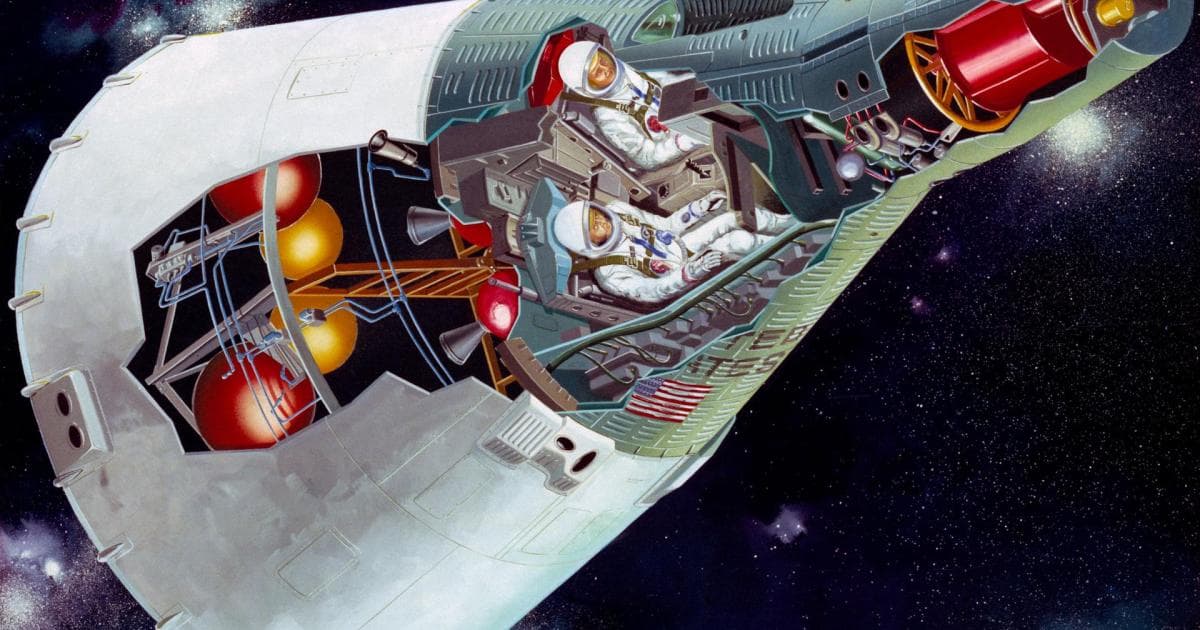
May 26, 1959: The First Meeting of the Goett Committee
On May 25‑26 1959 the Research Steering Committee on Manned Space Flight, chaired by Harry J. Goett, convened its inaugural meeting. The panel, later known as the Goett Committee, was tasked with charting NASA’s post‑Mercury human‑spaceflight roadmap. Its flagship recommendation was to launch...
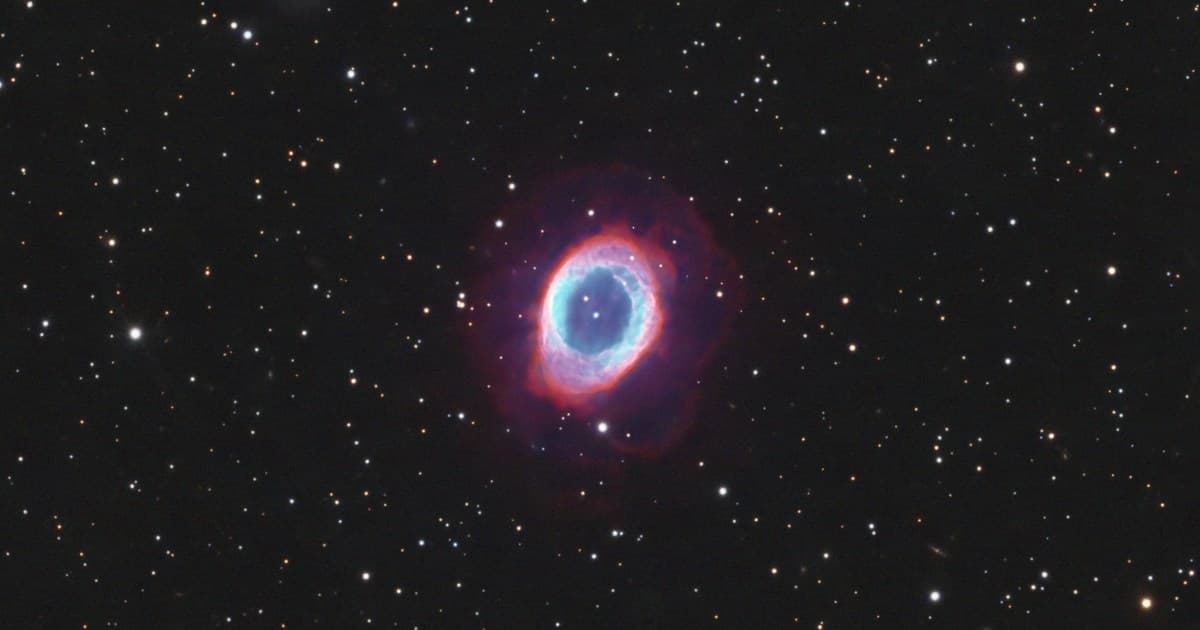
Come Full Circle with the Ring Nebula
Astronomy magazine’s Dave Eicher spotlights the Ring Nebula (M57), a planetary nebula 2,200 light‑years away in Lyra, visible through modest telescopes. He explains that the glowing gas shell is the remnant of a Sun‑like star that has shed its outer...
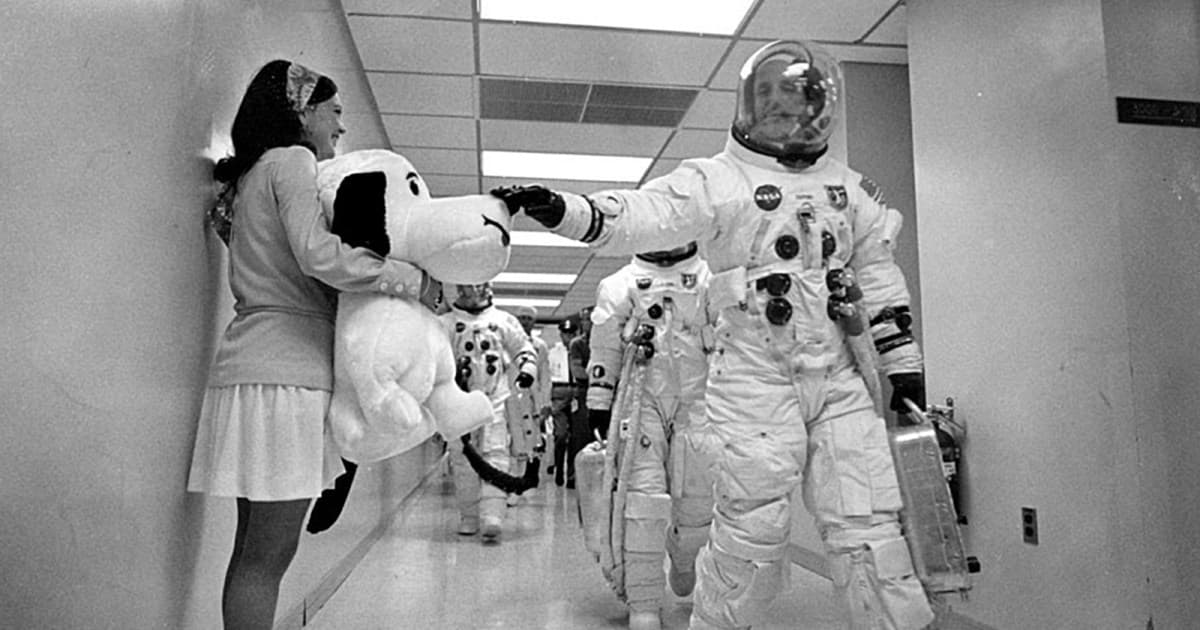
May 22, 1969: Snoopy’s Closest Approach to the Moon
Apollo 10 served as the final dress rehearsal for the first Moon landing, launching on May 18, 1969. The crew named the Lunar Module “Snoopy” and on May 22 brought it within 9 miles (14.4 km) of the Sea of Tranquility, testing radar, flight‑control and docking...
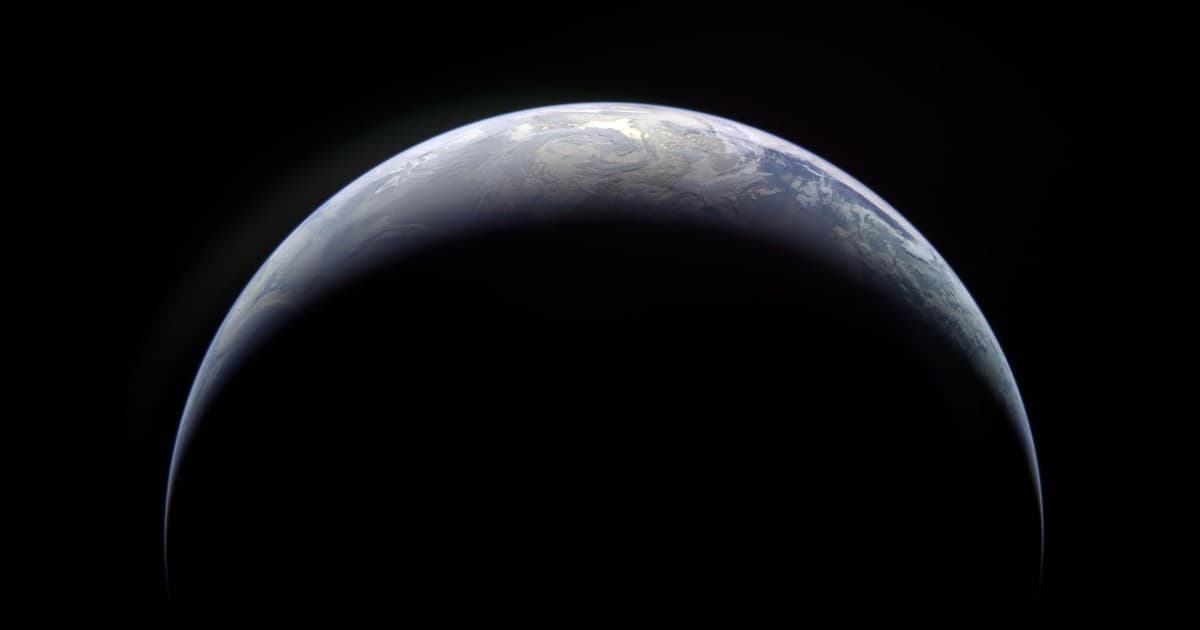
No Place Like Home
The article uses the iconic line “There’s no place like home” to frame a vivid tour of our solar system, anchored by the European Space Agency’s Rosetta spacecraft photo of a crescent Earth taken during its 2009 flyby. It contrasts...
How to Read the July Digital Issue of Astronomy Magazine
Astronomy magazine’s July 2026 issue marks its first digital‑only release, going live on May 22 across web browsers, the iOS app, and the Zinio library. The issue features scrollable layouts, full‑screen imagery and interactive elements designed for any device. Readers can also...
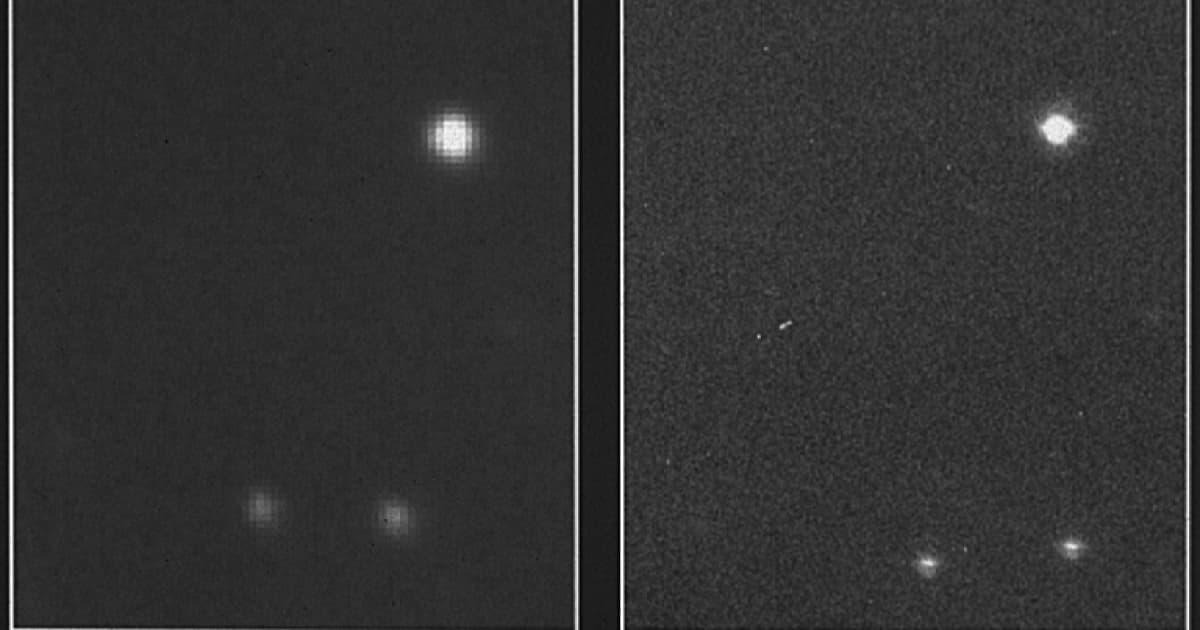
May 20, 1990: Hubble’s First Light
After a four‑decade development cycle, the Hubble Space Telescope launched on April 24, 1990 and achieved first light on May 20, 1990 with a 30‑second exposure of the 8.2‑magnitude star HD 96755. The engineering image, taken by the Wide Field and Planetary Camera, was roughly...
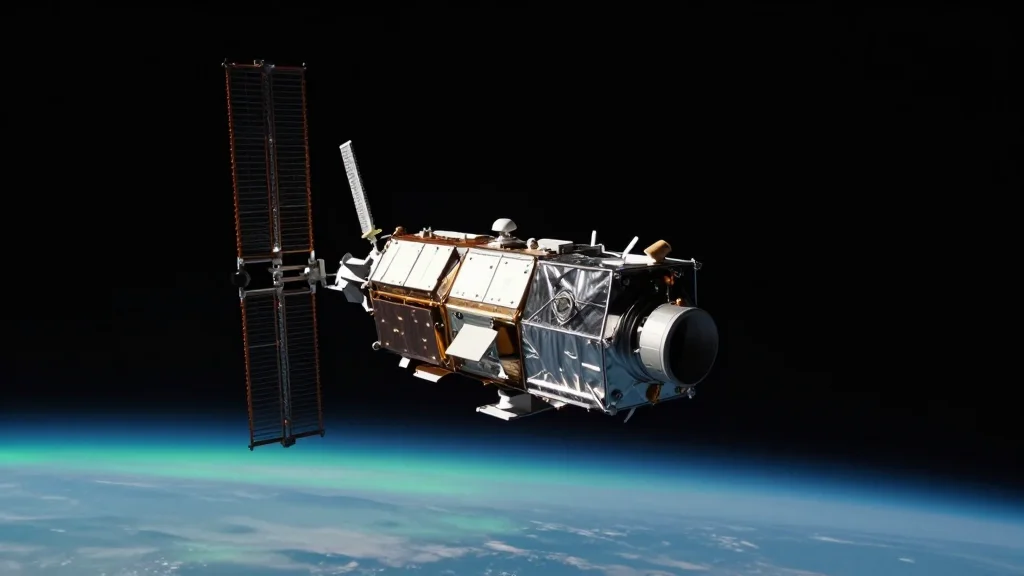
SMILE to Give Earth’s Magnetosphere Its First X-Ray
SMILE, a joint ESA‑Chinese Academy of Sciences mission, launched on May 18 from Kourou aboard a Vega‑C rocket. The spacecraft will be the first to use soft X‑ray emissions to produce global images of Earth’s magnetosphere and track auroral activity with...
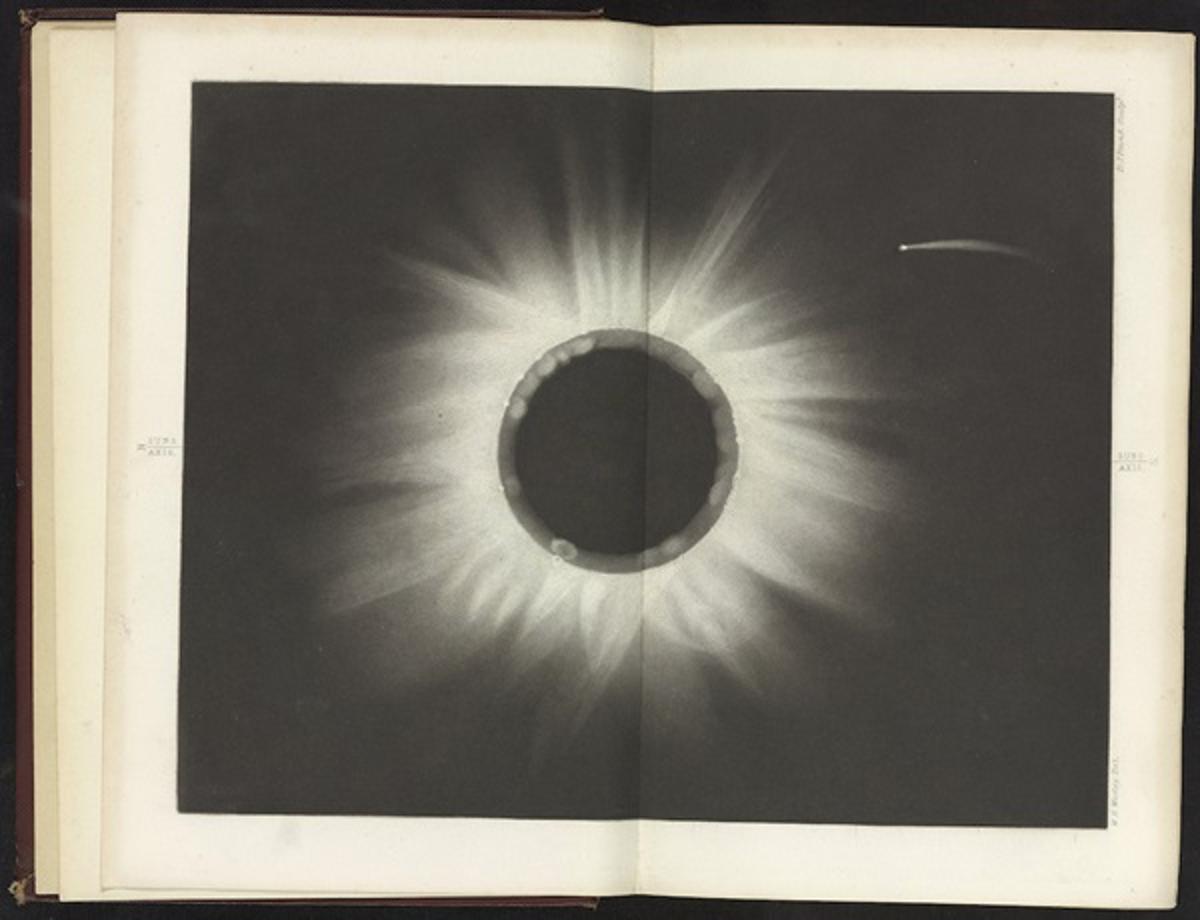
May 17, 1882: Comet Tewfik Is Spotted During an Eclipse
On May 17, 1882 a total solar eclipse crossed Africa, the Middle East and Asia, drawing a multinational scientific team to Egypt. Led by J. Norman Lockyer, the expedition aimed to study the Sun’s corona and sun‑spot activity. Arthur Schuster and Captain W. de W. Abney...

May 16, 1925: The Birth of Nancy Grace Roman
Nancy Grace Roman, born May 16, 1925, rose from a childhood astronomy club to become NASA’s first chief of astronomy in 1961. She championed the concept of a permanent space‑based observatory, lobbying Congress for funding that culminated in the 1977 approval of the Hubble...
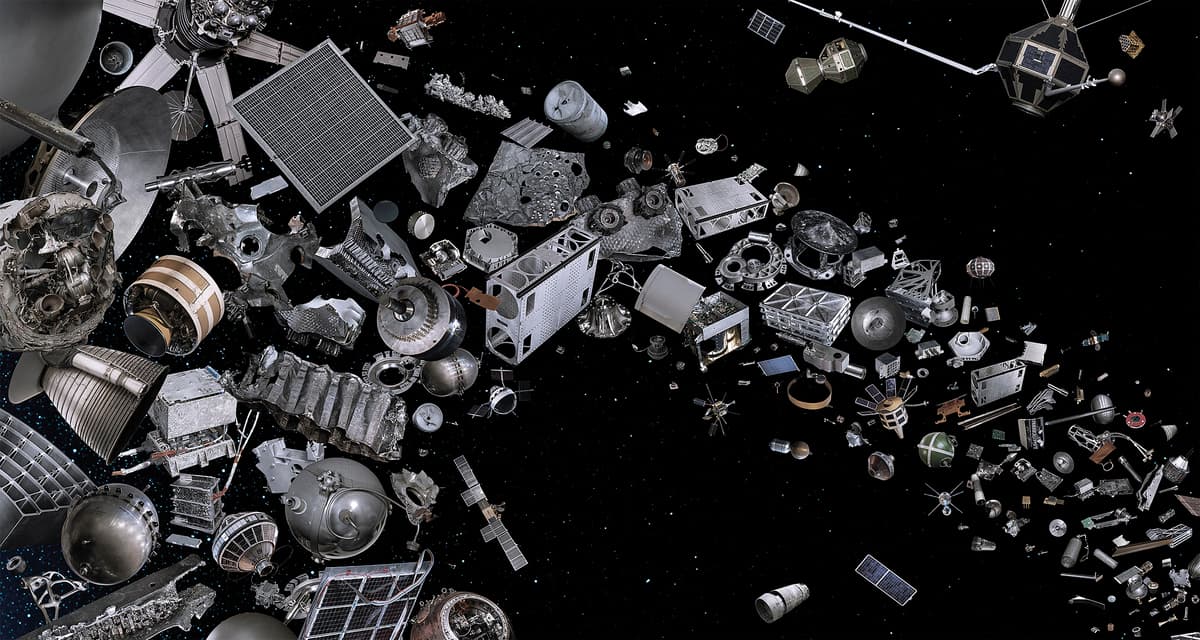
Solar Activity Determines How Fast Space Junk Falls to Earth
A new study tracking 17 pieces of space debris over 36 years shows that orbital decay accelerates once solar activity reaches roughly two‑thirds of its peak. The researchers identified a clear threshold—around 67‑75% of maximum sunspot numbers—where drag from a heated...
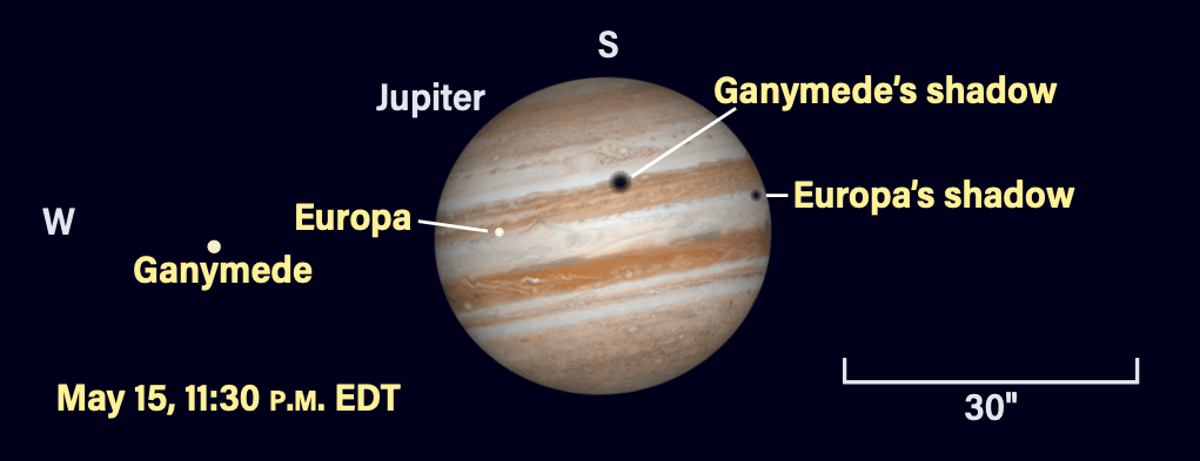
The Sky Today on Friday, May 15: A Double Shadow Transit at Jupiter
On the night of May 15, 2026, Jupiter will host a rare double‑shadow transit as the shadows of moons Europa and Ganymede sweep across its cloud tops. Ganymede’s shadow appears first at 9:58 PM EDT and finishes around 11:26 PM MDT, while Europa’s shadow follows,...
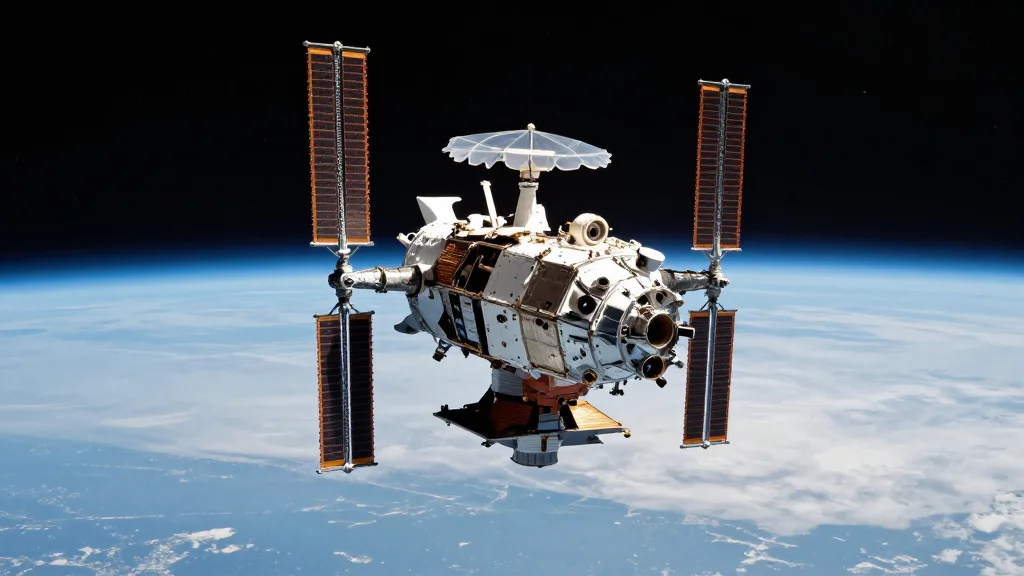
May 14, 1973: Skylab Launches
On May 14, 1973, NASA launched Skylab, the United States' first space station, weighing 170,000 lb, the heaviest payload ever sent to orbit. Within a minute, the micrometeoroid/thermal shield ripped away, damaging both solar arrays and causing temperature spikes. After an 11‑day delay...
A Stellar Nursery in Perseus
NGC 1333, a stellar nursery located about 1,000 light‑years from Earth in the Perseus molecular cloud, has been captured in a striking new image by John Vermette at the Starfront Observatory in Texas. The eight‑hour exposure using a 4‑inch f/5 refractor...