
EP Advocacy Group Details 6 Key Policy Issues
Heart Rhythm Advocates (HRA) outlined six policy issues that could shape electrophysiology in 2026, led by Medicare payment reform and a new 2.5% efficiency adjustment that threatens physician reimbursement. The group highlighted a reintroduced Medicare Patient Access and Practice Stabilization Act (H.R. 879) seeking to postpone the cut until 2030, and raised concerns over Carelon’s prior‑authorization policy for AFib ablation. Additional challenges include steep LAAO payment reductions, lingering ASC barriers, the need for permanent telehealth flexibilities, and uncertainty around NIH research funding.

Acute Kidney Injury After TAVR: Key Risk Factors Every Cardiologist Should Know
A meta‑analysis of 10,353 transcatheter aortic valve replacement (TAVR) patients found that 21.7% develop acute kidney injury (AKI). The study identified eight independent predictors, including hypertension, coronary artery disease, peripheral vascular disease, prior stroke, chronic kidney disease, elevated serum creatinine,...

FDA Approves JenaValve TAVR System for Aortic Regurgitation
JenaValve received FDA clearance for its Trilogy Transcatheter Heart Valve System, marking the first TAVR device expressly approved to treat symptomatic, severe aortic regurgitation (AR). The approval follows the ALIGN‑AR trial, which demonstrated the valve’s safety and efficacy in a...

New Obesity Statistics Highlight Importance of Preventive Cardiology
A new WalletHub analysis ranks Little Rock, Arkansas as the nation’s most overweight city, followed by McAllen, Texas and Memphis, Tennessee. The report evaluated 100 U.S. metro areas on adult and child obesity, cardiovascular health, food access and fitness, confirming...
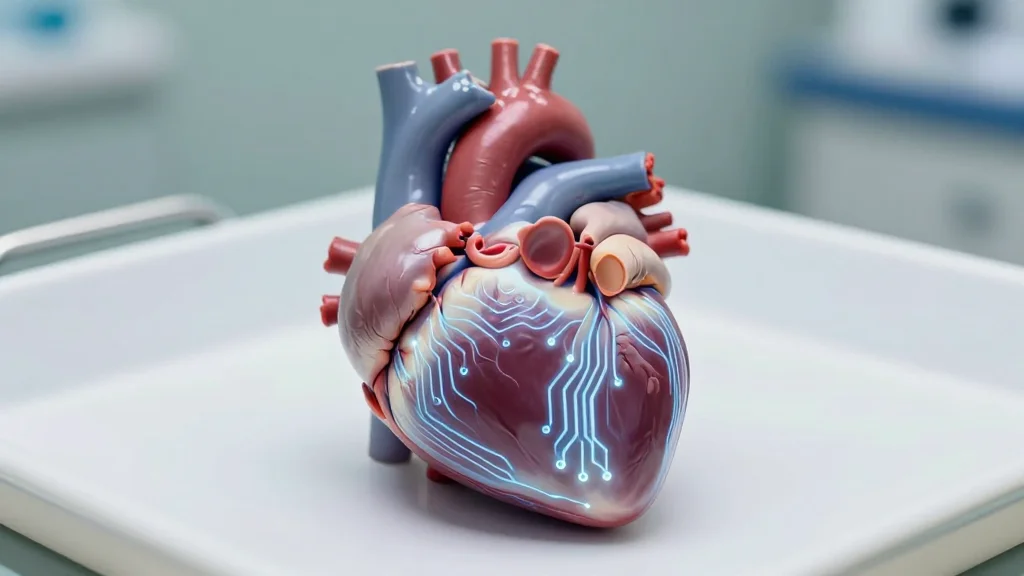
Imaging Evaluations and PCI Planning: Heartflow Announces ‘Tremendous Progress’ for AI Portfolio
Heartflow announced that its AI‑enabled Plaque Analysis software will be highlighted in three ACC.26 presentations, showcasing data from a 15,000‑patient CCTA registry that predicts major adverse cardiovascular events. A separate DECIDE registry of nearly 3,800 patients demonstrated that AI‑guided care...

Heart Failure Hospitalizations After PCI: A Warning Sign of ‘Exceptionally High Risk’
A new JACC: Cardiovascular Interventions study of over 10,000 PCI patients in Japan found that heart‑failure hospitalizations occur in 4.7% of cases and are linked to a 25% two‑year mortality rate. By contrast, acute coronary syndrome and major bleeding showed...

New Dyslipidemia Guideline Puts Add-On Testing, Early Screening in the Spotlight
The latest dyslipidemia guideline introduces the PREVENT risk calculator, enabling clinicians to personalize ASCVD risk using routine health data and specific risk enhancers. It expands recommendations to include non‑contrast coronary artery calcium scans, as well as Lp(a) and apoB testing,...

CRT 2026: Key Takeaways for Interventional Cardiologists
The Cardiovascular Research Technologies (CRT) 2026 meeting showcased a suite of late‑breaking interventional cardiology studies, ranging from long‑term TAVR versus SAVR outcomes to novel radiation‑shielding devices. A seven‑year PARTNER 3 substudy found comparable health‑status results for low‑risk patients after TAVR and...

Apixaban Bests Rivaroxaban in New DOAC Comparison
A head‑to‑head trial (COBRRA) of 2,700 acute VTE patients found apixaban significantly lowers bleeding risk compared with rivaroxaban, while maintaining similar efficacy in preventing recurrent clots. Patients received standard dosing regimens for three months, with apixaban showing a 3.3% composite...

Prior Authorization May Reduce Access to Important Heart Failure Drugs
A new JACC: Advances study finds prior‑authorization requirements hinder access to guideline‑recommended heart‑failure drugs, affecting 12.2% of ARNI and 14.3% of SGLT2i prescriptions. The barriers are disproportionately faced by younger, Black and Hispanic patients with non‑Medicare insurance. Authorization delays extend...
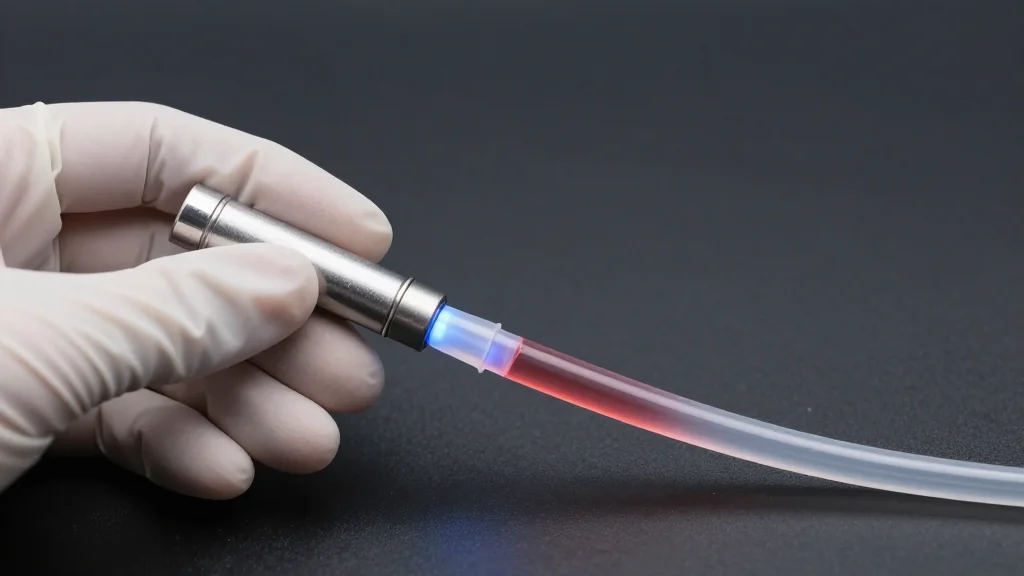
FDA Clears Intravascular Device Billed as ‘World’s Smallest Camera’ as Physicians Share New Data
Vena Medical secured FDA clearance for its Vena MicroAngioscope System, marketed as the world’s smallest intravascular camera, for peripheral artery imaging. The device provides real‑time color images without X‑ray fluoroscopy by pairing a balloon distal access catheter with a saline...

Shortage of Cardiac Amyloidosis Radiotracers Should Ease in Late March
The American Society of Nuclear Cardiology (ASNC) announced that the nationwide shortage of technetium‑99m radiotracers used to diagnose transthyretin cardiac amyloidosis is expected to ease by late March. Curium, a key supplier, has already released a PYP lot in mid‑February...

FDA Clears New Large-Bore Catheter for Challenging Stroke Cases
Toro Neurovascular has obtained FDA clearance for its Toro 88 Superbore Catheter, a large‑bore device engineered for challenging stroke interventions. The catheter promises enhanced support, trackability, and stability, addressing the time‑sensitive nature of neurovascular procedures. UCLA interventional neuroradiologist Dr. Satoshi Tateshima...
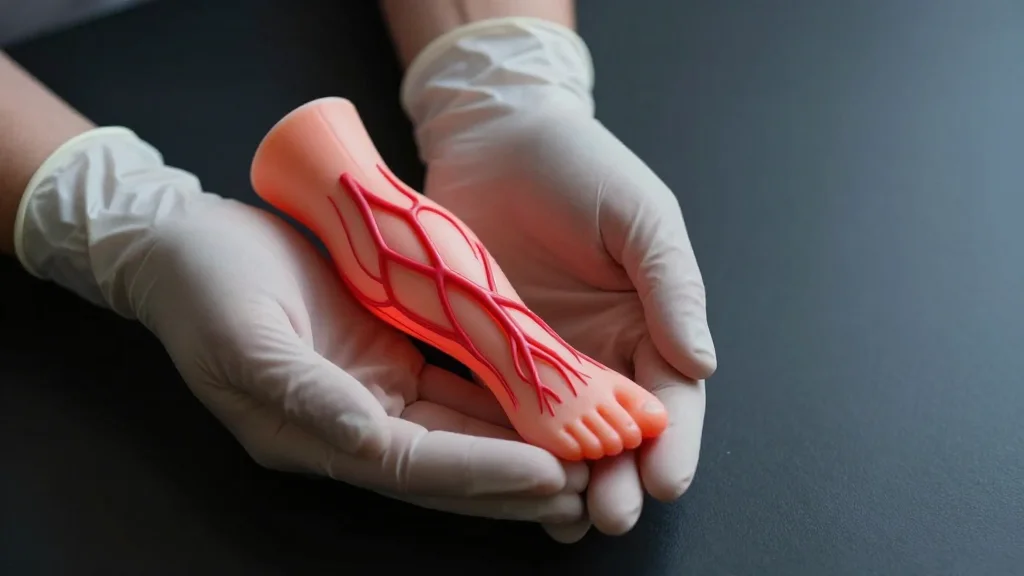
Vascular Surgeons Deliver Major Value in Terms of Patient Outcomes and Health System Profitability
A new meta‑analysis of 29 clinical trials shows that involving vascular surgeons in multidisciplinary care consistently improves patient outcomes, including lower blood loss, fewer complications, and reduced amputation rates. The studies also reveal a strong financial upside: vascular surgery contributes...

A ‘Disquieting Plateau’: Healthcare Costs Are up, but Survival Among Heart Patients Stays the Same
A new JACC analysis shows that U.S. cardiovascular mortality, which fell sharply from 2000 to 2011, has essentially stalled since 2011, hovering around 224 deaths per 100,000. During the same period, spending on cardiovascular care more than tripled, rising from...

Shockwave Medical’s New Coronary IVL Catheter, Now Twice as Fast, Impresses After 30 Days
Shockwave Medical, a Johnson & Johnson MedTech unit, unveiled a next‑generation coronary intravascular lithotripsy (IVL) catheter that operates at 2 Hz, delivering ten pulses in five seconds—twice the speed of its current 1 Hz system. Early data from the multicenter Disrupt CAD...
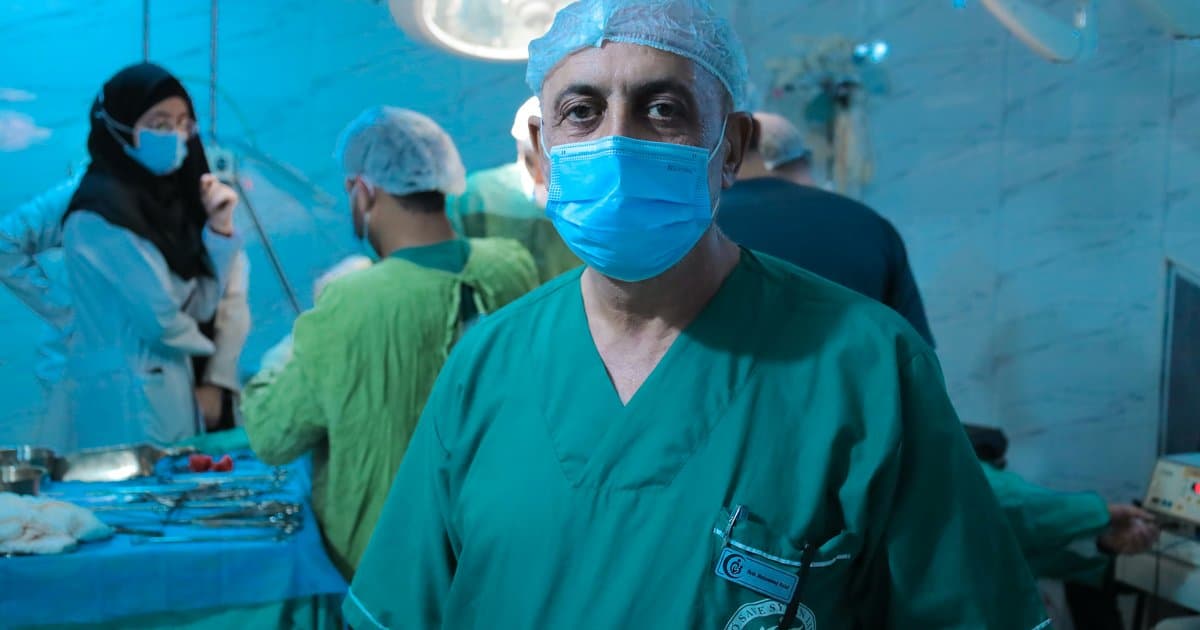
Nearly Half of All Surgeons Have Considered Leaving the Profession Due to Burnout
A Johnson & Johnson MedTech survey of 1,500 surgeons across five countries reveals that 43% have considered leaving surgery, rising to 65% among those experiencing burnout. Only 36% report positive mental health, while family‑time strain (48%), administrative burdens (47%) and long hours (44%)...

Medtronic to Acquire Medtech Company Scientia Vascular for $550M
Medtronic announced a $550 million acquisition of Salt Lake City‑based Scientia Vascular, a developer of FDA‑cleared guidewires and catheters for complex cerebral procedures. The transaction includes potential milestone payments that could raise the total consideration. Scientia, with over 300 employees, will...
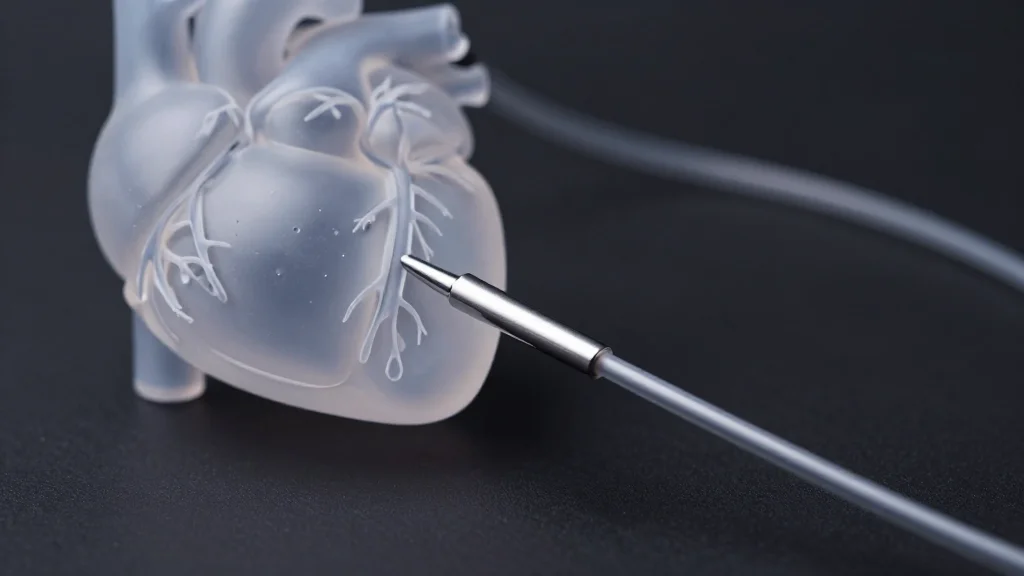
Next-Generation Guide Extension Catheter Delivers Value During Complex PCI
A new guide extension catheter, CrossFAST, received FDA clearance in December 2024 and has shown improved efficiency and safety in complex percutaneous coronary interventions. Early clinical experience with four patients demonstrated rapid, deep coronary intubation without balloon‑assisted tracking, reducing dissection risk...

AATS Wants to Improve Research in the Field of Cardiothoracic Surgery
The American Association for Thoracic Surgery (AATS) has forged a partnership with the NHLBI‑backed Cardiothoracic Surgical Trials Network (CTSN) to accelerate practice‑changing clinical trials. CTSN’s existing infrastructure, which has already enrolled about 20,000 patients, will be leveraged to support new,...

Moderate Valve Oversizing During TAVR Boosts Survival—Too Much May Be Less Beneficial
A recent study of over 1,800 TAVR patients (2020‑2025) found that moderate valve oversizing of 10 %‑20 % independently reduced all‑cause mortality, while minimal (<10 %) and severe (≥20 %) oversizing showed no survival benefit. Procedural outcomes, including stroke and vascular complications, were similar...
Cardiology Now Has More than 200 FDA-Cleared AI Algorithms
An updated FDA registry shows cardiology now hosts more than 200 cleared AI algorithms, including 140 directly listed under the specialty and an additional 63 imaging‑focused tools. The total number of FDA‑cleared clinical AI applications reached 1,451, with radiology still...
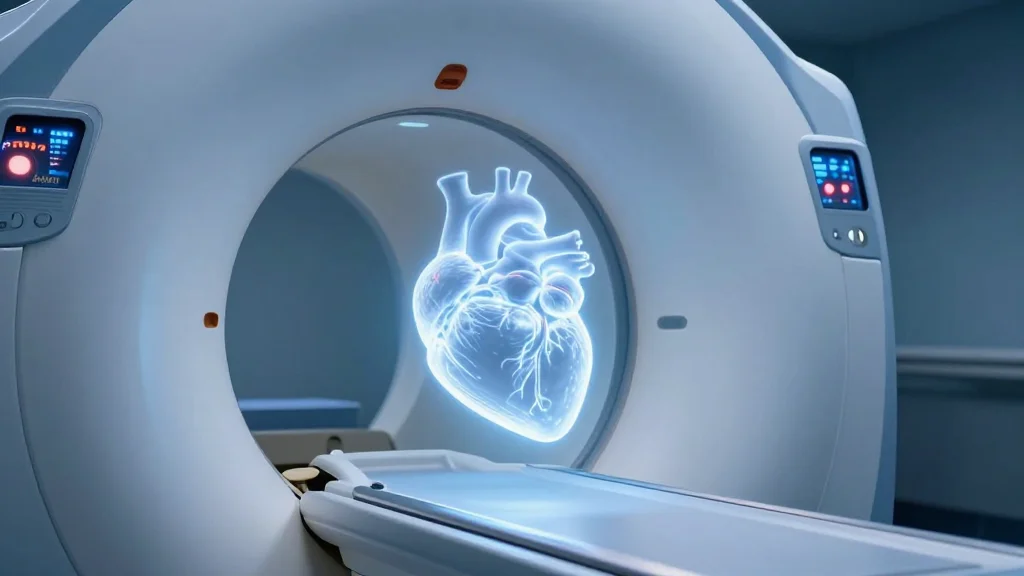
FDA Clears AI-Enabled Cardiac MR Planning Technology From Philips
Philips received FDA clearance for SmartHeart, an AI‑driven planning solution that automates cardiac magnetic resonance (CMR) exam setup in under 30 seconds. The system configures 14 standard views, reduces patient breath‑holds by up to 75%, and embeds motion‑correction (Cardiac MoCo)...

High-Sensitivity Troponin Protocol Most Successful at Freestanding EDs
A new RACE‑IT study of 32,609 chest‑pain patients shows that a high‑sensitivity troponin protocol enables far faster discharge in freestanding emergency departments than in hospital EDs. Using an accelerated one‑hour rule‑out pathway, 95 % of low‑risk patients left freestanding sites safely,...

Cardiologists Develop New AI Screening Tool for Structural Heart Disease
Columbia University cardiologists unveiled EchoNext, an AI algorithm that analyzes standard electrocardiograms to screen for structural heart disease such as severe aortic stenosis, mitral regurgitation and heart failure. In a published JACC case report, the tool flagged an asymptomatic 84‑year‑old...

AI Spots Heart and Lung Conditions in Eye Images of Premature Infants
Researchers have developed a deep‑learning algorithm that reads retinal photographs taken during routine retinopathy of prematurity (ROP) screenings to flag serious lung and heart conditions in preterm infants. In a study of 493 infants across seven NICUs, the model achieved...
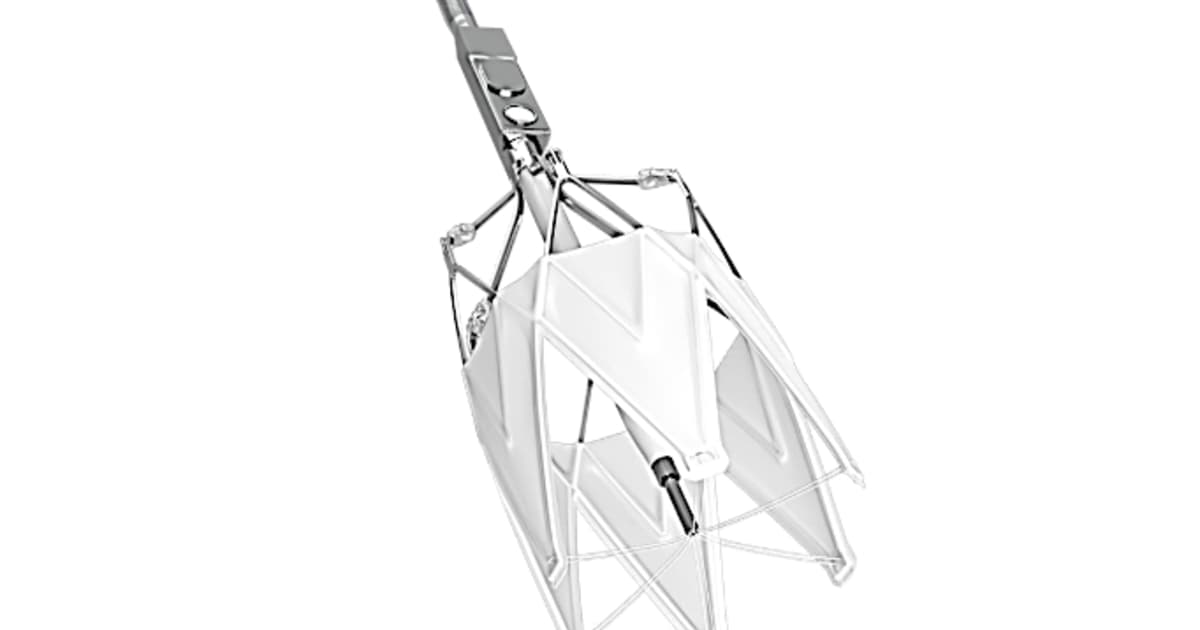
New AI-Enabled Heart Failure Implant Shows Early Potential
Relief Cardiovascular unveiled its AI‑enabled Relief System, an implantable valve and sensor that modulates inferior vena cava pressure to boost renal perfusion in diuretic‑resistant heart‑failure patients. In the first‑in‑human RELIEF‑FIH study of eight European participants, the device achieved 100% procedural...
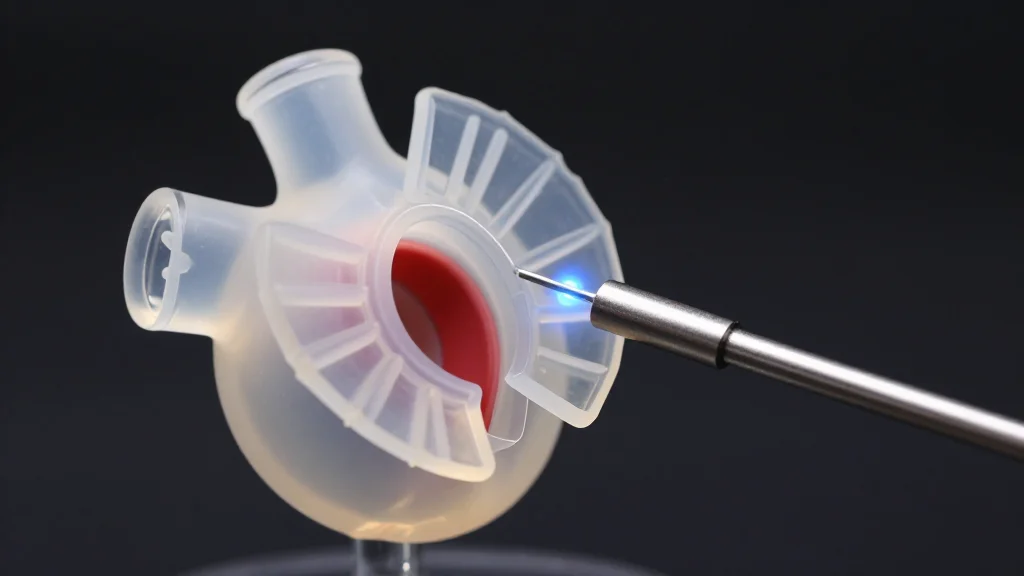
Cardiologists Perform First TAVR of Its Kind by Anchoring Valve to Crushed Stent
Interventional cardiologists performed the first ATLAS transcatheter aortic valve replacement, anchoring a Sapien 3 valve to a crushed Palmaz stent in a 75‑year‑old woman with severe non‑calcified aortic regurgitation and prior aortic dissection. The heart team selected the non‑coronary cusp for...
Johnson & Johnson Launches 3 New Stroke Devices
Johnson & Johnson MedTech launched three new stroke devices—Cereglide 42 and Cereglide 57 aspiration catheters and the Innerglide 7 delivery aid—expanding its aspiration‑first portfolio. The catheters feature a multi‑axial shaft, radiopaque tips and hydrophilic coating to improve navigation of distal clots. Innerglide 7 provides...
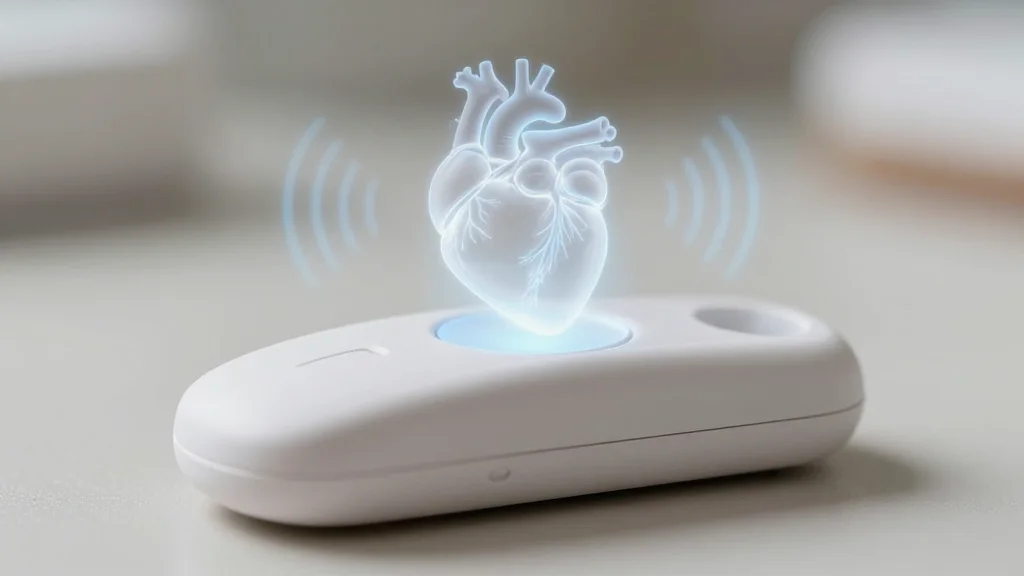
FDA Approves Next-Generation CardioMEMS Reader for Heart Failure Monitoring
Abbott received FDA approval for its next‑generation CardioMEMS HERO reader, a pulmonary artery pressure device for heart‑failure patients. The HERO unit is 60% lighter than earlier readers and incorporates built‑in Wi‑Fi and cellular connectivity, allowing measurements anywhere. The upgrade builds on...

AI Helps Identify Risk in Adults with Congenital Heart Disease
Survival rates for congenital heart disease (CHD) have risen, creating an estimated 1.4 million adult patients who often require repeat surgeries. At the 2026 Society of Thoracic Surgeons meeting, Mayo Clinic researchers presented a machine‑learning model that isolates 15 key variables...
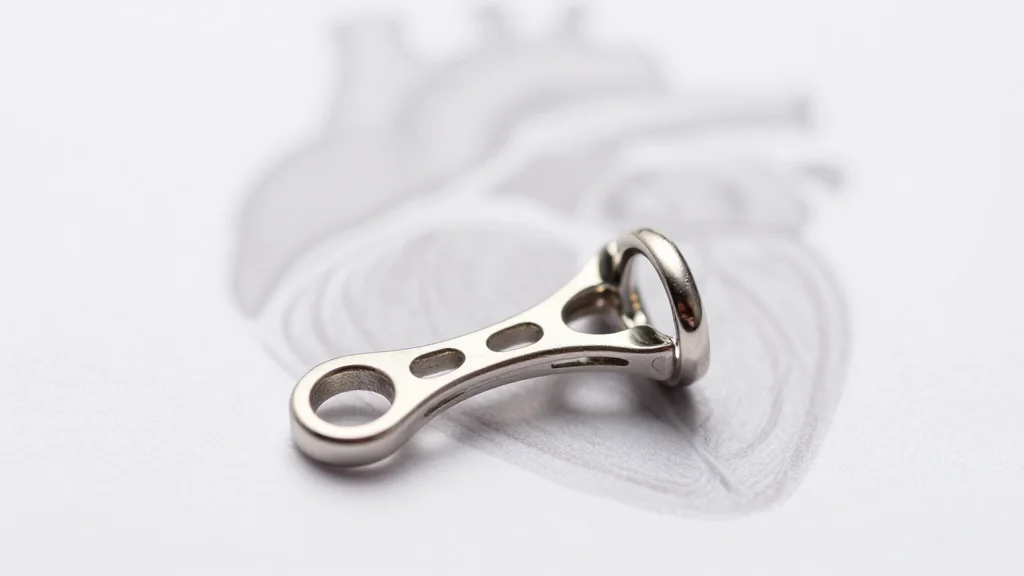
New Heart Device for ‘No-Option’ Chest Pain Patients Shows Early Potential
VahatiCor’s A‑Flux Reducer System, a self‑expanding, recapturable coronary sinus device, was implanted in a first‑in‑human cohort of 12 patients with coronary microvascular dysfunction or obstructive CAD. Eleven procedures were completed without any device‑related complications, and patients experienced significant improvements in...

Whole-Body MRI Provider Starts Offering AI-Powered CCTA Scans
TrueScan, a whole‑body MRI center in St. Peterburg, Florida, has begun offering AI‑powered coronary CT angiography (CCTA) from Heartflow, available as a standalone test or bundled with its MRI packages. The move addresses growing patient and physician demand for coronary imaging...
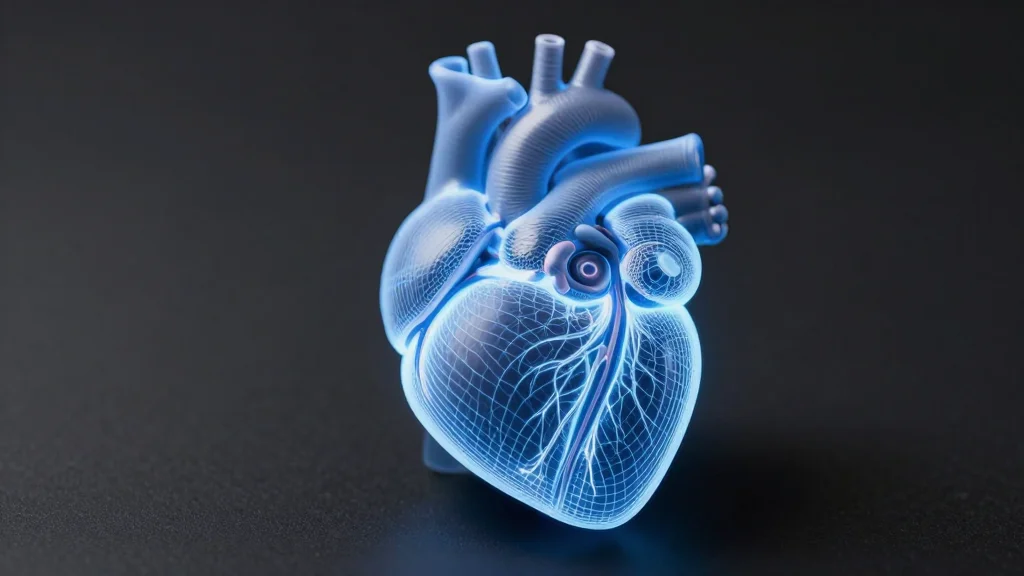
3D Software Helps Cardiologists Plan Ahead for TAVR Complications
Sentara’s high‑volume TAVR center adopted the AI‑enabled DASI 3‑D planning platform to move beyond static CT measurements. The software dynamically simulates valve frame expansion, calcium deformation, and tissue interaction, allowing clinicians to test multiple valve sizes and depths before the...
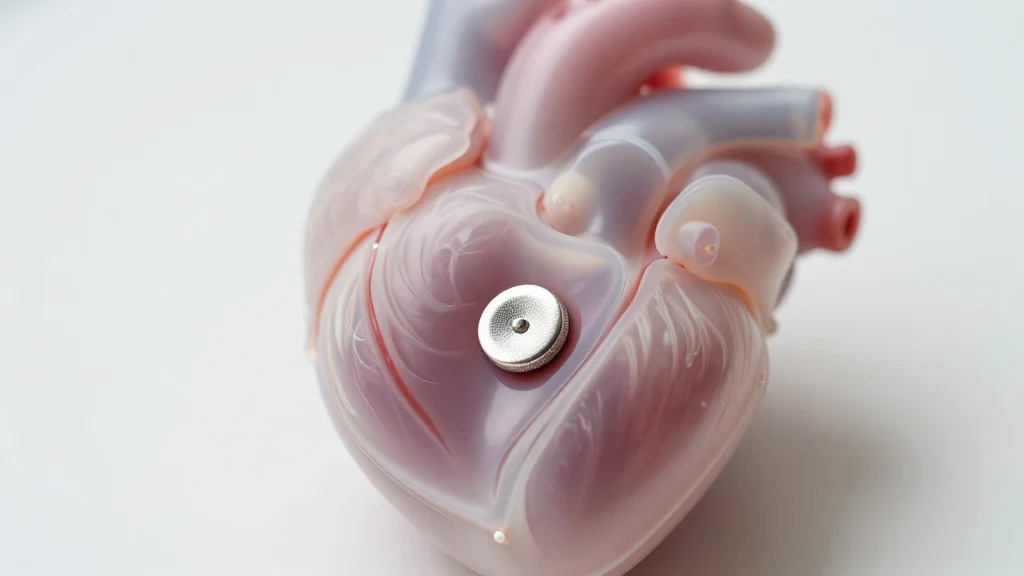
PFO Closure After Thromboembolism Linked to Strong 20-Year Outcomes
A new 20‑year follow‑up of 130 patients who received transcatheter patent foramen ovale (PFO) closure after a paradoxical embolism shows sustained safety and efficacy. The cohort, with a mean age of 46, experienced a recurrent stroke rate of 0.04 per...

FDA Shares New Warning About Johnson & Johnson Heart Pumps After 4 Injuries
The FDA issued an early‑alert notice on February 3, 2026, highlighting a leak risk in Generation 1 purge cassettes used with Johnson & Johnson MedTech’s Impella RP heart‑pump sets. A leak can trigger a low‑pressure alarm, potentially causing biomaterial ingress, pump stoppage, and loss...
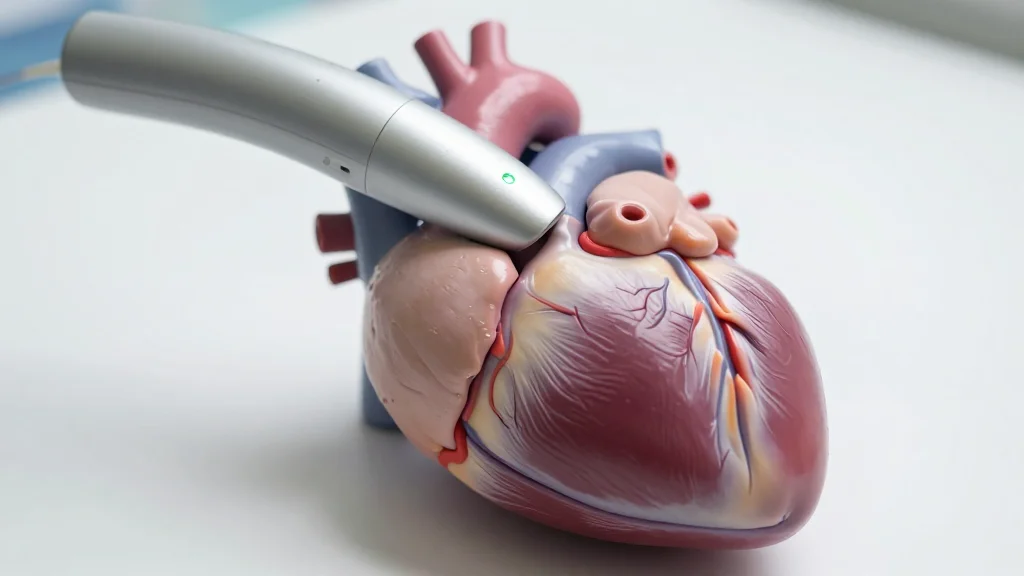
ASE Promoting 3D Echo as a Better Way to Treat Congenital Heart Disease
The American Society of Echocardiography (ASE) is championing 3‑dimensional echocardiography as the preferred tool for diagnosing and guiding treatment of congenital heart disease. ASE is standardizing image display and terminology to align imagers, interventional cardiologists, and surgeons, and will deliver...
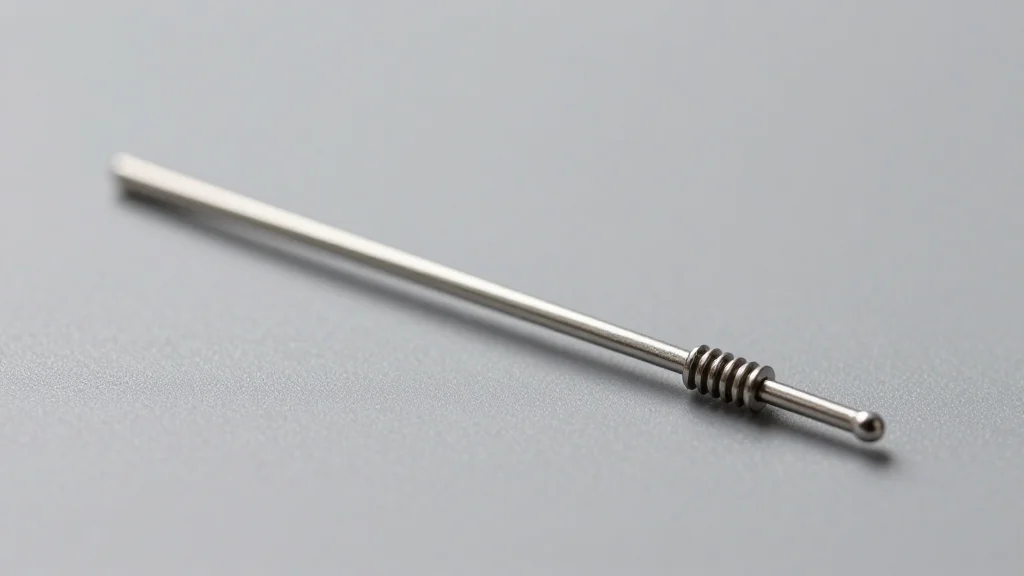
FDA Approves New Biotronik Pacing Lead for LBBAP
Biotronik received FDA clearance for its Solia CSP S pacing lead, a device engineered specifically for left bundle branch area pacing (LBBAP). The lead combines a stylet‑driven platform with a novel fixed‑helix screw, addressing procedural simplicity and electrical performance. Approval relied on...

Heart Failure Company BioVentrix Files for IPO
BioVentrix, a Massachusetts medtech firm developing the Revivent heart‑failure system, filed an IPO prospectus on Feb. 12, targeting a Nasdaq listing under BVXX. The company estimates a $10 billion valuation in the U.S. and $16 billion globally. Revivent, a minimally invasive LV reconstruction...
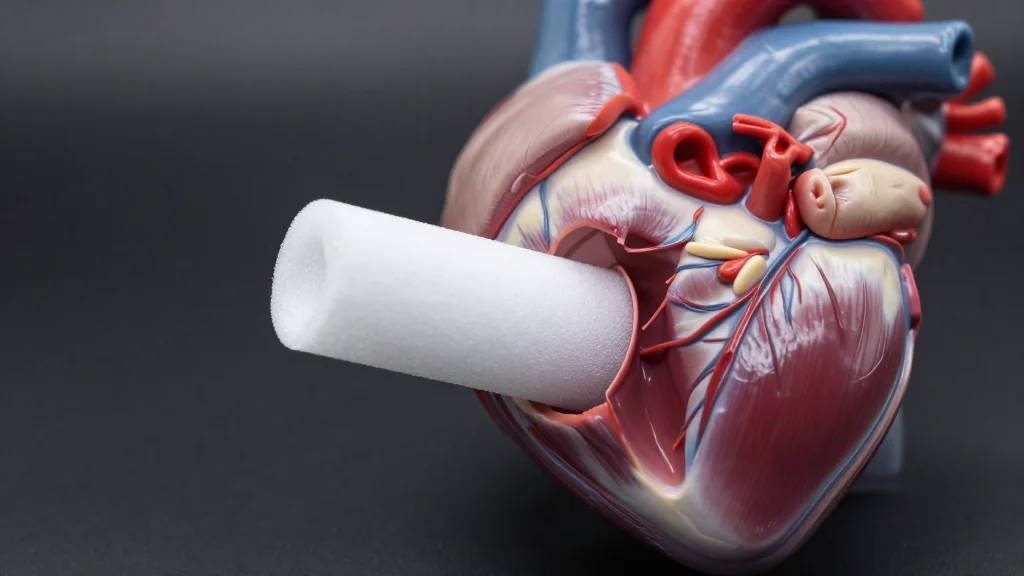
Gore Completes Acquisition of Medtech Company Behind Next-Gen Heart Device
W. L. Gore & Associates has completed its acquisition of Conformal Medical, the developer of the investigational CLAAS AcuFORM left atrial appendage occlusion system. The deal, announced in January, makes Conformal a wholly‑owned Gore subsidiary while keeping its focus on the foam‑based...

Medtronic’s RDN System Receives New Reimbursement Approval
Medtronic’s Symplicity Spyral renal denervation system has secured reimbursement approval from Japan’s Ministry of Health, Labour and Welfare, expanding coverage for resistant hypertension. The therapy, which uses radio‑frequency energy to ablate renal nerves via a single catheter, was previously approved...

AI-Powered MRI Evaluations Predict STEMI Outcomes Better than Existing Risk Scores
A machine‑learning model that combines cardiac MRI data with clinical variables predicts long‑term major adverse cardiovascular events (MACE) in STEMI patients more accurately than the GRACE and TIMI scores. The study analyzed 1,066 patients, training on 682 cases and testing...

TAVR Linked to Higher Reintervention Rate than SAVR in Evolut Low Risk Trial Update
A six‑year update of the Medtronic‑funded Evolut Low Risk trial shows that transcatheter aortic valve replacement (TAVR) with a self‑expanding valve has a higher reintervention rate than surgical aortic valve replacement (SAVR) in low‑risk patients—5.5% versus 3.3% at six years,...

FDA Clears 12-Lead, Cable-Free Home ECG Monitoring System
The FDA granted 510(k) clearance for HeartBeam’s cable‑free 12‑lead ECG synthesis software, allowing home‑based arrhythmia assessment. The system captures cardiac signals in three non‑coplanar dimensions and reconstructs a full 12‑lead trace that can be reviewed by board‑certified cardiologists on demand....
CVRx Highlights Revenue Growth in Q4, Increased Momentum Going Forward
CVRx reported fourth‑quarter 2025 revenue of $16 million, a 4% year‑over‑year increase. Full‑year revenue rose 10% to $56.7 million, and the network of active implanting centers expanded to 252. The company secured Category 1 CPT codes for its Barostim device effective Jan 1 2026 and...

CCTA Becoming an Essential Tool for Interventional Cardiologists
Coronary computed tomography angiography (CCTA) is becoming a core tool for interventional cardiologists, enabling comprehensive pre‑procedure planning and reducing reliance on costly intravascular imaging. The addition of fractional flow reserve derived from CT (FFR‑CT) merges anatomical and physiological assessment, streamlining...