
Heart Failure Experts Agree: HFmrEF Should Not Be Ignored
Heart failure with mildly reduced ejection fraction (HFmrEF), defined by an ejection fraction of 41‑49%, accounts for up to 25% of global heart‑failure cases. The Heart Failure Society of America (HFSA) released a scientific statement in the Journal of Cardiac Failure urging clinicians to treat HFmrEF with the same rigor as other phenotypes. The statement recommends extending guideline‑directed medical therapy used for HFrEF to HFmrEF patients and highlights the importance of broader cardiac metrics beyond ejection fraction. It also calls for focused research to close existing care gaps.

When Bioprosthetic Mitral Valves Fail: Redo Surgery Bests Transcatheter Treatment After 5 Years
New research published in The Annals of Thoracic Surgery compares redo surgical mitral valve replacement (SMVR) with transcatheter mitral valve‑in‑valve (mViV) in patients whose bioprosthetic mitral valves have failed. Over a 5‑year follow‑up, SMVR patients experienced an all‑cause mortality of...
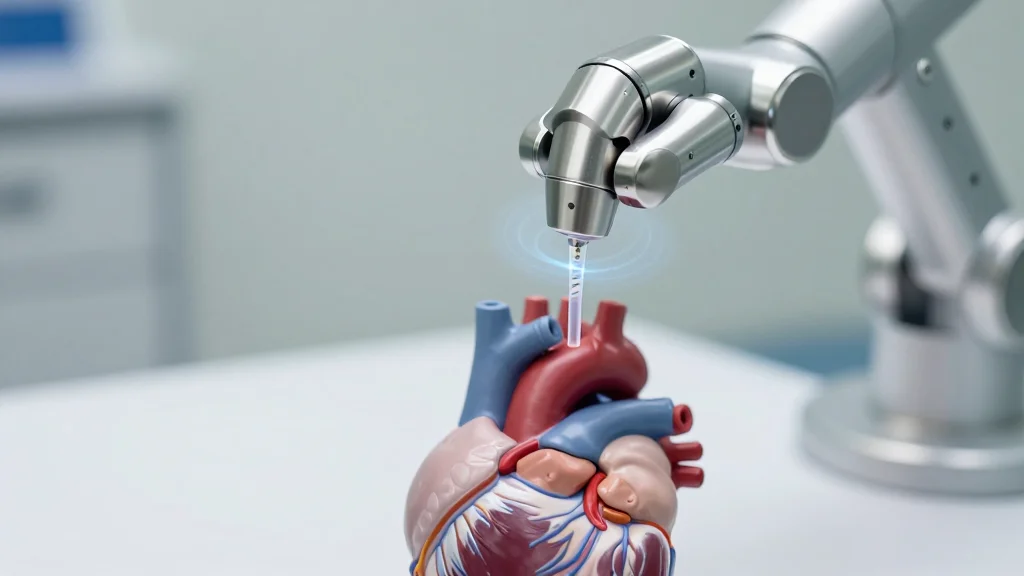
Cardiologist Makes ‘Magic,’ Performs First Procedure in US with New-Look Ablation Catheter
Stereotaxis' Magic Magnetic Interventional Ablation Catheter received FDA clearance in January 2026 and was used for the first U.S. procedure this month at Oregon Health & Science University. Electrophysiologist Dr. Nathan McConkey employed the robotically navigated, magnet‑guided catheter to treat...

Sirolimus- and Paclitaxel-Coated Balloons Deliver Comparable 1-Year PCI Outcomes
A nationwide Swedish registry analysis of more than 8,000 percutaneous coronary intervention (PCI) patients found that sirolimus‑coated balloons (SCBs) and paclitaxel‑coated balloons (PCBs) deliver comparable one‑year clinical outcomes. While PCBs showed a modest advantage in reducing in‑stent restenosis, rates of...

How to Prevent the Most Common Complication After Heart Surgery
Postoperative atrial fibrillation (POAF) remains the most frequent complication after cardiac surgery, affecting up to 50% of combined CABG‑valve cases and 20‑40% of isolated procedures. The Society of Thoracic Surgeons (STS) released a 15‑point clinical practice guideline, offering eight preventive,...

FDA Clears Next-Gen Hybrid System for Intravascular Imaging
Conavi Medical received FDA clearance for its next‑generation hybrid intravascular imaging system that simultaneously performs intravascular ultrasound (IVUS) and optical coherence tomography (OCT). The device builds on the company’s 2018 Novasight Hybrid System and aims to streamline coronary assessments by...

Cardiologists Now Earn More than Radiologists or Plastic Surgeons
Cardiologists in the United States now earn an average $575,000, a 10% rise from the previous year, according to Medscape’s 2026 Physician Compensation Report. The report, based on nearly 6,000 physicians, shows overall physician earnings grew 3% while cardiology ranked...
Early SAVR in Asymptomatic Heart Patients Linked to Long-Term Benefits
A new 10‑year analysis of the RECOVERY trial shows that early surgical aortic valve replacement (SAVR) dramatically improves outcomes for asymptomatic patients with severe aortic stenosis. Operative or cardiovascular death occurred in only 1% of early‑SAVR participants versus 19% of...

Cardiology Practice Launches Walk-In Clinic in Pennsylvania
Cardiology Consultants of Philadelphia opened the CCP Now walk‑in clinic in Springfield, Pennsylvania, delivering same‑day cardiac evaluations for urgent symptoms such as chest pain, shortness of breath, and palpitations. The outpatient center provides on‑site troponin, D‑dimer, ECG, echocardiogram, and vascular imaging...

Can Energy Drinks Cause Heart Disease? New Lawsuit Says Teen Died From Caffeine-Induced Cardiomyopathy
The family of 17‑year‑old Larissa Nicole Rodriguez filed a wrongful‑death suit in Texas, alleging her fatal cardiomyopathy was caused by excessive caffeine from Alani Nu energy drinks. The complaint targets two distributors, Glazer’s Beer and Beverage and its Texas affiliate, accusing...

Another Win for Opportunistic Screening: AI Turns Head CT Scans Into Heart Assessments
Researchers at Harvard Medical School have trained deep‑learning models on nearly 100,000 head CT scans to predict cardiovascular disease (CVD) risk and estimate coronary artery calcium (CAC) scores. The AI‑derived CVD timing model outperformed the American Heart Association’s PREVENT risk...

FDA Approves Fast-Acting Heart Drug for Children
Austrian firm AOP Health received FDA approval for its fast‑acting IV beta‑blocker landiolol, marketed as Rapiblyk, to treat supraventricular tachycardia in pediatric patients. The decision follows the LANDI‑PED study, which enrolled 60 children and demonstrated more than a 20% reduction...

New Data Point to LAAO as a Safe Alternative to Long-Term Drug Therapy
The CHAMPION‑AF trial, presented at ACC.26, randomized roughly 3,000 atrial‑fibrillation patients to either the Watchman FLX left atrial appendage occlusion (LAAO) system or standard non‑vitamin K oral anticoagulants (NOACs). The composite endpoint of stroke, cardiovascular death and systemic embolism met non‑inferiority criteria,...

Long-Term Antidepressant Use May Increase Risk of Sudden Cardiac Death
Long‑term use of antidepressants is linked to a higher incidence of sudden cardiac death, according to a nationwide Danish cohort study published in Heart Rhythm. The analysis covered more than four million adults and identified 6,002 SCD cases, 32 % of...

FDA Links Weight Loss Pill to ‘Unexpected’ Cardiovascular Risks
Eli Lilly’s oral GLP‑1 weight‑loss pill Foundayo (orforglipron) received FDA approval in early April, becoming the second oral GLP‑1 on the market after Novo Nordisk’s semaglutide. The agency’s approval letter, however, highlighted an unexpected serious risk of major adverse cardiovascular events, along...

PFA Associated with Heightened Stroke Risk
Pulsed field ablation (PFA) showed a 30‑day stroke or TIA rate of 0.47%, markedly higher than the 0.10% observed with radiofrequency ablation (RFA) in a study of more than 4,000 atrial fibrillation procedures. While overall safety remains strong, PFA procedures...

Outgoing SCAI President Reflects on a Busy Year Full of Partnerships and Advocacy
The Society for Cardiovascular Angiography and Interventions (SCAI) wrapped up a busy year marked by expanded partnerships, notably a strengthened collaboration with the American Heart Association on cardiogenic shock registries. President Naidu highlighted the growing adoption of the door‑to‑lactate clearance...

FDA Clears Next-Gen Device for Left-Heart Access
Protaryx Medical received FDA clearance for its next‑generation Transseptal Puncture Device, enabling left‑heart access in minimally invasive cardiac procedures. The system features zero‑exchange delivery, an atraumatic design, an echogenic extendable probe and a standardized RF guidewire compatible with multiple electrosurgical...

More Patients, Fewer Doctors: Demand Keeps Climbing as the Cardiologist Shortage Continues
The United States is confronting a widening cardiologist shortage as an aging population and rising risk factors such as hypertension and obesity drive demand. A Medicus report finds the average hiring cycle for a cardiologist now stretches to 248 days,...
FDA Shares Warning About Cath Lab Procedure Kits Due to Risk of Patient Injury
The FDA issued an early‑alert warning that Medline NAMIC angiographic control syringes, previously recalled in a Class I action, are present in AVID Medical’s cath‑lab convenience kits. Four serious patient injuries have been linked to a loose or fully disconnected syringe...

New Data Highlight an Unexpected Link Between Hypercortisolism and Resistant Hypertension
A new observational study reveals that hypercortisolism is present in roughly one‑quarter of patients with treatment‑resistant hypertension, with adrenal nodules identified in about 25% of those cases. The same cohort showed hyperaldosteronism in roughly 20% and a dual hormonal abnormality...
PVL After TTVR Linked to Much Lower Survival Rate, Fewer Clinical Benefits
A new analysis of the TRIPLACE registry shows that paravalvular leak (PVL) after transcatheter tricuspid valve replacement (TTVR) dramatically worsens outcomes. Moderate or greater PVL was present in 6.1% of nearly 400 patients and drove one‑year all‑cause mortality to 39.7%,...

SVS Quality Initiative Gathers Data to Improve Vascular Care
The Society of Vascular Surgery’s Vascular Quality Initiative (VQI), launched in 2023, now includes more than 7,000 physicians from vascular, cardiothoracic and neurosurgery specialties. Over 900 hospitals and clinics across North America and Singapore have entered data on roughly 1.4 million...

Post-TAVR Bleeding in AFib Patients Much Less Common with Apixaban than Rivaroxaban
A new retrospective analysis of more than 4,000 transcatheter aortic valve replacement (TAVR) patients with atrial fibrillation found that apixaban significantly lowers the risk of major bleeding compared with rivaroxaban. Propensity‑score matching created two balanced cohorts of 2,157 patients each,...

Medline Recalls Millions of Devices Due to Safety Risk—FDA Threatens ‘Regulatory Action’ in Warning Letter
Medline, an Illinois‑based medical supplier that went public in December 2025, is recalling more than 4 million NAMIC angiographic control syringes and over 1 million procedure kits because of a loose‑connection defect that can cause air embolism or clinician exposure. The FDA...
Mount Sinai Announces New Global Center Focused on Heart Valve Disease
Mount Sinai Health System launched the Adams Valve Institute, a global center dedicated to advancing care, research and education for heart‑valve disease. Leveraging its No. 2 U.S. cardiology ranking and a record‑breaking surgical program, the institute will create specialized centers of excellence...
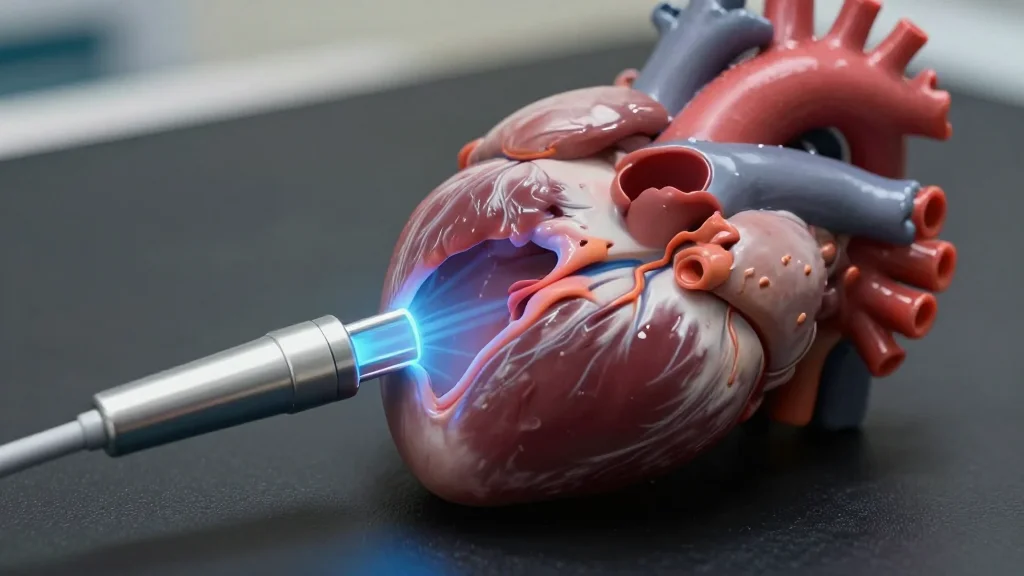
First Patients Treated in New PFA Trial
Pulse Biosciences has begun treating the first U.S. patients in the NANOPULSE‑AF pivotal trial using its nPulse nanosecond pulsed field ablation system for drug‑resistant paroxysmal atrial fibrillation. The device delivers five‑second, non‑thermal lesions without catheter repositioning, achieving a median 21‑minute...

New Gene Therapy May Help Protect the Hearts of Patients with Friedreich's Ataxia
Lexeo Therapeutics reported early-phase results for its investigational gene therapy AAVrh.10hFXN (LX2006) in Friedreich’s ataxia–associated cardiomyopathy. In a phase 1 trial of 17 adults, a single intravenous infusion was well tolerated and produced signals of cardiac improvement, while neurological scores remained...

Long-Term Cardiac Amyloidosis Survival Benefits Seen in Extension Acoramidis Trial
The open‑label extension of the ATTRibute‑CM trial demonstrated that the transthyretin stabilizer acoramidis (Attruby) delivers sustained survival benefits out to 54 months in patients with cardiac amyloidosis. Participants who began acoramidis early and remained on therapy showed markedly lower all‑cause...

FDA Clears Way for IDE Pivotal Trial of the Topaz Tricuspid Valve Replacement System
The U.S. Food and Drug Administration has granted an investigational device exemption (IDE) for TRiCares' Topaz transcatheter tricuspid valve replacement system, allowing a pivotal randomized trial across the United States, Canada, and Europe. The study will involve up to 75...

Screening and Treatment for Chronic Kidney Disease in Heart Disease Patients Needs to Be Expanded
A new multinational INTERASPIRE study of 4,548 coronary artery disease (CAD) patients found chronic kidney disease (CKD) is under‑detected and undertreated. Relying solely on eGFR missed about half of CKD cases, while adding urinary albumin/creatinine ratio (UACR) captured the majority....

Arizona Cardiology Practice Paying $3.85M to Resolve Lawsuit After Data Breach
Cardiovascular Consultants, a Phoenix cardiology practice owned by Fresenius Medical Care, agreed to pay $3.85 million to settle a class‑action lawsuit stemming from a September 2023 data breach. The breach potentially exposed personal data of 500,000 patients and 200 employees, including Social...

Hospital Sues Cardiology Practice for Alleged Breach of Contract, Ending Years-Long Partnership
Boone Health, a 392‑bed hospital in Columbia, Missouri, has sued its longtime cardiology partner, Missouri Heart Center, alleging breach of a non‑compete clause and refusal to release patient data. The cardiology group intends to exit the partnership in May and...

Impactful Innovations Reshape Learning and Technology at ACC 2026
The American College of Cardiology’s 2026 meeting highlighted AI’s transition from hype to a practical clinical tool, showcasing nearly 200 FDA‑cleared cardiology algorithms and embedding AI into the conference app. Attendees experienced live, mobile CCTA scans with AI‑driven plaque analysis,...

Cost-Related Medication Non-Adherence Declined After the Inflation Reduction Act
The Inflation Reduction Act provisions that took effect Jan. 1, 2024, capping out‑of‑pocket drug costs for Medicare beneficiaries, have led to measurable improvements in medication adherence. A NIH‑funded analysis of the National Health Interview Survey compared 2024 responses with 2021‑2023 data and...
Private Equity-Backed Cardiology Practice Adding New In-House Smart Lab Powered by AI
MyCardiologist, a private‑equity‑backed cardiology network in South Florida, has engaged Clinlab.AI to design and operate its first AI‑powered Smart Laboratory. The in‑house lab will be embedded within the practice’s nine locations, allowing real‑time, AI‑enhanced analysis of cardiac biomarkers and other tests....
FDA Confirms Another Recall for Johnson & Johnson’s Impella Heart Pumps
The FDA has issued a Class I recall for Johnson & Johnson MedTech’s Impella purge cassettes, affecting over 33,000 devices. Leaking cassettes can cause low purge pressure, biomaterial ingress, pump stoppage, and potentially patient death. Four serious injuries have been linked to the...

PCI Before TAVR? In Older CAD Patients, Deferral May Be the Best Approach
New data from the PRO‑TAVI trial, presented at ACC.26 and published in The Lancet, show that deferring percutaneous coronary intervention (PCI) in elderly patients undergoing transcatheter aortic valve replacement (TAVR) yields outcomes comparable to performing PCI beforehand. The trial enrolled...

Interventional Cardiologist Roxana Mehran Elected ACC President
Roxana Mehran, MD, an interventional cardiologist and professor at Icahn School of Medicine, began her one‑year term as president of the American College of Cardiology (ACC) at the ACC.26 conference in New Orleans. Mehran, a recognized leader in women’s heart health,...

‘Practice-Changing’ Interventional Cardiology Research Grabs ACC.26 Spotlight
Interventional cardiology research presented at ACC.26 highlighted AI‑driven FFRangio, which matched invasive wire‑based fractional flow reserve in a 2,000‑patient ALL‑RISE trial while cutting procedure and fluoroscopy times. The study coincided with Medtronic's agreement to acquire CathWorks for up to $585 million....

Software Errors Lead to Major Insulin Pump Recall—Manufacturer Shares a Fix
Medtronic is recalling 26,851 MiniMed 780G insulin pumps after identifying three software defects across versions 6.60, 6.61 and 6.62. The FDA classified the recall as Class II, indicating temporary health risks if unaddressed. Medtronic’s remedy is a firmware update to version 6.62 and...

Getting Vascular Surgeons More Involved Leads to Key Improvements for PAD Patients
The Society of Vascular Surgery is pushing a heart‑team model that brings vascular surgeons into peripheral artery disease (PAD) discussions, enabling earlier diagnosis and broader treatment options. Dr. William Shutze notes that involving surgeons can shift patients from “no‑option” status...

Cold Weather Responsible for Many More Stroke and Heart Attack Deaths than Heat
A new study presented at ACC.26 reveals that cold weather drives far more cardiovascular deaths in the United States than heat. Analyzing over 14 million deaths across 819 counties from 2000‑2020, researchers found the optimal heart‑health temperature is 74 °F. Temperatures below...
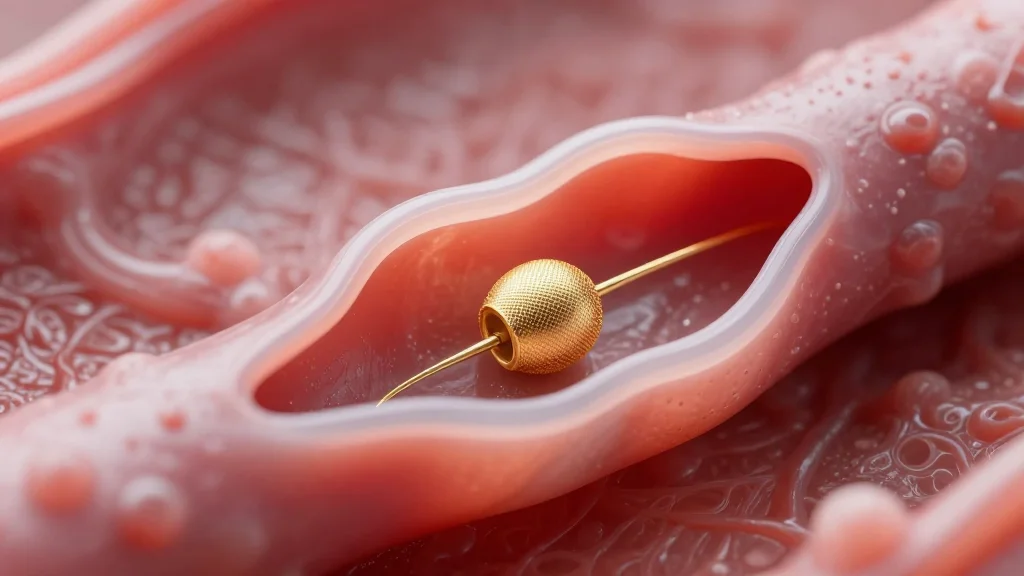
Cardiologists Use Endovascular Device for Brain Aneurysms to Treat High-Risk Heart Patients
Mayo Clinic interventional cardiologists and radiologists have repurposed Terumo's WEB SLS II intrasaccular flow disruptor—originally approved for intracranial bifurcation aneurysms—to treat saccular coronary aneurysms. The first case involved a 74‑year‑old patient undergoing aortic valve replacement and bypass surgery, where the device achieved...

When Heart Patients Can’t Wait: Urgent TAVR with Self-Expanding Vs. Balloon-Expandable Valves
A retrospective analysis of nearly 600 urgent or emergent transcatheter aortic valve replacement (TAVR) procedures performed between 2012 and 2024 compared Medtronic self‑expanding valves (SEVs) with Edwards balloon‑expandable valves (BEVs). Adjusted Cox regression showed no significant difference in long‑term mortality...
Cleveland Clinic Launches Partnership Focused on AI-Powered TAVR Planning
Cleveland Clinic has entered a two‑phase partnership with Ohio‑based DASI Simulations to validate and co‑develop the AI‑driven platform PrecisionTAVI for transcatheter aortic valve replacement (TAVR) planning. In the first phase, clinicians compare the tool’s recommendations against standard practice, while the...
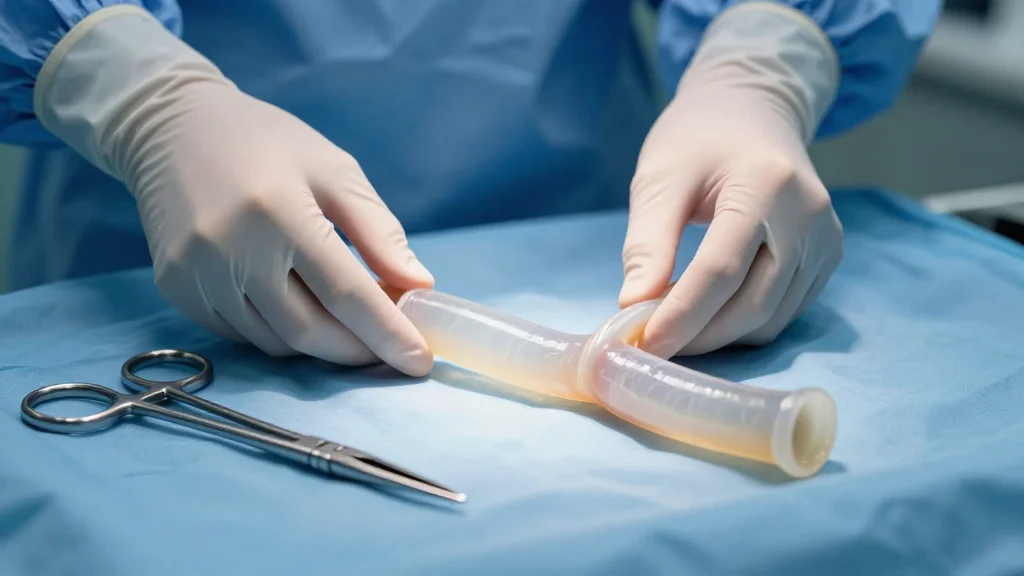
New Off-the-Shelf Conduit for CABG Shows Promise in First-in-Human Study
Vascudyne’s acellular tissue‑engineered vessel with external support (ATEV‑ESS) demonstrated early promise as an off‑the‑shelf conduit in a first‑in‑human study. Three patients with multivessel coronary disease received the device; two implants remained patent at 12 months with no thrombus or major...

Early Use of Tirzepatide After Heart Attack or Stroke Linked to Key Cardiovascular Benefits
A real‑world propensity‑matched study of 1,666 non‑diabetic patients found that initiating tirzepatide within 14 days of an acute myocardial infarction or ischemic stroke cut the risk of emergency‑room visits, hospitalizations, acute kidney injury, repeat stroke and heart‑failure admission over two...

9 Ways Cardiovascular IT Systems Can Improve Your Day-to-Day Workflow
The article outlines nine ways modern cardiovascular information systems (CVIS) streamline cardiology workflows, from single‑point data entry to integrated analytics. It highlights automation of charge capture, inventory tracking, and auto‑generated reporting that reduce manual entry and speed documentation. Integrated imaging...

FDA-Approved Surgical Aortic Valve Implanted for First Time in US
Corcym’s next‑generation Perceval Plus LANCELOT surgical aortic valve received FDA approval in May 2025. In September 2025, a CHI Health team performed the first U.S. implantation, and the patient fully recovered. The valve adds laser‑cut leaflets, thread holes, and a zero‑pressure fixation...