Israel’s Perpetual Mobilization: The Limits of Netanyahu’s ‘Super-Sparta’ Model
Israel’s government is pushing a permanent low‑intensity war strategy dubbed “Super‑Sparta,” despite growing public fatigue over the lack of decisive victories. Polls show strong support for continued campaigns against Iran and Hezbollah, yet 61% of Israelis reject a ceasefire with Iran and confidence in damaging the Iranian regime has fallen to 30.5%. The administration is expanding West Bank settlements, approving over 30 new outposts, while the IDF reports a manpower shortfall of roughly 15,000 soldiers. Election polls indicate the ruling coalition could slip to about 50 Knesset seats, giving the opposition a near‑majority.

What Does Pakistan Gain From Its Iran–US Diplomacy?
Pakistan has positioned itself as the chief mediator in the renewed Iran‑U.S. talks, hosting a second round in Islamabad after President Donald Trump’s invitation. The move reflects Islamabad’s urgent need to ease energy shortages, protect its 900‑km Iran border, and...
Israel’s Accelerating De Facto Annexation of the West Bank Has Dangerous Implications
Israel’s right‑wing coalition has accelerated de facto annexation of the West Bank through a surge in settlement approvals, land‑registration processes, and expanded civil governance. Since the 2022 government took power, 54 new settlements were approved in 2025, and the controversial E1...
India and Pakistan Still Cannot Agree to Restore the Indus Waters Treaty – but Re-Engagement Could Help Bring Lasting...
India has suspended its participation in the 1960 Indus Waters Treaty following the 2025 Pahalgam attack, cutting water flows through the Baglihar and Kishanganga dams. The treaty, which has underpinned water sharing for over 300 million people, is now under strain...
Dollar Dominance Is Surviving the Iran War – Just About
The Iran‑Israel war has not eroded the U.S. dollar’s global dominance, as the greenback rose about 2% against a basket of currencies and U.S. asset markets performed relatively well. The 10‑year Treasury yield climbed 35 basis points to 4.3%, a...

Trump Has an Incentive to Strike a Deal with Iran, as Midterms Approach. But at What Cost?
A ceasefire announced on April 7 gives the Trump administration a narrow window to negotiate a settlement with Iran ahead of the November midterms. President Trump views a deal as a political off‑ramp that could soften voter concerns about a costly,...
How to Keep the Strait of Hormuz Open in the Long Term
The United States and Iran announced a cease‑fire on April 7, temporarily reopening the Strait of Hormuz after a month‑long closure that began on March 2. Iran, which has been laying sea mines and demanding transit fees, will manage passage for a...
US–Iran Ceasefire: What It Means for Trump, Tehran, Israel and US Allies. Early Analysis From Chatham House Experts
On April 7, the United States, Israel and Iran agreed to a ceasefire brokered by Pakistan, halting attacks and reopening the Strait of Hormuz. The truce is hailed as a short‑term victory but leaves unresolved issues such as Iran’s nuclear...
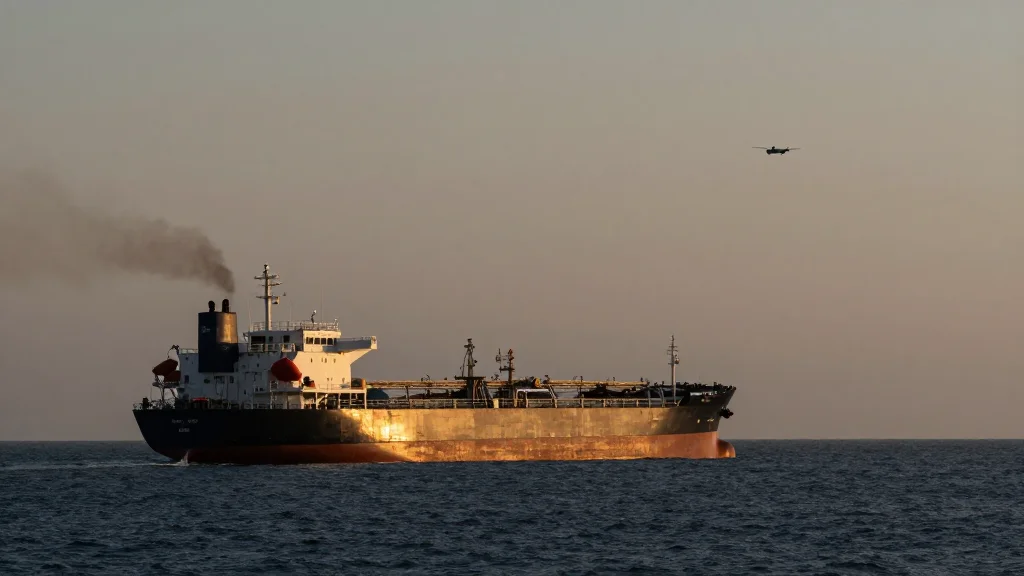
Iraqi Civilians Are Paying the Price of the Iran War
The U.S.-Israeli conflict with Iran is spilling into Iraq, where rockets and drones have struck near Baghdad and Erbil, disrupting daily life. Oil exports are faltering after Iranian attacks on tankers and a force‑majeure declaration on foreign‑operated fields, threatening the...
Spectator, Beneficiary, Player: Russia’s Strategy in the Iran War, From Oil to Drones
Russia is adopting a calibrated stance in the Iran war, offering diplomatic backing and possibly drone assistance to Tehran while steering clear of direct military engagement. Simultaneously, Moscow has dispatched modest oil shipments to Cuba as low‑cost geopolitical signaling. The...
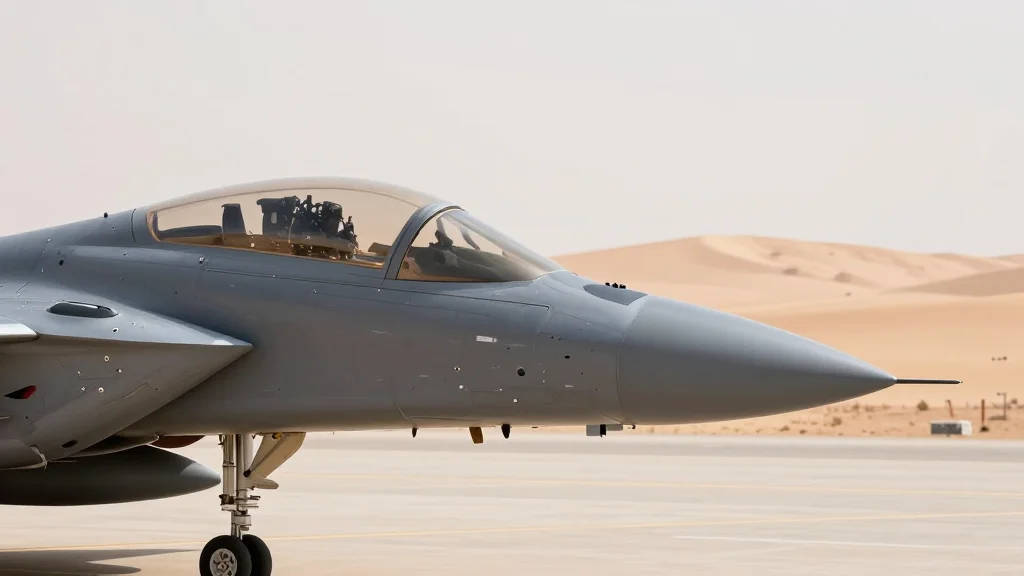
Should the Gulf Arab States Join the War Against Iran?
Saudi Arabia and the United Arab Emirates have sophisticated air forces capable of striking Iranian missile and drone sites, but they have so far limited their involvement to defensive measures. Their fleets include modern F-15s, Eurofighter Typhoons and advanced F-16...
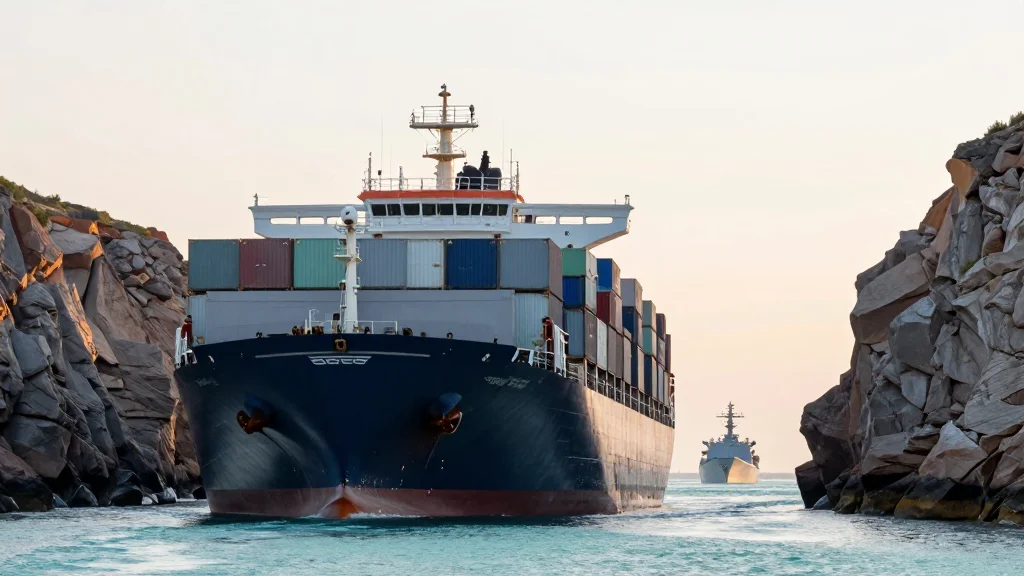
Conflict in the Strait of Hormuz Is Spilling Into the Indian Ocean
Conflict between the US‑Israel coalition and Iran has effectively closed the Strait of Hormuz, forcing commercial vessels to reroute through the Indian Ocean. At least 18 ships have been attacked and dozens have disabled AIS, while Iran permits Chinese‑flagged traffic,...
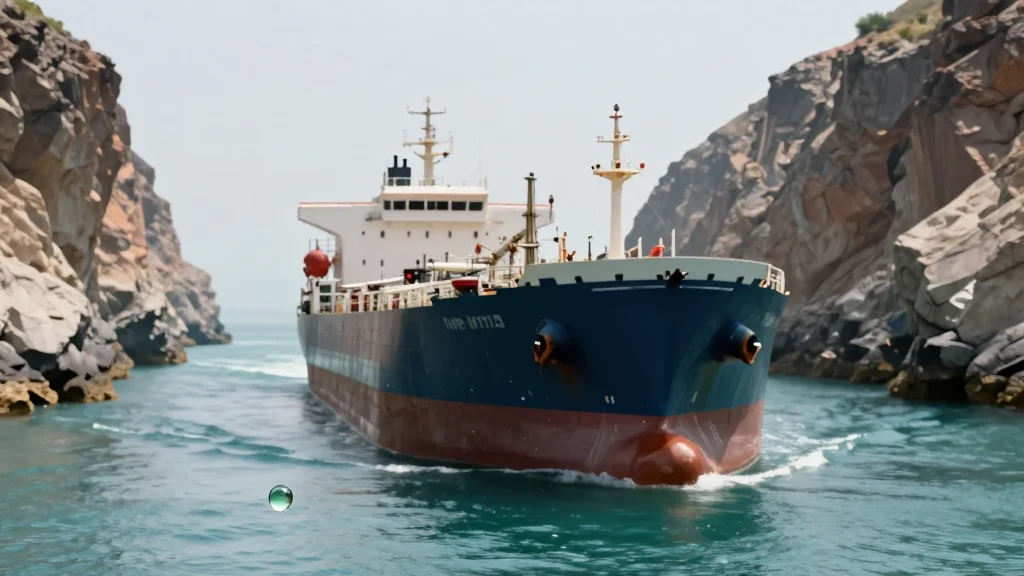
How Will the Iran War Affect the Global Economy?
The Iran‑Hamas war is unlikely to dent global GDP, as the Gulf accounts for only 2‑3% of world output. However, the Strait of Hormuz—through which roughly a quarter of seaborne oil and one‑fifth of LNG flow—poses a serious chokepoint for...
Afghanistan and Pakistan Are Facing ‘Open War’. De-Escalation Is Needed
Escalating tensions between Afghanistan and Pakistan have erupted into open war, with Pakistan conducting air strikes on Kabul, Kandahar and Bagram, and the Taliban responding by targeting Pakistani military sites. The conflict follows a surge in cross‑border attacks by groups...

The Rare Earths Race Risks Environmental Disaster
Rare earth elements are critical for clean‑energy technologies, but the geopolitical push to cut China’s dominance is driving extraction in fragile ecosystems such as the deep‑sea Pacific mud, Brazil’s Amazon, Greenland, Mongolia and Madagascar. Mining and processing produce massive toxic...

China Is Playing the Long Game over Iran
China is maintaining a cautious diplomatic stance toward Iran despite a 25‑year strategic partnership and its role as Tehran’s primary oil buyer, accounting for over 80% of Iranian exports in 2025. Beijing publicly urges restraint and dialogue while opposing Iran’s...
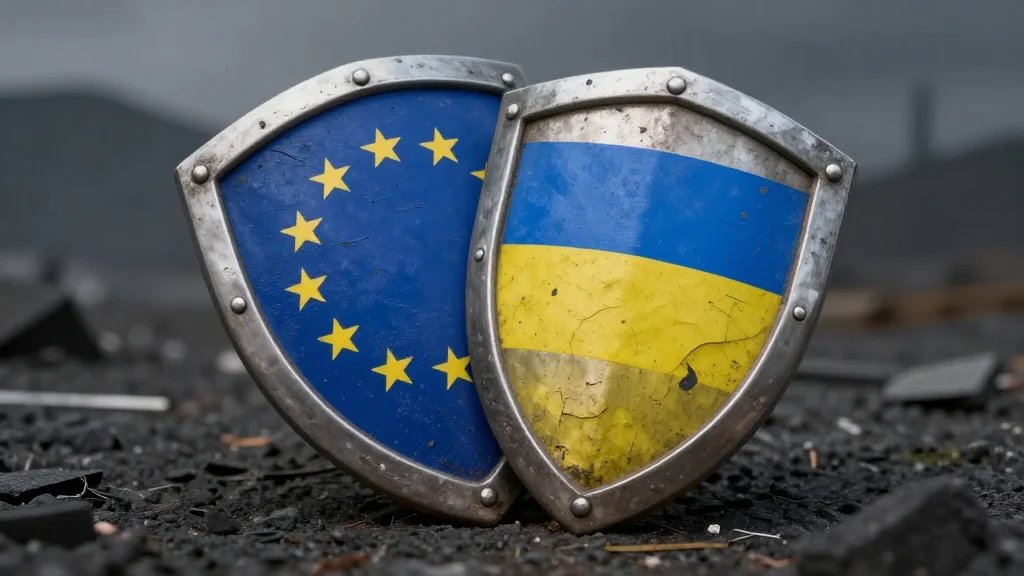
Europe Is Helping Ukraine Resist a US Push for Peace at Any Price
European governments are stepping up to shield Ukraine from a U.S. push for a rapid peace settlement that would require territorial concessions. While Washington seeks a quick ceasefire, the EU has increased military aid by 67 percent in 2025 and approved...

US Supreme Court Strikes Down Trump’s Tariffs: Early Analysis From Chatham House Experts
The U.S. Supreme Court issued a 6‑3 decision striking down President Donald Trump’s global tariffs imposed under the International Emergency Economic Powers Act, finding the administration exceeded its authority. The ruling blocks the baseline 10% "Liberation Day" tariff and related...

Trump Wants US Energy Dominance. Global Markets May Not Agree
President Trump’s energy dominance agenda has boosted US fossil fuel output, with oil production reaching record levels and LNG exports rising over 20 percent. The administration has kept five coal‑fired plants operating through regulatory rollbacks and secured Pentagon contracts, while...
The Risks of Trump’s Peace Plan: Two Gazas and an Annexed West Bank
President Trump’s new Gaza peace framework, backed by UN Security Council Resolution 2803, places Gaza under a U.S.-led Board of Peace, a Gaza Executive Board and a technocratic National Committee with scant Palestinian participation. The plan also severs Gaza’s ties...

Despite Reset in India–US Relations, New Delhi Retains Commitment to Strategic Hedging
India and the United States announced a trade deal that lowers Indian export tariffs from 25% to 18% and removes the extra 25% levy on Russian crude. In return, New Delhi has pledged to buy $500 billion worth of U.S. goods,...