
The UK Can’t Break Off Critical Mineral Links with China. But It Can Understand Its Vulnerabilities
The United Kingdom cannot fully sever its critical‑mineral links with China, but it can better map the associated risks. A trade deficit of roughly $53 bn and total bilateral trade of about $133 bn underscore the depth of economic interdependence. The UK’s November 2025 critical minerals strategy provides a foundation yet omits clear guidance on geopolitical exposure, shared infrastructure, and data‑security threats. With Chinese investors holding stakes in 1,250 overseas mines and accounting for 50‑60% of revenues for UK‑listed miners, policy refinements are essential to safeguard supply chains without stifling commercial benefits.

A 2026 ‘Super El Niño’ Could Expose Gaps in UK Preparedness
A projected 2026 ‘super El Niño’ could raise global temperatures by an additional 0.2 °C, intensifying heatwaves, floods and storms that threaten the UK. The Climate Change Committee warns climate‑related damages may equal 1‑5 % of UK GDP by 2050 and urges $13.7 bn...
The Flow of Arms and Money Feeding the War in Sudan Can Be Cut. What Is Missing Is the Will
The war in Sudan, now in its third year, continues because external actors supply arms, drones, and financing to both the Sudanese Armed Forces (SAF) and the Rapid Support Forces (RSF). A Berlin conference in April 2026 pledged €1.5 billion (≈ $1.6 billion)...
Hormuz Crisis Could Lead to Constructive Dialogue Between ASEAN and China in the South China Sea
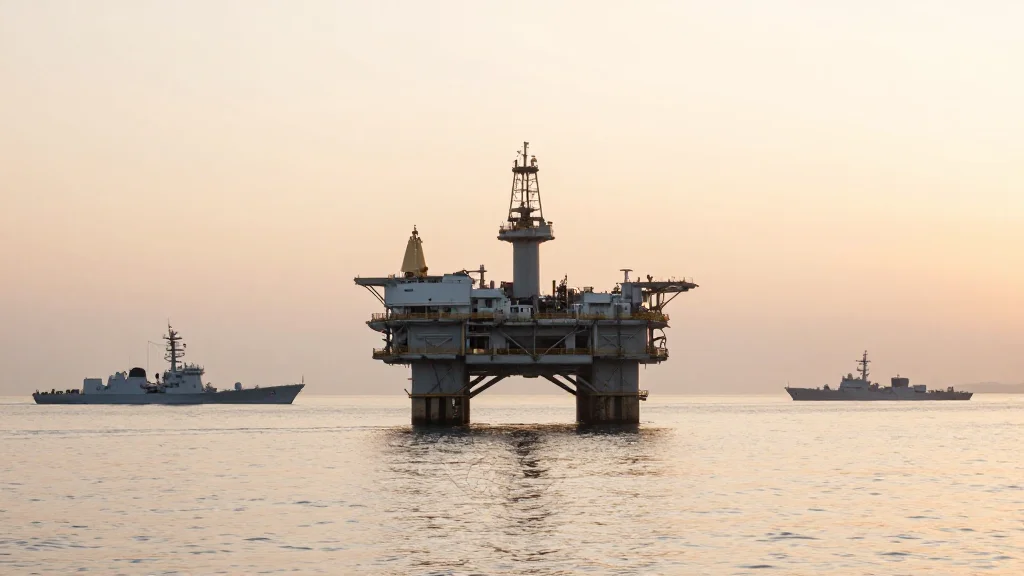
The Iran‑driven Hormuz crisis has crippled oil supplies, prompting the Philippines—currently chairing ASEAN—to seek a reset with China on South China Sea issues. President Ferdinand Marcos Jr. opened talks on joint oil and gas exploration as a bargaining chip for...

Rare Earths Are on Trump’s Agenda in China. But US Electronic Waste Offers an Untapped Source at Home
The United States remains heavily dependent on China for rare earth minerals and permanent magnets, a vulnerability highlighted during President Trump’s recent talks with President Xi. The Department of Energy projects demand for neodymium magnets could reach 37,000 tonnes by 2030,...
The Hormuz Inflation Shock Is only Just Beginning
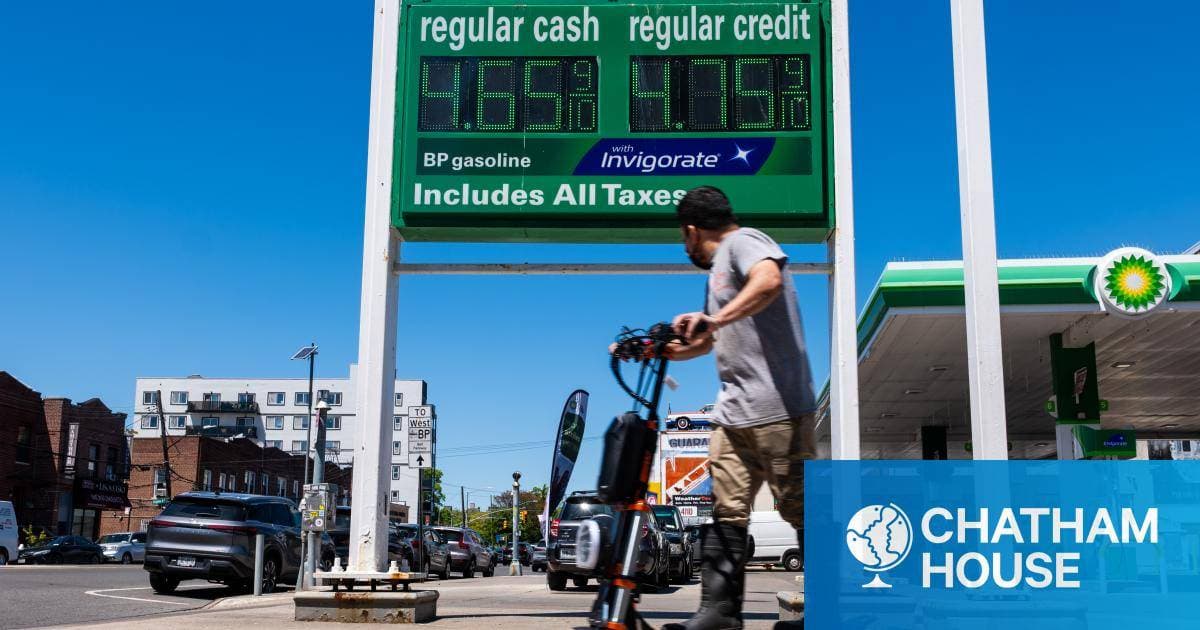
The closure of the Strait of Hormuz has sent Brent crude soaring to around $100 a barrel, igniting what analysts call the "Hormuz inflation shock." U.S. CPI rose 0.6% in April and 3.8% year‑over‑year, while inflation in the Philippines and...
Xi and Trump Won’t Discuss China’s Growing Nuclear Arsenal
President Donald Trump and Chinese President Xi Jinping will meet this week, but both sides have ruled out any discussion of China’s rapidly expanding nuclear arsenal. Instead, the agenda is expected to focus on shared threat assessments of artificial‑intelligence‑driven military...
Do Trump’s ‘Maximum Pressure’ Sanctions Inevitably Lead to Military Action?
During Donald Trump’s first term the U.S. imposed "maximum pressure" sanctions on Cuba, Iran, North Korea, Syria and Venezuela, aiming for regime change. The policy has produced mixed results: sanctions on Cuba have persisted for 65 years without toppling the...

Killing of Development Leader Exposes Insecurity in Government-Controlled Yemen
The assassination of Wesam Qaid, acting executive director of Yemen’s Social Fund for Development, in Aden underscores the internationally recognized government’s failure to secure its southern territories. The killing follows the recent murder of senior Islah Party figure Abdulrahman Al...

The Iran War Has Left Gaza Neglected
The ongoing Iran war is pulling international focus away from Gaza, leaving the cease‑fire plan stalled. Hamas has rejected a disarmament proposal, insisting Israel first meet humanitarian aid commitments, while Israel shows no sign of withdrawing troops despite a proposed...
China Will Benefit From the Iran War, Regardless of Any Deal Between Trump and Tehran
The Iran war is reshaping Gulf security calculations, exposing limits in U.S. military deterrence and prompting Gulf states to diversify defence procurement. China, while not positioning itself as a security guarantor, is leveraging diplomatic outreach—highlighted by Xi’s calls to keep...
Germany Rearms – but Can It Lead? Europe’s Hesitant Superpower in Waiting
Germany has launched a €100 billion ($108 billion) special fund to overhaul the Bundeswehr, pushing defense spending above the NATO 2%‑of‑GDP threshold. The program funds F‑35 jets, Leopard 2 tanks and a permanent brigade in Lithuania, signaling a shift toward strategic leadership. Yet...
AI Export Controls Are Not the Best Bargaining Chip
The U.S. House Foreign Affairs Committee advanced export‑control bills and the Chip Security Act aims to block advanced chips from reaching China, treating semiconductors as the AI chokepoint. Analysts argue that this hardware‑centric view is outdated because AI progress now...
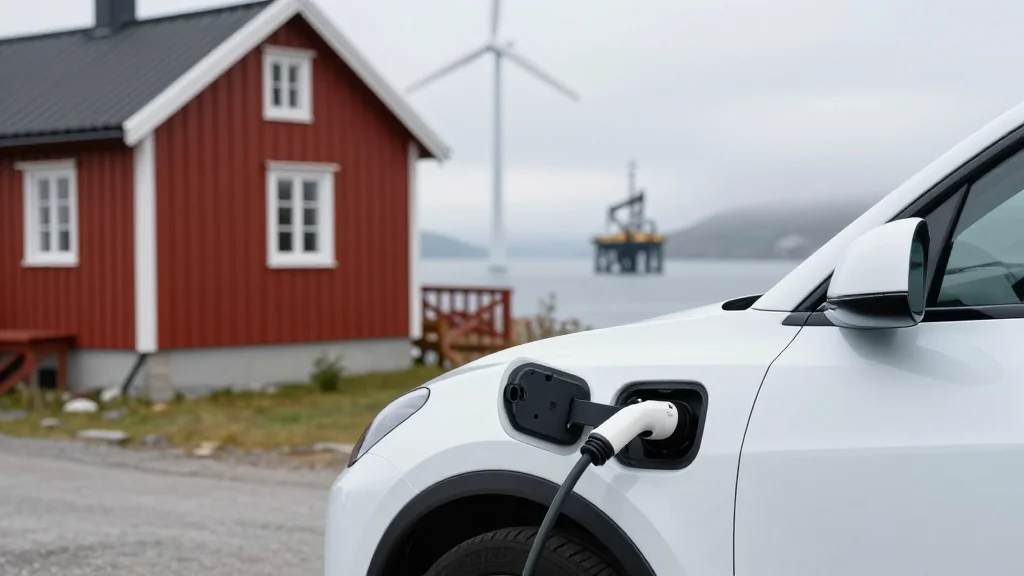
Norway Can Teach the UK About Energy Security – but the Lesson Is Not More North Sea Drilling
Norway’s aggressive electrification strategy shows the UK how to boost energy security without expanding North Sea drilling. A recent Middle‑East supply shock exposed Britain’s reliance on imported oil and gas, while domestic production offers only limited price relief. Norway meets...

The Strait of Hormuz Energy Crisis Shows the EU’s Carbon Pricing Is the Right Approach
Recent closure of the Strait of Hormuz has driven up global energy prices, forcing Europe to spend an additional €24 billion (about $26 billion) on fossil fuel imports. In response, the European Commission unveiled the AccelerateEU package, a set of non‑binding short‑term...