
Overtired? Why You’re Exhausted but Can’t Sleep
Being overtired means you feel physically exhausted while your mind stays hyper‑alert, a state sleep specialist Dr. Samuel Gurevich calls high‑stress exhaustion. The condition stems from a fight‑or‑flight response that spikes stress hormones, making it hard to fall asleep even when the body craves rest. Experts recommend optimizing the sleep environment, establishing a consistent wind‑down routine, and avoiding stimulants after dark. For chronic cases, cognitive‑behavioral therapy for insomnia (CBT‑I) is advised over medication for sustainable improvement.

Is Pickleball Good Exercise?
Pickleball, a fast‑growing court sport, blends aerobic, interval and balance training, offering a comprehensive workout in a compact 20‑by‑44‑foot space. Physical therapist Jim Edwards highlights that players spend about 70 % of game time in moderate‑to‑vigorous heart‑rate zones, burning roughly 6‑10...

How To Become a Faster Runner
Sports‑medicine physician Dr. Dominic King outlines a systematic approach to running faster, emphasizing three pillars—form, agility, and power. He recommends mixing interval training, hill sprints, and shuttle runs with dedicated strength, flexibility, and breathing work. A weekly plan of two...
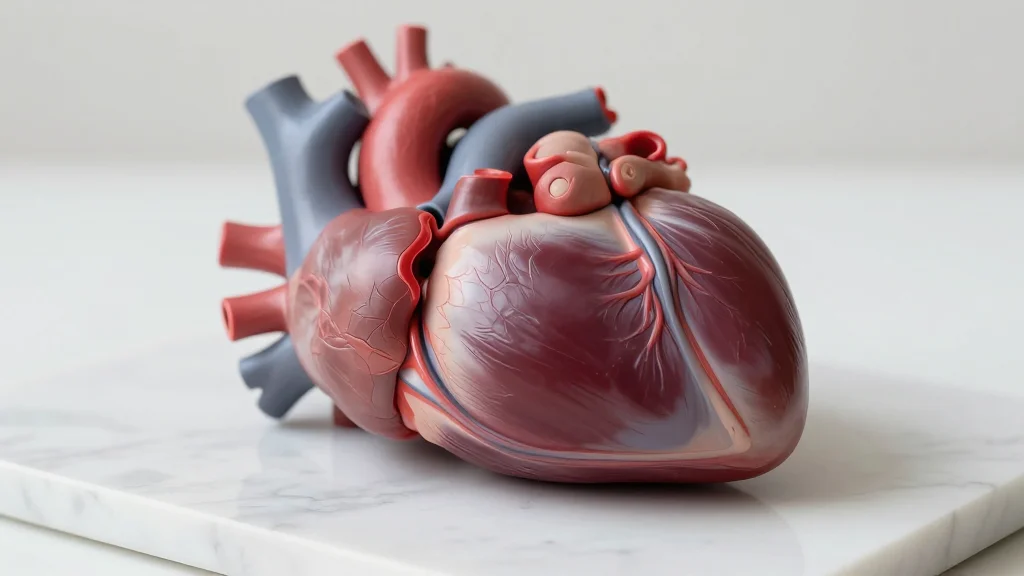
Dilated Vs. Hypertrophic Cardiomyopathy: What’s the Difference?
Dilated cardiomyopathy (DCM) weakens and thins the left‑ventricular wall, causing the heart to enlarge, while hypertrophic cardiomyopathy (HCM) thickens that wall and can obstruct blood flow. Both conditions present with similar symptoms—shortness of breath, fatigue, chest pain—but their underlying mechanisms...

What To Know About Breast Cancer Recurrence
Early‑stage breast cancer patients face a lingering concern about recurrence, which can be local, regional, or distant. Dr. Margaret Thompson explains that recurrence rates have fallen over the past two decades thanks to improved surgery, radiation, and systemic therapies. Individual...
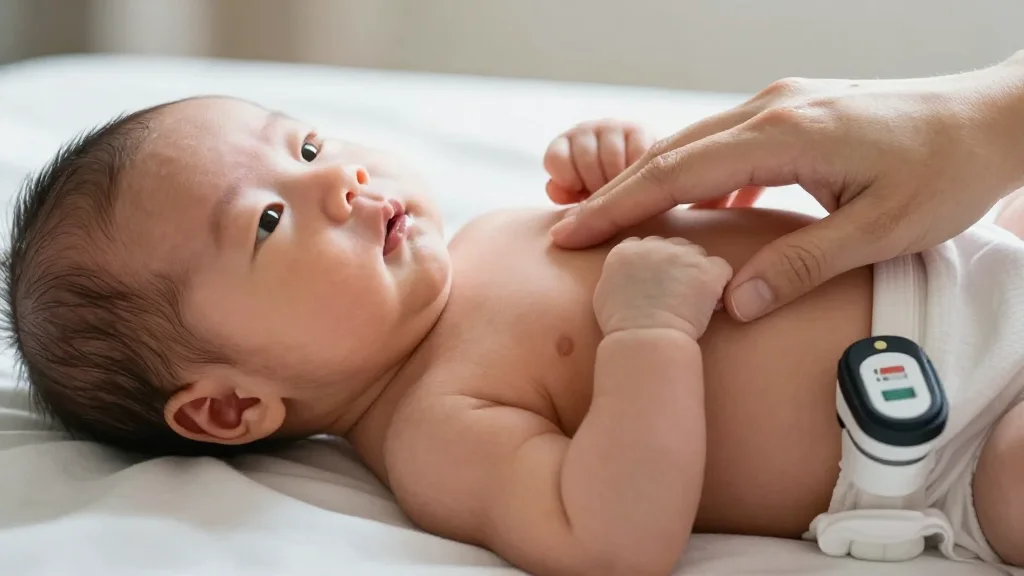
When To Take Your Baby to the Hospital for RSV
Respiratory syncytial virus (RSV) commonly presents as a cold in infants, but babies under six months can develop bronchiolitis that quickly impairs breathing. Pediatrician Dr. Kristin Barrett advises parents to monitor peak symptom days (days 3‑5) and watch for red‑flag...

How To Reduce Risk of Breast Cancer
Breast cancer risk can be mitigated through lifestyle choices and proactive screening, according to oncologist Margaret E.G. Thompson. Regular physical activity helps regulate estrogen and insulin, while maintaining a healthy weight reduces hormone-driven tumor growth. Limiting alcohol consumption further lowers...
Pelvic Exam Vs. Pap Smear: What’s the Difference?
Pelvic exams and Pap smears are often conflated, but they serve distinct clinical purposes. A pelvic exam is a comprehensive physical assessment of the vulva, vagina, cervix, uterus, ovaries and pelvic floor, while a Pap smear is a targeted laboratory...

Should You Eat Before or After a Workout?
Sports dietitian Kate Patton explains that both pre‑ and post‑workout nutrition are crucial for optimal performance and recovery. A balanced meal rich in carbohydrates and moderate protein 3‑4 hours before exercise fuels the session, while a quick carb‑protein snack 30‑60...

Can You Get Rid of Cellulite?
Dermatologist Shilpi Khetarpal explains that cellulite, common on thighs, hips and buttocks, is influenced by age, genetics, hormones and lifestyle. While no permanent cure exists, regular exercise, a whole‑food diet and healthy weight can modestly improve its appearance. Over‑the‑counter creams...

Breast Cancer and Menopause: Why It Happens and What Can Help
Breast cancer treatments, especially chemotherapy and endocrine therapy, often induce menopause or exacerbate menopausal symptoms such as hot flashes, vaginal dryness, and bone loss. These symptoms can be temporary or permanent, depending on age, treatment type, and ovarian reserve. Nonhormonal...
How Breast Cancer Can Affect Your Heart — During Treatment and Beyond
Breast cancer survivors face heightened cardiovascular risk, as radiation, certain chemotherapies, HER2‑targeted drugs, and hormone treatments can impair heart function. Advances in imaging and cardiac‑sparing radiation techniques allow clinicians to detect and mitigate damage early. Oncologists now coordinate with cardiologists...

Low-Vision Aids for Macular Degeneration
Age‑related macular degeneration’s late stage, geographic atrophy, severely impairs central vision, making everyday tasks difficult. Dr. Ananth Sastry outlines a range of low‑vision aids—including optical devices, environmental modifications, and electronic tools—to help patients maximize remaining sight. Optical options such as...
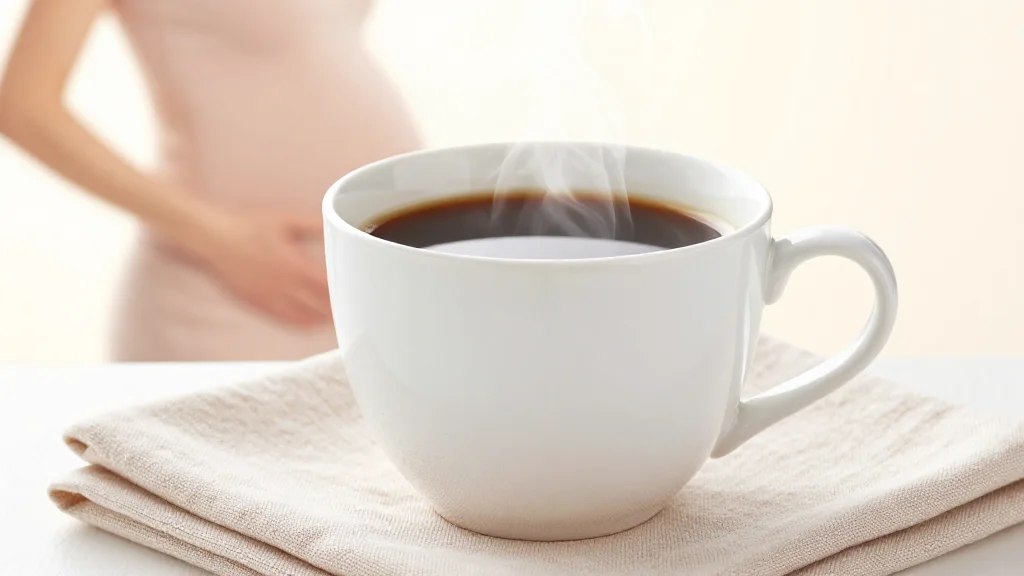
Can You Drink Coffee While Pregnant?
Maternal‑fetal specialist Dr. Cara Dolin confirms pregnant people can drink coffee, but only in moderation. The American College of Obstetricians recommends keeping caffeine below 200 mg per day, roughly one 12‑ounce cup of coffee. Exceeding this limit has been associated with...

Heart-Healthy Foods To Add to Your Grocery List
Preventive cardiology dietitian Julia Zumpano outlines a comprehensive list of heart‑healthy foods that can lower cardiovascular risk. The guide highlights omega‑3‑rich fish, nuts, seeds, berries, fruits, whole grains, legumes, soy, colorful vegetables, leafy greens, and dark chocolate as nutrient‑dense options....

Should You Exercise When You Have Cancer?
Exercise is generally safe for most cancer patients and can be a powerful adjunct to treatment. Medical oncologists emphasize that even modest activity—walking, yoga, or light strength work—helps lower inflammation, fatigue, and improves sleep and mood. The American Cancer Society...
IV Vitamin Therapy: Does It Work?
IV vitamin therapy is gaining popularity as a wellness service that delivers nutrients directly into the bloodstream, bypassing the digestive system. Proponents claim benefits such as improved mental clarity, fatigue reduction, and immune support, while critics point to limited high‑quality...
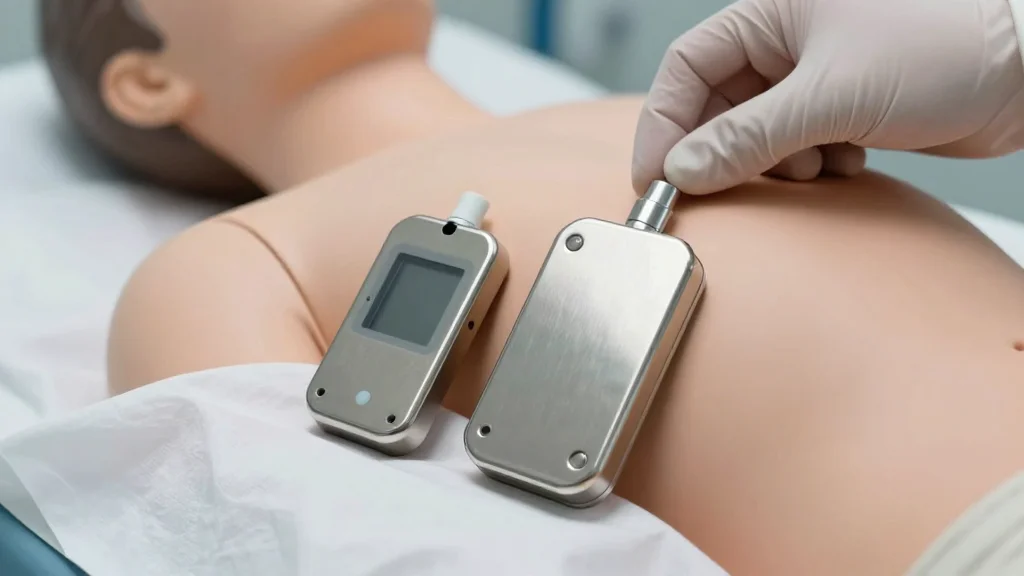
Pacemakers Vs. Defibrillators: What’s the Difference?
Pacemakers and implantable cardioverter defibrillators (ICDs) are small, sub‑cutaneous devices that correct abnormal heart rhythms, but they operate differently. Pacemakers deliver mild electrical pulses to keep a slow or irregular heartbeat steady, while ICDs monitor for rapid, life‑threatening arrhythmias and...
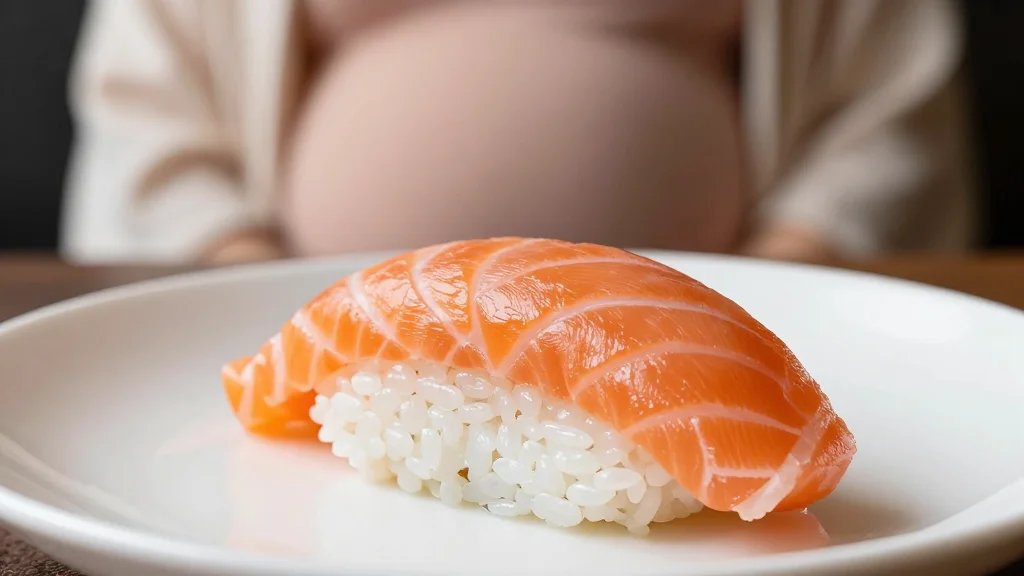
Is It Safe To Eat Sushi While You’re Pregnant?
Pregnant women face heightened risks when consuming raw or undercooked sushi due to potential Listeria infection, mercury exposure, and parasites. Maternal‑fetal specialist Dr. Cara Dolin advises eliminating raw fish, sashimi, nigiri, and high‑mercury species such as shark and swordfish. Safe...
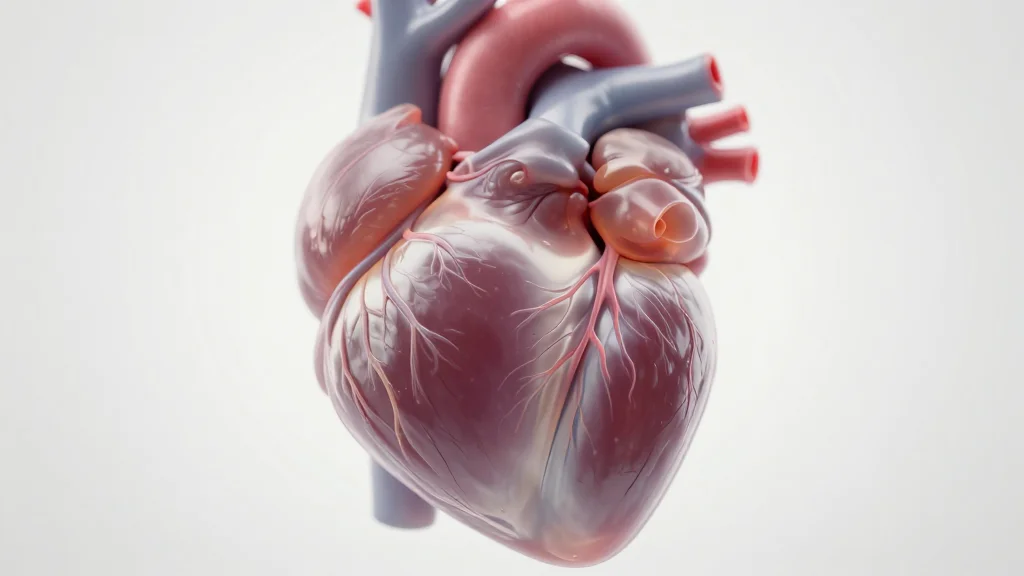
Obstructive Vs. Nonobstructive Hypertrophic Cardiomyopathy: Understanding Your Diagnosis
Hypertrophic cardiomyopathy (HCM) is divided into obstructive and nonobstructive forms, each defined by how thickened heart muscle affects blood flow. Both share genetic origins and similar symptoms such as shortness of breath and palpitations, but obstructive HCM creates a dynamic...
NAD+ Supplements: Can They Really Slow Down Aging?
NAD+ supplements contain precursors that the body converts into the essential coenzyme NAD, which supports cellular energy production. The market promotes these products as anti‑aging and energy‑boosting, but the actual molecule cannot be absorbed directly, so formulations rely on nicotinamide...

Health Benefits of Bell Peppers
Bell peppers are low‑calorie, nutrient‑dense vegetables that provide high levels of vitamin C, vitamin A, fiber, and antioxidants. Research links compounds such as beta‑cryptoxanthin and anthocyanins to reduced cancer risk, improved brain health, and better digestion. Nutrient content varies by color, with...