.jpg.medium.800x800.jpg)
The Battery Decision in the New Age of Commercial UAV Operations
The commercial UAV sector is approaching a post‑Part 108 era where fleet‑based operations will dominate, shifting focus from single‑aircraft flight time to rapid aircraft turnaround. Operators must choose between battery‑swapping docks that deliver minute‑level exchanges and fast‑charging stations that minimize inventory but introduce charging latency. Each approach carries distinct trade‑offs in hardware cost, battery health management, and logistical complexity. The optimal power strategy will hinge on mission profiles, hub versus field deployment, and long‑term total cost of ownership.

Korean Air and Skyports Sign MoU to Advance Air Mobility Tech Integration
Korean Air and Skyports Infrastructure have signed a Memorandum of Understanding to develop a unified technology platform for eVTOL operations. The partnership will merge Skyports' Vertiport Automation System with Korean Air's Air Control & Routing Orchestrated Skyway System, creating an...

NASA-Sponsored Working Group to Address Key Barriers to Routine Autonomous Drone Fleets
NASA has convened the Routine Autonomous Multi‑Aircraft Operations (RAM‑AO) Working Group to tackle technical and regulatory obstacles preventing large‑scale autonomous drone fleets from sharing U.S. airspace. Led by Aptima under a NASA contract, the group will meet March 3‑5 at...

Around the Commercial Drone Industry: Training Schools, New NPRM Comments, El Paso Airport Closure
A new UAS training centre at West Wales Airport aims to certify over 120 drone operators in 2026, offering hands‑on and simulator instruction for both line‑of‑sight and BVLOS flights. The FAA briefly reopened comments on its Part 108 BVLOS NPRM, drawing...
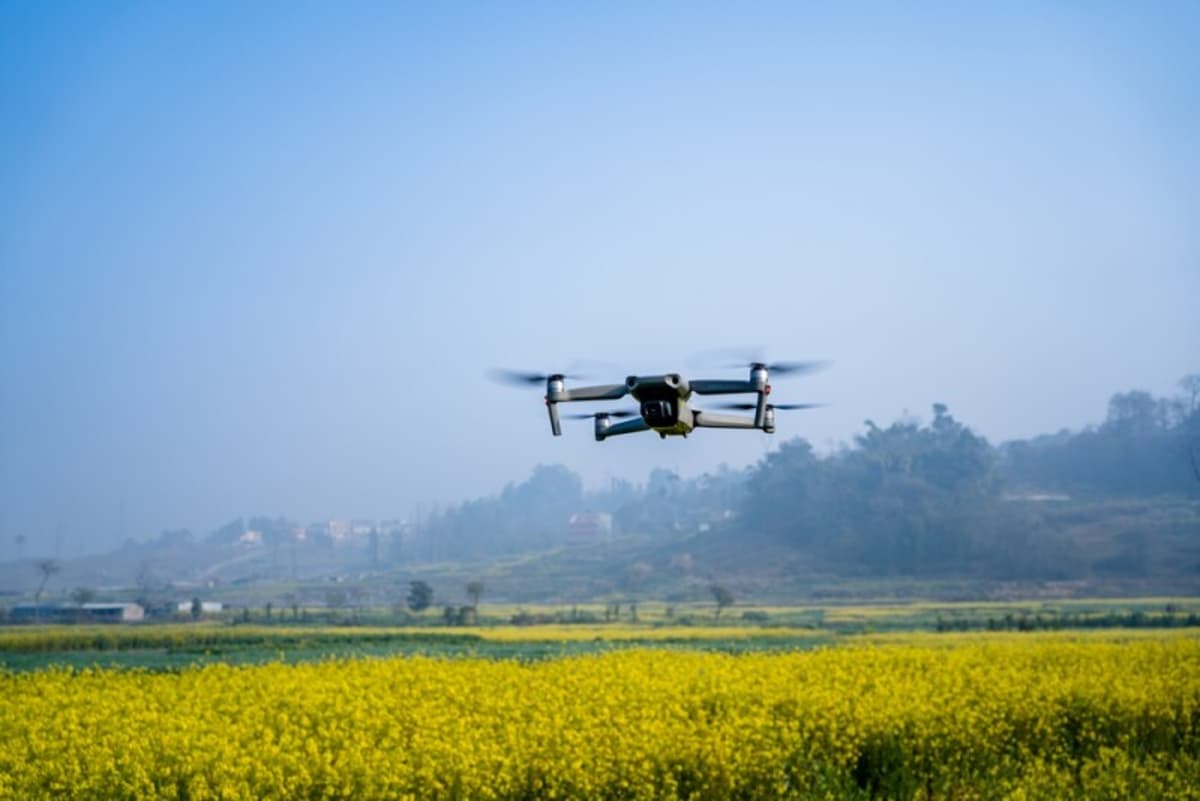
How Part 108 Could Shape Global BVLOS Regulation
The FAA is finalizing Part 108, a performance‑based rule that will govern beyond‑visual‑line‑of‑sight (BVLOS) drone operations. Unlike Part 107’s waiver‑heavy approach, Part 108 offers a scalable certification model focused on safety outcomes such as detect‑and‑avoid, airworthiness, and uncrewed traffic management. Because the United...
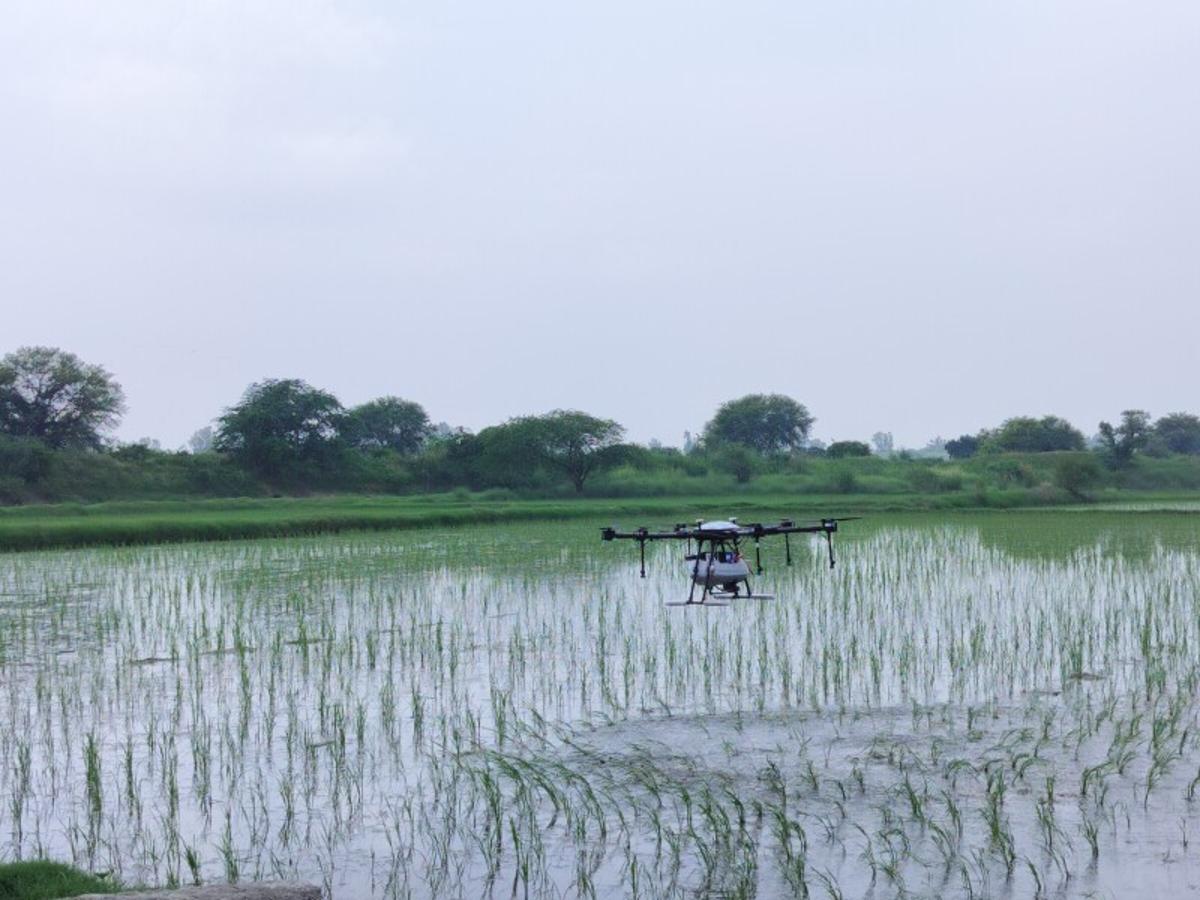
From UAV Spraying to Climate Intelligence: What Research Reveals About Sustainable Agri-UAS Deployment
Recent research on agricultural UAVs in India shows that drones can deliver genuine sustainability gains, but only when design, flight parameters, and data‑driven decisions are optimized. Life‑cycle assessments reveal reductions in water use, chemical load, and operator exposure under ideal...
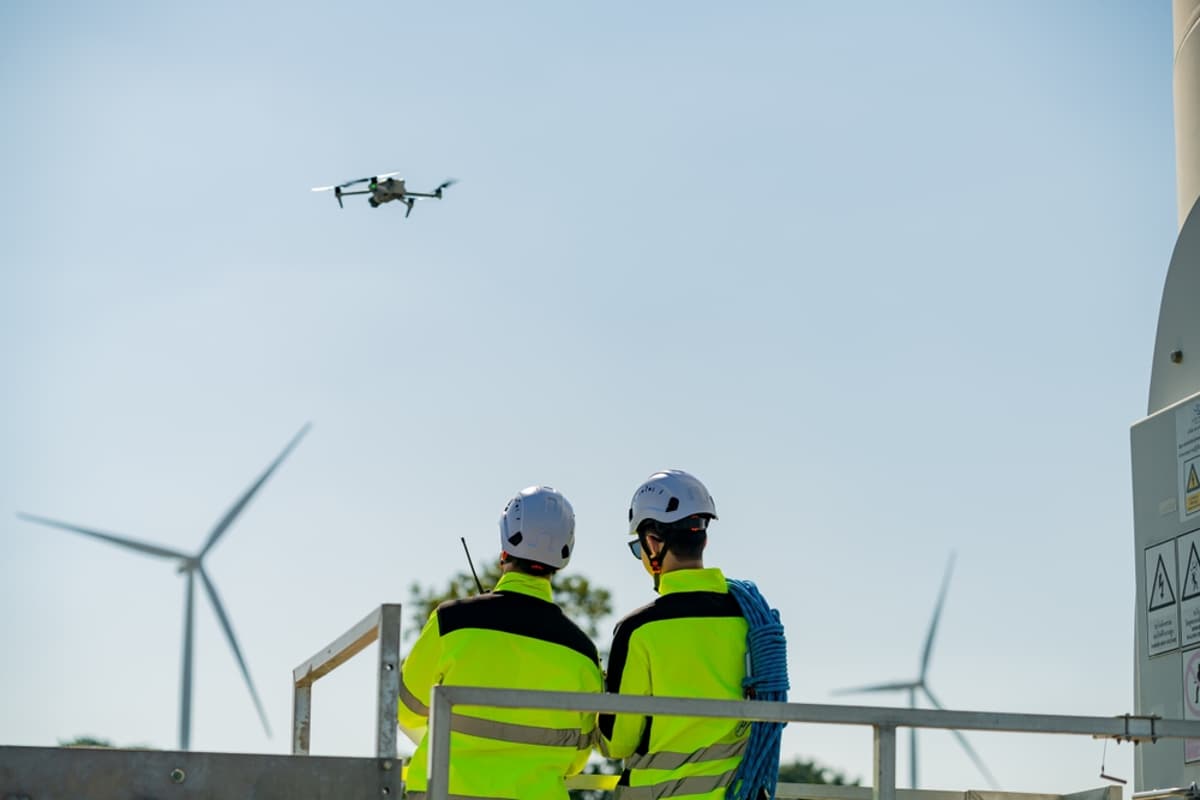
Behind the Flight: Essential Roles at UAS Test Sites
The FAA’s UAS test site program now includes nine locations across the United States, two of which opened in 2026, to validate critical drone technologies such as detect‑and‑avoid, BVLOS, and UTM. Test sites serve a dual purpose: they provide manufacturers...
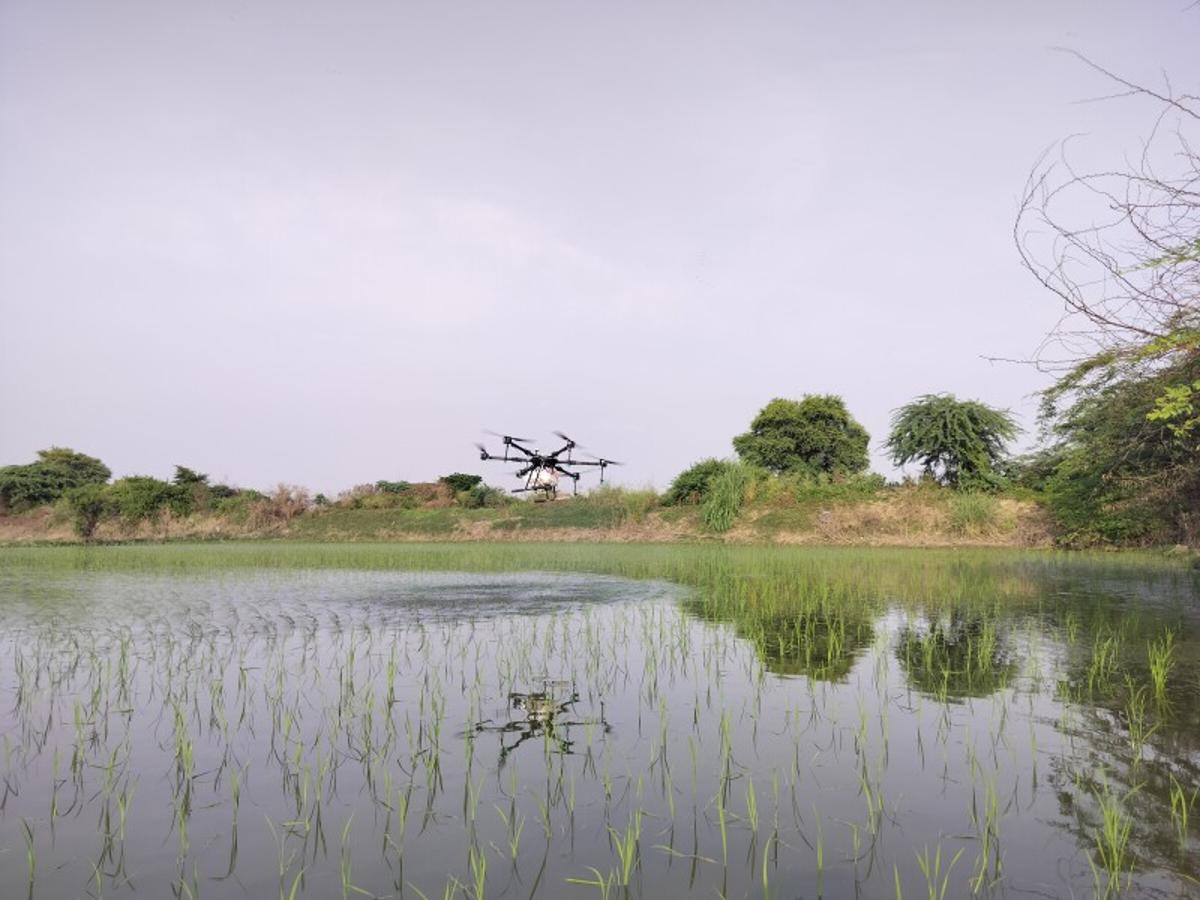
What the Data Actually Says: Quantifying the Environmental and Operational Trade-Offs of Agricultural UAV Spraying
Recent field trials and simulations in India quantified the environmental and operational performance of agricultural UAV spraying. The studies showed UAVs achieve an order‑of‑magnitude reduction in water use and up to 30 % lower pesticide application when optimal ULV nozzles and...
Around the Commercial Drone Industry: Air Taxi Demos, Police Drone Programs, and Weather Forecasting
SkyDrive Inc. will showcase its SD-05 eVTOL passenger drone in Tokyo this February, a public demonstration that precedes a planned 2028 market launch and supports Japan’s 2030 commercial vertiport roadmap. In Ohio, six police agencies have adopted Skydio drones, fielding...
.jpg.medium.800x800.jpg)
The FAA’s Reorganization: What Changes, What Stays, and Why It Matters to the UAV Industry
On January 26 the FAA announced a sweeping reorganization aimed at consolidating all uncrewed aviation functions under a single, strategically positioned domain. The change seeks to replace the historic patchwork of waivers and scattered directorates with a unified structure that...