
Drones Over the Swamp: How South Walton Is Reinventing Mosquito Control
South Walton County’s Mosquito District has deployed a two‑drone system to spray larvicide over swampy habitats, treating 593 acres of hard‑to‑reach land. The PV‑40X treatment drone can carry up to 40 pounds of pellets, while a Skydio X10 maps and updates treatment zones in real time. In 2025 the district treated 2,521 acres with 21,500 pounds of product, nearly double the acreage covered the previous year. The program operates under a public‑use COA and emphasizes precise calibration, community outreach, and compliance with FAA rules.

FAA Releases Long-Awaited NPRM for Drone Restrictions Around Critical Infrastructure
The Federal Aviation Administration issued a Notice of Proposed Rulemaking to create a petition‑based framework for restricting unmanned aircraft around critical infrastructure. The 181‑page proposal adds a new 14 CFR Part 74, introducing Standard and Special Unmanned Aircraft Flight Restrictions (UAFRs) with...

Drone Business Owners to Share Insights on the Roadmap to Success
Commercial UAV News is hosting a free 60‑minute webinar on May 12, 2026, titled “Operator to Operator: The Honest Guide to Running an Independent Drone Business.” The panel features Robert Hart of Lidar Drone Services, Dan Tartaglia of DroneAbility LLC, and...
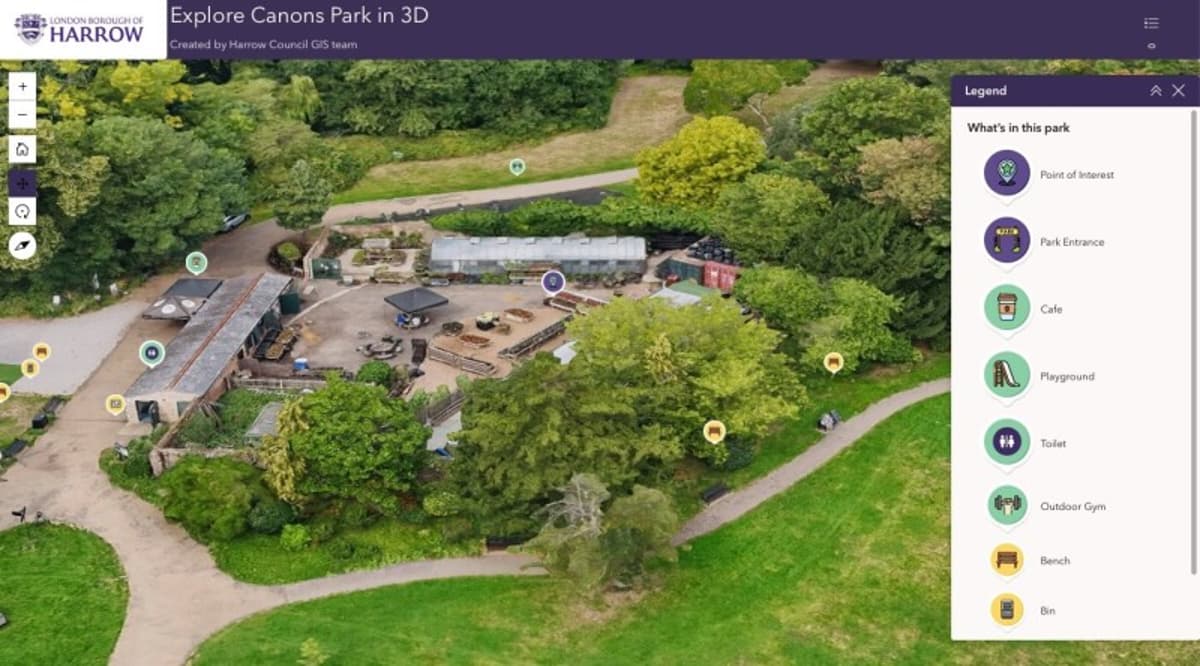
London Borough of Harrow Builds Digital Twin Program One Drone Flight at a Time
The London Borough of Harrow launched a digital‑twin program using a consumer‑grade drone costing about $1,270. By layering a low‑resolution aerial mesh with high‑detail drone scans, the council saved $15,240 on a roof survey and saw strong public interaction with...
The FAA DETER Program: A New Era of Drone Accountability
The FAA launched the Drone Expedited and Targeted Enforcement Response (DETER) program on April 16, moving from its historic “educate‑first” stance to a rapid enforcement model for first‑time drone violations. DETER issues a formal violation notice and gives operators ten...
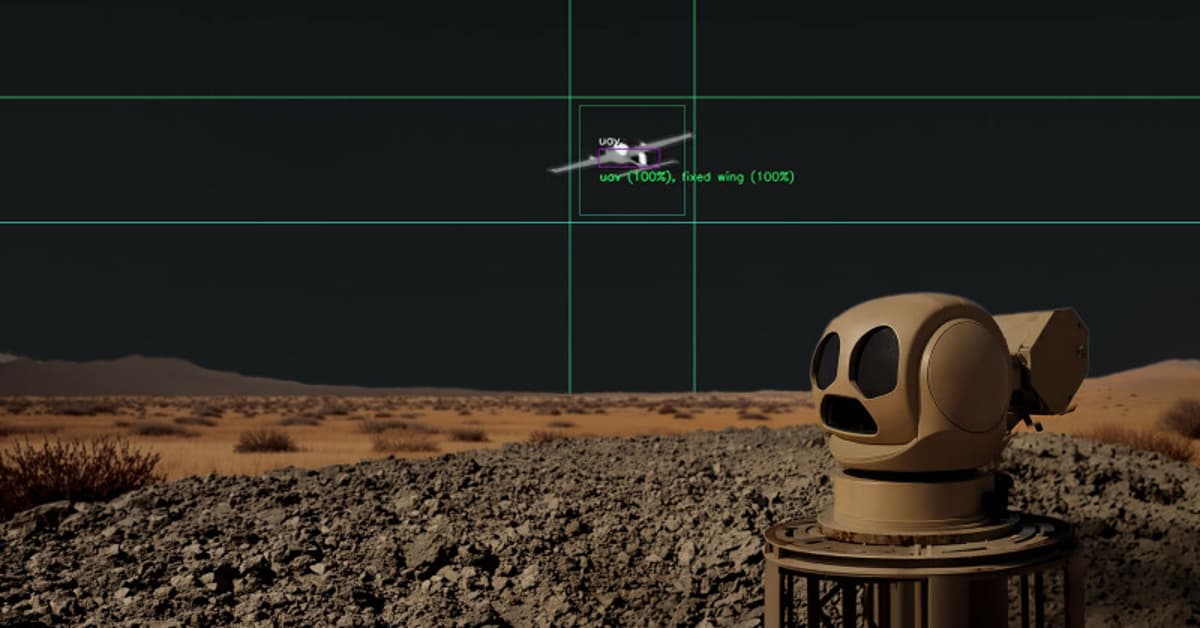
Teledyne FLIR OEM Launches Prism C-UAS Software for Extended Small-Drone Detection Range
Teledyne FLIR OEM unveiled Prism C‑UAS, a software stack that pushes small‑drone detection beyond conventional thermal systems by identifying targets with fewer than four pixels. The solution blends patented denoise and up‑sampling algorithms with AI‑driven perception, delivering longer detection windows...
SkyfireAI Raises $11M Seed Round to Scale AI-Native Multi-Drone Operations Platform
SkyfireAI, a Huntsville‑based AI startup, closed an $11 million seed round led by Mucker Capital to scale its AI‑native multi‑drone operations platform. The solution lets public‑safety, defense and other mission‑critical agencies coordinate autonomous drone fleets without adding staff. Backers such as...
From Detection to Suppression: Drones Join Fleet of Wildfire Fighting Aircraft
Wildfire activity in the western United States has already scorched over 1.8 million acres this year, prompting agencies to adopt advanced drone solutions. Companies such as EDM International and CAL FIRE use aerial imagery, GIS, and long‑endurance drones to monitor utility infrastructure...

Senate Bill Would Give Critical Infrastructure Sites Counter-UAS Authority
Senator Tom Cotton introduced the Critical Infrastructure Airspace Defense Act to grant private owners of high‑risk facilities authority to detect, track and neutralize unauthorized drones. The bill amends the Homeland Security Act, requiring DHS‑run training and certification and real‑time FAA...

Around the Commercial Drone Industry: Drone Safety Day, Mt. Everest, Blockchain Black Box
DRONERESPONDERS is urging the FAA to adopt a National Public Safety Waiver that would give U.S. first‑responder agencies a single, performance‑based authorization for BVLOS and over‑people drone flights. The proposal, backed by dozens of law‑enforcement, fire and EMS departments, aims...
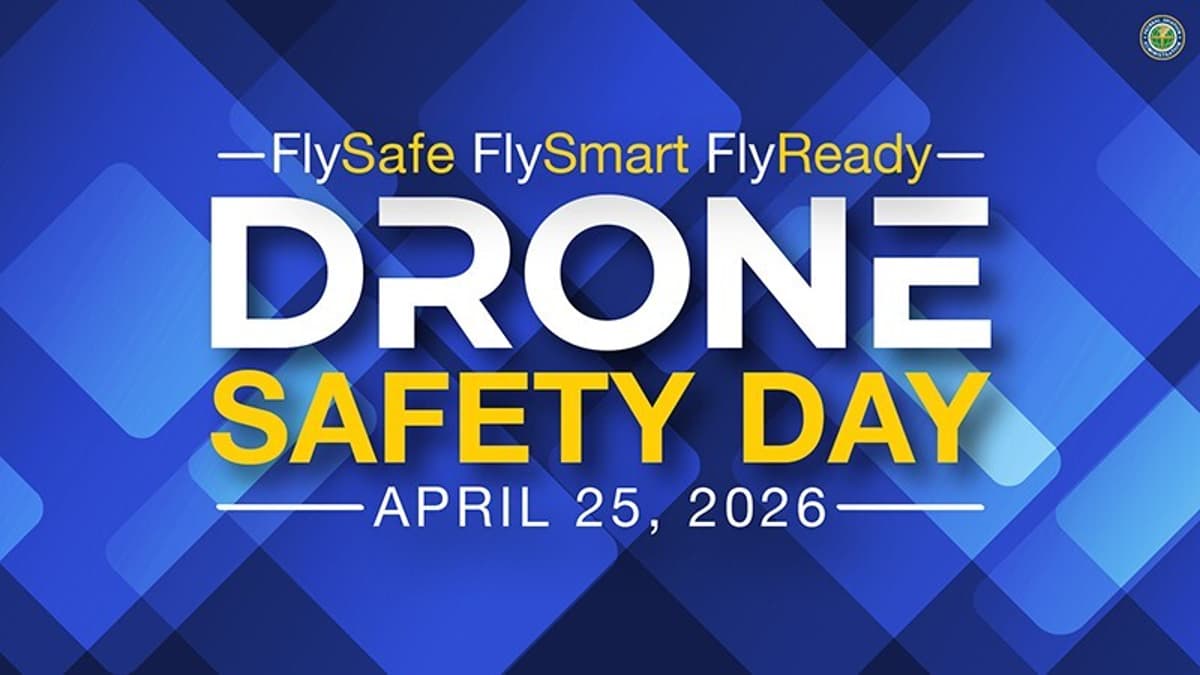
Drone Safety Day 2026: Why the 107–108 Divide Matters More Than Ever
Drone Safety Day, now a one‑day event on April 25, 2026, serves as the FAA’s platform to usher in Part 108, the long‑awaited BVLOS regulatory framework. The day unites more than 855,000 registered drones and 400,000 certificated pilots, highlighting the sector’s rapid...
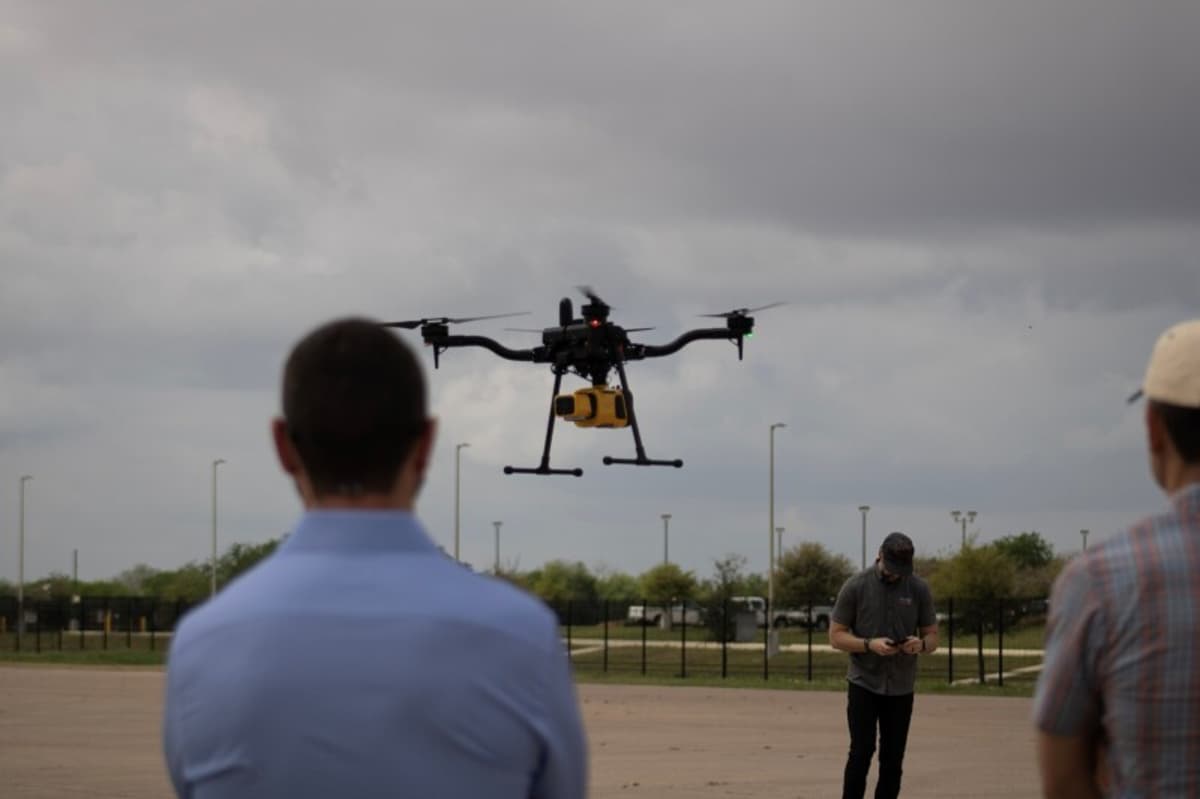
Texas A&M-RELLIS and Unmanned Safety Institute Partner to Expand Drone Training Across Texas
Texas A&M‑RELLIS and the Unmanned Safety Institute (USI) announced a partnership to roll out professional drone and UAS training programs across Texas starting June 2026. The curriculum includes FAA Part 107 exam prep, Remote Operator and Maintenance Technician certifications, and advanced...

How the UAV Empower Scholarship Is Building the Next Generation of Drone Leaders
Commercial UAV News launched the UAV Empower: Path to Leadership Event Scholarship, granting up to three U.S. university students a full conference pass, mentorship, and networking at the Commercial UAV Expo. The program, open to any major, aims to cultivate...
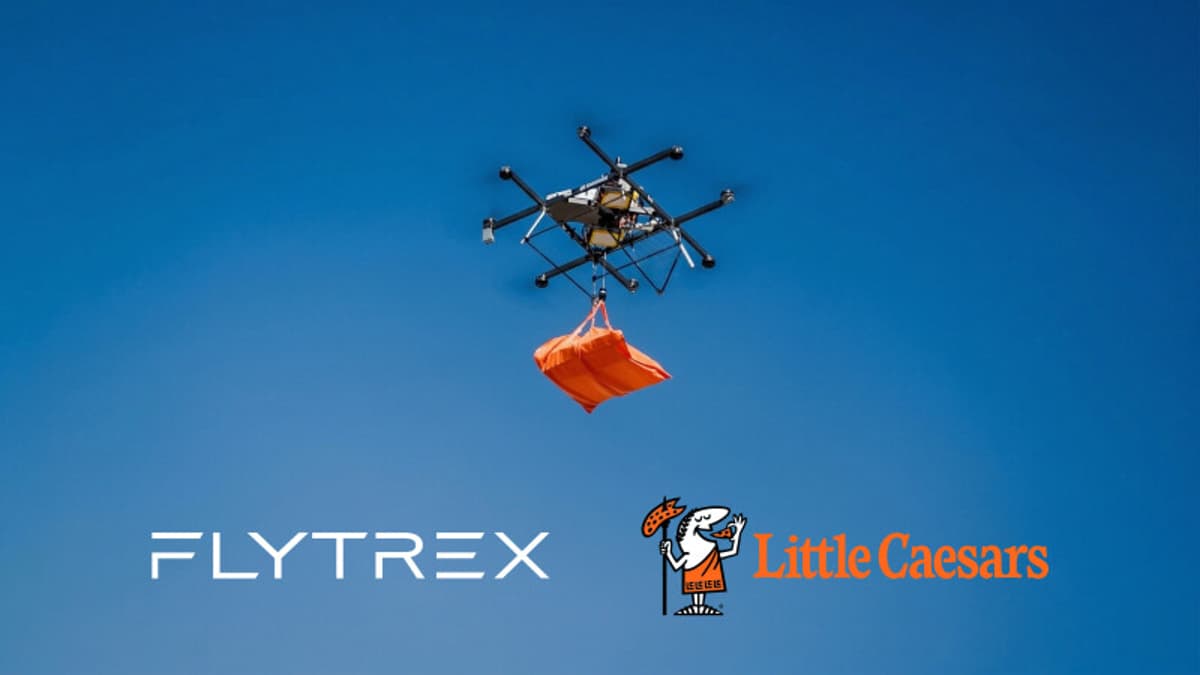
Flytrex and Little Caesars Partner to Deliver Full Family Meals by Drone
Flytrex has teamed with Little Caesars to launch drone delivery of full family meals using its new Sky2 platform. The octocopter can lift up to 8.8 lb, allowing two large pizzas, sides and drinks to be delivered in an average of 4.5 minutes...
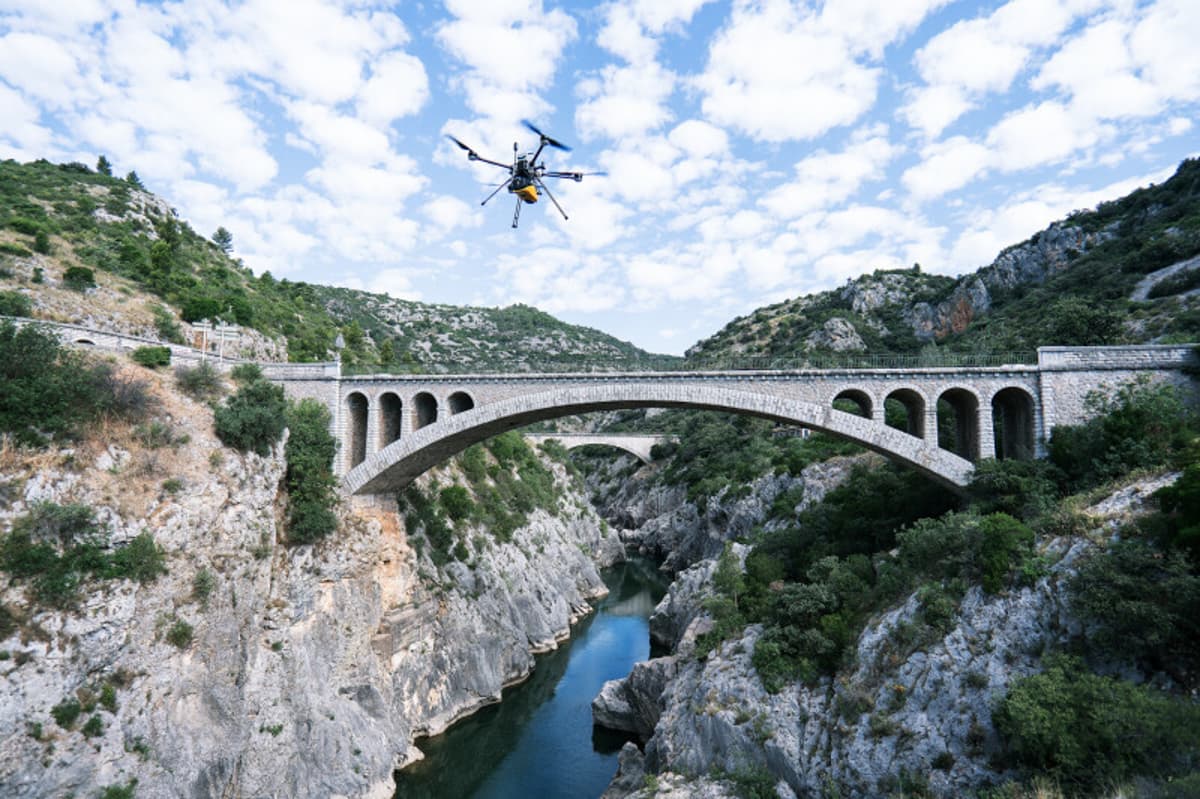
How YellowScan Navigator Closes the Land-Water Data Gap in UAV Lidar Surveys
YellowScan’s Navigator UAV lidar system merges topographic and bathymetric scanning in a single flight, using a green laser to capture both land and underwater data. Weighing 3.7 kg, it offers 3 cm accuracy, 45 minutes of endurance, and can map a 300‑meter river...
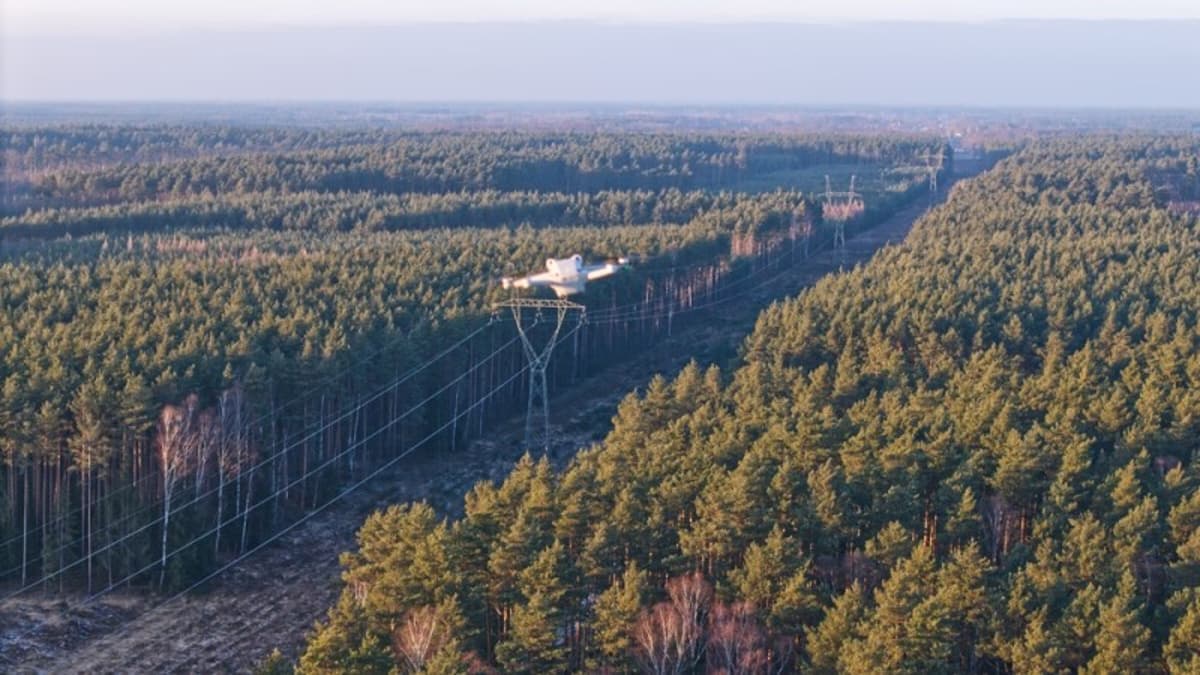
Three Verticals for Drone-Based Lidar Beyond Surveying and Mapping
Drone‑based lidar is expanding beyond its traditional surveying stronghold into three high‑growth verticals: utility corridor inspection, forestry inventory, and stockpile volumetric measurement. In utilities, lidar’s canopy‑penetrating returns enable precise clearance tracking and hazard detection, while in forestry it captures tree...

Around the Commercial Drone Industry: Pest Solutions, Rail Safety, Dog Rescue
Commercial drones are now tackling three disparate challenges: eradicating invasive mice on Australia’s Browse Island, preventing rail‑side trespassing and fires across England’s North East, and locating missing dogs on the Isle of Man. In Western Australia, custom‑built drones distribute bait...
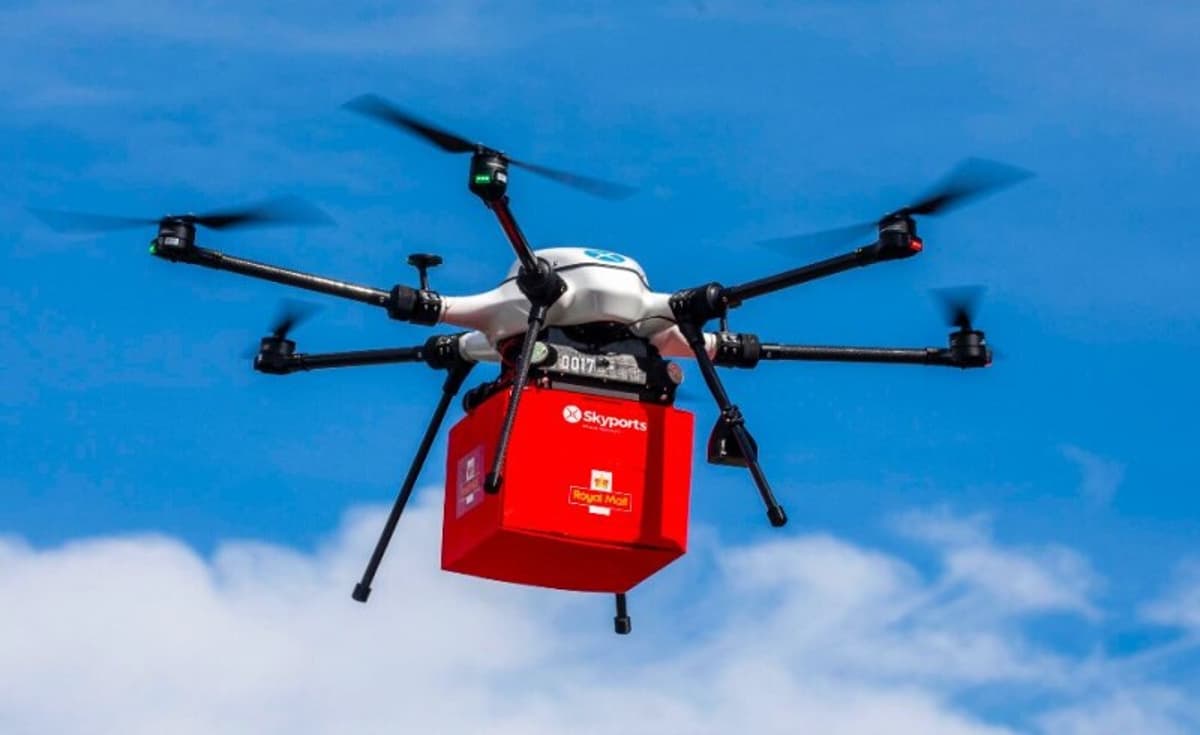
From Scottsdale to São Paulo: Speedbird Aero’s Long Flight Back to America
Speedbird Aero began as a backyard drone project in Scottsdale before relocating to Brazil in 2018 to exploit a more favorable regulatory climate. Leveraging Brazil's ANAC approval for routine BVLOS flights, the company built purpose‑designed DLV‑1, DLV‑2 and DLV‑4 VTOL...

Pan-European Drone Airworthiness Experts Lay Out the Case for Harmonized Testing
A Commercial UAV News webinar highlighted Europe’s fragmented drone‑testing regime, where differing national interpretations of the EASA framework force operators to repeat costly campaigns. Experts from WindShape and BCN Drone Centre showcased advanced indoor labs that replicate wind, rain, icing...

What Ukraine Is Teaching Enterprises About Scalable UAV Operations
Enterprises are abandoning the traditional "expensive and durable" drone model in favor of low‑cost, mission‑expendable UAVs inspired by Ukraine’s wartime operations. Ukrainian operators demonstrate that $2,000‑$5,000 drones can deliver critical data while being treated as consumable assets. Companies like Indeema...

Deadline to Submit Innovative Commercial UAV Product Is Fast Approaching
Commercial UAV Expo’s Innovation Spotlight is accepting product nominations until April 17, offering drone firms a free platform to display cutting‑edge hardware, software, or services. Accepted entries will appear in a dedicated gallery viewed by more than 28,000 Commercial UAV News...

Commercial UAV Expo Announces Opening Keynote: The View From the Field
Commercial UAV Expo announced its Opening Keynote for September 1, 2026, titled “The View From the Field.” The session will showcase findings from the upcoming State of the Industry Survey 2026, conducted by Commercial UAV News and Pilot Institute. Matt Collins...

Managing Commercial Drone Fleets Across Multiple Locations: Why Inventory Tracking Matters
Scaling commercial drone operations across multiple sites introduces logistical friction that basic spreadsheets cannot resolve. Centralized inventory tracking systems consolidate aircraft, batteries, pilots, and maintenance records into a single, real‑time view, enabling rapid deployment decisions. The unified platform also automates...

Around the Commercial Drone Industry: Whale Tracking, Expo Sneak Peek, Manufacturing
Harvard mechanical‑engineering seniors designed a fixed‑wing eVTOL drone that launches vertically from a research vessel to track sperm whales off Dominica, addressing the limitations of quadcopter‑based tagging. The Commercial UAV Expo 2026 in Las Vegas will spotlight BVLOS operations, UTM integration,...

Why Commercial Drones Move Slowly While Military Drones Transformed Warfare Overnight
The article contrasts the rapid evolution of military drones with the sluggish adoption of commercial drones. In war zones, risk‑tolerant environments and urgent mission value accelerate development, allowing cheap off‑the‑shelf quadcopters to become decisive tools in Ukraine, Gaza, and the...

ResilienX Receives FAA BVLOS Waiver, Clearing the Way for Expanded ORION-X Operations
ResilienX secured an FAA Certificate of Waiver allowing its ORION‑X drone‑as‑a‑service platform to conduct beyond‑visual‑line‑of‑sight (BVLOS) flights without on‑site visual observers. The approval, enabled by a partnership with NUAIR’s FAA‑accepted surveillance network, was granted in January and integrated after roughly...

Commercial Drone Alliance Calls for Whole-of-Government Approach to Build Domestic Industry
In December 2025 the FCC placed all foreign‑made drones and critical components on its Covered List, restricting new imports while allowing existing inventory to remain on shelves. The Commercial Drone Alliance (CDA) responded with a white paper urging a whole‑of‑government...
Former FAA Public Safety Liaison Joins DRONERESPONDERS UNITE Team
Michael O'Shea, former FAA Public Safety Liaison, has joined the DRONERESPONDERS UNITE team as manager. He spent eight years guiding state, local, tribal and territorial agencies on compliant drone programs and previously held a 17‑year aviation role with the Department...

From Spraying to Decision Support: How Data Turns UAVs Into Climate Tools
The piece outlines how commercial agricultural UAVs are evolving from simple sprayers to data‑driven decision‑support platforms. By systematically capturing flight, nozzle, weather and outcome data, operators can apply machine‑learning models to predict optimal parameters, reducing water, chemical and energy use...

Around the Commercial Drone Industry: Solid-State Drone, Thermal Imaging, Healthcare Drone Corridor
Researchers at Rutgers University have demonstrated a solid‑state drone that flies using piezoelectric actuators, eliminating traditional motors, gears, and linkages. A recent review of 38 studies confirms thermal‑imaging drones outperform ground surveys for detecting threatened rainforest species, especially arboreal mammals....

The New Drone Safety Team. A Short Chronicle of Safety
The Drone Safety Team (DST) has been integrated into the U.S. Aviation Safety Team (USAST), creating a unified, cross‑community safety framework that includes drones, helicopters, general aviation, and commercial airlines. Central to this shift is NASA’s Aerospace National Safety Issue...

Building Trust From the Ground Up: How Drone Operators Are Winning Over the Public
Commercial drone operators are confronting public skepticism by adopting proactive community‑engagement strategies, transparent data practices, and visible professionalism. Industry leaders stress early stakeholder meetings, clear communication of flight purpose, and the use of uniforms and signage to signal legitimacy. Police...

Commercial UAV Expo Announces 280+ Supporting Partners for 2026
Commercial UAV Expo announced more than 280 supporting partners for its 2026 show in Las Vegas. The event, scheduled for September 1‑3 at Caesars Forum, will feature extensive public‑safety programming, FAA certification resources, and the largest commercial drone exhibit floor...
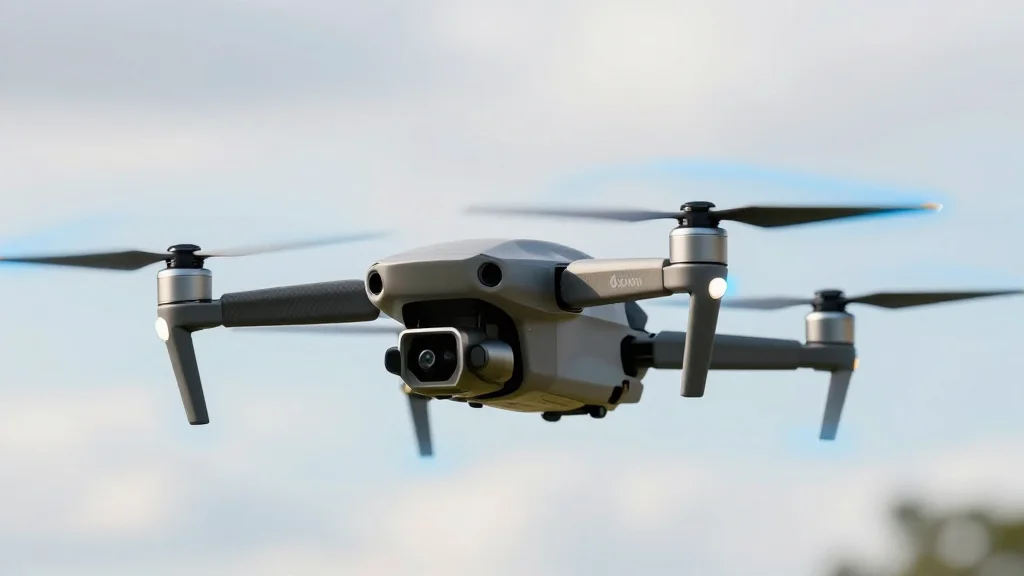
The Drone Insurance Gaps That Leave Commercial Operators Exposed
Commercial drone operators often assume they are covered, but most general liability policies exclude aerial work, leaving them uninsured for core operations. App‑based insurance products frequently fail to meet contract‑specific endorsements, while hull policies omit high‑value payloads such as cameras...
Upcoming Webinar to Cover Pan-European Drone Testing
The Commercial UAV News webinar on April 7 will tackle Europe’s fragmented drone certification landscape, where each member state interprets EASA guidance differently. Speakers Tiziano Fiorucci of WindShape and Jordi Salvador of BCN Drone Centre will discuss how controlled indoor testing...
The Missing Metric in Commercial UAV Spraying: Carbon per Hectare
The article argues that carbon emissions per hectare treated, not per flight or hour, should become the standard metric for evaluating commercial UAV spraying. Field data and life‑cycle assessments show that UAV carbon efficiency varies widely with coverage planning, payload...

How CPDLC Might Help the FAA Implement Part 108
The FAA is shifting from voice‑centric control to a digital operating model, using Digital Flight Rules (DFR) as the bridge to automation. Part 108, the upcoming rule for beyond‑visual‑line‑of‑sight drone flights, emphasizes system performance and corporate responsibility rather than pilot actions....

Drone-Based Lidar Is Continuing to Evolve, and Surveyors Are Taking Notice
Drone‑mounted lidar has moved from experimental demos to routine use, especially for topographic mapping that once required crewed aircraft. Surveyors of all sizes now expect centimeter‑level accuracy without cumbersome base stations, thanks to solutions like Applanix’s APX RTX. Yet the industry...

From Dublin to Dallas: How Manna Aero Is Building Drone Delivery That Scales
Irish drone logistics firm Manna Aero, founded in 2018, now operates in Dublin, Finnish cities, Dallas and Oklahoma, delivering items up to 8.5 pounds within three minutes of order. The company has logged 300,000 flights and aims for two million by year‑end,...

Robinson Helicopters and Their Accelerated Path to FAA Autonomous Certification
Robinson Helicopter is pursuing FAA autonomous certification by retrofitting its proven R44 and R66 helicopters with autonomy systems. By certifying only the autonomy stack and control changes under Part 27, the company avoids the extensive airframe and propulsion validation required by...

Around the Commercial Drone Industry: Improved ADS-B Transceiver, New Public Safety Program, Counter-UAS College Program
uAvionix introduced the ping978EC 978 MHz UAT ADS‑B transceiver, tailored for UK BVLOS operations and eliminating the need for a permanent ICAO‑registered address. AirData expanded its flight‑data platform with a public‑safety module that records, streams and publishes drone missions for police...

DroneShield and Robin Radar Systems Partner to Expand Counter-UAS Sensor Marketplace
DroneShield announced a partnership with Robin Radar Systems to integrate the IRIS 3D radar into its open sensor marketplace. The 360‑degree radar enhances DroneShield’s layered counter‑UAS (CUAS) deployments for defense, critical infrastructure, and public safety. By adding radar‑based detection to its...

Why Nozzle Choice Determines Commercial UAV ROI More Than Platform Specs
Commercial UAV spraying profitability hinges more on nozzle selection than on drone specifications. Field trials show ultra‑low‑volume (ULV) nozzles improve canopy deposition by 20‑35%, reducing chemical use and repeat passes. Mismatched nozzles increase drift risk, eroding 15‑25% of expected savings...

Tech Stacks, AI, and New Regulations: What Drone Surveyors Need to Know Now
The Commercial UAV News webinar highlighted how drone surveying firms must first secure data‑first workflows before layering AI, adopt a three‑tiered, modular tech stack, and address new regulatory demands. Panelists stressed that clean, structured data and automated pipelines are prerequisites...

Zephyr Drone Simulator Integrates NIST Payload Delivery Test Method for Public Safety Training
Zephyr Drone Simulator (ZDS) has incorporated a NIST‑validated payload‑delivery and retrieval test method into its platform, offering public‑safety drone pilots a standardized training and evaluation tool. The methodology, co‑developed by DRONERESPONDERS, NIST, OMADA Group, and CERRA, provides data‑driven performance benchmarks...

Around the Commercial Drone Industry: Public Safety Partnership, Updates to Blue UAS List, and GrubHub Drone Delivery
DRONERESPONDERS signed a national operations agreement with the National Real‑Time Crime Center Association to fast‑track Drone‑as‑First‑Responder (DFR) programs across U.S. emergency agencies. The Defense Contract Management Agency took over the Blue UAS Cleared List from the Defense Innovation Unit, aiming...

Drone Companies Find Common Ground in Jaipur While Waiting on Part 108
At NestGen in Jaipur, drone innovators from across the globe gathered to showcase advances in automation, AI‑driven operations and UTM platforms, while acknowledging a shared anxiety over the pending FAA Part 108 rule for BVLOS flights. Attendees described the industry as...

Quantum Solutions Partners With Delmar Aerospace to Bring Drone-Based Water Intelligence to North America
Quantum Solutions, a UK imaging firm, has entered a three‑way partnership with Delmar Aerospace and its Canadian unit Perspectum Drone Inspection Services to launch the Q.Fly Water drone system across the U.S. West Coast and Canada. The platform uses quantum‑dot...
.jpg.medium.800x800.jpg)
FAA Flight Reductions at Major Hubs and What They Mean for Uncrewed Aviation
The FAA ordered airlines to trim scheduled flights at Chicago O’Hare this summer, capping daily operations at roughly 2,800 to avoid a repeat of Newark‑style gridlock. The move reflects a broader capacity squeeze in the National Airspace System, where runway,...

Around the Commercial Drone Industry: Student Drone Competition, Amazon Prime Air, World Cup Security
The UAS4STEM competition is recruiting global judges to evaluate student‑built drones, with training due by March 15. Amazon Prime Air will launch its quieter, rain‑capable MK30 drones in Baton Rouge, offering sub‑5‑lb deliveries within an hour across a 7.5‑mile radius. The U.S. Department...