
Equinix Expands Fabric Geo Zones to Tackle Data Sovereignty
Equinix announced the global expansion of its Fabric Geo Zones, a network‑level feature that enforces data‑sovereignty rules by preventing regulated data from crossing borders during routing events. The service, now in preview across key markets including the United States, United Kingdom, Australia, Brazil, Canada, Japan and Switzerland, adds a compliance layer to the company’s Fabric interconnection platform. By embedding jurisdictional controls directly into the network fabric, Equinix aims to address the compliance gaps exposed by automated failover and AI‑driven workloads in hybrid multicloud environments. The premium offering signals a shift toward monetizing sovereignty as a differentiator for interconnection providers.

Live GPU Rental Listings Point to Early Price Compression
A new dataset from Ai Mining Co. tracks over 141,000 GPU‑rental listings across 24 marketplaces, revealing Nvidia H100 prices ranging from $0.72 to $15.14 per hour in a single day. The wide spread reflects differences in network topology, service guarantees,...
Nscale’s $790M Financing Marks a Shift to Utility-Style Deals
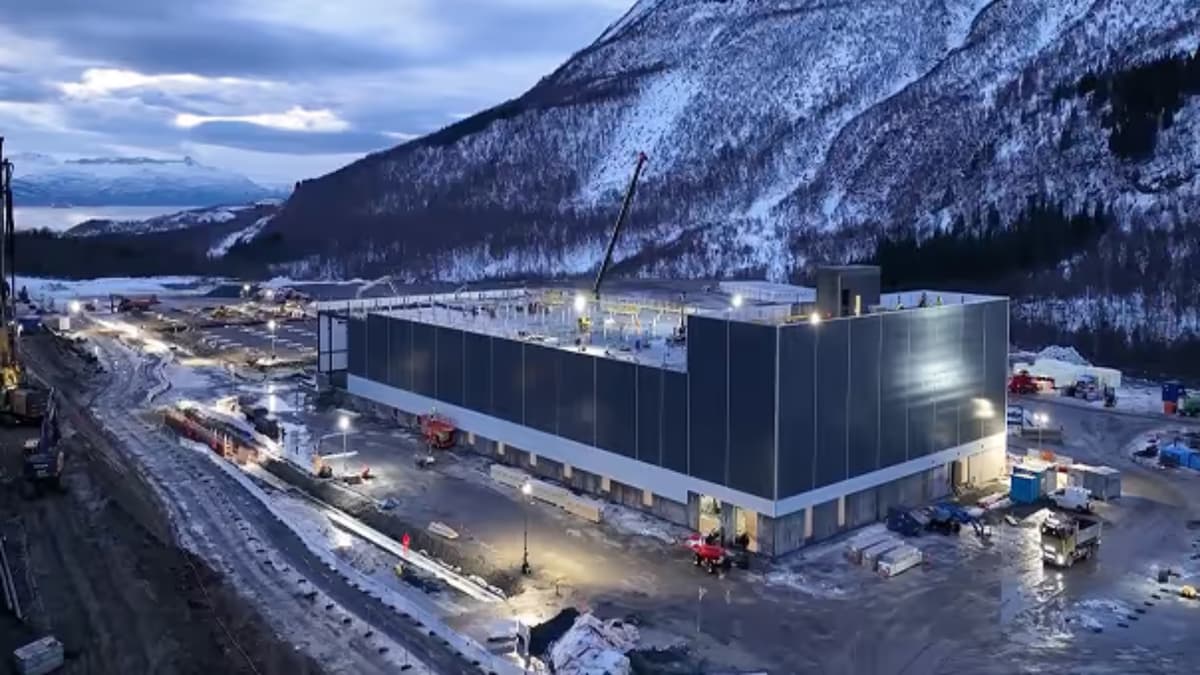
Norwegian AI infrastructure developer Nscale has secured a $790 million financing package from a consortium of Nordic banks, including an accordion facility that could fund a 115 MW expansion of its Narvik data‑center campus. The loan structure mirrors utility‑style deals, reflecting lenders’...

After the Power Crunch, AI Infrastructure Hits a Silicon Wall
A new Center for a New American Security report warns that semiconductor manufacturing – from advanced logic and high‑bandwidth memory to packaging – cannot keep pace with exploding AI demand, creating a near‑term silicon bottleneck. Hyperscalers such as Microsoft, Amazon,...
Wholesale Vs. Retail Colocation: How to Choose a Data Center Lease
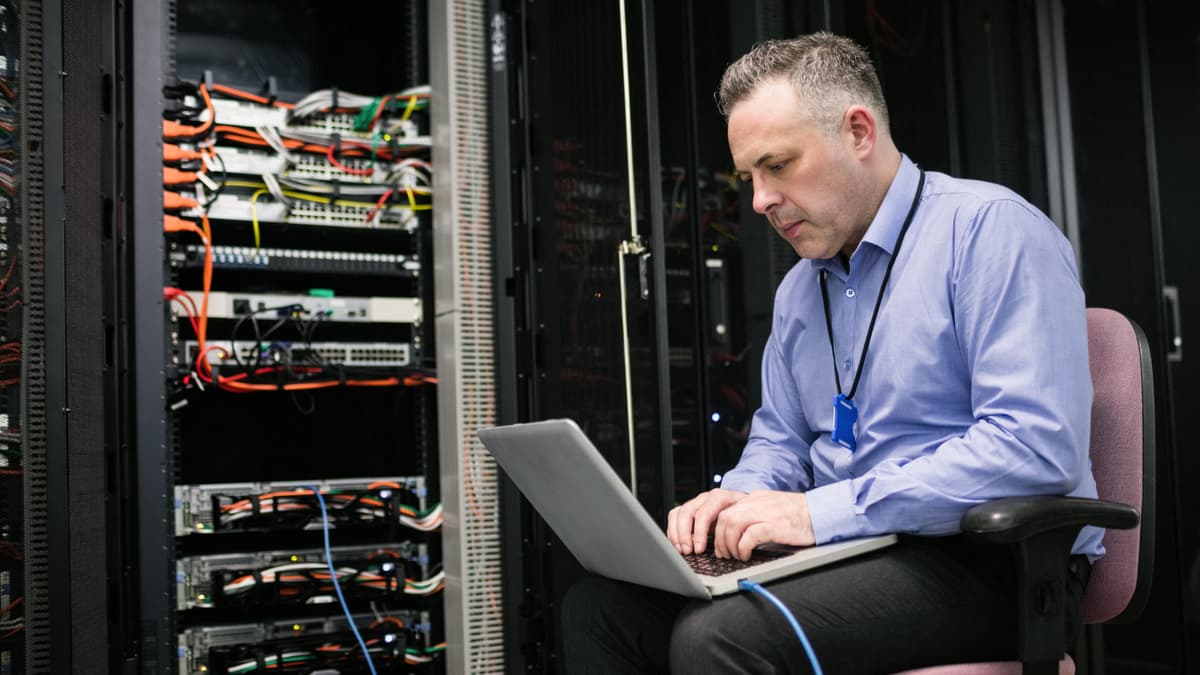
The article contrasts wholesale and retail colocation leases, detailing how each model operates, pricing mechanisms, and service levels. Wholesale leases grant dedicated suites or entire buildings with multi‑year contracts and lower $/kW at scale, while retail colocation provides rack‑level space,...

Interview: Unison Energy CEO on Data Centers Turning to On-Site Power
Unison Energy, backed by Tiger Infrastructure Partners, is expanding on‑site power solutions for AI‑driven data centers using natural‑gas combined heat and power (CHP) and microgrids. The company appointed Mariko McDonagh Meier as CEO, highlighting speed, reliability and cost as key client drivers....

Are AI Neoclouds Rewiring Data Center Traffic Patterns?
New measurements show AI‑driven "neocloud" workloads are consolidating data‑center traffic into fewer, larger, synchronized flows that sustain 100 Gbps‑1 Tbps rates. Operators are shifting network designs from many short‑lived connections to handling sustained elephant flows between storage, GPU clusters, and backend fabrics....

Interconnection Delays Push Texas Data Center Behind the Meter
Industrial developer BaRupOn bought 700 acres in Liberty County, Texas, to build a chemical plant, but $35 million interconnection fees and utility delays until 2029 forced a pivot to behind‑the‑meter power and an AI‑focused data center. The company secured permits for...

From Capacity to Chaos: How AI Data Centers Challenge the Grid
AI‑driven data centers are turning electricity demand from a steady load into rapid, large‑scale swings, exposing a weakness in the U.S. grid. In 2024 a disturbance in Northern Virginia knocked roughly 1,500 MW of AI‑focused data‑center load off the system in...
Build an AI Tool, Land a Job: Data Center Operator Launches Hiring Contest
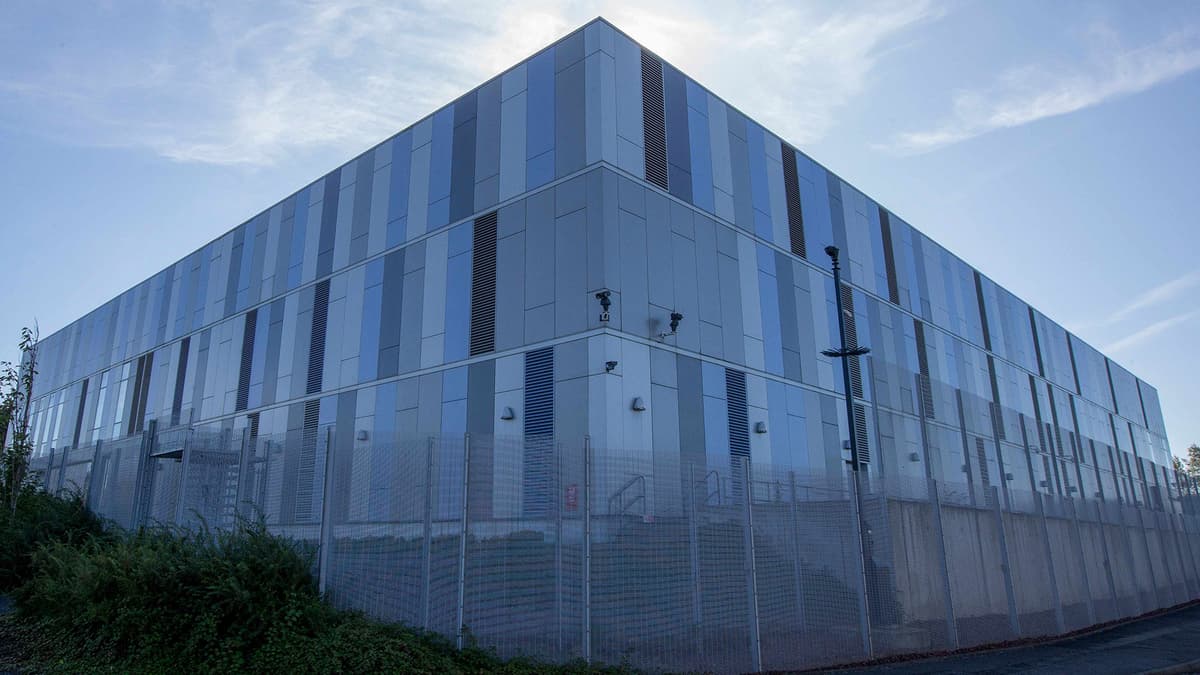
DataVita, a Scottish data‑center operator, has launched the OpenClaw Challenge, an AI‑building competition that replaces traditional resumes. Participants must create a functional AI tool using Anthropic’s open‑source OpenClaw agent, judged on originality, technical merit, business value, security, and communication. The...

Core Scientific’s Muskogee Bet: Can Crypto-Era Infrastructure Fuel AI?
Core Scientific is expanding its Muskogee, Oklahoma campus to roughly 1.5 GW of gross power capacity, with the goal of delivering about 1 GW of leasable power for AI workloads. To accelerate the build, the firm will acquire Polaris DS LLC, securing 440 MW...

Power Drives the AI Data Center Boom, but Connectivity Cannot Be Overlooked
AI’s super‑cycle is reshaping data‑center strategy as power demand skyrockets, with Omdia forecasting global IT‑load capacity to reach 314 GW by 2030 – a 2.9‑fold rise. To sustain gigawatt‑scale training clusters, operators must adopt “scale across,” a new DCI model that...

How OpenAI’s New Networking Protocol Aims to Solve AI Bottlenecks
OpenAI, together with AMD, Broadcom, Intel, Microsoft and Nvidia, unveiled the Multipath Reliable Connection (MRC) protocol to alleviate network congestion in massive AI clusters. MRC dynamically distributes traffic across hundreds of paths and reroutes around failures in microseconds, targeting the...

HPE Pushes Self-Driving Networks Into Production
Hewlett Packard Enterprise has moved its long‑promised self‑driving network from concept to production, embedding autonomous actions into the Mist AI and Aruba platforms. The rollout focuses on high‑frequency, low‑risk problems such as wireless congestion, VLAN misconfigurations and rogue DHCP servers,...

Federal Data Center Requirements: A Guide for Upgrading Existing Facilities
The U.S. Office of Management & Budget’s Data Center Optimization Initiative is pushing federal agencies toward secure, efficient colocation, prompting data‑center operators to upgrade existing facilities to meet government standards. Operators must assess current physical structure, MEP systems and security...

AMD’s AI Infrastructure Push Drives 57% Data Center Growth
AMD reported a record first‑quarter, posting $10.3 billion in revenue—up 38% year over year—and net income of $1.4 billion, nearly doubling the prior year. Data‑center sales surged 57% to $5.8 billion, driven by strong demand for AI infrastructure, especially from hyperscalers and enterprise...

IREN Buys Mirantis for $625M to Unlock AI Compute Utilization
Australian AI infrastructure operator IREN has agreed to acquire Mirantis in a $625 million all‑stock transaction, adding Kubernetes management, cloud infrastructure software, and enterprise support to its GPU‑centric AI cloud platform. The deal targets the industry’s growing bottleneck of converting raw...

Meta’s Space Solar Bet Highlights AI Data Center Power Gap
Meta has teamed with Overview Energy and Noon Energy to explore space‑based solar power (SBSP) with demonstration projects slated for 2028. The initiative is positioned as a long‑term capacity solution rather than an immediate fix for the soaring electricity needs...
AI Demand Surges as Billions in Compute Remain Locked
Enterprises are pouring billions into AI infrastructure, yet a Cast AI survey of 23,000 Kubernetes clusters reveals average GPU utilization of just 5% and CPU use at 8%. Cloud providers such as Microsoft, Amazon, Alphabet and Meta are reporting double‑digit...

New Data Center Developments: May 2026
Aligned Data Centers announced Project Caprock, a 540 MW, 313‑acre data‑center campus in Hale County, Texas, slated for first delivery in Q1 2027 and projected to generate about $5 billion in economic impact. The rollout comes amid a wave of regulatory changes in the...
Data Center Humidifiers: What They Do and How to Choose
Data center humidifiers add moisture to maintain 40%‑60% relative humidity, protecting servers from static electricity, dust, and inefficient cooling. The article outlines four main types— isothermal, ultrasonic, high‑pressure nozzle, and adiabatic—each with distinct energy and cost profiles. Choosing the right...

North Carolina Targets Hyperscale Costs with Proposed AI Infrastructure Bill
North Carolina lawmakers introduced the Ratepayer and Resource Protection Act, requiring hyperscale data centers of 40 MW or more to pay the full cost of power, water and infrastructure and to forgo state and local tax incentives. The bill also mandates...

Google-Anthropic Deal: AI Capacity Now Pre-Sold at Gigawatt Scale
Google is reportedly negotiating a up‑to‑$40 billion investment in Anthropic, coupling cash with a commitment to provide as much as 5 GW of AI compute over the next five years. The initial tranche is $10 billion, with an additional $30 billion tied to Anthropic...

What Next-Gen Chips Might Mean for Data Centers
The data‑center chip market is poised for disruption as new AI‑optimized, energy‑efficient, heat‑tolerant, and offload silicon designs move from labs into racks. While x86 CPUs still dominate, emerging ARM‑based servers, custom cloud chips, and advanced packaging like chiplets promise higher...

Speed to Power: How Developers Are Restructuring for AI Demand
Developers of AI‑driven data centers are abandoning pure scale‑first designs in favor of a "speed to power" approach, prioritizing rapid access to electricity over sheer capacity. With global data‑center electricity demand projected to triple by 2029, grid constraints and interconnection...

Microsoft AI Surge Exposes Data Center Capacity Gap
Microsoft reported a 40% year‑over‑year Azure revenue surge and a $37 billion AI run rate, while its commercial remaining performance obligations ballooned 99% to $627 billion. The rapid AI‑driven demand is outpacing the company’s ability to provision power, cooling and physical capacity,...
Elea Founder: Brazil Expansion to Accelerate After I Squared Deal
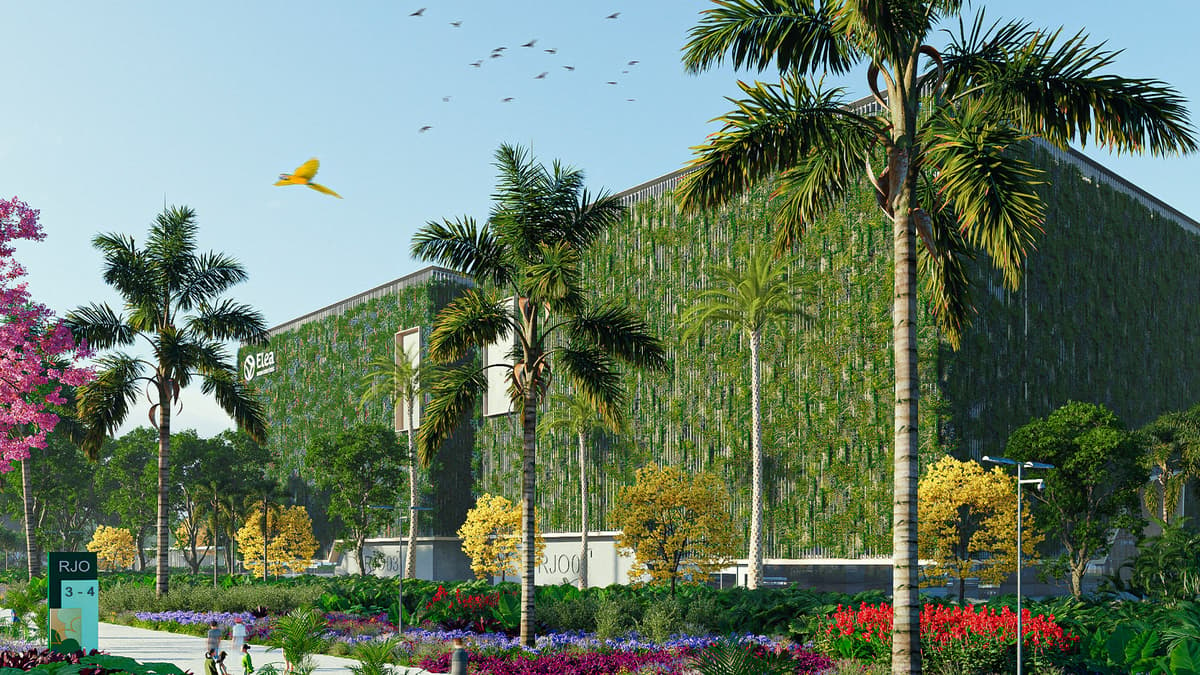
I Squared Capital has taken a majority stake in Brazil‑based Elea Data Centers, a move designed to speed the operator’s nationwide rollout. Elea currently runs nine data‑center campuses with more than 300 MW of powered land and over 1 GW of capacity under...
Oracle’s Project Jupiter Ditches Gas Turbines for Bloom Fuel Cells
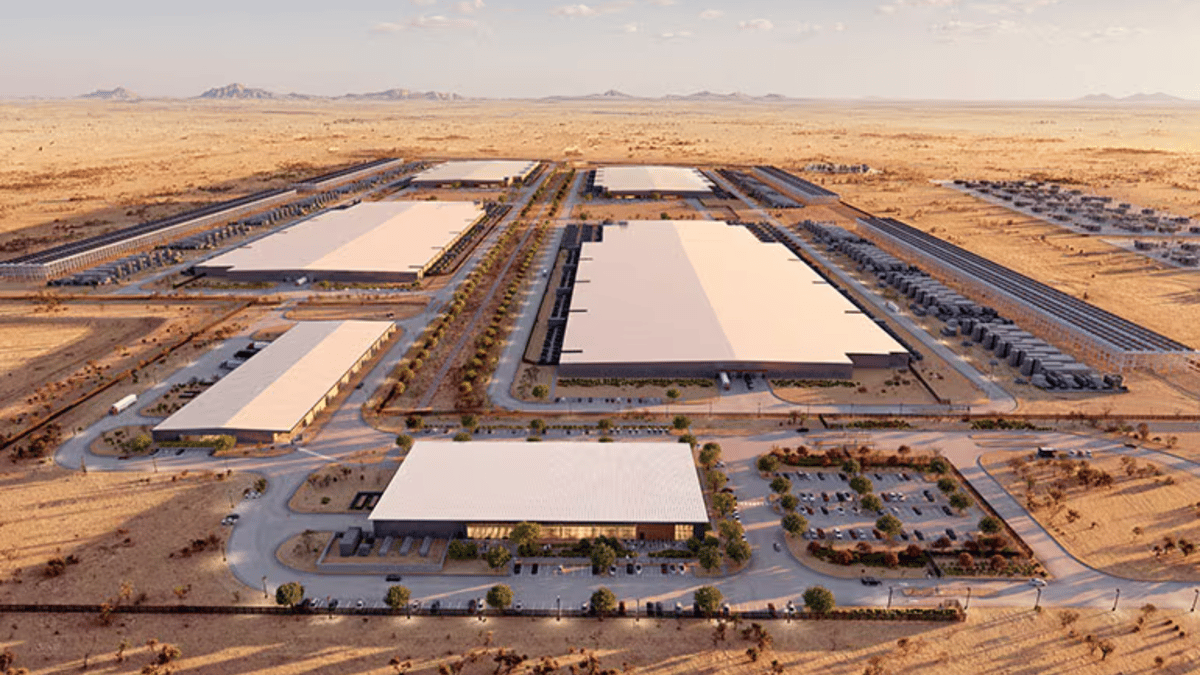
Oracle is redesigning its Project Jupiter AI data‑center campus in New Mexico to run on a 2.45 GW fuel‑cell microgrid supplied by Bloom Energy, eliminating the previously planned gas turbines and diesel generators. The on‑site generation will cut nitrogen‑oxide emissions by about...

Maine Vetoes Data Center Moratorium, but Pressure Continues
Maine Governor Janet Mills vetoed a bill that would have imposed a statewide moratorium on large‑scale data‑center projects, citing the need to protect a $550 million development in Jay that promises 800 construction jobs and 100 permanent positions. Instead, she will...

Rethinking Infrastructure Investments for the AI Era
Enterprises chasing AI must juggle faster‑changing GPU and network cycles with longer‑lasting legacy servers, creating misaligned hardware lifecycles. The traditional three‑to‑five‑year refresh model no longer fits, prompting firms to commit to multi‑year, $130 million‑scale deals before knowing if the equipment matches...

How Google’s Virgo Fabric Signals Shift in AI Network Design
Google unveiled the Virgo fabric, a two‑layer data‑center network built to support AI hyper‑computer clusters of over 100,000 accelerators. By flattening the topology, Virgo reduces hop count, cuts tail latency, and maintains high bisection bandwidth for sustained east‑west traffic. The...
Verda Bets $117M on AI Cloud as Workloads Fragment Across Platforms
Finland‑based AI infrastructure firm Verda secured $117 million in equity and debt financing to accelerate platform development and expand into the US, Europe and Asia. The funding backs Verda’s niche strategy of serving high‑intensity AI training and inference workloads that demand...

Nvidia: AI Agents Break the Data Center Throughput Model
Nvidia’s latest guidance and OpenAI’s GPT‑5.5 release highlight a shift from stateless inference to persistent AI agents that maintain context and invoke external tools. These agentic workloads generate bursty compute patterns with idle periods, breaking the throughput‑centric model that data‑center...
Getting Beyond Data Center Construction: Designing for Grid Reliability
Global investment in data centers is set to hit $580 billion by the end of 2025, outpacing new oil‑supply spending. As the sector expands, grid‑reliability standards are emerging as a critical design constraint. IEEE’s Industry Connections group released a review recommending...

Data Center World 2026: Real Estate, On-Site Power Speed AI Buildout
Data center developers are confronting a looming 300 GW power shortfall as AI workloads surge, with the U.S. projected to need about 200 GW of new capacity while retiring roughly 100 GW of existing generation. At Data Center World 2026, Prologis Mobility’s JT Steenkamp highlighted...
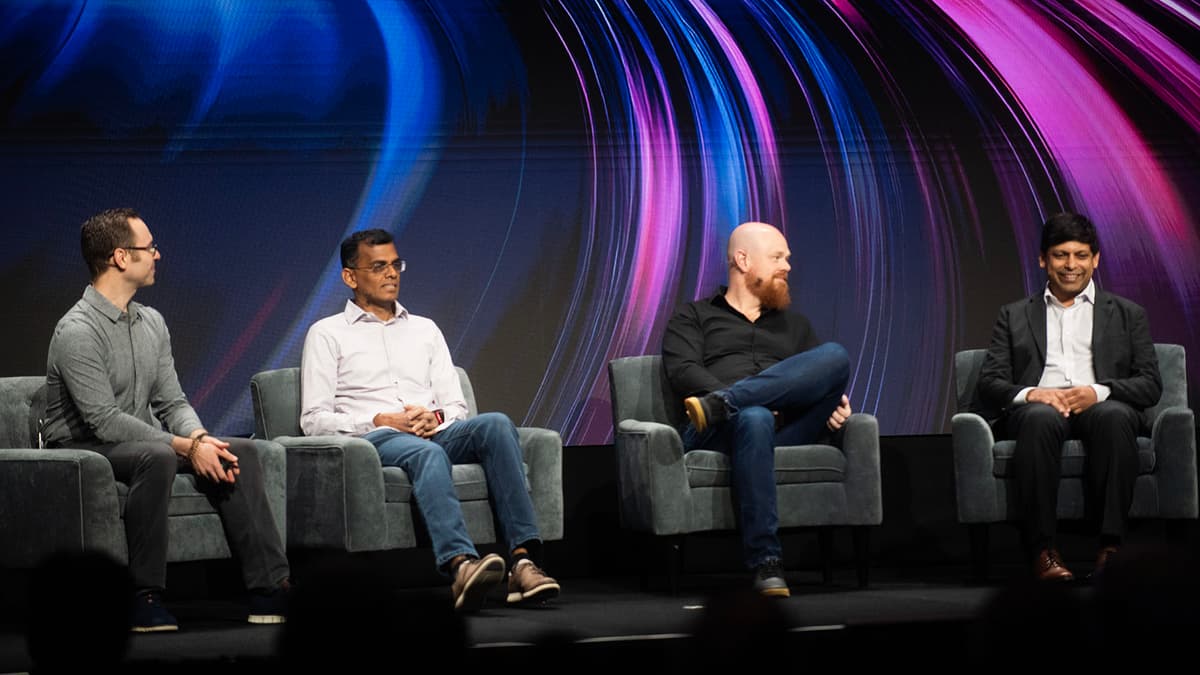
Data Center World 2026: AI Pushes Infrastructure to New Limits
At Data Center World 2026, leaders from Oracle, Nvidia and Google warned that AI is forcing a fundamental redesign of data‑center infrastructure. Facilities must now accommodate two distinct workload patterns—massive GPU‑driven training clusters and distributed inference services—while supporting rack power...
CoreWeave Expands Multi-Cloud AI Stack at Google Cloud Next
CoreWeave announced a suite of multi‑cloud AI tools at Google Cloud Next, including a private interconnect that slashes deployment times from months to days. The company also launched SUNK Anywhere, a unified Slurm‑on‑Kubernetes control plane that spans CoreWeave, Google Cloud,...

How Microsoft and Google Plan and Place AI Workloads
Microsoft and Google are abandoning point‑forecast roadmaps in favor of range‑based planning that updates weekly, allowing them to absorb rapid AI‑driven demand spikes. Both hyperscalers are pushing binding decisions as late as possible, designing modular, fungible data‑center architectures that can...

Europe Forced Data Centers to Show Their Numbers. Most Couldn’t.
The EU’s updated Energy Efficiency Directive now requires large data‑center operators to submit energy, water and sustainability metrics to a centralized European database. In the first reporting cycle only about 36 % of roughly 2,000 facilities—770 sites—provided data, and many entries...

Geothermal and Storage: The Next Frontier in Reliable Data Center Power
Data center operators are seeking clean, firm power. At a Data Center World panel, executives from Sage Geosystems, Meta, and XL Batteries highlighted next‑generation geothermal and long‑duration storage as emerging solutions that can deliver 24/7 carbon‑free electricity. They stressed the...
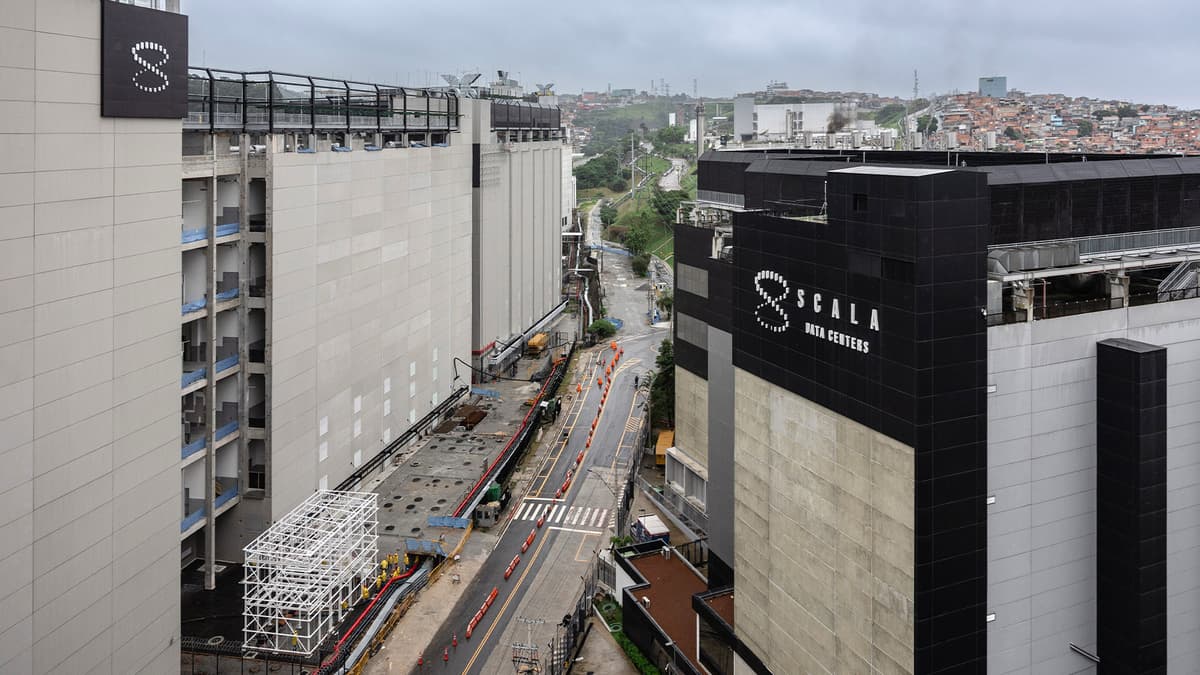
Brazil Data Center Developer Scala Courts Chinese, US Tech
Brazilian data‑center developer Scala, backed by DigitalBridge, is launching the $500 million first phase of its AI City near Porto Alegre, targeting both US and Chinese hyperscalers. The project has secured approval for up to 5 GW of power, leveraging Brazil’s abundant...

Anthropic’s Project Glasswing Tackles AI Security Challenges in Data Centers
Anthropic has unveiled Project Glasswing, a collaborative effort to embed AI‑driven security into data‑center software stacks. The initiative centers on Claude Mythos, a model that scans for vulnerabilities across cloud platforms and open‑source components in real time. Leading providers such...

Arm Steps Deeper Into Silicon: Implications for the Semiconductor Value Chain
Arm Holdings announced its first full silicon product, the Arm AGI CPU, built on Neoverse V3 cores and fabricated by TSMC on a 3 nm process. The AI‑focused chip targets data‑center workloads and already has customers such as Meta, OpenAI, SAP,...

Nvidia Pushes ‘Cost Per Token’ as Defining Metric for AI Data Centers
Nvidia is urging data‑center operators to replace traditional compute metrics such as FLOPS per dollar with a cost‑per‑token model that measures the expense of generating usable AI output. The company cites its Blackwell GPUs, which despite higher hourly costs, deliver...

Data Center Protests Are Growing. How Should the Industry Respond?
Data‑center developers are confronting a wave of community protests that have halted $18 billion and delayed $46 billion in projects over the past two years. At least 142 activist groups across 24 states are organizing opposition, leading to the cancellation or scaling...

Equinix Pushes AI Into Network Layer With Fabric Intelligence
Equinix unveiled Fabric Intelligence, an AI‑driven control layer that automates design, deployment, and management of network connectivity across multi‑cloud, data‑center, and edge environments. The platform uses AI agents, a natural‑language “Super Agent,” and the Model Context Protocol to compress weeks‑long...

Meta Expands Broadcom Partnership to Co-Develop Custom AI Silicon
Meta is expanding its collaboration with Broadcom to co‑develop multiple generations of its Training and Inference Accelerator (MTIA) custom AI chips. The partnership will cover chip design, advanced packaging, and Ethernet‑based networking, with an initial commitment of more than 1 GW...

AI Data Center Moratorium: Balancing Energy, Community, and Growth Risks
Congresswoman Alexandria Ocasio‑Cortez and Senator Bernie Sanders introduced the Artificial Intelligence Data Center Moratorium Act, which would freeze new AI‑focused data‑center construction until federal safeguards on energy, water, labor and civil liberties are in place. The proposal arrives as at least...

Core AI Holdings, Allianca Launch JV to Speed AI Data Center Delivery
Core AI Holdings and Allianca Group have launched a joint venture to fast‑track AI‑ready data center delivery, combining Core AI’s capital‑market expertise with Allianca’s turnkey construction model. The partnership promises an integrated platform that handles site selection, power planning, modular...
.png?width=1280&auto=webp&quality=80&disable=upscale)
Cisco Tests Local Metals Recovery to Address AI Supply Chain Strain
Cisco is testing a distributed, modular metals‑recovery system with UK‑based DEScycle at a demonstration plant in Wilton. The pilot processes disassembled Cisco hardware to extract copper, gold and other high‑value metals, tracking recovery rates and economics. The initiative targets the...