
A Fairness Trilemma in Hiring
Economists warn that hiring algorithms face a fairness trilemma: they can achieve at most two of three goals—efficiency, group representation, and formal neutrality—but not all three simultaneously. The article illustrates the dilemma with Amazon’s scrapped AI recruiter and HireVue’s abandonment of facial‑analysis screening, both of which sacrificed one corner of the triangle to preserve the others. The underlying issue is not algorithmic failure but the impossibility of allocating scarce jobs under unequal starting conditions without trade‑offs. Firms must acknowledge these limits and redesign governance rather than market algorithms as bias‑free solutions.

Policy Dominance in Argentina
The Milei administration posted a primary fiscal surplus of roughly 1.4% of GDP, yet inflation remains above 30% as the monetary base expanded 43% and M2 27% in the past year. Over 60% of the central bank’s assets are now...

Cutsinger’s Solution: Housing Quantity and Price
In Cleveland’s 2026 housing market, 250,000 pre‑2000 homes form a fixed stock that does not depreciate. Builders face a constant marginal cost of $200,000, creating a vertical supply curve up to that price and a horizontal segment at $200,000 for...

Why Adam Smith Embraced Commercial Society: The Wealth of Nations, Book 3 at Econlib
Econlib and Liberty Matters are marking the 250th anniversary of Adam Smith’s *Wealth of Nations* with a six‑essay series. The third installment, authored by Dennis C. Rasmussen, delves into Book III, where Smith famously claims that commerce and manufacturing bring order,...

The Sacrifice Ratio Puzzle
Inflation surged to 9.1% in mid‑2022 due to pandemic disruptions and the Russia‑Ukraine war, then fell sharply in 2023 despite unemployment staying low. The traditional sacrifice ratio—unemployment needed to cut inflation—proved near zero, challenging Phillips‑curve expectations. Tariff hikes in 2025‑26...
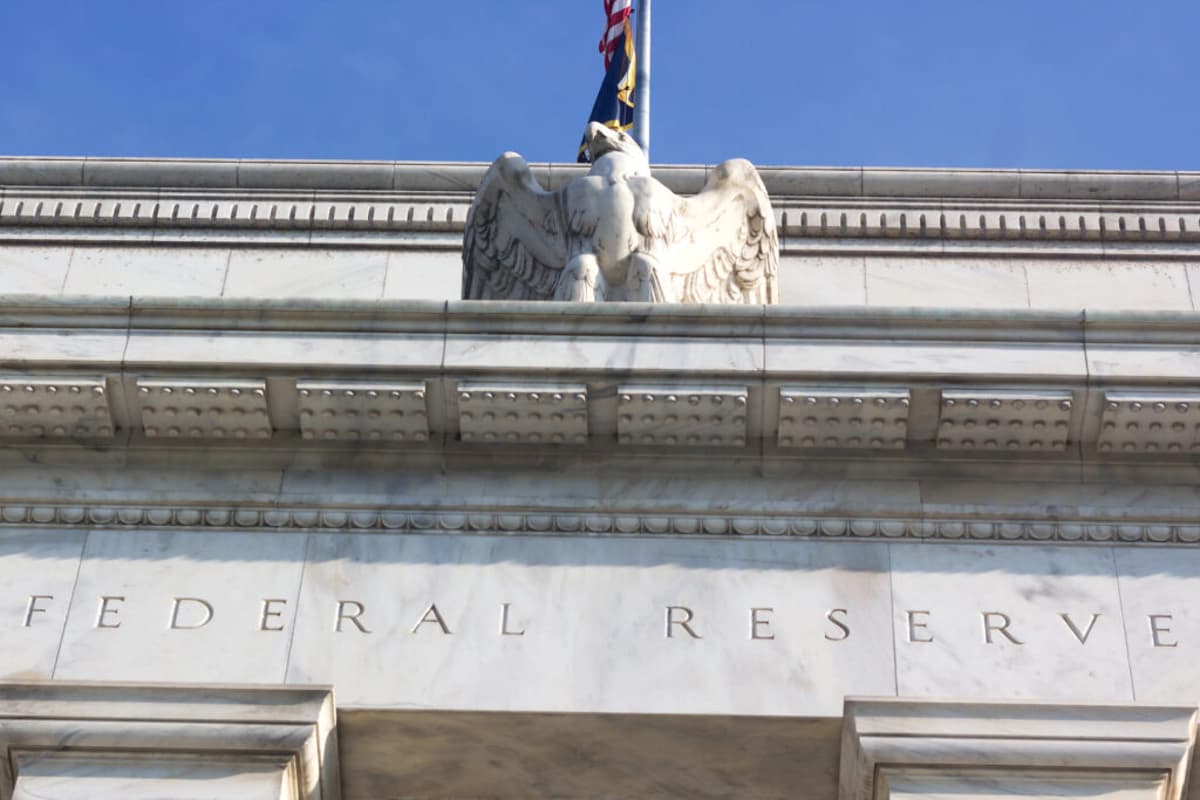
Federal Reserve Revenue: Cutsinger’s Solution
The Federal Reserve sets its own operating budget and remits any surplus to the Treasury, but it lacks a residual claimant who would benefit from cost savings. Because officials do not capture saved dollars, there is little incentive to minimize...
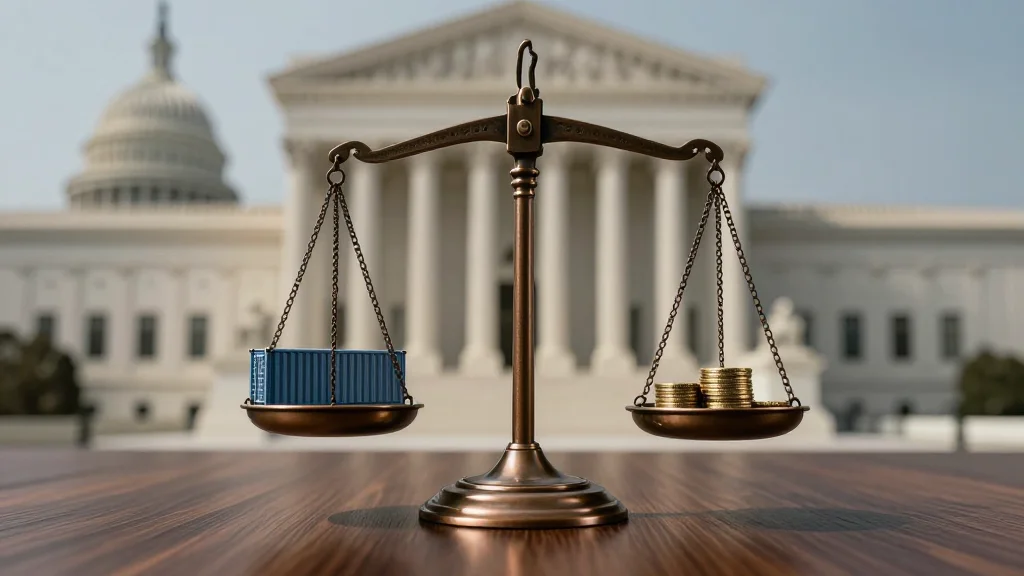
Trade, Tariffs, and Trust at Econlib
President Trump used the International Emergency Economic Powers Act to unilaterally raise tariffs, prompting legal challenges that culminated in the Supreme Court’s 6‑3 ruling in Learning Resources v. Trump. The Court held that IEEPA does not grant the president authority...

The Major Tariffs Question at Econlib
The Supreme Court ruled in Learning Resources v. Trump that the International Emergency Economic Powers Act does not give the president authority to impose tariffs. Six justices agreed on this point but divided on the reasoning, with one side invoking...

Friedman on Immigration: Setting the Record Straight
Milton Friedman argued that free immigration clashes with a welfare state, but his stance was more nuanced: he viewed illegal immigration as beneficial because it limits immigrants' access to public benefits. The article notes that most U.S. immigrants are of...

The US Is a Small Country
The article revisits the classic small‑country tariff model, contrasting it with the large‑country framework that allows an importer to affect world prices. It explains how a sufficiently small tariff could improve a large importer’s terms of trade, creating an "optimal...