
Genesis Mission Now Accepting Applications to Fund AI-for-Science Projects
The Department of Energy’s Genesis Mission, launched under a Trump‑era executive order, is now open for proposals to accelerate AI in science and engineering. The agency has earmarked $293.76 million, offering $500‑$750 k nine‑month Phase 1 grants and up to $15 million three‑year Phase 2 awards. Applicants must submit a five‑page Phase 1 proposal by midnight ET on April 28, with partnership requirements spanning DOE labs, industry and academia. The initiative targets 26 national challenges ranging from quantum computing to biotechnology.

AI Is Running Into a $7 Trillion Wall
McKinsey’s latest report projects global AI infrastructure spending to top $7 trillion by 2030, driven by a planned 100‑110 GW of new data‑center capacity. Major hyperscalers such as Microsoft, Amazon and Google are already committing tens of billions of dollars to expand...

Semidynamics Secures SK Hynix Investment to Advance Memory-Centric AI Inference Architecture
Semidynamics announced a strategic investment from SK hynix to accelerate its memory‑centric AI inference architecture. The Barcelona‑based firm recently completed a 3nm silicon tape‑out with TSMC, positioning it among the first European companies at that node. Its proprietary Gazzillion memory...

ACM Prize in Computing Honors Matei Zaharia for Foundational Contributions to Data and Machine Learning Systems
The ACM announced Matei Zahara as the 2026 recipient of the ACM Prize in Computing, recognizing his pioneering work on distributed data systems that power large‑scale machine learning and AI. The $250,000 award, funded by Infosys, highlights his creation of...

PrismML Emerges From Stealth With 1-Bit LLM Family
PrismML, a Caltech‑spun startup, announced a $16.25 million seed round and the open‑source release of its 1‑bit Bonsai LLM family, including an 8‑billion‑parameter model that fits in roughly 1 GB of memory. The company claims the fully binarized models deliver performance comparable...
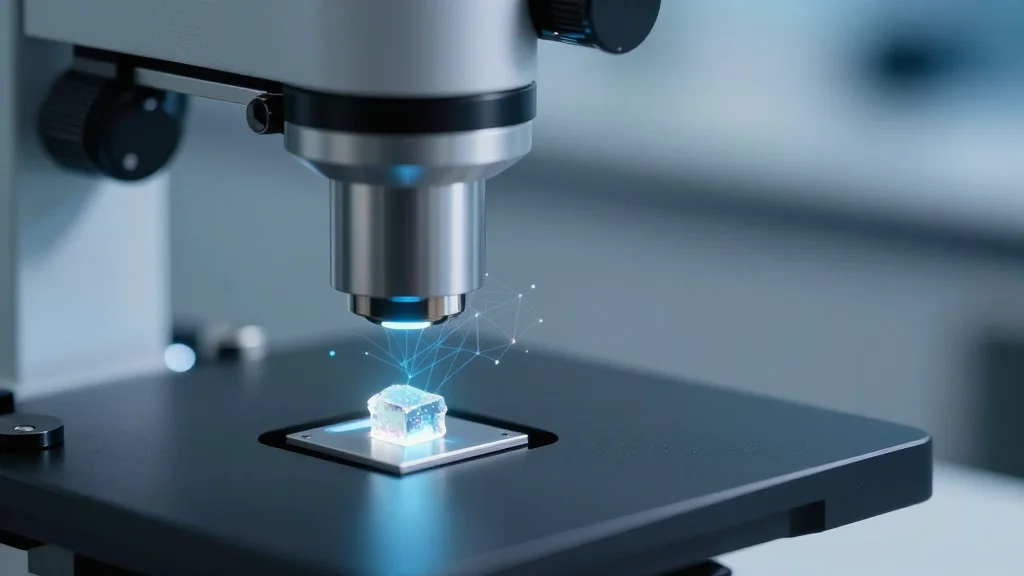
ORNL Work Explores AI-Guided Experiments That Adapt in Real Time
Oak Ridge National Laboratory’s Yongtao Liu is pioneering AI‑driven closed‑loop experiments that autonomously plan, execute, and interpret nanomaterial measurements. By integrating real‑time pattern recognition with scanning probe microscopy, the system can identify novel behaviors, such as unexpected hysteresis in halide...

ACM AI Letters Journal Publishes First Issue
ACM has launched ACM AI Letters (AILET), publishing its inaugural issue to provide a rapid‑publication venue for AI research. The journal targets short, peer‑reviewed letters that bridge the gap between fast‑paced conferences and slower traditional journals. AILET welcomes multidisciplinary work,...
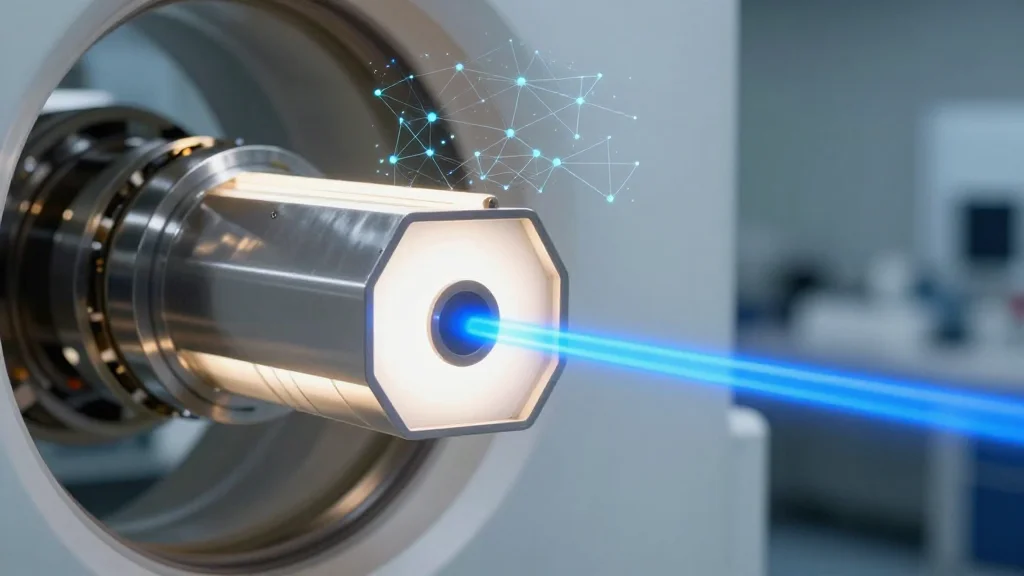
DOE Labs Develop SYNAPS-I AI Platform for Real-Time Beamline Data Analysis
DOE’s Genesis Mission has produced SYNAPS‑I, an AI‑driven imaging platform that unifies neutron, X‑ray and microscopy data from more than 100 beamlines across seven national labs. The billion‑parameter foundation model can reconstruct ptychography scans in real time, turning 1.3 TB of...
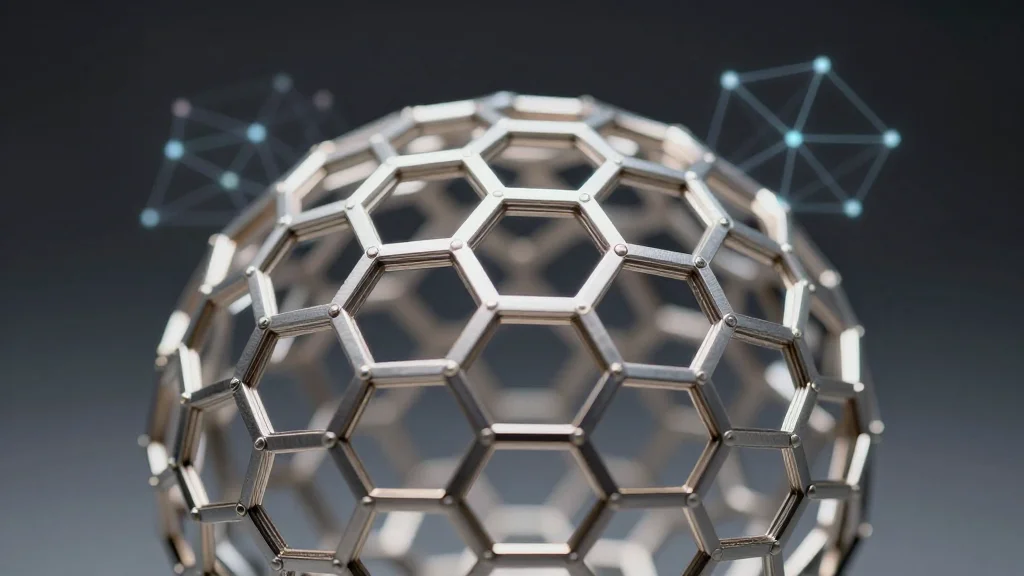
NCSA, MechSE Develop GenAI Workflow for Metamaterial Design on DeltaAI
Researchers from the University of Illinois Mechanical Science & Engineering department and NCSA have unveiled a generative AI workflow that designs multi‑material metamaterials directly from target stress‑strain curves. The system leverages a video diffusion model trained on the DeltaAI supercomputer...

Berkeley Lab: DL4SCI 2026 to Spotlight Discovery Through Agentic AI, Foundation Models
The National Energy Research Scientific Computing Center and Berkeley Lab will host the 2026 Deep Learning for Science (DL4SCI) Summer School from July 20‑24. The five‑day intensive program emphasizes foundation models, reasoning‑centric workflows, and agentic AI for scientific discovery. Researchers...
DOE Announces $320M Investment in Pioneering Scientific Research
The U.S. Department of Energy announced a $320 million investment to support 217 university and industry projects across physical sciences. Funding will be allocated to research in materials science, plasma and fusion, nuclear and particle physics, chemical and molecular sciences, quantum...

LANL Develops Diffusion AI Model for Electroplating Process Optimization
Los Alamos National Laboratory researchers have created a generative diffusion‑based AI model that predicts the micro‑structure of electroplated materials. The system was trained on high‑resolution scanning electron microscope images of 57 rhenium samples, learning to map process parameters to surface...

Alzheimer’s Disease Data Initiative Doubles $1M Prize Competition for Agentic AI Solutions
The Alzheimer’s Disease Data Initiative announced that Biomni-AD and Prima Mente each won the $1 million Alzheimer’s Insights AI Prize, doubling the competition’s total payout to $2 million. The competition, launched in August 2025 and backed by Bill Gates and a broad...
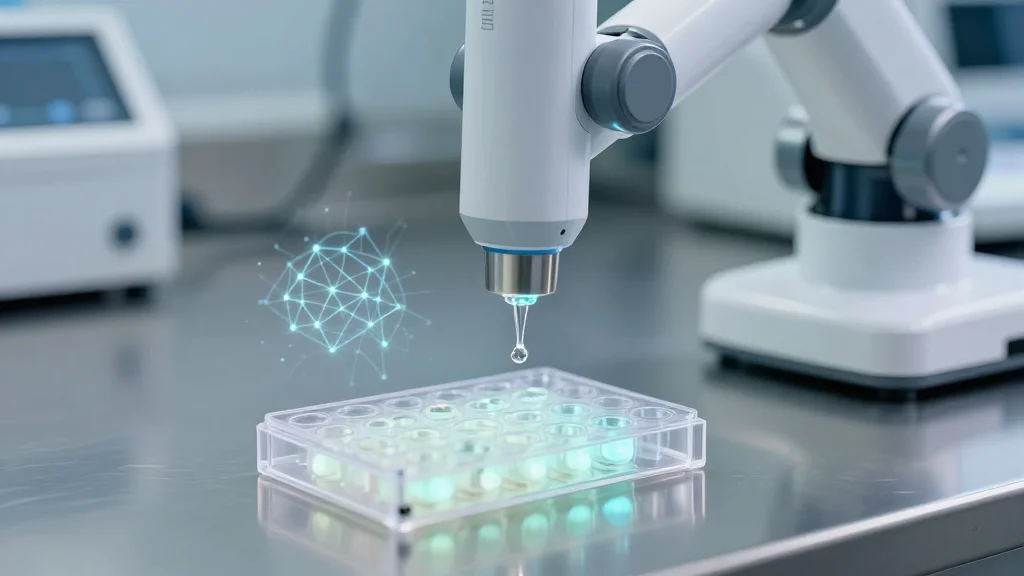
PNNL: Robotics and AI Power Biotechnology Advances
Pacific Northwest National Laboratory has merged AI with high‑throughput robotics to speed microbial biotechnology development. Researchers adapted the open‑source BacterAI platform to model continuous growth‑boundary conditions, then paired it with a Tecan Fluent liquid‑handling system that can execute thousands of...

NERSC Issues 2026 Call for AI for Science Proposals
The National Energy Research Scientific Computing Center (NERSC) has launched its 2026 AI for Science call, offering up to 10,000 GPU node hours on the Perlmutter supercomputer and up to 20,000 CPU node hours for AI‑ready dataset generation. The open...

Researchers Develop AI Framework Combining Expert Knowledge and Data to Accelerate Alloy Discovery
Researchers at Japan Advanced Institute of Science and Technology unveiled an AI‑for‑Science framework that merges experimental alloy data, computational models, and expert knowledge extracted from scientific literature using large language models. The system fuses these evidence streams with Dempster‑Shafer theory,...

WEKA Releases NeuralMesh AI Data Platform Based on NVIDIA AI Data Platform Design
WEKA announced the general availability of its NeuralMesh AI Data Platform (AIDP), an enterprise‑ready, composable storage solution built on NVIDIA’s AI Data Platform reference design. The platform promises to shrink AI project timelines from months to minutes by delivering high‑performance,...

Jeonbuk National University Researchers Develop DDINet for Drug-Drug Interaction Prediction
Researchers at Jeonbuk National University have unveiled DDINet, a lightweight neural network designed to predict drug‑drug interactions (DDIs) for previously unseen compounds. The model employs five fully‑connected layers and molecular fingerprints, with Morgan fingerprints delivering the best results. Using a...
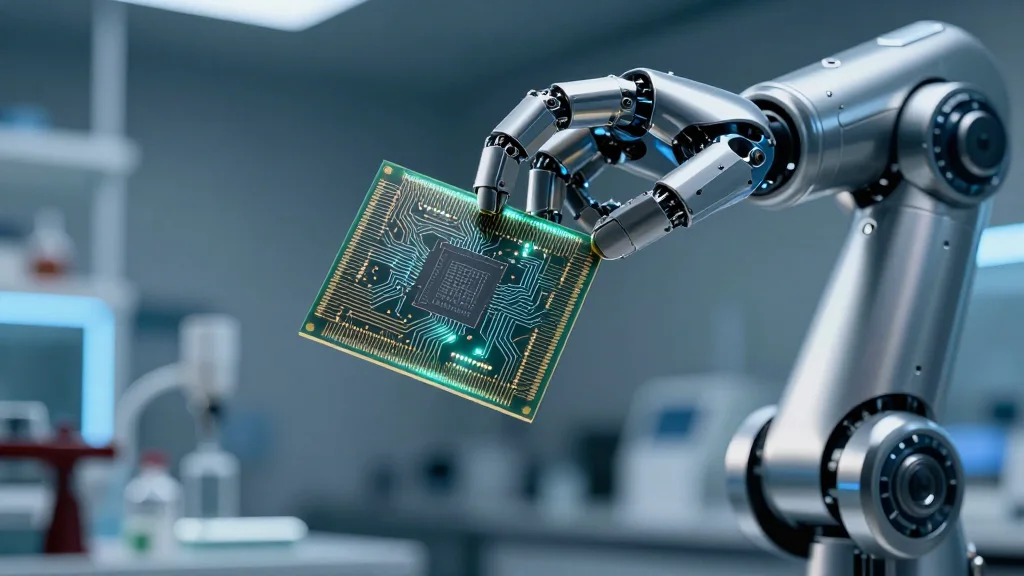
Argonne-Led AI ‘Adviser’ Accelerates Robotic Design of Advanced Electronic Materials
Argonne National Laboratory’s team unveiled an AI “adviser” that monitors and optimizes machine‑learning algorithms during autonomous experiments, dramatically speeding the discovery of mixed ion‑electron conducting polymers. Integrated with the Polybot robotic lab, the adviser reduced the experimental space from over...

LLNL-Led Study Uses Machine Learning, Veterans’ Health Records to Identify ALS Drug-Repurposing Candidate
Lawrence Livermore National Laboratory and partners applied causal‑inference machine learning to electronic health records of more than 11,000 U.S. veterans with amyotrophic lateral sclerosis. The analysis, published in The Lancet Digital Health, identified 27 existing medications that correlate with longer...
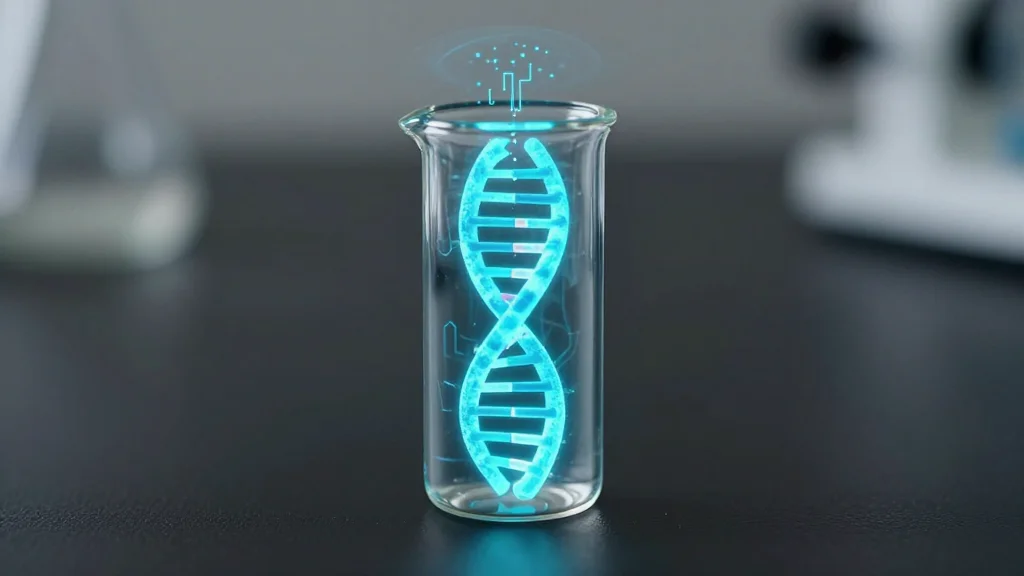
A New AI Model Could Help Scientists Design New Forms of Life
Researchers at the Arc Institute unveiled Evo2, an AI model trained on trillions of DNA bases from diverse organisms. By treating DNA as language, Evo2 can generate genome‑scale sequences millions of letters long, demonstrated with Mycoplasma genitalium‑inspired designs. The model...

Siemens to Help Build AI-Ready Scientific Infrastructure as Part of DOE’s Genesis Mission
Siemens announced a memorandum of understanding with the U.S. Department of Energy to support the Genesis Mission, a federal effort to modernize America’s scientific infrastructure with AI‑driven computing and interoperable digital systems. The partnership leverages Siemens’ expertise in industrial AI,...
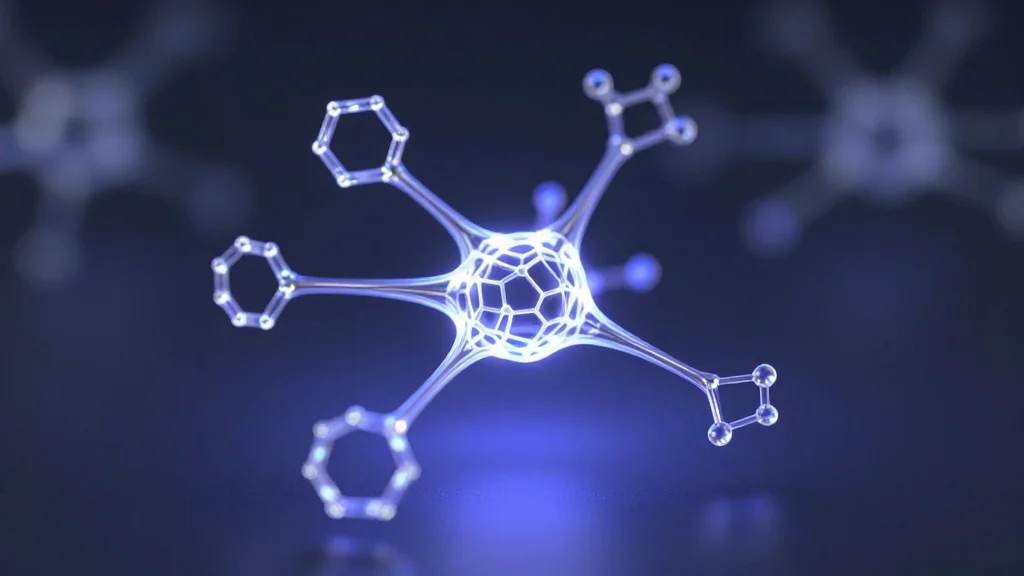
Unreasonable Labs Emerges From Stealth with AI Platform for Scientific Discovery
Unreasonable Labs announced its launch from stealth and closed a $13.5 million Series A round led by Playground Global, with participation from AIX Ventures, E14 Fund, and MS&AD Ventures. The Cambridge‑based startup, founded by a former Google DeepMind senior scientist and an...
Kempner Institute Announces 2026 Accelerator Awards Request for Proposals
Harvard’s Kempner Institute has opened its 2026 Accelerator Awards request for proposals, offering faculty access to the Kempner AI Cluster. Winners receive up to 64 GPUs for a 30‑day period to conduct advanced intelligence research. The program, now in its...
Lilly Launches LillyPod NVIDIA DGX SuperPOD for Genomics and Drug Discovery AI
Eli Lilly unveiled LillyPod, a DGX SuperPOD built with 1,016 NVIDIA Blackwell Ultra GPUs delivering more than 9,000 petaflops of AI performance. The system powers genomics, protein‑diffusion, small‑molecule graph neural networks and foundation models, allowing billions of in‑silico experiments. Constructed...
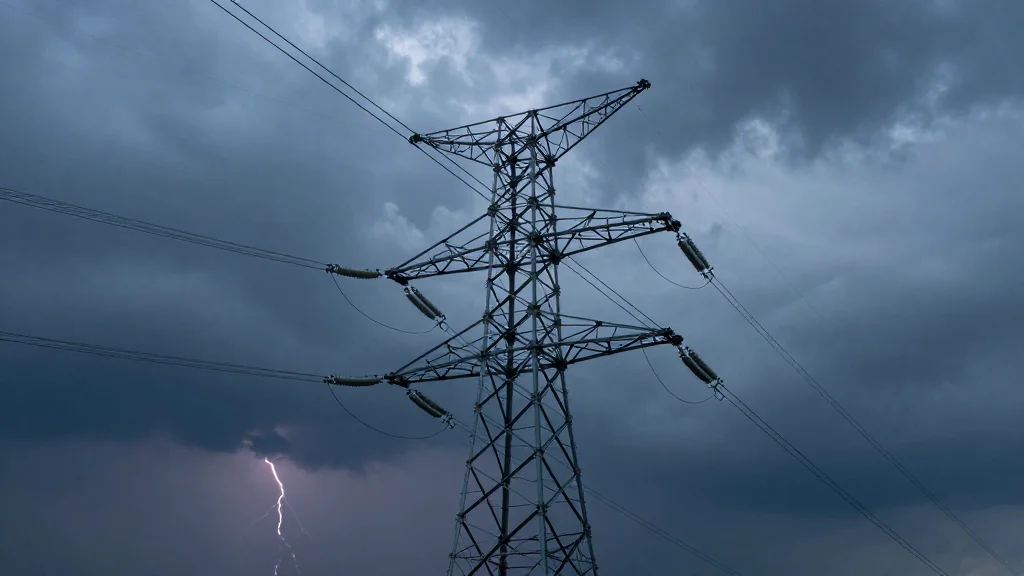
UAlbany, UConn Researchers Launch Initiative to Improve Power Outage Predictions and Grid Resilience
Researchers at the University at Albany and the University of Connecticut have launched the North American Forecasting Weather, Outage, Load & Damage Initiative to create an AI‑driven model that predicts storm‑related power outages across the United States and Canada. Backed...
Inside the DOE’s 26 AI Challenges for Genesis Mission
The U.S. Department of Energy unveiled 26 artificial‑intelligence challenges that underpin its Genesis Mission, spanning nuclear systems, grid modernization, materials science, advanced manufacturing, microelectronics and national security. The announcement shifts AI from a purely analytical tool to the connective tissue...