
SCO, ECO, and the Probability of Regret
The 2026 analysis highlights growing interest in Supplemental and Enhanced Coverage Options (SCO and ECO) as higher subsidy rates make them attractive. Producers can replace the standard RP‑85% policy with a lower RP‑75% base plus SCO/ECO at a 95% coverage level, achieving lower premiums and higher expected net benefits. While the alternative improves downside protection, it introduces basis risk that can cause a “regret” scenario where RP‑85% would have paid more. Simulations for Illinois corn and soybeans show regret probabilities between 4% and 9%, highest in the southern region.
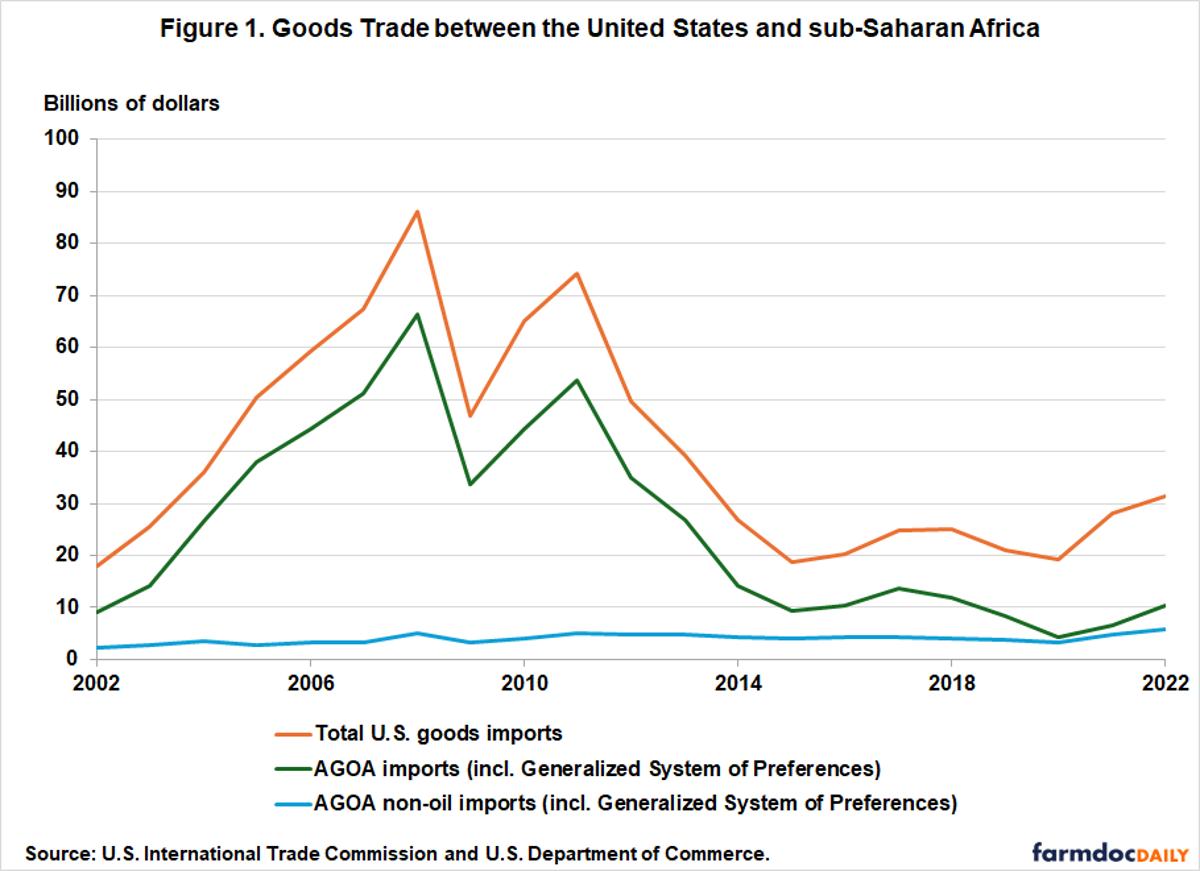
From Infrastructure Investment to Expanded Market Access: China’s Belt and Road Initiative in Africa and the Implications for U.S. Trade...
China’s Belt and Road Initiative has propelled its trade with Africa to $348 billion in 2025, a 17.7% jump driven largely by a surge in Chinese exports and massive infrastructure‑focused loans. The initiative recently expanded zero‑tariff market access to all 53...
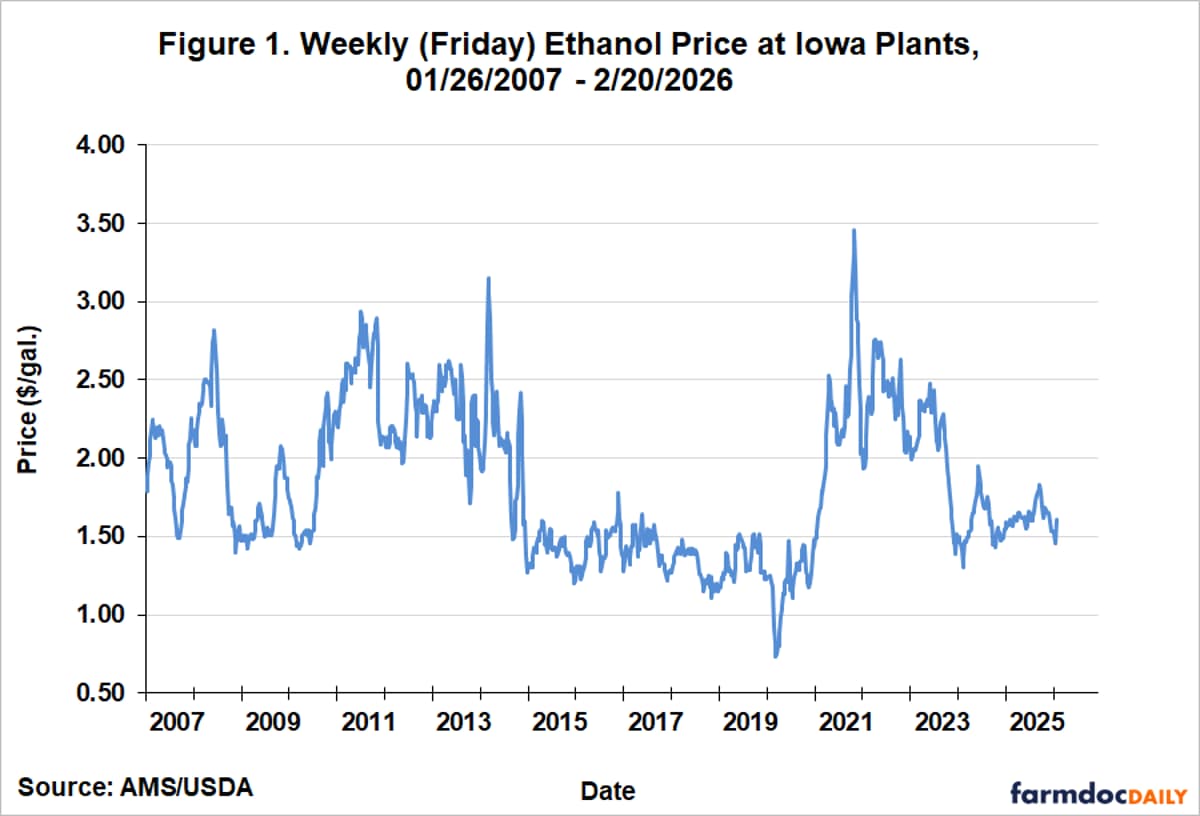
Ethanol Production Profits in 2025
U.S. ethanol producers posted a sixth consecutive year of profitability in 2025, with a representative Iowa dry‑mill plant earning an average of $0.21 per gallon. Net nominal profit reached $23.2 million, well above the long‑run average. The rise was driven by...

Projected Prices and Volatility Factors for 2026
The Risk Management Agency released 2026 projected prices and volatility factors for corn and soybeans after February’s price‑discovery period. Corn’s projected price fell to $4.62 per bushel, $0.08 below 2025, while soybean’s rose to $11.09, $0.55 higher than last year....

New Commodity Program Base Acres
The USDA’s Farm Service Agency will automatically add up to 30 million new commodity base acres for the 2026 crop year, making them eligible for ARC and PLC payments. Farms qualify if they planted or were prevented from planting a covered...
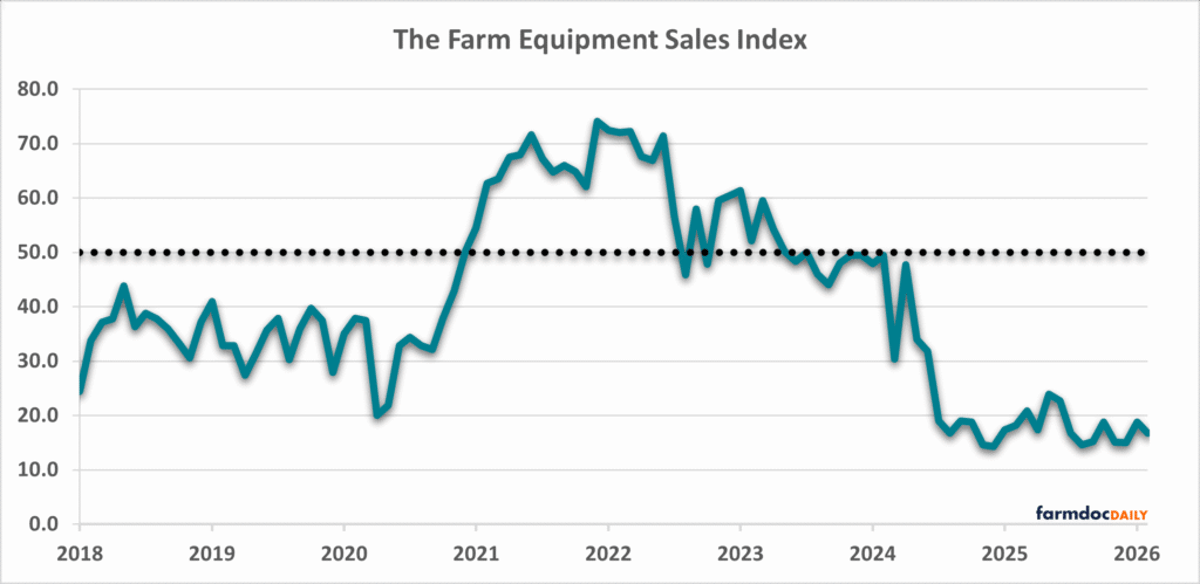
The U.S. Farm Machinery & Equipment Market: Sales, Inventories, and Tariff Headwinds
The U.S. farm machinery market entered a deep downturn in 2025, with tractor sales falling 9.9% to 195,857 units and combine sales plunging 35.6% to 3,579 units. Manufacturer inventories shrank 20.8% to $5.72 billion, while dealer surveys showed over two‑thirds reporting...

Rewriting the RFS Playbook: The Impact of No Half-RIN and Higher RVOs on Projected Biomass-Based Diesel Production and Feedstock Use...
The EPA is expected to drop the controversial half‑RIN rule and raise biomass‑based diesel renewable volume obligations (RVOs) to 5.25 billion gallons in 2026 and 5.61 billion gallons in 2027, roughly a 20% increase over the June proposal. Using an average equivalence...
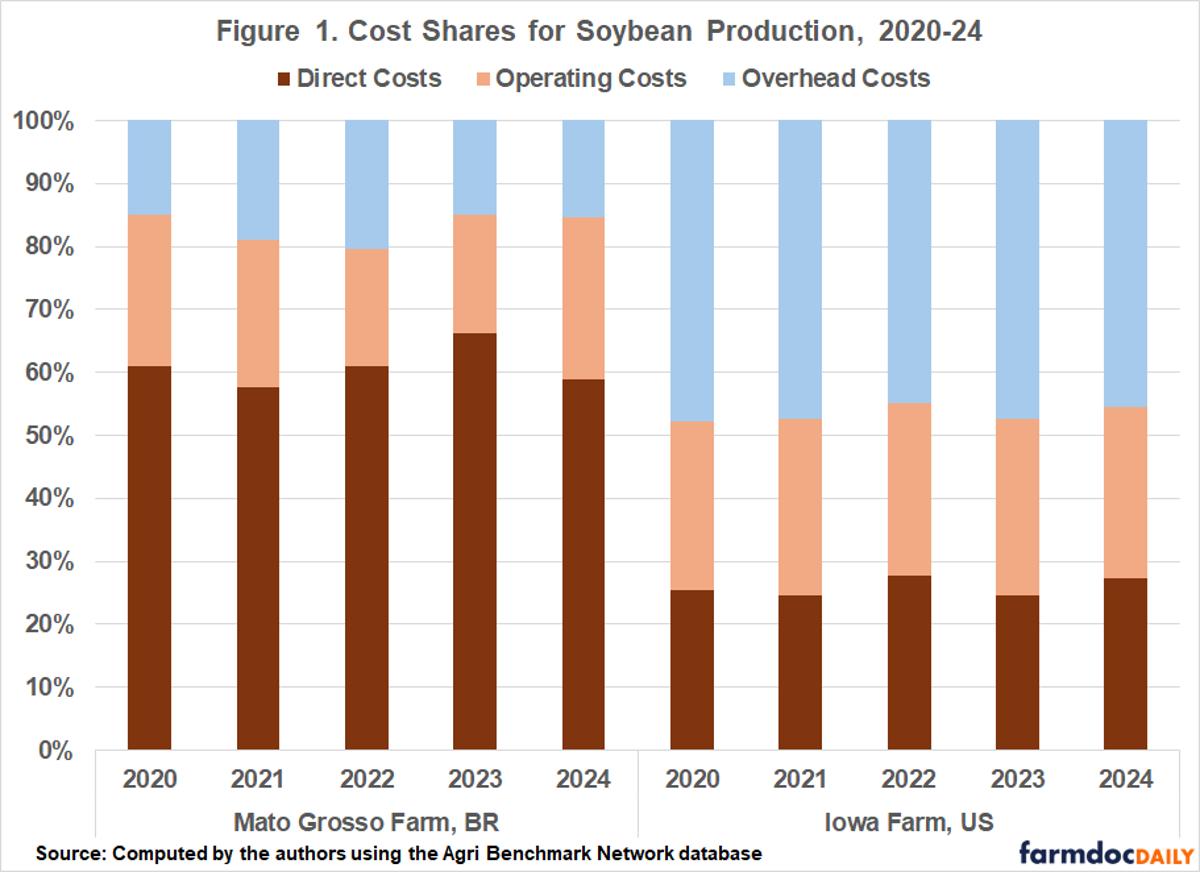
U.S. and Brazil Soybean Competitiveness: Farm-Level Costs and Returns
A recent Purdue Ag Economy Barometer survey shows 80% of U.S. soybean growers are concerned about Brazil’s growing export advantage. Farm‑level data from 2020‑2024 reveal Brazilian soybean operations in Mato Grosso have lower total costs per ton than Iowa farms, despite...
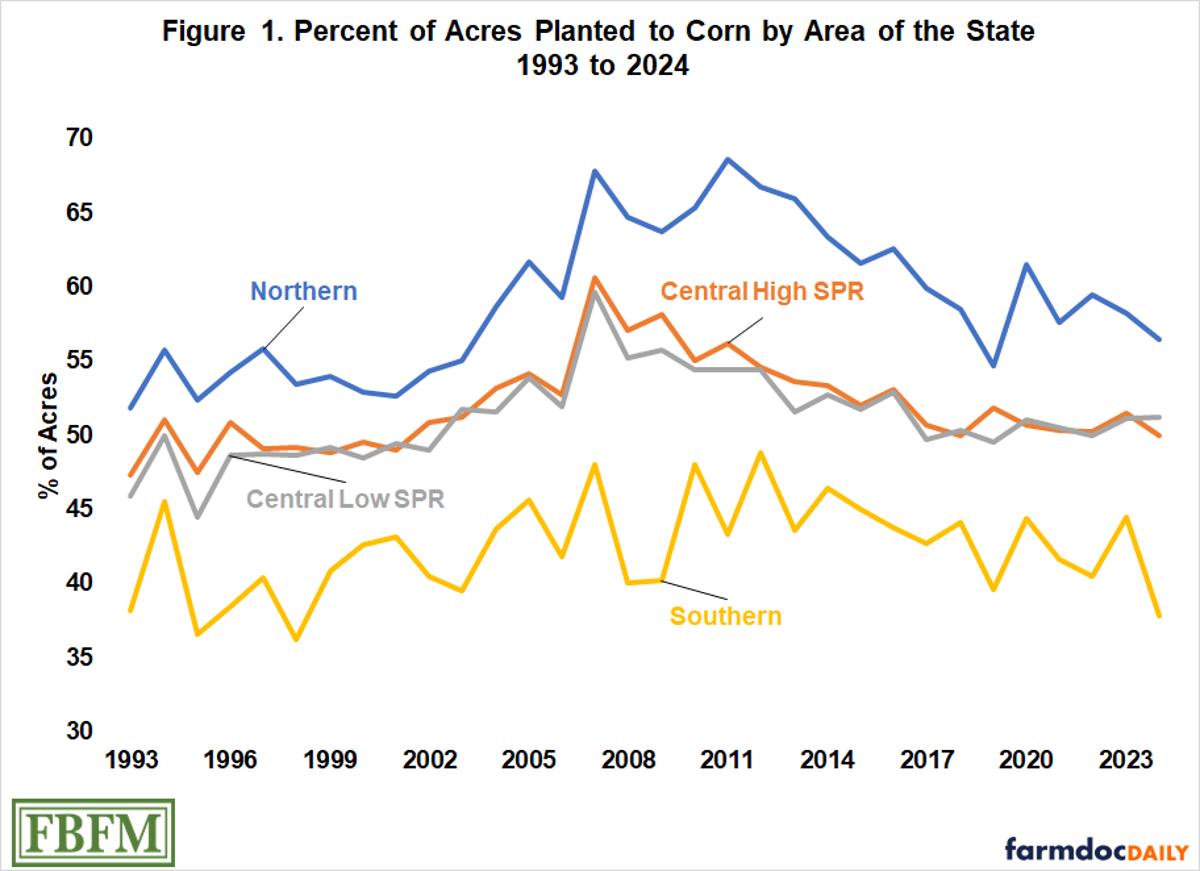
Historical Cropping Patterns for Illinois Grain Farms
The Illinois Farm Business Management Association’s data show that from 2015 to 2024 corn acreage declined across all three regions, with northern farms dropping from 61.6% to 56.4% of tillable land. Central Illinois farms hovered near a 50/50 corn‑soybean split,...
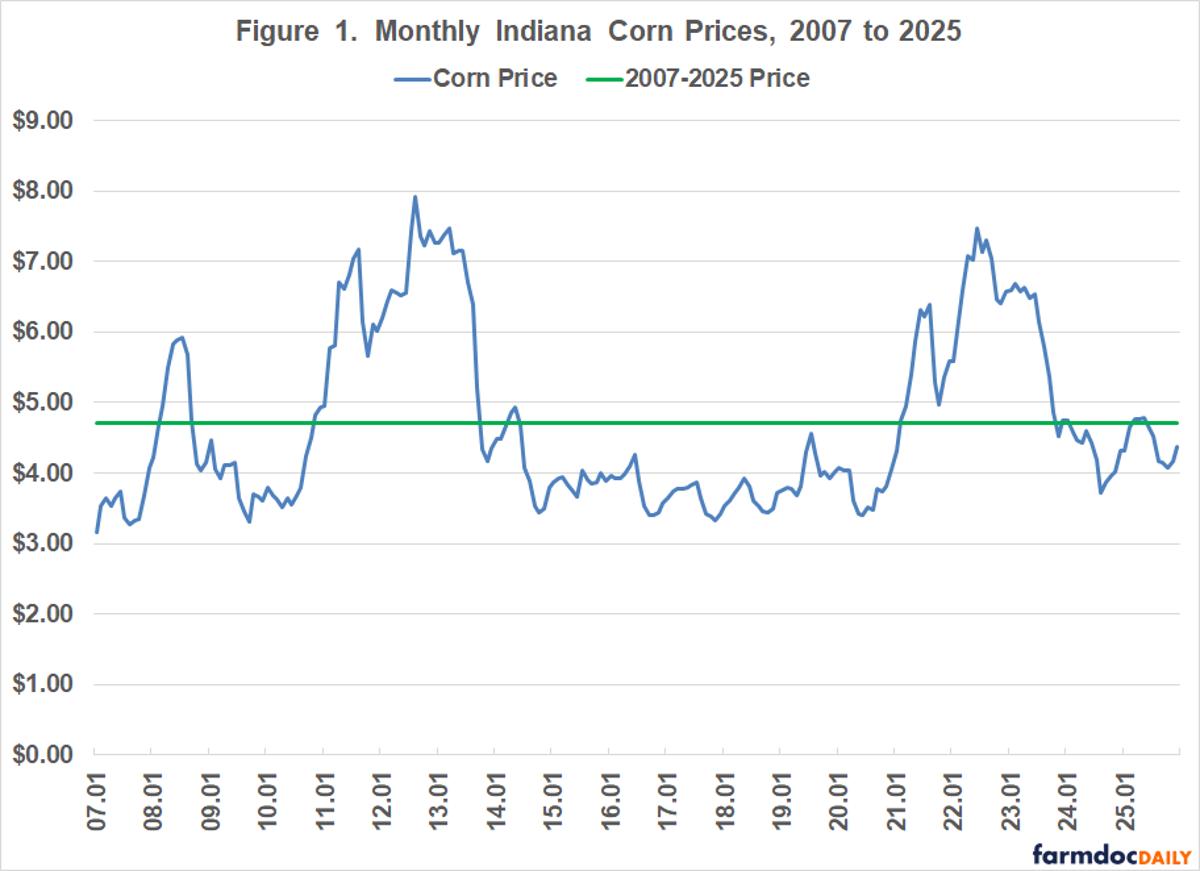
Prospects for Swine Feed Costs in 2026
Indiana corn prices averaged $4.45 per bushel in 2025 and futures suggest 2026 prices will cluster between $4.11 and $4.73 per bushel. Based on these projections, feed‑cost indices for farrow‑to‑finish and swine‑finishing operations are expected to dip slightly below 2025...
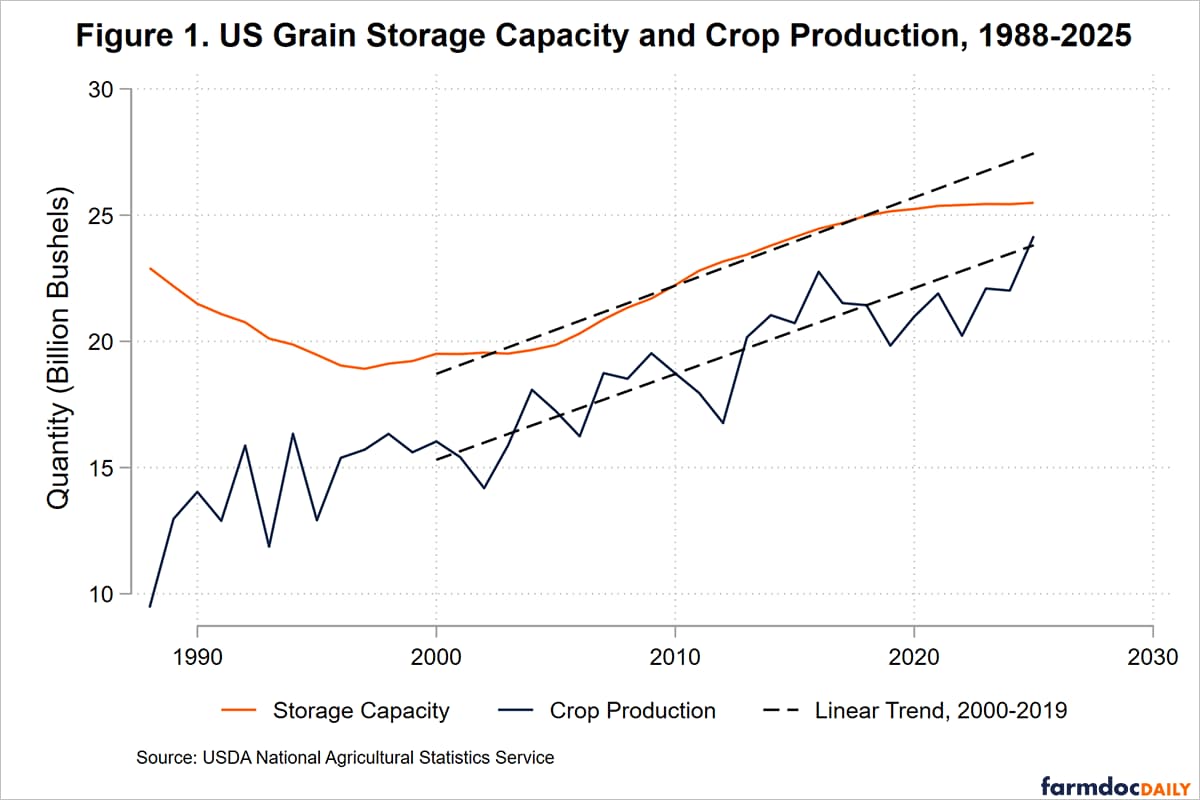
US Grain Storage Capacity Growth Has Stopped
US grain storage capacity expanded steadily from 2000 to 2019, adding roughly 350 million bushels per year, but growth has essentially stopped after 2020. Meanwhile, crop production kept rising, pushing the surplus capacity margin down to just 5 % in 2025. On‑farm...